Key takeaways:
Nutritional yeast, canned tomatoes, and lentils are a few of the foods our featured dietitians like to keep on hand in their pantry.
Favorite freezer foods include frozen fruit and whole-grain waffles.
Certain pantry foods are great staples because of their convenience or nutrition. But even dietitians know the importance of stocking favorite foods that have emotional and/or cultural importance.
We hear a lot from dietitians about the foods we should be eating, and meal ideas to cook at home. But what’s really going on in their own pantries and kitchens? What staples do they keep on hand to prepare nutritious meals — and save time and money?
We were curious. So… we asked! We checked in with three dietitians to learn which pantry items are their favorite workhorses, and why. Here’s who they are:
Margaret Apura, MPH, RDN, director of nutrition services, Amwell Medical Group. Since she has irritable bowel syndrome (IBS), Margaret watches out for certain ingredients that can be irritating, so she’s very specific about condiments and seasonings.
Kelsey Costa, MS, RDN, owner of Impactful Nutrition. Kelsey has been running a busy nutrition practice and is now a new mom — neither of which leave a lot of time for food planning and prep.
Cara Rosenbloom, RD, owner of Words to Eat By. As a mom of two teenagers who always have friends dropping in, Cara keeps a well-stocked pantry so she’s ready to whip up meals or snacks at a moment’s notice.
Each of our panelists shared some unique favorites, but there were also certain foods that came up a lot. Here are some of our featured dietitians’ top pantry items.
Quinoa
Cara Rosenbloom (CR): I love that quinoa is a whole grain, but takes much less time to cook compared to something like brown rice. Plus, quinoa has fiber and iron. And it’s a complete protein, meaning it contains all nine essential amino acids. I mix cooked quinoa with salt, pepper, parmesan, and good olive oil for a side dish. I use leftovers as the base for salad bowls brimming with beans, fresh vegetables, and leafy greens.
Kelsey Costa (KC): Quinoa is a high-quality plant-based protein, and rich in anti-inflammatory phytonutrients. I have dried quinoa in my pantry, which cooks pretty quickly. But I also keep microwavable precooked quinoa pouches on the shelf for even more convenience when I'm really in a rush. I add it to salads, stir-fries, or have it as a side dish.
Editor’s take: My quinoa hack is to cook it in low-sodium chicken or vegetable broth instead of plain water. (Alternatively, you could add a bouillon cube to the cooking water.) It adds a subtle but rich, savory taste, and you won’t need to use as much seasoning.
Lentils
CR: My pantry is home to both canned lentils and dry red lentils. Both are nutritious plant-based proteins that are high in fiber. For canned lentils, my favorite recipe is to drain and pat them dry, then stir-fry them in garlic and olive oil. I add cumin, turmeric, and coriander, and pan-fry until they get a bit crispy. So good! I use them like crispy croutons on salads or mixed into basmati rice.
I also like to make a 30-minute red lentil soup with carrot, celery, sweet potato, red lentils, and garlic in water or broth. This was my mom’s recipe, and it always reminds me of her when I make it. She passed away 14 years ago.
Canned tuna
MA: Canned tuna is an excellent source of protein and it’s relatively cheap; you can usually find it under $2 per can. I like to mix it with a little mayo and seasoning, and eat it over a salad or in a sandwich.
CR: I love the simplicity of turning this high-protein food into a meal. It requires no cooking and little prep. I swirl it into tomato sauce with shredded kale as a pasta topper.
Editor’s take: Tuna is super nutritious and worth including in your diet, but it’s important to know that it contains mercury. Light tuna is lower in mercury than albacore (also called white tuna). The FDA recommends eating no more than 3 servings (12 oz) of light tuna per week, or no more than 1 serving per week of albacore or yellowfin tuna.
Sliced almonds
KC: I don’t love snacking on whole almonds, but I do love adding sliced almonds to meals. They provide a satisfying crunch and excellent nutritional benefits. Almonds are rich in monounsaturated fats, vitamin E, and antioxidants. So they’re good for heart health and muscle repair. I mix them into a meal or snack about once a day, whether it be sautéed veggies, salads, yogurt, or chia pudding.
Editor’s take: The only thing better than sliced almonds is toasted sliced almonds. Toasting deepens the taste, amps up the crunch, and makes your kitchen smell amazing. And you don’t need to bother with the oven; a few minutes in a saucepan on the stove works just fine. If you’re not nuts about nuts (or have a nut allergy), try seeds. Like nuts, sunflower seeds are full of healthy fats, protein, fiber, and vitamin E. Pumpkin seeds or pepitas (a type of shelled pumpkin seed) are also a nutrient-rich seed worth getting to know.
Canned meat
MA: My husband is Filipino and grew up eating vienna sausage over rice with a fried egg on top. We keep cans of it in the pantry for when he’s craving Filipino comfort food. It’s high in sodium, so it’s a once-in-a-while special treat.
Editor’s take: This sounds absolutely delicious. My high-sodium treat? A sandwich with processed deli meat. I try to choose lean deli meats most of the time, but… not always.
Nutritional yeast
CR: Nutritional yeast is indispensable in my kitchen. It’s a flaky yellow dietary supplement. But it works more like a condiment that adds a savory umami flavor to dishes. I use it on popcorn, pasta, and rice.
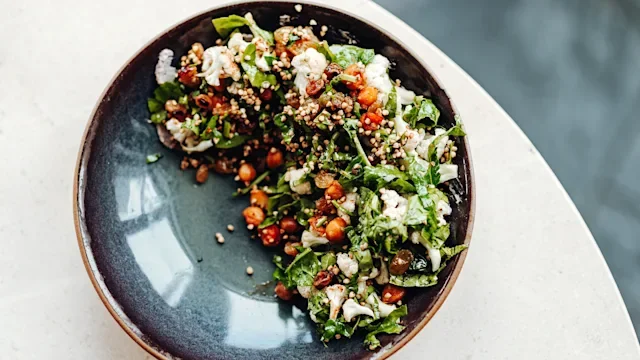
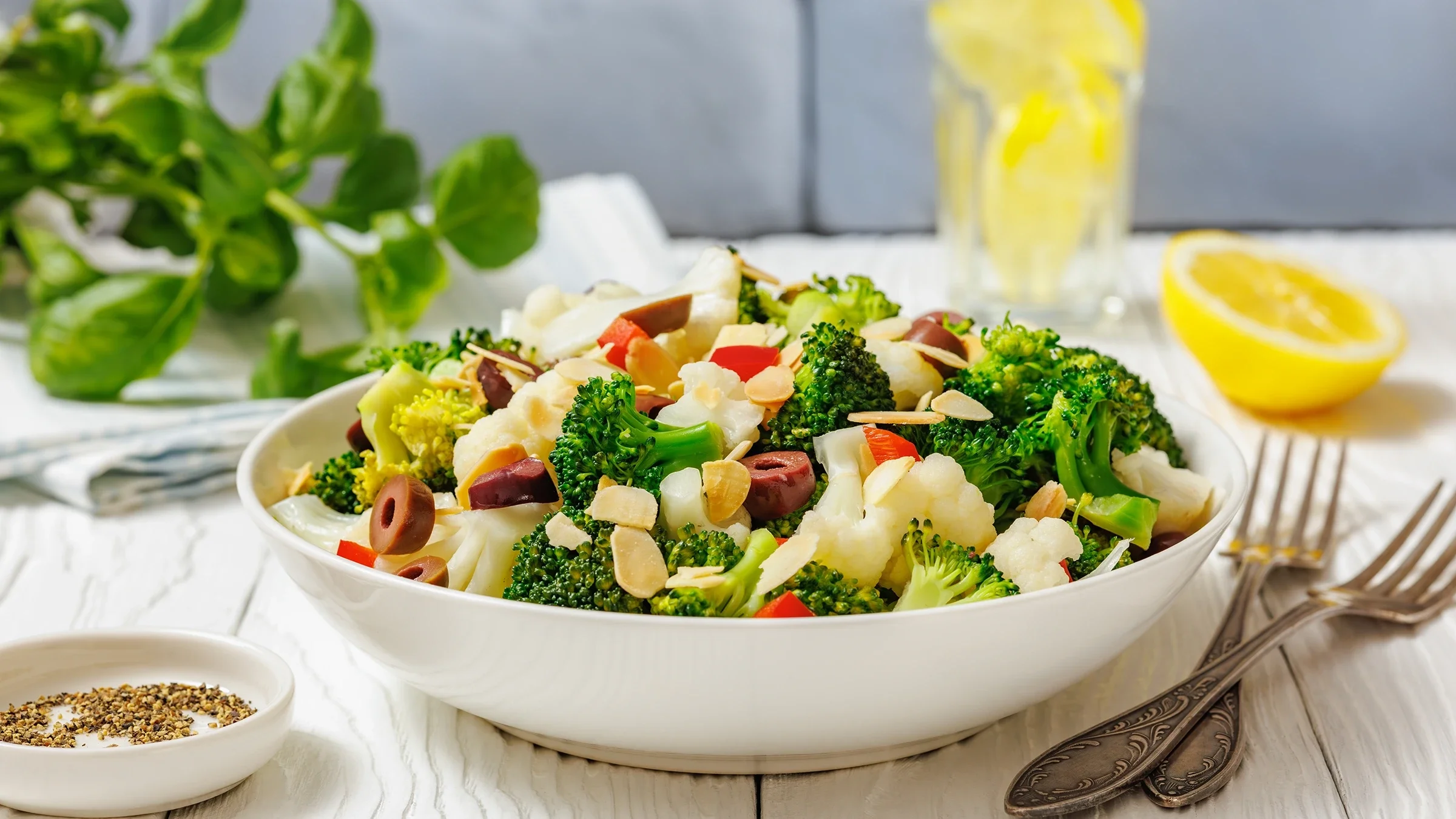
A favorite family recipe is my roasted cauliflower. I break up a head of cauliflower and mix the florets with salt, pepper, nutritional yeast, and cumin. I add a few glugs of olive oil, then roast. Delicious! Bonus: Nutritional yeast is super high in B vitamins, including niacin, B6, and B12.
Balsamic vinegar
MA: Balsamic vinegar works well as a tasty marinade for chicken or pork. And for people who need to follow a lower-fat diet, using balsamic (or any) vinegar in cooking is a great way to add flavor without the fat.
Editor’s take: The bold, tart flavor of balsamic vinegar can also help you reduce how much salt you need to add to foods. Use it on raw or cooked veggies as a dressing, or drizzle it on grains or potatoes to brighten the taste. Red wine vinegar and white vinegar are other options to try.
Coconut water
KC: Unsweetened coconut water is one of my favorite natural hydration staples. I buy shelf-stable coconut water in bulk to keep on hand, especially during warmer months. It’s a rich source of electrolytes, especially potassium. I love drinking it chilled after an intense workout or using it as a hydrating base for smoothies.
Canned tomatoes
MA: I usually keep several 28 oz cans of crushed tomatoes to use in homemade marinara sauce or as a base for chilis and stews. Canned tomato sauce is high in lycopene, a powerful antioxidant that may help prevent certain cancers and heart disease. Tomatoes also contain fiber, and we know eating more fiber-rich foods helps keep us regular. It also helps keep “bad” cholesterol in check.
Editor’s take: If you don’t buy canned veggies because you think they’re less nutritious than fresh, think again. Canned veggies can be just as good for you as their fresh counterparts. The canning process has such a minor impact on nutrients that it doesn’t really have an effect on its nutritional value. And, fun fact: The lycopene in tomatoes is actually increased with canning. Plus, canned veggies are shelf-stable and budget-friendly.
Ground flaxseed
KC: Ground flaxseed is one of the most nutrient-dense pantry staples I use daily. It’s a rich source of omega-3 fatty acid and fiber. It supports cardiovascular and metabolic health, aids digestion, and has anti-inflammatory properties. I like to use 2 tbsp of ground flaxseed in my morning smoothies. Occasionally I use it in baking, too.
Favorite freezer items
Frozen fruits and veggies
CR: Throughout my years as a dietitian, I’ve surprised many people with the fact that frozen fruits and vegetables are just as nutritious as fresh (sometimes even more nutritious!). Since vegetables/fruits are picked and frozen soon after harvest, they retain the nutrients from the date they were picked. Plus, frozen produce is convenient, and helps reduce food waste.
KC: For me, it’s frozen bananas. Sometimes I end up buying too many bananas, and when I have overripe ones at the end of the week, I peel, slice, and freeze them. Later, I blend them with other frozen fruits to create delicious soft-serve fruit dessert bowls.
Whole-grain waffles and turkey sausage
MA: I always try to keep whole-grain waffles and turkey sausage in our freezer for a quick and healthy breakfast for my kids. Whole-grain waffles are healthier than plain waffles since they contain fiber. And turkey sausage is a good source of protein, but lower in saturated fat than pork sausage. Balancing carbohydrates with protein at breakfast will help you stay fuller longer and prevent a mid-morning blood sugar crash.
Bread
CR: My teens still bring lunch to school most days, so having bread in the freezer is a perfect way to ensure we can always make a quick sandwich in the morning.
Soup
MA: I like to freeze my chicken noodle soup. It freezes and defrosts well for those nights I’m too busy to cook. I especially like to have chicken noodle soup on hand during cold and flu season to quickly defrost if someone in our house gets sick. The broth is soothing for a sore throat and a great way to get fluids in.
Editor’s take: This makes me want to get a big pot of soup going. Hearing from these dietitians is a great reminder that the foods we choose to eat (and feed to our families) are so much more than a health decision. Foods aren’t just the vitamins and minerals they provide. They’re also about connections and care. That provides nourishment, too.
References
Khan, U. M., et al. (2021). Lycopene: Food sources, biological activities, and human health benefits. Oxidative Medicine and Cellular Longevity.
U.S. Food and Drug Administration. (2021). Advice about eating fish.

Why trust our experts?