Key takeaways:
Chronic inflammation can increase your risk of developing many health conditions. Eating anti-inflammatory foods can help lower that risk.
Fruits contain antioxidants, fiber, and other nutrients that help fight inflammation.
The best fruits for inflammation include berries, cherries, pomegranate, grapes, and kiwi.
Inflammation is a normal part of your body’s defense system. It helps your body fight infection and heal injuries. But when inflammation becomes chronic, it can increase your risk of conditions like heart disease and diabetes.
No single food can completely prevent inflammation. But some foods have compounds that help reduce it. Fruits are especially helpful. That’s because they’re full of antioxidants and other nutrients that protect your cells from damage.
Let’s take a look at some of the best fruit for inflammation.
1. Berries
Berries are rich inanthocyanins, a type of antioxidant that gives them their deep, vibrant colors. These compounds help protect your cells by neutralizing free radicals — molecules that can build up in your body and trigger inflammation. Eating berries regularly may help reduce inflammation and lower stress on your body over time.
Berries also provide fiber, which supports gut health. A healthy gut helps regulate inflammation in a lot of different ways. But in general, it helps keep your immune system balanced, so it’s less likely to overreact.
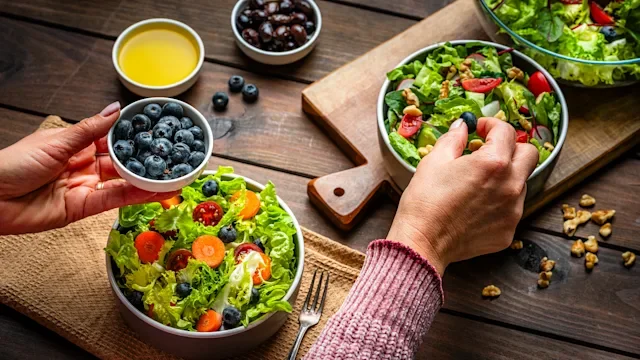
Berries are endlessly versatile. Add them to yogurt, oatmeal, and smoothies. You can even use them in savory dishes like salad.
2. Cherries
Cherries are also high in anthocyanins. Research suggests that eating cherries may lower levels of C-reactive protein (CRP). CRP is a marker used to measure inflammation in your body. High levels may be due to infection, injury, or chronic stress.
Cherries may also help with muscle recovery after exercise. Intense workouts cause short-term inflammation in your muscles, which can lead to soreness. Compounds in tart cherries may help lower this inflammation by reducing the release of certain inflammatory substances. This could help you feel less sore and recover faster.
You can mix fresh or dried cherries into grain bowls. You can also try drinking tart cherry juice, which may have added benefits for sleep.
3. Pomegranates
Pomegranates get a lot of their antioxidant power from plant compounds called punicalagins. Pomegranates are also packed with vitamin C and fiber, nutrients that support a healthy gut and help keep your immune system strong.
Sprinkle pomegranate seeds (arils) on yogurt or oatmeal, or blend them into smoothies.
4. Kiwi
Kiwifruit may be small, but it’s loaded with anti-inflammatory nutrients.
It’s rich in vitamin C, a powerful antioxidant. A serving provides about 70% of your daily value (DV). Kiwi also contains carotenoids, plant pigments that protect cells, reduce inflammation, and support healthy vision. Plus, its fiber and enzymes support a healthy gut.
Try adding sliced kiwi to a fruit salad, or dice it and use it in salsa.
5. Grapes
Grapes (especially red and purple ones) are high in resveratrol, an antioxidant that’s been widely studied for its ability to calm inflammation. Grapes also provide vitamin C and other antioxidants that support immune health. Resveratrol may also help improve blood flow, which is good for your heart.
Try mixing grapes into chicken or tuna salad. You can also freeze them for a refreshing, popsicle-like treat.
6. Citrus fruits
Oranges and other citrus fruits, like grapefruits, lemons, and limes, are full of vitamin C. They’re also rich in flavonoids, another type of antioxidant that helps fight inflammation.
Try adding orange slices to salads, squeezing lemon into your water, or using fresh lime juice to make a salad dressing.
7. Pineapple
Pineapple contains bromelain, enzymes that help break down proteins and may have anti-inflammatory effects. Research suggests bromelain may impact inflammatory pathways and support immune function. But the research is still in the early stages.
Because of this potential link, bromelain supplements are sometimes used during recovery after injury or surgery. Fresh pineapple has less bromelain than supplements, but it can still be a valuable part of an anti-inflammatory diet — especially since it also provides nutrients like vitamin C.
Add pineapple chunks to cottage cheese, or throw some slices on the grill for a sweet, juicy treat.
8. Apples
Apples are a good source of quercetin, a flavonoid that helps support your immune system and reduce inflammation. Apples also contain pectin, a type of fiber that acts as a prebiotic. This means it feeds the beneficial bacteria in your gut. When pectin reaches your large intestine, it’s fermented into compounds that support overall health, including helping to keep inflammation under control.
For the most benefit, eat apples with the skin on. That’s where most of the antioxidants are.
9. Watermelon
Watermelon is mostly water (91%), which makes it a very hydrating food. It’s also rich in lycopene, an antioxidant that gives red and pink fruits their color. Lycopene helps limit cell damage that can trigger inflammation. Watermelon also provides immune-boosting vitamins C and A.
Try blending watermelon with lime juice and natural sweetener to make sorbet. You can also toss it with mint and feta cheese for a refreshing salad.
10. Avocado
Avocados (yes, they’re a fruit!) are different from most other fruits. They’re low in carbohydrates but high in healthy fats that can help reduce inflammation. Avocados also contain antioxidants like vitamin E, and fiber that supports gut health. Unlike most fruits, avocados contain some protein — about 3 g per cup. This makes them one of the highest-protein fruits you can eat.
Guacamole is always a tasty choice. You can add it to a sandwich, salad, or blend it into a smoothie to make it creamy.
Foods that cause inflammation
While some fruits can help lower inflammation, other foods may increase it — especially if you eat them often.
Foods that can contribute to inflammation include:
Refined grains (like white bread and pastries)
Sugary drinks
Processed meats (such as bacon and sausage)
Foods high in added sugars
Trans fats and heavily processed oils
You don’t need to avoid these foods completely. Eating them occasionally won’t cause chronic inflammation — especially if you eat a balanced diet and stay active. But limiting these foods can help support your long-term health.
Why managing inflammation is important
Short-term inflammation is your body’s natural way of healing. But when inflammation lasts too long, it can start to harm your tissues and organs instead of helping them.
Chronic inflammation is linked to conditions like:
Heart disease
Type 2 diabetes
Arthritis
Alzheimer’s disease
Certain types of cancer
The good news is that you have real control over it. Your diet, exercise, sleep, and stress management all play a major role.
Frequently asked questions
No drink "kills" inflammation, but drinks high in antioxidants may help manage it. Try options like unsweetened green tea, tart cherry juice, or tomato juice.
Chronic inflammation doesn’t always cause noticeable symptoms. But over time, it can contribute to long-term conditions like heart disease, diabetes, and autoimmune conditions. Keeping inflammation under control helps reduce your risk.
No drink "kills" inflammation, but drinks high in antioxidants may help manage it. Try options like unsweetened green tea, tart cherry juice, or tomato juice.
Chronic inflammation doesn’t always cause noticeable symptoms. But over time, it can contribute to long-term conditions like heart disease, diabetes, and autoimmune conditions. Keeping inflammation under control helps reduce your risk.
The bottom line
Chronic inflammation can increase your risk for health conditions ranging from heart disease to certain cancers and diabetes. But adding fruits to your plate is a great way to get antioxidants and fiber that can help. Some of the best fruits for inflammation are avocados, apples, and grapes.

Why trust our experts?




References
Aggarwal, D., et al. (2025). Anti-inflammatory potential of quercetin: From chemistry and mechanistic insight to nanoformulations. Current Research in Pharmacology and Drug Discovery.
Darshan, K., et al. (2006). Consumption of bing sweet cherries lowers circulating concentrations of inflammation markers in healthy men and women. The Journal of Nutrition.
Dregan, A., et al. (2014). Chronic inflammatory disorders and risk of type 2 diabetes mellitus, coronary heart disease, and stroke: A population-based cohort study. Circulation.
Faisal, Z., et al. (2024). Exploring the multimodal health-promoting properties of resveratrol: A comprehensive review. Food Science & Nutrition.
Gimblet, C. J., et al. (2024). Effect of resveratrol on endothelial function in patients with CKD and diabetes: A randomized controlled trial. Clinical Journal of the American Society of Nephrology.
Kowalczyk, T., et al. (2024). Anti-inflammatory and anticancer effects of anthocyanins in in vitro and in vivo studies. Antioxidants.
Maleki, S. J., et al. (2019). Anti-inflammatory effects of flavonoids. Food Chemistry.
Maqsood, M., et al. (2025). Pomegranate punicalagin: A comprehensive review of various In vitro and in vivo biological studies. ACS Food Science & Technology.
MyFoodData. (n.d.). Kiwifruit.
Ravaut, G., et al. (2020). Monounsaturated fatty acids in obesity-related inflammation. International Journal of Molecular Sciences.
Reddy V. P. (2023). Oxidative stress in health and disease. Biomedicines.
Richardson, D. P., et al. (2018). The Nutritional and Health Attributes of Kiwifruit: A Review. European Journal of Nutrition.
Sethia, Y., et al. (2025). Bromelain in obesity therapy: A review of anti-inflammatory and metabolic mechanisms. International Journal of Molecular Sciences.
Zhang, Q., et al. (2025). The role and potential mechanism of pectin and pectin oligosaccharides in treating intestinal inflammation by regulating gut microbiota. Probiotics and Antimicrobial Proteins.