Key takeaways:
Most of the time, drinking water is enough to help you stay hydrated. Its lack of sugar and other additives makes it one of your best options for every day hydration.
When you’re more dehydrated than normal, having drinks with electrolytes may be a better choice.
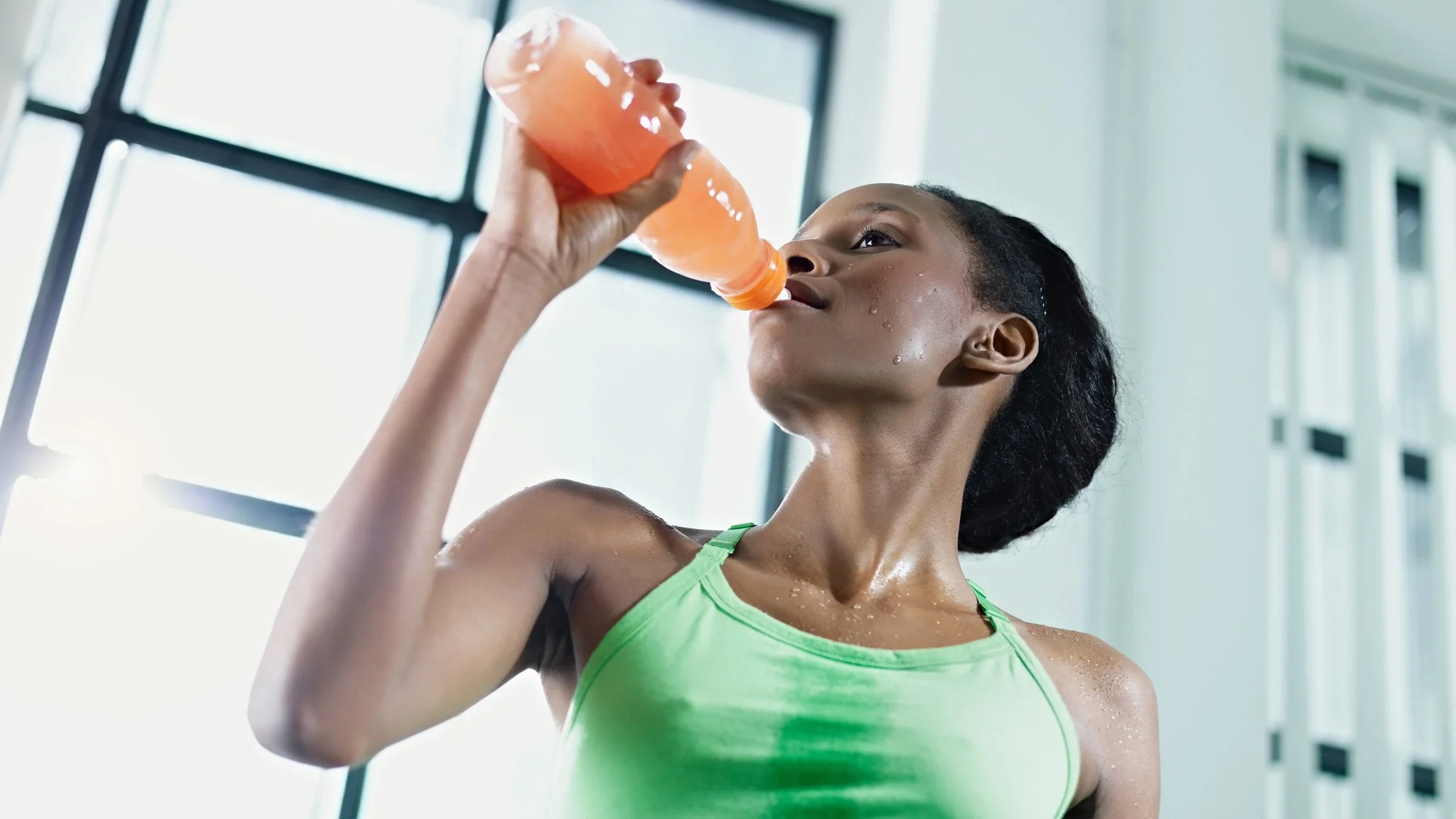
If you do a lot of intense exercise, consider a post-workout beverage that contains some carbohydrates, sodium, and other electrolytes to replace the water you lose through sweat.
When you’re thirsty after a workout or sweating under the hot sun, what’s the best thing to drink to stay hydrated? You’ve probably heard that water is your best option. But when your body is losing fluids faster than normal, it may not be. In fact, other beverages may be a better choice to help you stay hydrated.
What are the best hydrating drinks?
The Dietary Guidelines for Americans recommend hydrating with water and other beverages without added sugar. Some top options include:
Milk: Milk packs key vitamins and minerals, such as calcium, potassium, and vitamin D.
Tea: You have lots of options when it comes to tea. Green tea and yerba maté both contain antioxidants and can benefit your health in different ways. And some herbal teas can help with digestion.
Coffee: Coffee contains caffeine and antioxidants. And it provides many health benefits — from supporting liver and heart health to blood-sugar management.
Yogurt-based drinks: Yogurt contains a wide range of important nutrients, including calcium, magnesium, phosphorus, and potassium. It’s also high in protein. Kefir is a drinkable yogurt option that’s full of healthy probiotic bacteria, which are good for your gut.
Juices without added sugar: Fruit juices and vegetable juices — like beet juice, tomato juice, and cranberry juice — are hydrating and packed with nutrients. Try to avoid juices from concentrate, which can be higher in sugar and lower in nutrients.
Smoothies: Smoothies can be a convenient way to stay hydrated while getting a range of vitamins and minerals. You can add protein to your smoothie for an extra boost.
Coconut water: Coconut water is refreshing and packed with potassium. Potassium is a key electrolyte that can help you rehydrate.
Broth: You can find vegetable, chicken, and beef broth in most stores. Warm broth can soothe a sore throat. And, thanks to its electrolytes, it can also help you stay hydrated if you have diarrhea or other fluid losses.
Sparkling water and infused water: Sparkling water and infused waters made with fruits and herbs are great ways to experiment with different flavors. If you don’t enjoy drinking plain water, this may help you drink more and stay hydrated.
Certain electrolyte drinks or sports drinks: These drinks contain sodium, potassium, and other electrolytes that you may lose from intense exercise, diarrhea, or vomiting. (More on this below.)
You may be surprised to see caffeinated beverages — like coffee and tea — on the list above. Many people think that caffeinated drinks cause dehydration. But consuming these beverages in moderation can actually help you hydrate. It’s still best for most adults to limit intake to about 400 mg of caffeine per day. That’s about 2 to 4 cups of coffee a day, depending on the type and size you have.
How are electrolyte drinks, like Gatorade, different from water?
Electrolyte drinks contain water, and they also include:
Sodium
Carbohydrates (such as sugar)
Other electrolytes (such as potassium, chloride, and magnesium)
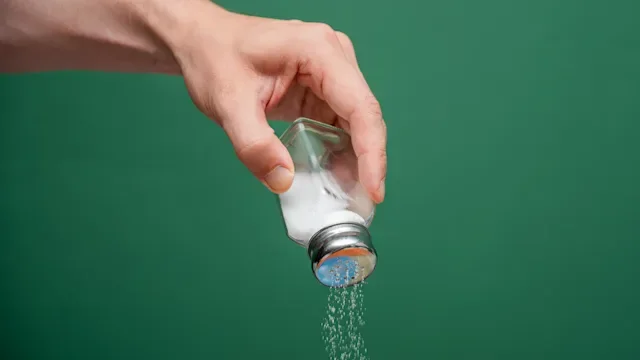
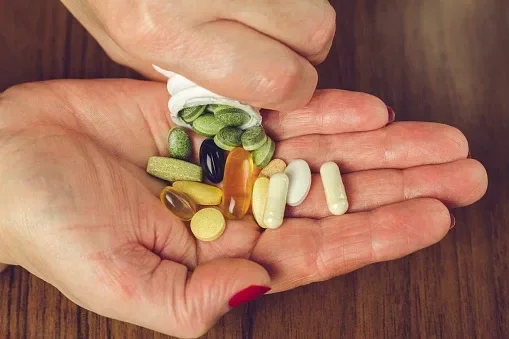
Electrolyte drinks help to replenish electrolytes and carbohydrates that your body uses up during exercise. Sodium, in particular, is important to replenish. This is the main electrolyte lost through sweat during an intense workout.
In addition to bottled sports drinks, there are powders, drops, and tablets that you can mix into water to make your own electrolyte drinks.
Is coconut water considered an electrolyte beverage?
Coconut water is a natural source of electrolytes. Like sports drinks, it can help replace electrolytes lost through sweating or illness, such as vomiting or diarrhea. It's especially high in potassium — often higher than many sports drinks.
But coconut water is lower in sodium than most sports drinks. Because of that, it’s not the best option during strenuous exercise when you’re sweating heavily and losing a lot of sodium. In those situations, a sports drink will usually do a better job of replenishing what your body needs.
When should you choose an electrolyte drink instead of water?
Most people can rehydrate with water alone. But there are certain times it may make more sense to choose an electrolyte drink instead, like if you:
Do a long or intense workout: Electrolyte drinks can help after vigorous exercise. But keep in mind that electrolyte drinks are only recommended after excessive sweating.
Have diarrhea or you’re vomiting: You lose water and electrolytes when you vomit or have diarrhea. Electrolyte drinks can help you replenish nutrients and fluids.
Are an older adult: Electrolyte drinks can be helpful for older adults who are at higher risk of dehydration when they get sick.

Read more like this
Explore these related articles, suggested for readers like you.




Can you make your own electrolyte drinks?
Yes, you can make your own electrolyte drinks at home. The University of Arizona’s Campus Health Service teamed up with dietitians to create a few electrolyte drink recipes.
The basic formula includes these ingredients:
¼ tsp to 1 tsp of iodized salt
1 ½ cups of boiling water
2 ½ cups of juice made from 100% fruit (no sugar added)
¼ cup of lemon juice
To make an electrolyte drink at home, follow these steps:
Add the boiling water and salt to a large pitcher. (Use stainless steel or another material that’s safe for high temperatures.)
Let the salt dissolve.
Add the juice.
Chill the drink in the fridge.
Drink.
Why is hydration important?
At least 60% of the human body is water. And drinking enough water is important for many basic functions, including:
Regulating body temperature
Digesting food
Transporting nutrients
Flushing waste
Lubricating joints
What are some signs of dehydration?
Dehydration occurs when you lose more fluids than you take in. If your body doesn’t have enough fluids, you may notice symptoms such as:
Thirst
Less frequent urination
Dry mouth
Headache
Tiredness
Dry skin
Can you be too hydrated?
Although it’s rare, you can get overhydrated (too hydrated) if you have too much water in your body. People who are at higher risk of overhydration include:
Athletes who drink a lot of water — without electrolytes — during prolonged periods of sweating
People with conditions that prevent their kidneys from passing urine properly
People who have an underlying health condition that causes them to drink large amounts of water
Frequently asked questions
Yes, potassium is an electrolyte, since it's a mineral that carries an electric charge when dissolved in body fluids. Potassium is one of the major electrolytes, along with sodium, chloride, calcium, magnesium, and bicarbonate.
Cow’s milk naturally provides fluids, carbohydrates (sugar), and electrolytes, like calcium and potassium. For these reasons, researchers have studied its effectiveness as a post-exercise recovery drink. In one study, both skim and whole milk were more effective than plain water at maintaining hydration. So, choosing milk can be a great way to rehydrate quickly.
Oral rehydration solutions contain specific amounts of water, electrolytes, and sugar. They can help prevent dehydration and treat mild-to-moderate dehydration in children and adults.
Pedialyte is a common option you can find in the store. But you can also make your own oral rehydration solution at home. Children can safely drink oral rehydration solutions, as long as you use clean water, follow an approved recipe, and store the drink properly.
When you’re not feeling well, you may not have much appetite. But it’s important to stay hydrated and get some nutrition. Oral rehydration solutions, like Pedialyte or Oralyte, are good options. They contain the right balance of salt and sugar to help your body absorb fluids effectively. Broth is another smart choice. It’s soothing and easy on the stomach, and it provides salt.
You can also drink clear juices without pulp, but dilute them with water. Full-strength juice can be high in sugar, which may make stomach upset worse.
Yes, it’s possible to consume too many electrolytes. And an electrolyte imbalance can be dangerous. Remember, most of the time, drinking water alone is enough to stay hydrated. Most people get plenty of electrolytes from different sources in their diet. So, electrolyte drinks usually aren’t necessary.
Yes, potassium is an electrolyte, since it's a mineral that carries an electric charge when dissolved in body fluids. Potassium is one of the major electrolytes, along with sodium, chloride, calcium, magnesium, and bicarbonate.
Cow’s milk naturally provides fluids, carbohydrates (sugar), and electrolytes, like calcium and potassium. For these reasons, researchers have studied its effectiveness as a post-exercise recovery drink. In one study, both skim and whole milk were more effective than plain water at maintaining hydration. So, choosing milk can be a great way to rehydrate quickly.
Oral rehydration solutions contain specific amounts of water, electrolytes, and sugar. They can help prevent dehydration and treat mild-to-moderate dehydration in children and adults.
Pedialyte is a common option you can find in the store. But you can also make your own oral rehydration solution at home. Children can safely drink oral rehydration solutions, as long as you use clean water, follow an approved recipe, and store the drink properly.
When you’re not feeling well, you may not have much appetite. But it’s important to stay hydrated and get some nutrition. Oral rehydration solutions, like Pedialyte or Oralyte, are good options. They contain the right balance of salt and sugar to help your body absorb fluids effectively. Broth is another smart choice. It’s soothing and easy on the stomach, and it provides salt.
You can also drink clear juices without pulp, but dilute them with water. Full-strength juice can be high in sugar, which may make stomach upset worse.
Yes, it’s possible to consume too many electrolytes. And an electrolyte imbalance can be dangerous. Remember, most of the time, drinking water alone is enough to stay hydrated. Most people get plenty of electrolytes from different sources in their diet. So, electrolyte drinks usually aren’t necessary.
The bottom line
Water is your best bet for everyday hydration, since it’s free of sugar and other additives. But other beverages — like juice, milk, and even coffee — can help when you’re more dehydrated.
If you’re exercising for a long period or working out in the heat, or if you tend to sweat a lot during physical activity, consider rehydrating with an electrolyte drink after workouts. This will help replace the sugar, sodium, and other electrolytes that you use up during workouts.

Why trust our experts?




References
Campus Health Service. (2014). Make your own sport drink and energy bar. University of Arizona.
Dartmouth Health. (n.d.). Oral rehydration solution recipes.
Evans, G. H., et al. (2017). Optimizing the restoration and maintenance of fluid balance after exercise-induced dehydration. Journal of Applied Physiology.
James, L. J., et al. (2018). Cow's milk as a post-exercise recovery drink: Implications for performance and health. European Journal of Sport Science.
Maughan, R. J., et al. (2015). A randomized trial to assess the potential of different beverages to affect hydration status: Development of a beverage hydration index. The American Journal of Clinical Nutrition.
Merschel, M. (2024). Electrolytes can give the body a charge, but try not to overdo it. American Heart Association News.
Orrù, S., et al. (2018). Role of functional beverages on sport performance and recovery. Nutrients.
The American College of Sports Medicine. (2007). Exercise and fluid replacement. Medicine & Science in Sports & Exercise.
U.S. Department of Agriculture. (2020). Dietary Guidelines for Americans, 2020-2025.
U.S. Food and Drug Administration. (2024). Spilling the beans: How much caffeine is too much?
Water Science School. (2019). The water in you: Water and the human body. U.S. Geological Survey.