Key takeaways:
Wegovy can increase the risk of gallstones and gallbladder inflammation. These side effects are uncommon.
Wegovy slows gallbladder emptying and causes rapid weight loss. Both of these make gallstones more likely to form.
Get medical care right away if you develop symptoms of gallbladder problems while taking Wegovy like intense stomach pain, fever, nausea, or yellowing of the skin or eyes.
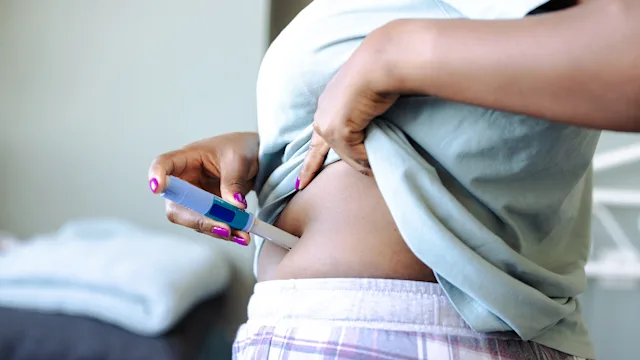
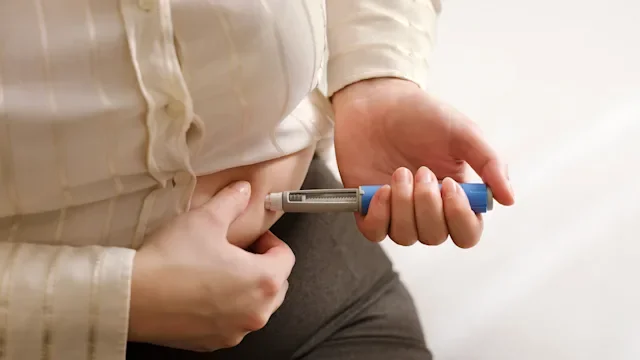
Wegovy (semaglutide) is a GLP-1 agonist that can help treat several medical conditions. But like all medications, it can cause side effects. One area getting more attention is the link between Wegovy and gallbladder problems.
In this article, we’ll review how Wegovy affects the gallbladder, the warning signs of gallbladder problems, and whether it’s safe to take Wegovy if you already have a gallbladder condition.
Is there a link between Wegovy and gallbladder issues?
Yes, both injectable and oral Wegovy are linked to a higher risk of gallstones (cholelithiasis) and gallbladder inflammation (cholecystitis).
In clinical trials, people taking injectable Wegovy were about twice as likely to develop gallstones as people taking placebo. They were also three times more likely to develop gallbladder inflammation.
But the overall rates were still very low. Only 1.6% of people taking injectable Wegovy developed gallstones, and less than 1% developed gallbladder inflammation.
The risk of developing gallstones were slightly higher with the Wegovy pill. In clinical trials, about 2.5% of people taking oral semaglutide developed gallstones.
Follow-up studies have found similar links between Wegovy, gallstones, and gallbladder inflammation. These studies also suggest that higher doses of semaglutide are more likely to trigger gallbladder issues.
At this time, there’s no evidence that Wegovy increases the risk of other conditions connected to the gallbladder, like:
Cholangitis (infection of the bile ducts)
Cholestasis (reduced bile flow)
Why does Wegovy affect the gallbladder?
Researchers think Wegovy affects the gallbladder in several different ways.
Wegovy can slow gallbladder emptying
The gallbladder squeezes out bile after you eat. This process is controlled by gut hormones, particularly a hormone called cholecystokinin (CCK).
Wegovy lowers the amount of CCK that gets released after you eat. It may also affect other gut hormones involved in gallbladder relaxation and refilling.
As a result, the gallbladder may not empty as effectively after meals. When bile sits in the gallbladder longer, it becomes easier for gallstones to form.
Rapid weight loss can increase gallstone risk
People who lose weight rapidly are more likely to develop gallstones. Wegovy can lead to significant weight loss. And this likely contributes to the increased gallbladder risk seen in studies.
Researchers have noticed that gallbladder problems are more common during the first several months of treatment, which is often when weight loss happens most rapidly.
These two processes often happen at the same time. These changes create an environment where gallstones are more likely to form.
What are the signs of gallbladder issues from Wegovy?
It can be hard to know if you’ve developed gallstones while taking Wegovy. That’s because many people who develop gallbladder stones never develop any symptoms or complications from them.
Gallstones that get stuck in the ducts that connect the gallbladder to the intestine can cause symptoms.
Gallstones that get stuck temporarily cause symptoms, such as:
Right-sided abdominal pain
Abdominal pain right beneath the rib cage
Pain between the shoulder blades
Pain that moves from the right side of the stomach to the right shoulder
Nausea
Vomiting
These symptoms go away when gallstones move. But symptoms can come back if another gallstone gets stuck.
Gallstones that get stuck and don’t move are more serious. They can lead to inflammation in the gallbladder (cholecystitis) or gallbladder ducts (cholangitis). They can also trigger inflammation in your pancreas (pancreatitis).
These are serious medical conditions that need urgent treatment. You should get immediate medical care if you develop:
Fever
Intense stomach pain that isn’t going away
Severe nausea and vomiting
Intense shoulder or back pain that isn’t going away
Yellowing of the whites of your eyes
Can you take Wegovy if you have a gallbladder condition?
Many people with gallbladder conditions can safely take Wegovy. Gallbladder disease isn’t listed in Wegovy’s prescribing information as a reason to avoid the medication. Let’s take a closer look at specific situations.
If you currently have gallstones
People who already have gallstones may be at higher risk for developing new or worsening gallbladder problems while taking Wegovy. This doesn’t mean you can’t take the medication, but it does mean you should pay close attention to any new symptoms.
Let your healthcare team know right away if you develop:
New or worsening abdominal pain
Fever
Nausea or vomiting
Yellowing of the skin or eyes
You may need imaging or other tests to make sure your gallstones aren’t causing complications.
If you’ve had your gallbladder removed
You can still take Wegovy if you’ve had your gallbladder removed. The risk of gallstones and gallbladder inflammation is lower after surgery, since you no longer have a gallbladder.
But, even when you don’t have a gallbladder, you can develop stones in the bile ducts (choledocholithiasis). So it’s important to contact your healthcare team if you develop symptoms, such as:
Intense upper abdominal pain
Nausea and vomiting that doesn’t go away
Fever
Yellowing of the skin or eyes
Dark urine
These symptoms can be signs of a stone that’s causing bile duct blockage or infection. These conditions need immediate treatment.
If you have another gallbladder or bile duct condition
You may still be able to take Wegovy if you have a different gallbladder condition like:
Gallbladder or bile duct cancer
Choledocholithiasis (bile duct stones)
Cholecystitis (gallbladder inflammation)
Biliary dyskinesia
Gallbladder polyps
Porcelain gallbladder
Your healthcare team can help weigh the potential risks and benefits based on your situation and overall health.
How to keep your gallbladder healthy while taking Wegovy
There’s no guaranteed way to prevent gallbladder problems while taking Wegovy. But these steps may help lower your risk:
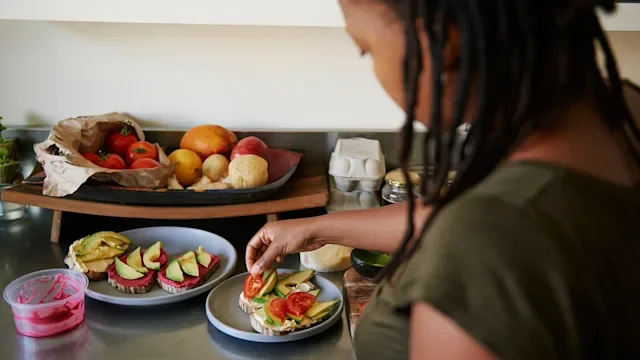
Include healthy fats in your meals: Fat helps trigger the gallbladder to empty bile when you eat. This keeps bile from sitting in the gallbladder for too long, where it can form into stones. Healthy fat sources you can add to meals include olive oil, avocado, nuts, seeds, and fatty fish.
Eat enough fiber: Higher fiber intake is linked to a lower risk of gallstones. Fruits, vegetables, beans, and whole grains are great sources of fiber to add to your meals.
Limit refined sugars: Diets high in refined sugars are linked to a higher risk of gallstones. Choosing more balanced meals may help support gallbladder health.
Avoid losing weight too quickly: Rapid weight loss (more than 3 lbs per week) may increase the risk of gallstones. Your healthcare team may recommend slowing down dose increases if you’re losing weight very fast.
Talk with your healthcare team about ursodiol: Ursodiol may help prevent gallstones during rapid weight loss, especially in people who already have gallstones. Talk with your healthcare team about whether this option is right for you.
Frequently asked questions
Wegovy can increase your risk of developing gallstones and gallbladder inflammation. Some people with these conditions need their gallbladder removed.
Contact your healthcare team right away if you develop gallbladder pain, nausea, or vomiting while taking Wegovy. Get immediate care if you have intense pain, fever, or yellowing of the skin or eyes. Your healthcare team can help decide whether you should stop Wegovy and how to do so safely. Don’t stop the medication on your own without medical guidance.
Yes, GLP-1 medications as a whole can affect your gallbladder. Studies show that GLP-1 medications in general can increase the risk of developing gallstones and gallbladder inflammation. Right now, it’s not clear if some GLP-1s are more likely to cause gallbladder issues than others.
Wegovy can increase your risk of developing gallstones and gallbladder inflammation. Some people with these conditions need their gallbladder removed.
Contact your healthcare team right away if you develop gallbladder pain, nausea, or vomiting while taking Wegovy. Get immediate care if you have intense pain, fever, or yellowing of the skin or eyes. Your healthcare team can help decide whether you should stop Wegovy and how to do so safely. Don’t stop the medication on your own without medical guidance.
Yes, GLP-1 medications as a whole can affect your gallbladder. Studies show that GLP-1 medications in general can increase the risk of developing gallstones and gallbladder inflammation. Right now, it’s not clear if some GLP-1s are more likely to cause gallbladder issues than others.
The bottom line
Wegovy (semaglutide) can raise the risk of gallbladder problems, like gallstones and gallbladder inflammation (cholecystitis). But most people taking Wegovy don’t develop these conditions. Get medical care if you develop symptoms of gallbladder disease like intense stomach pain, fever, nausea, or vomiting. You may be able to safely take Wegovy if you already have a gallbladder condition. Your healthcare team can help you decide whether Wegovy is the right fit for you.

Why trust our experts?



References
Apovian, C. M., et al. (2024). Clinical management of obesity – Third edition. The Obesity Society.
Aroda, V. R., et al. (2023). Safety and tolerability of semaglutide across the SUSTAIN and PIONEER phase IIIa clinical trial programmes. Diabetes, Obesity and Metabolism.
Bansal, M., et al. (2026). Semaglutide therapy for metabolic dysfunction–associated steatohepatitis: November 2025 updates to AASLD Practice Guidance. Hepatology.
Chiang, C. H., et al. (2025). Glucagon-like peptide-1 receptor agonists and gastrointestinal adverse events: A systematic review and meta-analysis. Gastroenterology.
Di Ciaula A., et al. (2019). The role of diet in the pathogenesis of cholesterol gallstones. Current Medicinal Chemistry.
Gebhard, R. L., et al. (1996). The role of gallbladder emptying in gallstone formation during diet-induced rapid weight loss. Hepatology.
He, L., et al. (2022). Association of glucagon-like peptide-1 receptor agonist use with risk of gallbladder and biliary diseases: A systematic review and meta-analysis of randomized clinical trials. JAMA Internal Medicine.
Li, H., et al. (2025). Association between dietary fiber intake and gallstones among American adults: a cross-sectional study. Journal of Health, Population and Nutrition.
McGowan, B. M., et al. (2024). Efficacy and safety of once-weekly semaglutide 2·4 mg versus placebo in people with obesity and prediabetes (STEP 10): a randomised, double-blind, placebo-controlled, multicentre phase 3 trial. The Lancet Diabetes & Endocrinology.
Marzioni, M., et al. (2007). Glucagon-like peptide-1 and its receptor agonist exendin-4 modulate cholangiocyte adaptive response to cholestasis. Gastroenterology.
Novo Nordisk. (2026). Wegovy- semaglutide injection, solution/Wegovy- semaglutide tablet [package insert].
Patel, H., et al. (2024). Gallstone disease: Common questions and answers. American Family Physician.
Rehfeld, J. F., et al. (2018). Cholecystokinin secretion is suppressed by glucagon-like peptide-1: clue to the mechanism of the adverse gallbladder events of GLP-1-derived drugs. Scandinavian Journal of Gastroenterology.
Stokes, C. S., et al. (2014). Ursodeoxycholic acid and diets higher in fat prevent gallbladder stones during weight loss: a meta-analysis of randomized controlled trials. Clinical Gastroenterology and Hepatology.
Weinsier, R. L., et al. (1995). Medically safe rate of weight loss for the treatment of obesity: a guideline based on risk of gallstone formation. The American Journal of Medicine.
Wilding, J. P. H., et al. (2021). Once-weekly semaglutide in adults with overweight or obesity. The New England Journal of Medicine.