





Functional Alcoholism: What Does It Mean to Be a ‘Functioning Alcoholic’?
A “functioning alcoholic” may maintain work and personal responsibilities while still struggling with alcohol use disorder. Learn the signs of functional alcoholism.
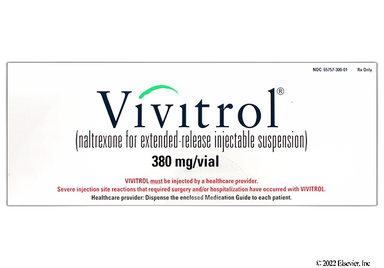
Vivitrol is an extended-release naltrexone injection. It's an opioid antagonist that's used to treat opioid use disorder and alcohol use disorder in adults. Vivitrol is prescribed as part of a holistic treatment plan that also includes therapy and support groups. This medication is given as a deep gluteal injection into the muscle on the buttock, typically once a month by a healthcare professional. Some common side effects of Vivitrol include pain or tenderness at the injection site, nausea, and headache. Vivitrol is brand name only and not available as a generic medication.

Drinking alcohol or taking opioids triggers opioid receptors in the brain. When this happens, the body releases dopamine, a chemical that makes you feel good. Taking these substances repeatedly to feel relaxation or pleasure can cause the body to become dependent on them.
Vivitrol is an opioid antagonist that blocks the body's opioid receptors. In doing so, Vivitrol blocks the feel-good effects of alcohol or opioids. This can help lower cravings for alcohol or opioids.
| Common Brands | Vivitrol |
|---|---|
| Drug Class | Opioid antagonist |
| Controlled Substance Classification | Not a controlled medication |
| Generic Status | No lower-cost generic available |
| Availability | Prescription only |

The following side effects may get better over time as your body gets used to the medication. Let your healthcare provider know immediately if you continue to experience these symptoms or if they worsen over time.
Alcohol use disorder
Opioid use disorder
Alcohol use disorder
Opioid use disorder
Contact your healthcare provider immediately if you experience any of the following.
Along with its needed effects, a medicine may cause some unwanted effects. Although not all of these side effects may occur, if they do occur they may need medical attention.
Check with your doctor or nurse immediately if any of the following side effects occur:
More common
Bleeding, blistering, burning, coldness, discoloration of the skin, feeling of pressure, hives, infection, inflammation, itching, lumps, numbness, pain, rash, redness, scarring, soreness, stinging, swelling, tenderness, tingling, ulceration, or warmth at the injection site
body aches or pain
chills
congestion
discouragement
dryness or soreness of the throat
ear congestion
fear
feeling sad or empty
headache
hoarseness
irritability
lack of appetite
loss of interest or pleasure
loss of voice
nervousness
rash
runny or stuffy nose
tender, swollen glands in the neck
trouble breathing
trouble concentrating
trouble sleeping
trouble swallowing
unusual tiredness or weakness
voice changes
Incidence not known
Arm, back, or jaw pain
black, tarry stools
bladder pain
bloody or cloudy urine
bloody stools
blurred vision
chest pain, discomfort, tightness, or heaviness
chills
confusion
cough producing mucus
decreased urination
difficult, burning, or painful urination
dilated neck veins
dizziness or lightheadedness
fainting
false or unusual sense of well-being
fast, irregular, pounding, or racing heartbeat or pulse
frequent urge to urinate
general feeling of discomfort or illness
hallucinations or seeing, hearing, or feeling things that are not there
headache, severe and throbbing
holding false beliefs that cannot be changed by fact
hyperventilation
increase in heart rate
increase in white blood cells
indigestion
irregular or rapid breathing
irritability
itching, pain, redness, swelling, tenderness, or warmth on the skin
joint or muscle pain
lower back or side pain
nervousness
numbness or tingling of the face, hands, or feet
pain or discomfort in the arms, jaw, back, or neck
pain, redness, or swelling in the arm or leg
pounding in the ears
redness and soreness of the eyes
restlessness
seizures
shaking
shivering
skin rash
slow or fast heartbeat
sores in the mouth
stomach cramps or pain
sunken eyes
sweating
swelling of the face, fingers, feet, or lower legs
swollen, painful, or tender lymph glands in the neck, armpit, or groin
thirst
tooth or gum pain
unusual excitement, nervousness, or restlessness
vomiting
vomiting of blood or material that looks like coffee grounds
watery or bloody diarrhea
wrinkled skin
Get emergency help immediately if any of the following symptoms of overdose occur:
Symptoms of overdose
Sleepiness or unusual drowsiness
Some side effects may occur that usually do not need medical attention. These side effects may go away during treatment as your body adjusts to the medicine. Also, your health care professional may be able to tell you about ways to prevent or reduce some of these side effects. Check with your health care professional if any of the following side effects continue or are bothersome or if you have any questions about them:
More common
Difficulty with moving
muscle stiffness
swelling or redness in the joints
Incidence not known
Bleeding after defecation
bloated or full feeling
change in taste
decreased interest in sexual intercourse
drowsiness
excess air or gas in the stomach or intestines
feeling of warmth
feeling unusually cold
inability to have or keep an erection
increased sweating
loss in sexual ability, desire, drive, or performance
loss of taste
night sweats
passing gas
redness of the face, neck, arms, and occasionally, upper chest
relaxed and calm
sleepiness
sudden sweating
uncomfortable swelling around anus
unusual drowsiness, dullness, tiredness, weakness, or feeling of sluggishness
Other side effects not listed may also occur in some patients. If you notice any other effects, check with your healthcare professional.
Call your doctor for medical advice about side effects. You may report side effects to the FDA at 1-800-FDA-1088.




Vivitrol can cause some serious health issues. This risk may be even higher for certain groups. If this worries you, talk to your doctor or pharmacist about other options.
When you stop taking opioid medications as part of treatment for opioid use disorder, your body can become more sensitive to opioids. For example, this can happen after you finish Vivitrol treatment or when the effects of Vivitrol wear off. If you take opioids again, you can experience life-threatening side effects, even at doses that your body tolerated before. Because of this risk, your healthcare team will likely prescribe naloxone to help reverse an opioid overdose in an emergency.
If you have or develop a condition where your healthcare team is considering treating you with opioid medications, let them know that you've received Vivitrol treatment in the past. They might need to prescribe non-opioid alternatives. But if your care team determines an opioid medication is needed (e.g., in a surgery), there needs to be trained staff on hand to monitor your vitals and give appropriate treatment in case you experience life-threatening side effects.
Tell your caregivers and loved ones about this risk of opioid overdose. Use naloxone and call 911 right away if you experience symptoms of an opioid overdose, such as extremely slowed breathing, extreme sleepiness, slow heartbeat, and cold or clammy skin.
If you've been taking opioid medications, taking Vivitrol can cause serious withdrawal symptoms, including nausea and vomiting, sweating, and agitation.
To lower the risk of opioid withdrawal, your healthcare team will work with you to safely stop all opioid medications for at least 7-10 days before starting Vivitrol. If needed, they might ask you to start Vivitrol in a hospital setting so that a care team can monitor and treat you for any severe withdrawal symptoms. If you experience withdrawal symptoms at home, go to the hospital right away to get appropriate treatment.
If you're taking Vivitrol for alcohol use disorder, it's important that you let your healthcare team know if you've taken any opioid medications before starting Vivitrol.
Some people have reported liver problems after starting Vivitrol. It's likely that these liver problems were related to other health conditions, rather than to the use of Vivitrol. But there's a chance that sudden withdrawal from opioids can worsen existing liver problems.
Make sure to discuss your entire medical history with your healthcare team before starting this medication. They might want to monitor your liver labs more closely through blood draws if you have a history of liver problems. Call a healthcare professional right away if you notice any symptoms of liver damage. These symptoms can include tiredness, dark urine, upset stomach, stomach pain, or yellowing of the skin or whites of the eyes.
Some people have reported feeling depressed or having thoughts of suicide or self-harm while being treated for alcohol or opioid use disorder. Let your healthcare team know right away if you or a loved one notices a change in your mood while you're receiving Vivitrol treatment. Get medical attention right away if you experience severe depression or have any thoughts of hurting yourself.
Vivitrol should only be given by a trained healthcare professional (HCP) in an office or clinic setting. This medication commonly causes injection site reactions such as pain, tenderness, swelling, bruising, or itching. In rare cases, it can cause more severe reactions that might lead to serious tissue damage. Let your prescriber know if you experience blisters, an open wound, a large area of swelling, or intense pain, as these might be signs of a severe injection site reaction.
Some people have reported severe allergic reactions after using Vivitrol. These included symptoms such as hives, facial swelling, and anaphylaxis. Very rarely, people have also reported allergic pneumonia while receiving Vivitrol treatment. This condition led to symptoms such as wheezing or shortness of breath. Get medical help right away if you notice hives, rash, swelling of the lips or tongue, or trouble breathing after you use Vivitrol.

 Carton
| Dosage | Quantity | Price as low as | Price per unit |
|---|---|---|---|
| 1 vial of 380mg/vial | 1 carton | $0.00 | $0.00 |

Although certain medicines should not be used together at all, in other cases two different medicines may be used together even if an interaction might occur. In these cases, your doctor may want to change the dose, or other precautions may be necessary. When you are receiving this medicine, it is especially important that your healthcare professional know if you are taking any of the medicines listed below. The following interactions have been selected on the basis of their potential significance and are not necessarily all-inclusive.
Using this medicine with any of the following medicines is not recommended. Your doctor may decide not to treat you with this medication or change some of the other medicines you take.
Using this medicine with any of the following medicines is usually not recommended, but may be required in some cases. If both medicines are prescribed together, your doctor may change the dose or how often you use one or both of the medicines.
Using this medicine with any of the following medicines may cause an increased risk of certain side effects, but using both drugs may be the best treatment for you. If both medicines are prescribed together, your doctor may change the dose or how often you use one or both of the medicines.


Contraindications are specific health conditions or situations in which a person should not take a medication due to safety concerns. If you have any of the following conditions or if any of the following apply to you, let your healthcare provider know because Vivitrol will not be safe for you to take.












Prescription savings
Stop paying too much for your prescriptions. Compare prices, get pharmacy coupons, and save up to 80%. Find expert answers to your health questions so you can make the best decisions for yourself and your family.
Health conditions
Medications & treatment
Access & affordability
 Our monthly healthcare membership can help you save thousands on your prescription costs.
Resources

The effects of Vivitrol last about a month. Vivitrol is an extended-release injection that's typically given once a month by a healthcare professional.
According to the American Psychiatric Association, Vivitrol is one of the first-choice medications for treating moderate-to-severe alcohol use disorder. A 6-month study showed that people who received Vivitrol along with therapy had 25% fewer heavy drinking days compared with people who received placebo and therapy. If you want to know more about Vivitrol and alcohol use disorder, talk with your healthcare team.
Vivitrol is one of the options for opioid use disorder in people who've already safely completed the detox process. A 6-month study found that 36% of people who received Vivitrol along with therapy were able to stay opioid-free during this time, compared to 23% of people who received placebo and therapy. While Vivitrol is an option for opioid use disorder, a guideline from the American Society of Addiction Medicine suggests that it should be reserved for people who have the help and support to make it to their monthly injection appointments. Talk with you healthcare team if you've more questions about Vivitrol and opioid use disorder.
There isn't a recommended length of treatment for Vivitrol in either opioid use disorder or alcohol use disorder. Your healthcare team will discuss how long you should use Vivitrol based on a few different factors, such as whether it's helping to lower your cravings and whether you experience any serious side effects. Talk with your care team if you have more questions about how long you should be receiving Vivitrol.
No, you should avoid drinking alcohol while taking Vivitrol. This medication can help lower your cravings for alcohol, but it won't protect you from the harms of alcohol. Drinking alcohol while receiving Vivitrol can still lead to slurred speech and risk of injuries from poor balance. And doing so long-term can raise the risk for serious health conditions, such as depression and liver problems. If you have a relapse with alcohol after starting Vivitrol treatment, let your healthcare team know so they can talk with you about next-steps and help you find the support you need to avoid alcohol.
No, Vivitrol isn't a controlled substance because it doesn't have a risk of addiction or dependence. Vivitrol is an opioid antagonist that blocks the feel-good effects of opioids and alcohol.
Though rare, few people have reported weight gain and weight loss after taking Vivitrol in clinical studies. But it's unclear whether the changes in body weight are caused by Vivitrol or other factors. If you've noticed weight gain after starting this medication, talk with your healthcare team.
Vivitrol is an extended-release naltrexone injection that's given once a month. Vivitrol is different from naltrexone (ReVia) tablet, which is taken by mouth once daily. Vivitrol injection might be a better option for people who have trouble remembering to take tablets by mouth everyday.
