Key takeaways:
Victoza (liraglutide) is an injectable glucagon-like peptide-1 (GLP-1) receptor agonist medication. It’s FDA approved to treat Type 2 diabetes. It can also lower the risk of serious heart-related health problems for adults with both heart disease and Type 2 diabetes.
Even though Victoza isn’t FDA approved for weight loss, research shows it can help people lose weight. A higher-dose liraglutide product, Saxenda, is FDA approved for weight loss for certain groups of people.
Wegovy (semaglutide), Zepbound (tirzepatide), and Foundayo (orforglipron) are other GLP-1 medications that are approved for weight management specifically.
Save on related medications
Weight loss can feel like a personal struggle, especially when diet and exercise adjustments don’t seem to make a difference. So if you’re considered overweight or obese, medications may be another option to support your weight-loss plan.
Victoza (liraglutide) is an injectable medication that can cause weight loss, but it’s not FDA approved for this purpose. It’s a prescription medication approved to treat Type 2 diabetes.
Here, we’ll review how Victoza plays a role in weight loss.
Is Victoza FDA approved for weight loss?
No, Victoza isn’t approved for weight loss. It’s FDA approved to lower blood glucose (blood sugar) for people ages 10 and older living with Type 2 diabetes. It’s also approved to lower the risk of heart-related problems (like heart attack and stroke) among adults with diabetes and heart disease.
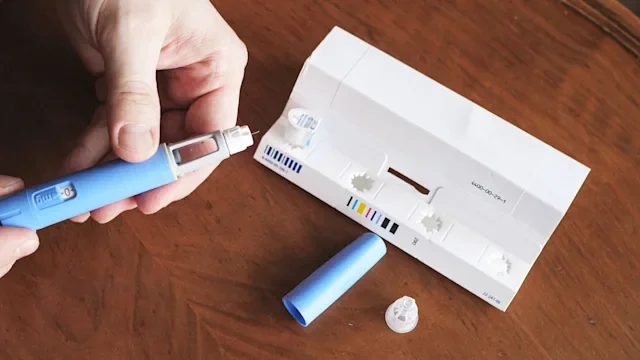
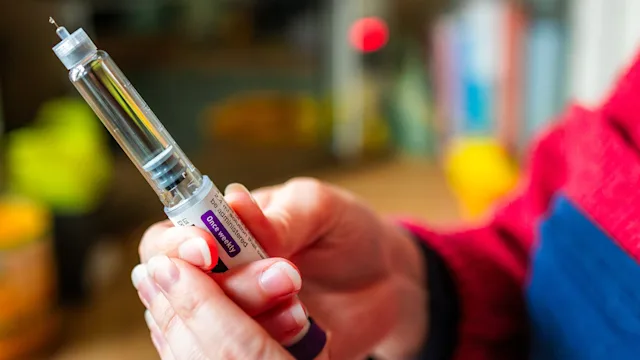
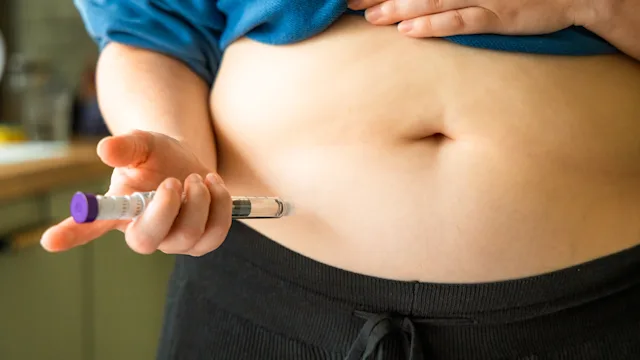
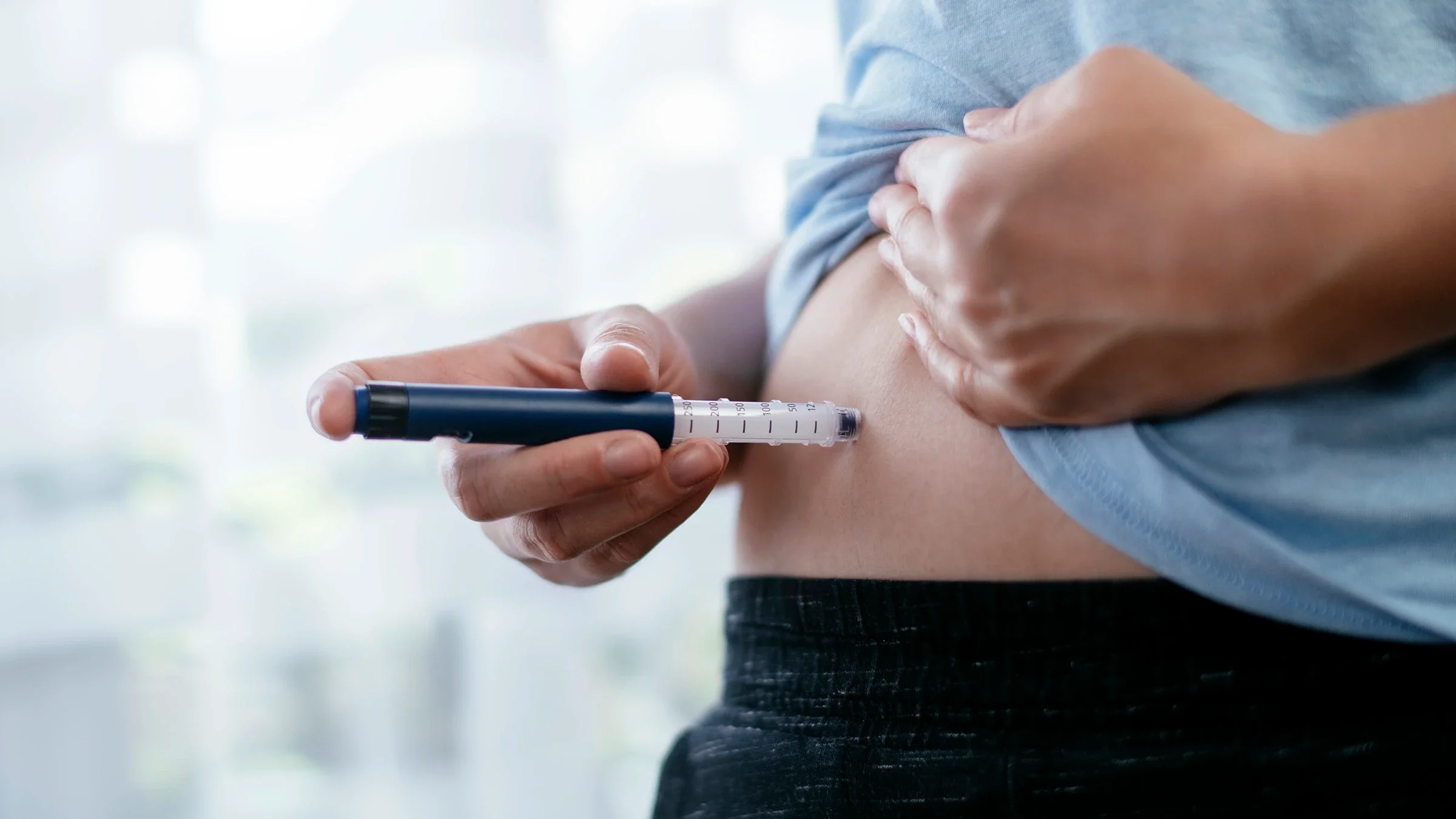
Victoza is administered once a day. It comes as a prefilled, multi-dose injection pen and is injected subcutaneously (underneath the skin). Each multi-dose pen contains 18 mg of liraglutide.
By comparison, a different higher-dose liraglutide product under the brand-name Saxenda is FDA approved to help certain groups of people lose weight. These groups include:
Adults who are considered overweight with at least one weight-related health condition, such as high blood pressure, high cholesterol, or Type 2 diabetes
Adults and kids, ages 12 and older, who are considered obese and weigh over 60 kg (132 lbs)
Both medications are meant to be used in combination with a nutritious diet and routine exercise.
Good to know: Brand-name Victoza is experiencing shortages due to manufacturing delays. But generic versions of Victoza are available.
How does Victoza work for weight loss and diabetes?
Victoza is a glucagon-like peptide-1 (GLP-1) receptor agonist. It works by mimicking the effects of GLP-1, a type of incretin hormone.
For weight loss, Victoza works by slowing how quickly food leaves your stomach. It also helps you feel full longer, reduces your appetite, and reduces cravings.
For diabetes, Victoza helps manage blood sugar in a couple of ways. It signals your pancreas to release insulin when blood sugar is high. It also lowers levels of glucagon, a hormone that tells your liver to make sugar. This teamwork helps keep your blood sugar in check.
How effective is Victoza for weight loss?
Research suggests that Victoza may also help people living with Type 2 diabetes lose weight. This can be helpful, since losing weight may improve blood sugar and lower the risk of complications, such as heart problems. But Victoza can also help people who don’t have diabetes lose weight. Let’s take a look.
Victoza for weight loss in people who have diabetes
One study of over 700 people with Type 2 diabetes found that two different doses of Victoza led to weight loss. People using Victoza 1.8 mg daily for about 1 year lost an average of 5.5 lbs (2.5 kg); those receiving Victoza 1.2 mg daily over the same time frame lost an average of 4.6 lbs (2.1 kg).
Another study compared liraglutide 3 mg and liraglutide 1.8 mg to placebo (an injection with no medication). The researchers found that both doses helped people with Type 2 diabetes lose more body weight than placebo. The study lasted 56 weeks (over 1 year). However, liraglutide 3 mg caused more weight loss than liraglutide 1.8 mg. People receiving liraglutide 3 mg lost an average of 14 lbs (6.4 kg). Participants in the liraglutide 1.8 mg group lost an average of 11 lbs (5 kg).
Victoza for weight loss in people who don’t have diabetes
Most studies of liraglutide in people without diabetes focus on the 3 mg Saxenda dosage. Victoza, on the other hand, has a lower maximum recommended dosage of 1.8 mg per day. Here are some of the key findings:
One review of 11 studies examined liraglutide 3 mg in over 1,300 people for weight loss. People lost an average of 10 lbs (4.6 kg).
In a study of over 3,700 people, liraglutide 3 mg contributed to an average weight loss of 18.5 lbs (8.4 kg). This was much higher than the 6.2 lbs (2.8 kg) lost with placebo.
Another study compared once-weekly Wegovy (semaglutide) 2.4 mg injections to once-daily liraglutide 3 mg. Almost 340 people were included in the study. After 68 weeks, people taking Wegovy lost an average of about 16% of their initial body weight. With liraglutide, weight loss was closer to 6%.
What are the side effects of Victoza?
As with any medication, Victoza can cause side effects to be aware of. These side effects typically improve over time as your body gets used to the medication.
Common Victoza side effects include:
Diarrhea
Constipation
Headache
Lowered appetite
Indigestion
Injection site reactions, such as redness and swelling
Victoza could also lead to more serious side effects that require immediate medical attention. One example is the hypothetical risk of thyroid C-cell tumors. While these types of tumors have only been seen in animal studies, you should still avoid Victoza and Saxenda if you have a personal or family history of certain thyroid cancers. Victoza and Saxenda have a boxed warning for this risk — the FDA’s strictest warning for a medication.
Other rare but serious risks include:
Hypoglycemia (low blood sugar), especially if combined with insulin or a sulfonylurea
Pancreatitis (inflammation of the pancreas)
Gallbladder problems, including gallstones and inflammation)
Kidney problems
Serious allergic reactions, including anaphylaxis
If you experience any symptoms that are serious or life-threatening, call 911 or go to the nearest ER right away.
Does Victoza replace weight-loss medications?
Not typically, no. That’s because other GLP-1 medications that are FDA approved for weight loss typically work better.
Check out the table below that describes the different GLP-1 weight-loss options.
Medication | Dosage form | Frequency |
|---|---|---|
Saxenda | Once daily | |
Wegovy | Oral tablet and injection | Oral tablet: Once daily Injections: Once-weekly |
Zepbound (tirzepatide) | Injection | Once-weekly |
Foundayo (orforglipron) | Oral tablets | Once daily |
A healthcare professional can help you decide which weight-loss medication is right for you. And keep in mind that you shouldn’t take more than one GLP-1 medication at a time, no matter if it’s used for Type 2 diabetes or weight loss.
Frequently asked questions
No, Victoza isn’t a type of insulin. Rather, it’s a medication that mimics a hormone in the body called GLP-1. One of Victoza’s actions is to stimulate the pancreas to produce more insulin after you eat. Insulin is a hormone that helps manage your blood sugar. But you can use Victoza along with insulin to manage diabetes.
While there aren’t any strict rules for foods to avoid with Victoza, it’s a good idea to limit certain ones to reduce the risk of side effects. If you’re experiencing any stomach-related side effects, it’s best to skip fatty, spicy, or fried foods. Cutting down on processed meats, foods with added sugars, and snacks high in salt can help manage diabetes. And while alcohol doesn’t directly interact with Victoza, it’s best to limit your drinks. Alcohol can upset the stomach, affect blood sugar, and contribute to weight gain.
Victoza is an injection given underneath the skin. But there are other diabetes medications that can be taken orally. Metformin is a popular first-choice oral medication. Like Victoza, some of these diabetes pills may help people lose weight. But others may lead to weight gain.
No, Victoza isn’t a type of insulin. Rather, it’s a medication that mimics a hormone in the body called GLP-1. One of Victoza’s actions is to stimulate the pancreas to produce more insulin after you eat. Insulin is a hormone that helps manage your blood sugar. But you can use Victoza along with insulin to manage diabetes.
While there aren’t any strict rules for foods to avoid with Victoza, it’s a good idea to limit certain ones to reduce the risk of side effects. If you’re experiencing any stomach-related side effects, it’s best to skip fatty, spicy, or fried foods. Cutting down on processed meats, foods with added sugars, and snacks high in salt can help manage diabetes. And while alcohol doesn’t directly interact with Victoza, it’s best to limit your drinks. Alcohol can upset the stomach, affect blood sugar, and contribute to weight gain.
Victoza is an injection given underneath the skin. But there are other diabetes medications that can be taken orally. Metformin is a popular first-choice oral medication. Like Victoza, some of these diabetes pills may help people lose weight. But others may lead to weight gain.
The bottom line
Victoza (liraglutide) is a glucagon-like peptide-1 (GLP-1) receptor agonist. It’s an injectable medication that’s FDA approved to treat Type 2 diabetes. Clinical studies show that Victoza can help people with and without diabetes lose weight. But it’s not officially approved for weight loss.
If you’re looking for a GLP-1 medication for weight loss, you have several options. Saxenda contains liraglutide — the same active ingredient as Victoza — and it’s FDA approved for weight loss. Other similar options include Wegovy (semaglutide), Zepbound (tirzepatide), and Foundayo (orforglipron). A healthcare professional can help you decide which medication is the best fit for you.

Why trust our experts?




References
American Society of Health-System Pharmacists (2026). Liraglutide injection.
Castro, N. I. Q., et al. (2025). Efficacy of liraglutide for weight loss in overweight and obese non-diabetic adults: A Systematic review and meta-analysis of randomized controlled trials. Cureus.
Cipla USA. (2026). Liraglutide injection [package insert].
Collins, L., et al. (2024). Glucagon-like peptide-1 receptor agonists. StatPearls.
Davies, M. J., et al. (2015). Efficacy of liraglutide for weight loss among patients with type 2 diabetes: The SCALE diabetes randomized clinical trial. JAMA.
Pi-Sunyer, X., et al. (2015). A randomized, controlled trial of 3.0 mg of liraglutide in weight management. The New England Journal of Medicine.
Rubino, D. M., et al. (2022). The effect of weekly subcutaneous semaglutide vs daily liraglutide on body weight in adults with overweight or obesity without diabetes: The Step 8 randomized clinical trial. JAMA.