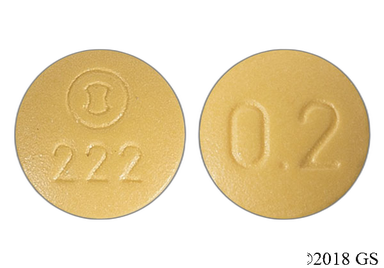
Symproic
Symproic (naldemedine) is a prescription opioid antagonist. More specifically, it's a peripherally acting mu-opioid receptor antagonist (PAMORA) that targets opioid receptors in the gut. It's a first-choice treatment option for opioid-induced constipation in adults. It comes as a tablet that's taken by mouth once per day with or without food. Side effects include stomach pain, diarrhea, and nausea. Symproic (naldemedine) is brand name only and not available as a generic.


What is Symproic (naldemedine)?
What is Symproic (naldemedine) used for?
- Constipation from opioid pain medications in adults with long-term pain not due to cancer
How Symproic (naldemedine) works
People who take opioid medications for pain commonly experience constipation as a side effect. This is because opioid receptors are found in the brain and the gut. Opioid medications ease pain by affecting the receptors in the brain, but they cause constipation when they affect the receptors in the gut.
Symproic (naldemedine) is a peripherally acting mu-opioid receptor antagonist (PAMORA). This means that it blocks opioid receptors in the gut only, but not in the brain. As a result, Symproic (naldemedine) relieves constipation from opioid medications, without affecting their pain-relieving actions.
Drug facts
| Common Brands | Symproic |
|---|---|
| Drug Class | Opioid antagonist |
| Controlled Substance Classification | Not a controlled medication |
| Generic Status | No lower-cost generic available |
| Availability | Prescription only |

Side effects of Symproic (naldemedine)
The following side effects may get better over time as your body gets used to the medication. Let your healthcare provider know immediately if you continue to experience these symptoms or if they worsen over time.
Common Side Effects
- Stomach pain (11%)
- Diarrhea (7%)
- Nausea (6%)
Less Common Side Effects
- Vomiting
- Gut inflammation
Symproic (naldemedine) serious side effects
Contact your healthcare provider immediately if you experience any of the following.
- Stomach tear: severe, persistent, or worsening stomach pain
- Opioid withdrawal: mood changes, anxiety, irritability, restlessness, stomach cramps, sweating, chills
- Serious allergic reaction: rash, swelling in the face or throat, trouble breathing
The following Symproic (naldemedine) side effects have also been reported
Side effects that you should report to your care team as soon as possible:
- Allergic reactions—skin rash, itching, hives, swelling of the face, lips, tongue, or throat
- Stomach pain that is severe, does not go away, or gets worse
Side effects that usually do not require medical attention (report these to your care team if they continue or are bothersome):

Get your GoodRx coupon

Pros and cons of Symproic (naldemedine)
Pros
- Good option if over-the-counter stool softeners or laxatives don't work well
- Taken by mouth once a day
- Most people have bowel movement within 24 hours
Cons
- Tablet only; might be hard to take for people who have trouble swallowing
- Only for adults
- Raises your risk for opioid withdrawal

Pharmacist tips for Symproic (naldemedine)

- You can take Symproic (naldemedine) with or without food. If it's hurting your stomach, try taking it with food to help.
- Your healthcare will ask you to stop taking Symproic (naldemedine) once you no longer need to take opioid pain medications. Opioid-related constipation will go away on its own when you stop taking opioids.
- Your prescriber might recommend taking Symproic (naldemedine) alone for a few days to see how you respond to the medication. If you're still constipated, ask your prescriber if you should use other laxatives with Symproic (naldemedine).
- Seek medical help if you experience severe, continuous stomach pain. This can be a sign of a serious stomach tear that Symproic (naldemedine) can rarely cause. You'll need to be seen and treated urgently.
- Symproic (naldemedine) can sometimes cause diarrhea. Make sure to stay hydrated if you have diarrhea while you're taking this medication. Seek medical help if you feel dizzy, lightheaded, or if your symptoms don't get better after a few days.
- Make sure to tell your care team about all of the prescription and over-the-counter medication you take. Symproic (naldemedine) interacts with many medications, and these interactions can be harmful.

Risks and warnings for Symproic (naldemedine)
Symproic (naldemedine) can cause some serious health issues. This risk may be even higher for certain groups. If this worries you, talk to your doctor or pharmacist about other options.
Gastrointestinal (stomach or intestinal) injury
- Risk factors: Gastrointestinal cancer | Recent gastrointestinal surgery | Gastrointestinal inflammation such as Crohn's disease, diverticulitis, or colitis
In some rare cases, people who've taken Symproic (naldemedine) reported having stomach or gut problems, including inflammation or a tear in the wall of the gut. This can be dangerous and require hospitalization. Before you start Symproic (naldemedine), let your prescriber know if you have a history of bowel or gut-related problems. Notify your healthcare team right away if you have severe stomach pain, stomach pain that doesn't go away, worsening stomach pain, chills, or fever.
Opioid withdrawal
- Risk factors: Brain injury | Stroke
Although rare, some people who took Symproic (naldemedine) experienced withdrawal symptoms, such as sweating, chills, diarrhea, stomach pain, anxiety, and irritability. In some rare cases, you might also get less pain relief from your opioid medication. People who have medical conditions that affects the blood–brain barrier (BBB), such as stroke or brain injury, are at higher risk for these side effects. Talk to your prescriber if you experience any withdrawal symptoms or if your pain medication isn't working as well anymore.

Symproic (naldemedine) dosage
 Tablet
| Dosage | Quantity | Price as low as | Price per unit |
|---|---|---|---|
| 0.2mg | 30 tablets | $470.03 | $15.67 |
Typical dosage for Symproic (naldemedine)
Adults: The typical dose is 0.2 mg by mouth once a day.

How much does Symproic (naldemedine) cost?
$470.03

Symproic (naldemedine) contraindications
Contraindications are specific health conditions or situations in which a person should not take a medication due to safety concerns. If you have any of the following conditions or if any of the following apply to you, let your healthcare provider know because Symproic (naldemedine) will not be safe for you to take.
- Known or suspected blockage in the gut

What are alternatives to Symproic (naldemedine)?

Symproic (naldemedine) images