Shingrix
Shingrix is a shingles vaccine. It's an inactive, recombinant vaccine given to prevent shingles (herpes zoster) in adults ages 50 years and older. Shingrix can also be given to younger adults who have a weakened immune system. This vaccine is injected into the muscle in two doses, typically scheduled 2 to 6 months apart. Common side effects of Shingrix include pain and swelling at the injection site, muscle pain, and headache. Shingrix is the only shingles vaccine in the United States; it replaces the discontinued Zostavax.


What is Shingrix?
What is Shingrix used for?
- Prevention of shingles
How Shingrix works
Shingrix is an inactive, recombinant vaccine that protects you from the varicella-zoster virus (VZV), which is the virus that causes shingles. Shingrix is made using a protein from the VZV. The protein triggers your immune system to make antibodies against the virus. These antibodies will attack the VZV if it ever reactivates inside your body.
Drug facts



Side effects of Shingrix
The following side effects may get better over time as your body gets used to the medication. Let your healthcare provider know immediately if you continue to experience these symptoms or if they worsen over time.
Common Side Effects
- Pain at injection site (up to 88%)
- Fatigue (up to 57%)
- Muscle pain (up to 57%)
- Headache (up to 51%)
- Redness at injection site (up to 39%)
- Shivering (up to 36%)
- Swelling at injection site (up to 31%)
- Fever (up to 28%)
Less Common Side Effects
- Nausea
- Vomiting
- Diarrhea
- Stomach pain
Note: Side effects appear to be more common in younger adults than in older adults.
Shingrix serious side effects
Contact your healthcare provider immediately if you experience any of the following.
- Serious allergic reactions: hives, rash, itching, dizziness, fever, shaking, nausea, flushing, low blood pressure, shortness of breath, chest pain
More on Shingrix side effects

The following Shingrix side effects have also been reported
Side effects that you should report to your care team as soon as possible:
- Allergic reactions—skin rash, itching, hives, swelling of the face, lips, tongue, or throat
Side effects that usually do not require medical attention (report these to your care team if they continue or are bothersome):
- Chills
- Fatigue
- Feeling faint or lightheaded
- Fever
- Headache
- Muscle pain
- Pain, redness, or irritation at injection site

Get your GoodRx coupon

Pros and cons of Shingrix
Pros
- Up to 97% effective at preventing shingles
- Up to 91% effective at preventing long-term nerve pain in people who got shingles despite getting vaccinated
- Protection against varicella-zoster virus can last for up to 10 years
- Typically easy to find at most pharmacies and clinics
Cons
- Must be given as an injection into the muscle
- Need to get 2 doses
- Can only be given by a healthcare provider
- Unknown if safe while pregnant or breastfeeding

Pharmacist tips for Shingrix

- Read the Vaccine Information Statement for more information on Shingrix.
- Don't get Shingrix if you're sick, especially if you have a fever. Wait until you recover first. But if you're sick with only mild symptoms, such as the beginning of a cold, you can still get Shingrix. Ask your primary care provider if you're not sure whether or not you need to wait to get the vaccine.
- It's recommended to get Shingrix even if you've already had shingles because it can prevent you from getting it again in the future.
- After your first dose of Shingrix, make sure to schedule your second dose. For this vaccine to work well, you need two doses, typically given 2 to 6 months apart.
- It's common to experience side effects, such as sore arm, tiredness, headache, or fever, right after you get Shingrix. These side effects typically last 2 to 3 days. But let your provider know if they last longer than that.
- If you get a severe reaction to Shingrix, you or your healthcare provider can report it to the Vaccine Adverse Event Reporting System (VAERS) by visiting their website or by calling 1-800-822-7967.
- Let your healthcare provider know if you think you might be due for other vaccines. They can double check whether or not you're able to get them on the same day as Shingrix.


How to save using GoodRx


Common questions about Shingrix

Risks and warnings for Shingrix
Shingrix can cause some serious health issues. This risk may be even higher for certain groups. If this worries you, talk to your doctor or pharmacist about other options.
Allergic reactions to the vaccine
- Risk factors: Past allergic reaction to vaccines
As with any vaccine, there's a rare chance that you might have a severe allergic reaction to Shingrix. Your provider might ask you to stay at the pharmacy or clinic for a short period of time after you've received your vaccine to make sure you can get proper care if a serious allergic reaction happens. Sometimes, these reactions can happen after you've already left the clinic. Get medical help right away if you notice symptoms of a severe allergic reaction, such as feeling faint, swelling of the face, closing of the throat, difficulty breathing, hives or rash, dizziness, shaking, nausea, or chest pain.
Fainting
- Risk factors: Fainting after vaccines in the past
Some people have fainted during or after getting injectable vaccines, such as Shingrix. Fainting can happen along with temporary changes in vision, burning sensation, and stiffening or twitching of your arms and legs. Let your provider know if you've fainted after getting vaccines in the past so they can monitor you.
Guillain-Barré syndrome (GBS)
- Risk factors: Older adults
Although very rare, some people have reported getting Guillain-Barré syndrome (GBS) after they've received Shingrix. The risk for this syndrome might be higher during the first month and a half after getting the vaccine. GBS is a rare condition that causes muscle weakness, tingling in the body, and paralysis. Let your provider know right away if you experience these symptoms.

Shingrix dosage
 Carton
| Dosage | Quantity | Price as low as | Price per unit |
|---|---|---|---|
| 1 vaccine of 0.5ml | 1 carton | $220.78 | $220.78 |
Typical dosage for Shingrix
The typical dose is 0.5 mL injected into the muscle for 2 doses. The injections are given by a healthcare provider.
After the first dose, the second dose is typically given 2 to 6 months later. For people who have a weaker immune system, the second dose can be given sooner (1 to 2 months after the first dose).


How much does Shingrix cost?
$220.78

Shingrix contraindications
Contraindications are specific health conditions or situations in which a person should not take a medication due to safety concerns. If you have any of the following conditions or if any of the following apply to you, let your healthcare provider know because Shingrix will not be safe for you to take.
- Severe allergic reaction to a previous dose of Shingrix

News about Shingrix







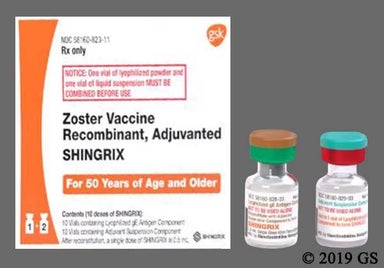
Shingrix images