Rubraca (rucaparib) is an anticancer oral medication that’s used to treat adults with ovarian cancer and prostate cancer with certain changes (mutations) in their BRCA genes. It's typically given after you've been treated with chemotherapy. Rubraca (rucaparib) is conveniently available as a pill taken twice a day, 12 hours apart. The most common side effects are nausea, fatigue, and stomach pain.
Rubraca (rucaparib) is a PARP inhibitor, which means it stops the PARP protein in the body from working. The PARP protein normally helps cells, including cancer cells, grow and survive by fixing damaged DNA. By blocking PARP from working, Rubraca (rucaparib) prevents cancer cells from repairing their DNA, which kills them.
The following side effects may get better over time as your body gets used to the medication. Let your healthcare provider know immediately if you continue to experience these symptoms or if they worsen over time.
Common Side Effects
Ovarian cancer
Nausea (79%)
Feeling very tired (74%)
Stomach pain (48%)
Rash (45%)
Anemia (41%)
Constipation (39%)
Vomiting (37%)
Diarrhea (34%)
Changes in taste (33%)
Prostate cancer
Feeling very tired (62%)
Nausea (52%)
Anemia (43%)
Less Common Side Effects
Mouth sores
Colds or sinus infections
Headache
Lowered appetite
Rubraca (rucaparib) serious side effects
Contact your healthcare provider immediately if you experience any of the following.
Bone marrow problems or new cancers: feeling very weak or tired, bruising or bleeding easily, blood in the urine or stool, fevers, unexplained weight loss, shortness of breath
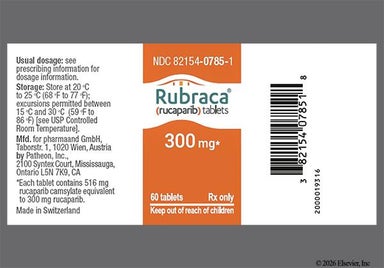
Rubraca (rucaparib) is available as 200 mg, 250 mg, and 300 mg tablets. You’ll need 2 tablets to make the usual 600 mg dose. Your provider might have you take a lower dose if you have side effects from the full dose. In that case, you might have to use another tablet strength to make your new dose.
Take Rubraca (rucaparib) twice a day, about 12 hours apart, with or without food.
If you miss a dose or vomit your Rubraca (rucaparib) dose, skip taking that dose and continue your next dose at your regularly scheduled time.
Rubraca (rucaparib) can make your skin more sensitive to sunlight. It’s a good idea to protect your skin from sunburn by keeping your skin covered and wearing sunscreen.
You’ll need to have regular blood tests done either weekly or monthly to check that your blood cell counts are healthy while you’re taking Rubraca (rucaparib).
Since Rubraca (rucaparib) can harm unborn babies. Use effective birth control while you’re taking Rubraca (rucaparib) and for 6 months after your last dose.
For men with partners who could become pregnant, use effective birth control while taking Rubraca (rucaparib) and for 3 months after your last dose.
Avoid donating sperm while on treatment and for 3 months after your last dose of Rubraca (rucaparib).
Rubraca (rucaparib) hasn’t been studied in people who are breastfeeding. Avoid breastfeeding while on treatment with this medication and for at least 2 weeks after your last dose.
Risks and warnings for Rubraca (rucaparib)
Rubraca (rucaparib) can cause some serious health issues. This risk may be even higher for certain groups. If this worries you, talk to your doctor or pharmacist about other options.
Risk for developing bone marrow problems and new cancers
Risk factors: Previous treatment with platinum-containing chemotherapy or other DNA-damaging treatments
Although rare, in clinical studies with Rubraca (rucaparib), people developed a bone marrow problem called myelodysplastic syndrome (MDS), or new cancers of the blood. People who developed these new cancers while taking Rubraca (rucaparib) had been on treatment for anywhere between less than 2 months to more than 6 years. Many of those people had previous treatment with platinum-containing chemotherapy, or other DNA-damaging treatments (like radiation), which can lead to higher risk for these problems. Your provider will have you do blood tests before starting Rubraca (rucaparib), and then once a month (or weekly) to monitor for possible second cancers. Talk to your provider if you’re concerned about your risk for other cancers.
Harm to the unborn baby
Let your provider know if you're pregnant or plan to become pregnant. Rubraca (rucaparib) is likely to harm unborn babies. If you’re able to become pregnant, your provider will have you do a pregnancy test before starting treatment. They’ll also ask you to use effective birth control while taking this medication and for at least 6 months after your last dose. For men with partners who are able to become pregnant, continue using effective birth control while taking Rubraca (rucaparib) and for at least 3 months after your last dose.
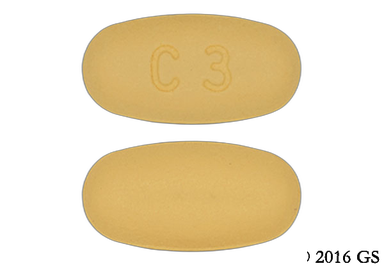
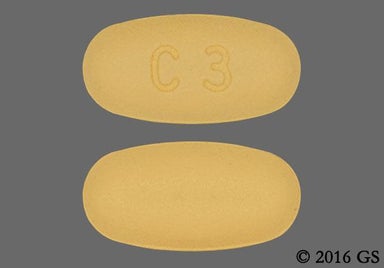
This medicine is Yellow, Oval Tablet Imprinted With "C3".Yellow Oval C3 - Rubraca 300mg TabletThis medicine is Yellow, Oval Tablet Imprinted With "C3".Yellow Oval C3 - Rubraca 300mg Tablet
GoodRx Health has strict sourcing policies and relies on primary sources such as medical organizations, governmental agencies, academic institutions, and peer-reviewed scientific journals. Learn more about how we ensure our content is accurate, thorough, and unbiased by reading our editorial guidelines.
Prescription savings
Stop paying too much for your prescriptions. Compare prices, get pharmacy coupons, and save up to 80%.
The FDA Accelerated Approval Program allows a medication to be approved faster than usual if the medication helps fill an unmet medical need or if it treats a serious condition. While Rubraca is fully approved to treat ovarian cancer, it was granted accelerated approval for prostate cancer in 2020. That means the manufacturer is still required to complete clinical studies to confirm that the treatment is beneficial in prostate cancer. Otherwise, it's possible that the medication could lose its approval status and be withdrawn from the market.
No, Rubraca is a targeted therapy. Rather than chemotherapy, which works against any rapidly growing cells in the body, Rubraca targets a specific protein called PARP that cancer cells need to work normally. By blocking PARP, the cancer cells can’t grow and divide as easily.
Rubraca works against ovarian and prostate cancers that have mutations in BRCA genes. Your provider will take a blood or tissue sample (biopsy) to test if you have BRCA mutations. If the tests show BRCA gene changes, Rubraca might be an option for you.
Talk with your provider about how long you’ll need to take Rubraca. Usually, you’ll continue taking the medication until it’s no longer working to treat your cancer. Your provider will do blood tests and scans regularly to check that your treatment is still working. If you feel signs of your cancer coming back, or you’re having trouble with side effects like fatigue or nausea, let your healthcare team know. Your provider might have to lower your dose or have you stop taking Rubraca if the side effects become too burdensome.
Both Rubraca and Lynparza (olaparib) are PARP inhibitors used to treat certain people with ovarian cancer and prostate cancer. Lynparza (olaparib) is also FDA approved to treat certain types of breast cancer and pancreatic cancer. Studies have found that both medications work about the same to treat ovarian cancer. This means they are equally good at fighting the condition. But the choice between them depends on many different things. Talk with your provider to find out which one is right for you.
Rubraca can cause harm to unborn babies. Talk with your provider if you’re pregnant or planning to become pregnant before starting this medication. For women, use effective birth control while you’re taking Rubraca and for 6 months after your last dose. For men with partners who can become pregnant, use effective birth control while taking this medication and for 3 months after your last dose.