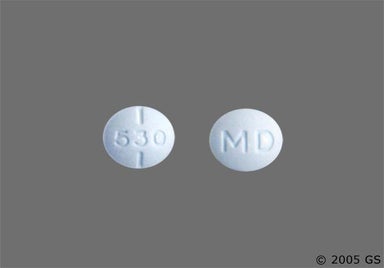
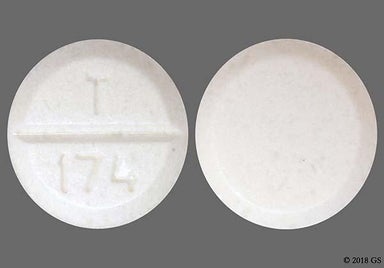
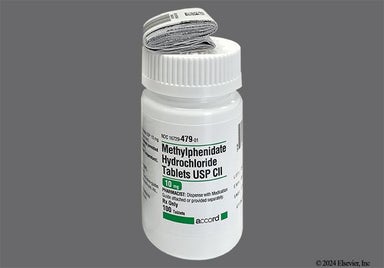
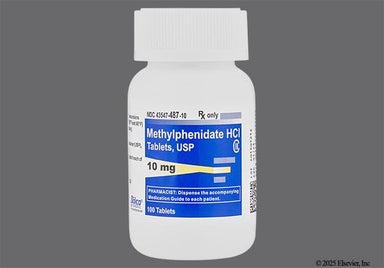
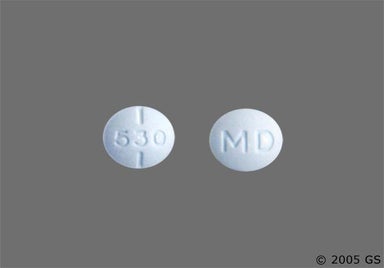
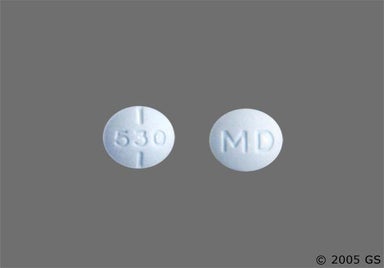
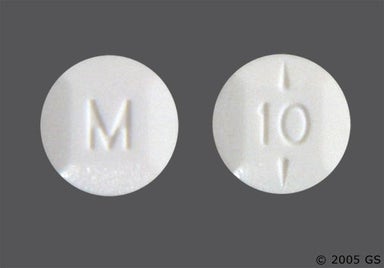
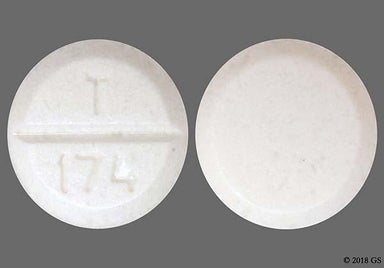
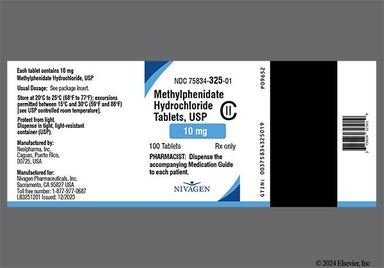
Methylphenidate hydrochloride (Ritalin) is a stimulant medication that's used for treating attention deficit-hyperactivity disorder (ADHD) and narcolepsy (daytime sleepiness) in adults and children ages 6 years and older. It works by raising the levels of certain chemicals in your brain to keep you focused and awake. The dosage is typically 2 to 3 times per day because it's an immediate-release form of methylphenidate. Side effects of this medication include low appetite, nervousness, and trouble sleeping.
Methylphenidate (Ritalin) is a controlled substance, which means that it's more likely to be misused or cause dependence. There are federal and state laws that limit the amount of medication that can be prescribed or dispensed within a certain period of time.
Methylphenidate (Ritalin) is a stimulant medication. It's not exactly known how methylphenidate (Ritalin) helps to improve attention, focus, and wakefulness. But it's thought to work by raising the levels of chemicals in your brain called norepinephrine, dopamine, and serotonin.
Methylphenidate (Ritalin) can cause some serious health issues. This risk may be even higher for certain groups. If this worries you, talk to your doctor or pharmacist about other options.
Misuse and dependence
Risk factors: History of substance or alcohol use disorder | Taking more methylphenidate (Ritalin) than prescribed | Suddenly stopping methylphenidate (Ritalin)
Methylphenidate (Ritalin) has a risk of misuse and dependence. Misuse is when a medication is used differently than how it's prescribed. Misusing methylphenidate (Ritalin) raises your risk for serious side effects such as fast heart rate, high blood pressure, aggressive behavior, and even thoughts of hurting yourself.
In addition, over time, you can become physically dependent on methylphenidate (Ritalin) to function normally. This is usually related to having withdrawal symptoms like irritability, nightmares, and sleep problems if you take the medication for a long time and then suddenly stop. Take the medication exactly as prescribed to you. Don't change the dose or how often you take it without talking to your provider first.
Serious heart problems
Risk factors: History of heart problems
There have been reports of sudden death, stroke, and heart attack in people who took methylphenidate (Ritalin) at usual doses. Methylphenidate (Ritalin) can also raise your blood pressure and heart rate. Tell your provider if you have a history of heart problems before starting methylphenidate (Ritalin) to make sure it's safe for you to take. Your provider will check for heart problems before starting treatment with this medication. Contact your provider if you experience unexplained fainting, chest pain with physical activity, or irregular heartbeat while you're taking methylphenidate (Ritalin).
Changes in behavior or thoughts
Risk factors: History of psychotic episodes, bipolar disorder, or other mental health or mood-related conditions | Depression
Taking a stimulant like methylphenidate (Ritalin) can cause mental health problems such as hallucinations (seeing things that aren't really there), abnormal or unclear thinking, and mania. This medication can worsen mood-related problems that you already have. But these changes in mood or behavior can also happen even if you haven't had these problems before. Talk to your provider right away if you have these mood- and behavior-related symptoms while you're taking methylphenidate (Ritalin) because you might have to stop taking it.
Prolonged and painful erection
Although rare, some people taking methylphenidate (Ritalin) have had prolonged and painful erections. Sometimes, this problem might require surgery to treat. This problem was typically reported after the dose was raised, but could also happen when the medication was stopped. Stop taking methylphenidate (Ritalin) and get medical attention as soon as possible if you develop a painful erection that lasts longer than 4 hours.
Blood circulation problem (Raynaud's phenomenon)
Methylphenidate (Ritalin) might be linked to poor blood circulation problems, such as Raynaud's phenomenon. People with Raynaud's phenomenon can experience episodes of poor blood flow to the fingers and toes, which can cause the skin to turn pale and to feel cold, numb, or painful. If this happens, symptoms are typically mild. But rarely, it can cause sores or ulcers in more serious cases. Let your healthcare provider know if you notice symptoms of circulation problems, such as bouts of numbness or pain in your fingers or toes. Your provider might need to lower your dose of methylphenidate (Ritalin) or ask you to consider a different medication.
Slowed growth in children
In studies, children taking stimulants like methylphenidate (Ritalin) daily throughout the year had a temporary slowing of growth. On average, the children in these studies had about 2 cm less growth in height and about 6 pounds less growth in weight over 3 years. Your child's provider will track your child's growth progress closely. If they suspect slowed growth, they might pause or stop your child's methylphenidate (Ritalin) treatment. Talk to your child's provider if you have concerns.
Serotonin syndrome
Risk factors: Taking monoamine oxidase inhibitors (MAOIs) 14 days before starting methylphenidate (Ritalin) | Taking other medications that raise serotonin levels in your brain
Serotonin syndrome is a rare, but potentially life-threatening condition that happens when there's too much serotonin in the brain. Serotonin is one of the chemicals in your brain responsible for your mood. Your risk for this condition goes up if you use methylphenidate (Ritalin) with other medications that affect serotonin levels, such as antidepressants, MAOIs (e.g., phenelzine (Nardil)), linezolid (Zyvox), and migraine medications like sumatriptan (Imitrex). Tell your provider about all the medications you take or plan to take before starting methylphenidate (Ritalin). Be aware of symptoms of serotonin syndrome, such as fast heart rate, sweating, muscle stiffness or spasms, high fever, and confusion. Get medical help right away if you have any of these symptoms.
Drug interactions
Methylphenidate (Ritalin) can interact with many medications. For example, methylphenidate (Ritalin) counteracts (works against) the effects of many blood pressure medications. This means your blood pressure medications might not work as well for you if you take them with methylphenidate (Ritalin). Additionally, avoid taking methylphenidate (Ritalin) with monoamine oxidase inhibitors (MAOIs). This combination can raise your risk of severely high blood pressure. Discuss with your healthcare provider and pharmacist about all the medications you take (including over-the-counter medications and supplements) before and during treatment with methylphenidate (Ritalin).
Caution use in people with phenylketonuria (PKU) - chewable tablets only
The methylphenidate (Ritalin) chewable tablets contain phenylalanine, a component of the artificial sweetener aspartame. If you have a genetic condition called phenylketonuria (PKU), taking the chewable tablets can be dangerous for you. Let your provider know if you have PKU so they can prescribe a different formulation of methylphenidate (Ritalin) that might be safer for you.
Side effects of Methylphenidate (Ritalin)
The following side effects may get better over time as your body gets used to the medication. Let your healthcare provider know immediately if you continue to experience these symptoms or if they worsen over time.
Common Side Effects
Side effects might differ depending on the formulation. In general:
The following Methylphenidate (Ritalin) side effects have also been reported
Along with its needed effects, a medicine may cause some unwanted effects. Although not all of these side effects may occur, if they do occur they may need medical attention.
Check with your doctor immediately if any of the following side effects occur:
Some side effects may occur that usually do not need medical attention. These side effects may go away during treatment as your body adjusts to the medicine. Also, your health care professional may be able to tell you about ways to prevent or reduce some of these side effects. Check with your health care professional if any of the following side effects continue or are bothersome or if you have any questions about them:
Shouldn't stop taking this medication suddenly without talking to your provider first because of greater risk for mood changes
Can negatively affect growth in children
Pharmacist tips for Methylphenidate (Ritalin)
Take your first dose of methylphenidate (Ritalin) as soon as you wake up to avoid having trouble sleeping later at night.
Take methylphenidate (Ritalin) exactly as prescribed. Don't change your dose or stop taking the medication without talking to your provider first. Doing so can lead to bothersome withdrawal symptoms, such as daytime sleepiness, large appetite, trouble sleeping, irritation, and depression.
You can take methylphenidate (Ritalin) with or without food. But since stimulants like methylphenidate (Ritalin) tend to lower appetite (and potentially lead to weight loss), make sure to follow a healthy and balanced diet. Let a provider know if you or your child seems to have lost their appetite or have had concerning weight changes while taking methylphenidate (Ritalin).
Avoid driving during the first few days after you start methylphenidate (Ritalin) and after dose changes until you know how this medication affects you. Methylphenidate (Ritalin) might cause dizziness. It might also cause blurry vision, which can affect how well you see.
Make sure your provider knows all the medications you're taking before starting methylphenidate (Ritalin). Don't start any new medications while taking methylphenidate (Ritalin) without talking to your provider or pharmacist first. Since there can be harmful drug interactions with methylphenidate (Ritalin), your providers can check that all your medications are safe for you to take.
Accidentally taking too much methylphenidate (Ritalin) can lead to an overdose. Symptoms of a methylphenidate (Ritalin) overdose include restlessness, quick breathing, fast heartbeat, irritability, aggression, and fever. It's important for you and your loved ones to know how to recognize an overdose so it can be treated right away. Call 911 if you think an overdose has happened.
For the oral tablet: Swallow the tablet whole. Don't crush or chew the tablet. Ask your provider about switching you to the chewable tablet or liquid if you're having trouble swallowing the tablet.
For the chewable tablet: Chew the tablet(s) well. Then, swallow with at least 8 ounces (a full glass) of water or other liquid to avoid choking. Don't swallow the chewable tablet whole.
Methylphenidate (Ritalin) liquid comes in two different strengths or concentrations. Make sure you know your dose and the concentration you have to avoid taking the wrong dose.
Only use the oral syringe that's provided to you to measure out your dose. Don't use household spoons because they aren't accurate and might cause you to take the wrong dose. Ask your provider or pharmacist if you're not sure how to measure out the correct dose.
Store the liquid at room temperature in the original bottle it came in from the pharmacy.
Methylphenidate (Ritalin) dosage
The average cost for 90 tablets of 10mg of Methylphenidate (Ritalin) is $28.74 with a free GoodRx coupon. This is 63.23% off the average retail price of $78.16.
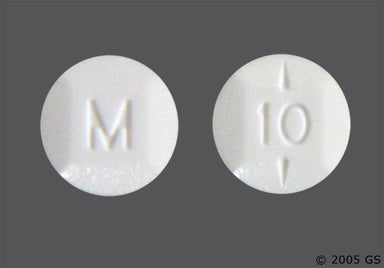
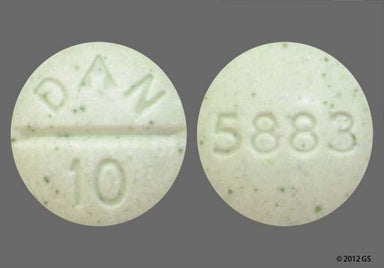
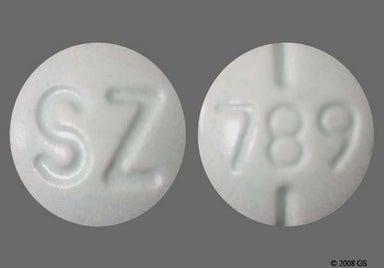
Methylphenidate (Ritalin) is available as an oral tablet and chewable tablet. Methylphenidate is also available as a liquid (Methylin brand name). The dosage is the same for all forms of immediate-release methylphenidate.
Children 6 years and older: The typical starting dose is 5 mg by mouth two times daily (before breakfast and lunch).
Adults: The typical dose is 20 mg to 30 mg by mouth per day, split into two or three smaller doses throughout the day. Each dose is taken about 30 to 45 minutes before a meal.
The maximum daily dose is 60 mg.
Your provider will adjust your dose based on how well methylphenidate (Ritalin) is working for you and whether you're having side effects.
Interactions between Methylphenidate (Ritalin) and other drugs
Methylphenidate (Ritalin) may interact with certain medications or supplements. Always let your doctor and pharmacist know about any other medications or supplements (including prescribed and over-the-counter medications, vitamins, and dietary or herbal supplements) that you are currently taking. The list below does not include all possible drug interactions with Methylphenidate (Ritalin). Please note that only the generic name of each medication is listed below.
Although certain medicines should not be used together at all, in other cases two different medicines may be used together even if an interaction might occur. In these cases, your doctor may want to change the dose, or other precautions may be necessary. When you are taking this medicine, it is especially important that your healthcare professional know if you are taking any of the medicines listed below. The following interactions have been selected on the basis of their potential significance and are not necessarily all-inclusive.
Using this medicine with any of the following medicines is not recommended. Your doctor may decide not to treat you with this medication or change some of the other medicines you take.
Using this medicine with any of the following medicines is usually not recommended, but may be required in some cases. If both medicines are prescribed together, your doctor may change the dose or how often you use one or both of the medicines.
Using this medicine with any of the following medicines may cause an increased risk of certain side effects, but using both drugs may be the best treatment for you. If both medicines are prescribed together, your doctor may change the dose or how often you use one or both of the medicines.
Contraindications are specific health conditions or situations in which a person should not take a medication due to safety concerns. If you have any of the following conditions or if any of the following apply to you, let your healthcare provider know because Methylphenidate (Ritalin) will not be safe for you to take.
Severe allergy to methylphenidate-containing products
Currently take or have taken an MAOI in the last 14 days
What are alternatives to Methylphenidate (Ritalin)?
There are a number of medications that your doctor can prescribe in place of Methylphenidate (Ritalin). Compare a few possible alternatives below.
GoodRx Health has strict sourcing policies and relies on primary sources such as medical organizations, governmental agencies, academic institutions, and peer-reviewed scientific journals. Learn more about how we ensure our content is accurate, thorough, and unbiased by reading our editorial guidelines.
Prescription savings
Stop paying too much for your prescriptions. Compare prices, get pharmacy coupons, and save up to 80%.
Plans start at $9.99/mo. (when paid yearly). Terms apply.
Common questions about Methylphenidate
Methylphenidate typically starts to work within 30 to 45 minutes after you take a dose, and you might see the maximum effect of the dose within a few hours. This time frame is based on studies that estimate when Methylphenidate reaches the highest levels in your body. In the long run though, it could take a few weeks to see overall improvement in your symptoms because it can take time to find the dose that best helps you. Keep in mind that the time it takes the medication to start working can differ for everyone.
The effects of Methylphenidate last about 1 to 4 hours. This is why you might need to take Methylphenidate multiple times throughout the day. Remember to take Methylphenidate as prescribed and speak to your provider if you have concerns about how long the medication is lasting for you. Your provider can discuss with you about adjusting your dose.
Yes, Methylphenidate is a schedule II controlled substance because it has a risk of misuse and dependence. Misuse happens when a medication is taken for non-medical reasons like for its physical or emotional effects (e.g., a "high" feeling, weight loss). Sometimes, people misuse Methylphenidate for its effects on concentration by taking it even though it's not prescribed for them. Dependence happens when you rely on a medication to function normally and have withdrawal symptoms when you suddenly stop taking it. Withdrawal symptoms can include depression, fatigue, nightmares, and a larger appetite. Misuse and dependence can sometimes lead to addiction. To help lower risks of misuse, dependence, and addiction, take Methylphenidate only as prescribed by your provider. Talk to your provider if you're concerned about these risks.
No. Methylphenidate and Adderall (dextroamphetamine / amphetamine salts) are two different stimulant medications that treat ADHD and have similar side effects and potential risks. ADHD experts might recommend these two medications for different age groups based on studies looking at how well they work and how safe they are. Adderall (dextroamphetamine / amphetamine salts) might be the preferred choice for adults, whereas Methylphenidate might be the preferred choice for children and adolescents. In addition, Adderall (dextroamphetamine / amphetamine salts) comes as a tablet, whereas Methylphenidate comes as an oral tablet, chewable tablet, and liquid. Speak with your provider about the appropriate choice for you if you need medication to treat your ADHD.
No, Methylphenidate and dexmethylphenidate (Focalin) are both stimulants that work similarly, but they're two completely different medications. While both are used for ADHD, Methylphenidate is also used for narcolepsy (daytime sleepiness). Additionally, dexmethylphenidate (Focalin) typically lasts longer than Methylphenidate. Speak with your provider about which medication best fits your needs.
Depression is a possible side effect of Methylphenidate. Your provider might screen you for mental health problems, including depression, before prescribing you Methylphenidate. In addition, suddenly stopping Methylphenidate after taking it for a while can cause depression, which is a symptom of withdrawal. Make sure to take Methylphenidate exactly as prescribed. Seek medical help right away if you or your loved ones notice changes in your mood or thoughts of hurting yourself or others.
It's best to avoid drinking alcohol while you're taking stimulants like Methylphenidate. Mixing alcohol with stimulant medications can worsen side effects like dizziness and affect your ability to think clearly. Speak with your provider if you have questions about avoiding alcohol while taking Methylphenidate. Your provider can work with you to lower how much you drink and to stop drinking.
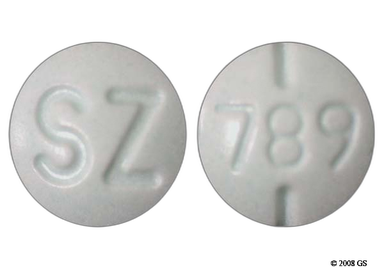




 Methylphenidate (Ritalin) has a risk of misuse and
 In addition, over time, you can become physically dependent on methylphenidate (Ritalin) to function normally. This is usually related to having withdrawal symptoms like irritability, nightmares, and sleep problems if you take the medication for a long time and then suddenly stop. Take the medication exactly as prescribed to you. Don't change the dose or how often you take it without talking to your provider first.