Risperidone (Risperdal) is an atypical antipsychotic that's used to improve mood, thoughts, and behaviors in people with schizophrenia, bipolar disorder, and autism. It's taken by mouth, typically once or twice daily. Common side effects of risperidone (Risperdal) include sleepiness, movement problems, and weight gain. Risperidone (Risperdal) can interact with some medications, such as certain antidepressants or blood pressure medications. Taking these medications together can make certain side effects worse.
Manic or mixed episodes associated with bipolar I disorder - people ages 10 years and older
Irritability associated with autism - children ages 5 to 17 years old
How Risperidone (Risperdal) works
Risperidone (Risperdal) is an atypical antipsychotic. It's not completely known how risperidone (Risperdal) works, but it's thought to work by balancing out the levels of chemicals (dopamine and serotonin) in your brain to help control your thoughts, mood, and behaviors.
The following side effects may get better over time as your body gets used to the medication. Let your healthcare provider know immediately if you continue to experience these symptoms or if they worsen over time.
Common Side Effects
Adults:
Muscle stiffness, muscle tightening, difficulty with movement (25%)
Muscle stiffness, muscle tightening, difficulty with movement (up to 12%)
Heartburn (up to 10%)
Sore throat (up to 10%)
Less Common Side Effects
Adults:
Diarrhea
Drooling
Blurry vision
Stomach discomfort
Feeling tired or having low energy
Children:
Blurry vision
Diarrhea
Feeling more hungry
Restlessness, trouble remaining still
Repetitive movements, abnormal postures
Anxiety
Rash
Please note: Side effects listed here were reported by people taking risperidone for bipolar in clinical studies. The side effects you experience might differ if you're taking risperidone for a different condition.
Risperidone (Risperdal) serious side effects
Contact your healthcare provider immediately if you experience any of the following.
Neuroleptic malignant syndrome: fever, sweating, stiff muscles, confusion, not aware of your surroundings, fast or irregular heartbeat
Stroke: numbness or weakness typically on one side of the body, loss of balance, headache, blurred vision, difficulty speaking
Dangerously high blood sugar: frequently thirsty, needing to urinate often, tiredness, nausea, vomiting, difficulty breathing, having fruity breath, having dry mouth
Serious infections: fever, headache, chills, body aches, cough, weakness
Seizures
Difficulty swallowing
When do Risperidone (Risperdal) possible side effects begin and end?
Time passed since treatment started:
HHOURS
DDAYS
WWEEKS
MMONTHS
Muscle stiffness
Restlessness
Dizziness
Sleepiness
Tremor
Risk of neuroleptic malignant syndrome
Seek immediate medical care if you experience this side effect.
If a line continues to the right, you'll likely keep experiencing this side effect once it starts.
The following Risperidone (Risperdal) side effects have also been reported
Along with its needed effects, a medicine may cause some unwanted effects. Although not all of these side effects may occur, if they do occur they may need medical attention.
Check with your doctor immediately if any of the following side effects occur:
unusual drowsiness, dullness, tiredness, weakness, or feeling of sluggishness
vomiting
vomiting of blood
weak or feeble pulse
yellow eyes or skin
Some side effects may occur that usually do not need medical attention. These side effects may go away during treatment as your body adjusts to the medicine. Also, your health care professional may be able to tell you about ways to prevent or reduce some of these side effects. Check with your health care professional if any of the following side effects continue or are bothersome or if you have any questions about them:
You can take risperidone (Risperdal) with or without food, but if it's causing stomach problems, try taking your dose with food to help.
If you feel more sleepy while taking risperidone (Risperdal), try taking your dose in the evening.
If you're having trouble swallowing the tablets, ask your provider if you can switch to the risperidone (Risperdal) dissolvable tablets or oral solution.
For the risperidone (Risperdal) dissolvable tablet (ODT), make sure your hands are dry before handling the medication. Peel off the foil backing, and remove the tablet from the blister card. Don't try to push the tablet through the foil; this can damage the medication. Place the tablet on the tongue to let it dissolve, and swallow with saliva. You don't need to drink anything.
It's best to avoid alcohol while taking risperidone (Risperdal) because it can worsen side effects (e.g., drowsiness, dizziness) as well as worsen symptoms of schizophrenia or bipolar disorder.
Risperidone (Risperdal) can make you sleepy and dizzy, or it can make it difficult to sleep. Don't drive or do anything requiring concentration until you know how this medication affects you.
Risperidone (Risperdal) interacts with a lot of commonly-used medications, such as certain selective serotonin reuptake inhibitor (SSRIs) and blood pressure medications. Let your provider know about all the medications you're taking before starting risperidone (Risperdal). Don't start any new medications without talking to your provider or pharmacist first.
Don't change your dose or suddenly stop taking risperidone (Risperdal) without talking to your provider first.
Risperidone (Risperdal) can raise your blood sugar levels. If you have diabetes, ask your provider if you need to check your blood sugar more often while taking risperidone (Risperdal).
Risperidone (Risperdal) can raise cholesterol (fat) levels in your blood and can cause weight gain. It's important that you eat a healthy and balanced diet low in fat and sugar and maintain a regular exercise routine while taking risperidone (Risperdal).
Risperidone (Risperdal) can cause a drop in blood pressure when moving positions, such as from sitting to standing. This is more common when starting treatment and when your dose changes. Make sure to get up slowly and try to hold onto something for stability. If you end up falling or hitting your head, seek medical help right away.
Although rare, risperidone (Risperdal) can cause difficulty swallowing, which can raise the risk for choking. Make sure to take small bites of food and eat slowly to lower your risk for choking.
Risperidone (Risperdal) can make it harder for your body to cool down if your body temperature gets too high. This makes it more likely for you to become dehydrated and your body to overheat. Let your healthcare provider know if you feel very hot or thirsty, notice a change in the amount of sweat or urine you make, or if you notice very dark-colored urine.
Store risperidone (Risperdal) oral solution at room temperature and keep it in the original bottle it came in from the pharmacy.
Measure the dose of risperidone (Risperdal) oral solution using a dosing syringe or measuring cup provided. Don't use household spoons or measuring cups, because they're not accurate and might cause you to take the wrong dose. Make sure you know how to give yourself the medication to avoid wasting it.
Become familiar with the Instructions for Use. Contact your pharmacist or provider if you have any questions.
Risks and warnings for Risperidone (Risperdal)
Risperidone (Risperdal) can cause some serious health issues. This risk may be even higher for certain groups. If this worries you, talk to your doctor or pharmacist about other options.
Higher risk of death in older adults with dementia-related psychosis
Risk factors: Older adults with dementia-related psychosis
People over the age of 65 who also have dementia sometimes have some of the symptoms of schizophrenia, like hallucinations and delusions. This is called dementia-related psychosis, and it should not be treated with risperidone (Risperdal). If risperidone (Risperdal) is used for dementia-related psychosis, it can cause death. In clinical studies, the cause of death is often linked to stroke or other blood vessel problems. Let your provider know if you or your loved one has dementia before starting risperidone (Risperdal).
Neuroleptic malignant syndrome
Taking antipsychotic medications like risperidone (Risperdal) can cause a rare, but life-threatening condition called neuroleptic malignant syndrome. Be aware of symptoms, such as fever, sweating, stiff muscles, confusion, not aware of your surroundings, and fast or irregular heartbeat. If you experience any of these symptoms while taking risperidone (Risperdal), get medication attention as soon as possible. Your provider will likely have you stop taking risperidone (Risperdal) and switch you to something else.
Risk factors: Older adults | Female and 65 years or older | Higher than recommended doses of risperidone (Risperdal) | Taking risperidone (Risperdal) for a long time
Risperidone (Risperdal) can cause uncontrolled and possibly permanent muscle movements in the tongue, face, mouth, lips, neck, hands, arms, legs, and feet (tardive dyskinesia). To lower your risk of tardive dyskinesia, take the lowest dose possible for the shortest period of time for your symptoms. Stop taking risperidone (Risperdal) and talk to your provider right away if you notice any unusual movements you can't control.
Weight gain, higher blood sugar, and higher cholesterol levels
Risk factors: Diabetes | High cholesterol | Identified as obese
Risperidone (Risperdal) can raise your blood sugar and cholesterol levels as well as raise your appetite, all of which can lead to weight gain. Your provider will likely order blood tests regularly throughout treatment with risperidone (Risperdal) to make sure your blood sugar and cholesterol aren't too high. Make sure to have a healthy and balanced diet low in fat and sugar and maintain a regular exercise routine while receiving risperidone (Risperdal).
High prolactin levels
Risperidone (Risperdal) can cause prolactin hormone levels in your blood to go up. High prolactin levels can lead to symptoms such as milky substances being released from the nipple, enlarged breasts, and absent or irregular menstrual periods. Talk to your healthcare provider if you experience or have any concerns about these symptoms.
Changes in blood pressure and higher risk of falls
Risk factors: Low blood pressure | Taking medications that lower blood pressure | History of medical conditions that can lower blood pressure | High risperidone (Risperdal) doses | Liver or kidney problems | 65 years or older
Risperidone (Risperdal) can make you tired, lower your blood pressure, or cause you to lose your balance, which can lead to falls. When standing from a sitting or lying position, make sure to get up slowly and hold onto something. If you experience a fall while taking risperidone (Risperdal), contact your provider.
Risk of infection (from low white blood cell count)
Risk factors: Poor immune system
Though rare, risperidone (Risperdal) can lower your white blood cell counts (WBCs) and put you at risk for developing infections. You might need to get blood tests done regularly during the first few months of taking risperidone (Risperdal) so your provider can make sure your WBCs are in a safe range. If your WBC count drops too low, you'll likely need to stop taking risperidone (Risperdal). If you develop any signs of infection, such as fever, tiredness, chills, cough, or trouble breathing, and they don't go away, contact your provider right away.
Difficulty concentrating and extreme sleepiness
Risk factors: Taking high doses of risperidone (Risperdal) | Age 65 years or older | Drinking alcohol | Taking other medications that can cause sleepiness
Risperidone (Risperdal) can cause extreme sleepiness and lower your ability to think, react, and focus. Your risk is higher if you're also taking other medications that can cause drowsiness, such as benzodiazepines, anxiety medications, muscle relaxants, and sleep medications. Make sure you know how this medication affects you before driving a car or doing activities that require your concentration. Talk to your healthcare provider right away if you feel too sleepy from risperidone (Risperdal).
Seizures
Risk factors: History of seizures | Health conditions that make it easier to get seizures
Risperidone (Risperdal) can potentially cause seizures. Before starting this medication, let your provider know if you have a history of seizures or have a medical condition that puts you at risk for getting seizures.
Prolonged and painful erection
Although rare, risperidone (Risperdal) can cause prolonged and painful erections, which sometimes requires surgery to treat. If you develop a prolonged erection that lasts longer than 4 hours, get medical attention right away.
Caution use in people with phenylketonuria (PKU) - orally disintegrating tablets only
The risperidone (Risperdal M-Tab) orally disintegrating tablets (ODTs) contain phenylalanine, a component of the artificial sweetener aspartame. If you have a genetic condition called phenylketonuria (PKU), taking the ODTs can be dangerous for you. Let your provider know if you have PKU so they can prescribe a different formulation of risperidone (Risperdal) that might be safer for you.
Risperidone (Risperdal) dosage
The average cost for 30 tablets of 1mg of Risperidone (Risperdal) is $9.00 with a free GoodRx coupon. This is 0.00% off the average retail price of $9.00.
Your provider will determine you dose of risperidone (Risperdal) based on your condition and whether you have kidney or liver problems. They'll adjust your dose over time, if needed.
Schizophrenia
Adults: The typical starting dose is 2 mg by mouth daily. The typical maintenance dose ranges from 4 mg to 8 mg daily. The maximum daily dose is 16 mg.
Children (ages 13 to 17 years old): The typical starting dose is 0.5 mg by mouth daily. The typical maintenance dose is 3 mg daily. The maximum daily dose 6 mg.
Bipolar I disorder
Adults: The typical starting dose is 2 mg to 3 mg by mouth daily. The typical maintenance dose ranges from 1 mg to 6 mg daily. The maximum daily dose is 6 mg.
Children ages (10 to 17 years old): The typical starting dose is 0.5 mg by mouth daily. The typical maintenance dose ranges from 1 mg to 2.5 mg daily. The maximum daily dose is 6 mg.
Irritability associated with autism
Children ages (5 to 17 years old): Your child's provider will calculate the dose based on their body weight. The typical starting dose is 0.25 mg to 0.5 mg by mouth daily. The typical maintenance dose ranges from 0.5 mg to 1 mg daily. The maximum daily dose is 3 mg.
Interactions between Risperidone (Risperdal) and other drugs
Risperidone (Risperdal) may interact with certain medications or supplements. Always let your doctor and pharmacist know about any other medications or supplements (including prescribed and over-the-counter medications, vitamins, and dietary or herbal supplements) that you are currently taking. The list below does not include all possible drug interactions with Risperidone (Risperdal). Please note that only the generic name of each medication is listed below.
Although certain medicines should not be used together at all, in other cases two different medicines may be used together even if an interaction might occur. In these cases, your doctor may want to change the dose, or other precautions may be necessary. When you are taking this medicine, it is especially important that your healthcare professional know if you are taking any of the medicines listed below. The following interactions have been selected on the basis of their potential significance and are not necessarily all-inclusive.
Using this medicine with any of the following medicines is not recommended. Your doctor may decide not to treat you with this medication or change some of the other medicines you take.
Using this medicine with any of the following medicines is usually not recommended, but may be required in some cases. If both medicines are prescribed together, your doctor may change the dose or how often you use one or both of the medicines.
Using this medicine with any of the following medicines may cause an increased risk of certain side effects, but using both drugs may be the best treatment for you. If both medicines are prescribed together, your doctor may change the dose or how often you use one or both of the medicines.
Contraindications are specific health conditions or situations in which a person should not take a medication due to safety concerns. If you have any of the following conditions or if any of the following apply to you, let your healthcare provider know because Risperidone (Risperdal) will not be safe for you to take.
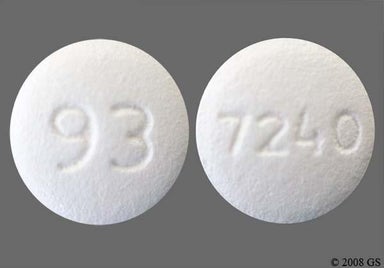
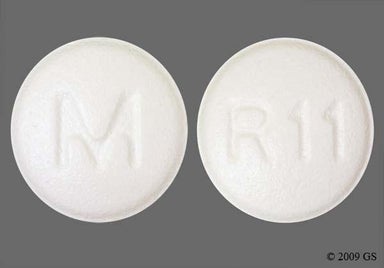
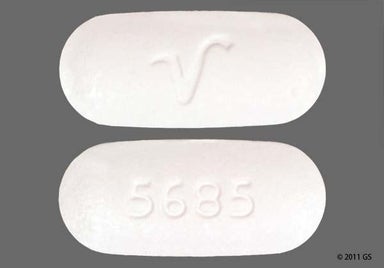
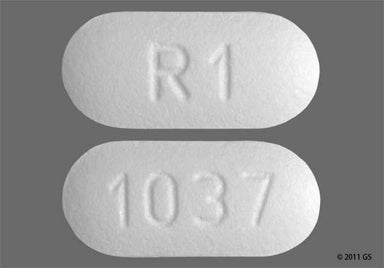
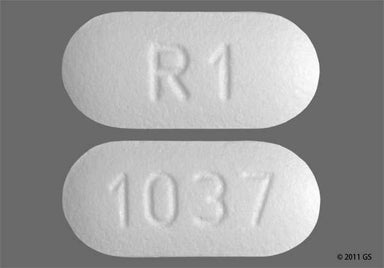
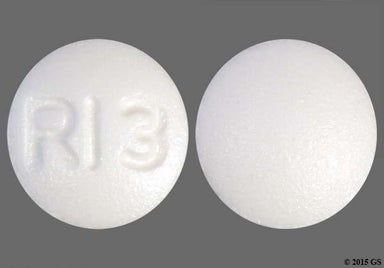
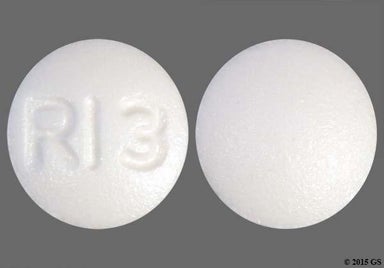
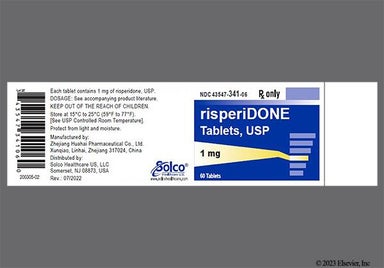
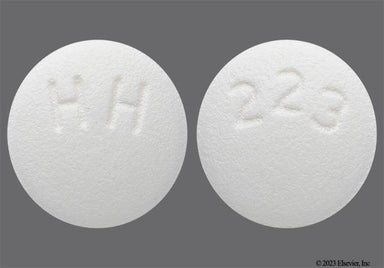
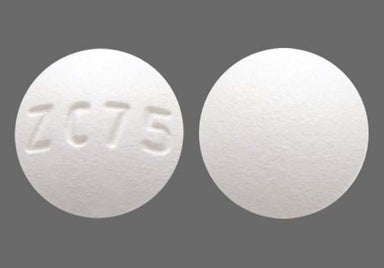
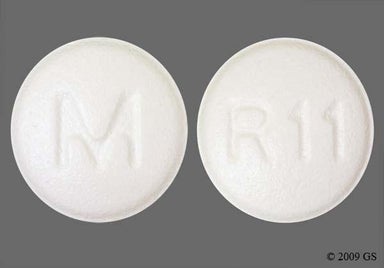
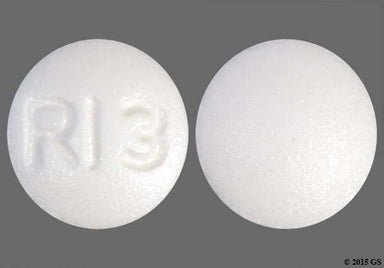
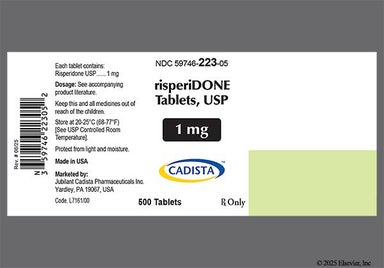
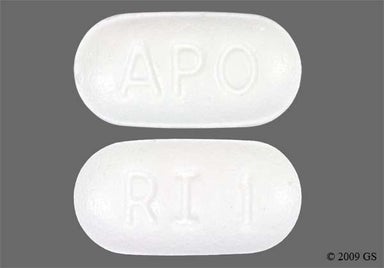
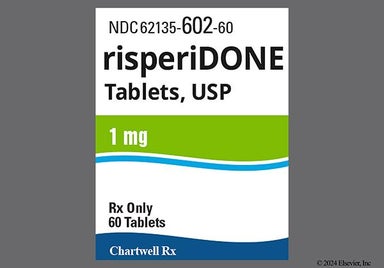
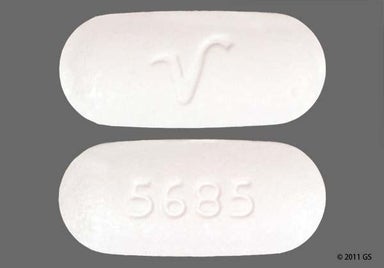
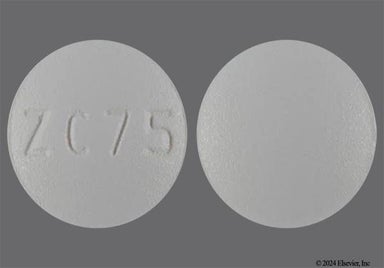
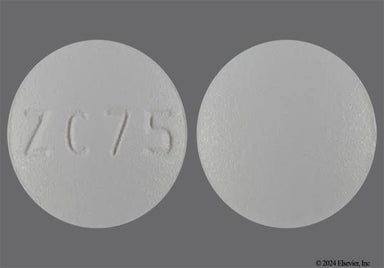
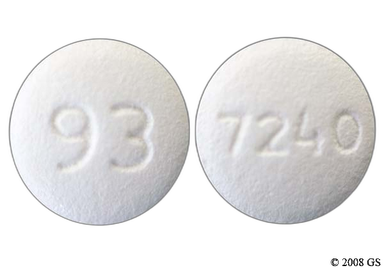
This medicine is White, Round Tablet Imprinted With "7240", "93".White Round 7240 - Risperidone 1mg TabletThis medicine is White, Round Tablet Imprinted With "M", "R11".White Round R11 - Risperidone 1mg TabletThis medicine is White, Oblong Tablet Imprinted With "V", "5685".White Oblong 5685 - Risperidone 1mg TabletThis medicine is White, Oblong Tablet Imprinted With "R 1", "1037".White Oblong 1037 - Risperidone 1mg TabletThis medicine is White, Oblong Tablet Imprinted With "R 1", "1037".White Oblong 1037 - Risperidone 1mg TabletThis medicine is White, Round Tablet Imprinted With "Ri3".White Round RI3 - Risperidone 1mg TabletThis medicine is White, Round Tablet Imprinted With "Ri3".White Round RI3 - Risperidone 1mg TabletThis medicine is White, Round Tablet Imprinted With "Hh", "223".White Round 223 - Risperidone 1mg TabletThis medicine is White, Round Tablet Imprinted With "Hh", "223".White Round 223 - Risperidone 1mg TabletThis medicine is White, Round Tablet Imprinted With "Zc 75".White Round ZC 75 - Risperidone 1mg TabletThis medicine is White, Oblong Tablet Imprinted With "Patr", "R 1".White Oblong PATR - Risperidone 1mg TabletThis medicine is White, Round Tablet Imprinted With "M", "R11".White Round R11 - Risperidone 1mg TabletThis medicine is White, Round Tablet Imprinted With "Ri3".White Round RI3 - Risperidone 1mg TabletThis medicine is White, Oblong Tablet Imprinted With "J", "223".White Oblong 223 - Risperidone 1mg TabletThis medicine is White, Oblong Tablet Imprinted With "Apo", "Ri 1".White Oblong RI 1 - Risperidone 1mg TabletThis medicine is White, Round Tablet Imprinted With "Ce", "130".White Round 130 - Risperidone 1mg TabletThis medicine is White, Oblong Tablet Imprinted With "V", "5685".White Oblong 5685 - Risperidone 1mg TabletThis medicine is White, Round Tablet Imprinted With "Zc 75".White Round ZC 75 - Risperidone 1mg TabletThis medicine is White, Round Tablet Imprinted With "Zc 75".White Round ZC 75 - Risperidone 1mg Tablet
GoodRx Health has strict sourcing policies and relies on primary sources such as medical organizations, governmental agencies, academic institutions, and peer-reviewed scientific journals. Learn more about how we ensure our content is accurate, thorough, and unbiased by reading our editorial guidelines.
Prescription savings
Stop paying too much for your prescriptions. Compare prices, get pharmacy coupons, and save up to 80%.
Plans start at $9.99/mo. (when paid yearly). Terms apply.
Common questions about Risperidone
In a study, some people noticed their symptoms improving in 2 to 6 days after starting Risperidone for psychosis. In other studies involving people with bipolar or schizophrenia, people noticed their condition getting better within a month. Also, studies showed that irritability related to autism improved within a few weeks to months for children who took Risperidone. Keep in mind that each person responds to Risperidone differently. And, it can take some time to get to a dose of Risperidone that works best for you. Talk with your provider if you're not sure whether this medication is working for you.
Talk with your provider to see how long you should continue taking Risperidone. More research is needed to learn about the long-term effects of taking this medication. But a study showed that Risperidone was safe and continued to work well to control symptoms due to schizophrenia after a year of treatment. Your provider might have you continue taking Risperidone as long as its helping your symptoms and you're not having serious side effects. Otherwise, your provider might switch you to a different medication.
No, Risperidone isn't a controlled substance because it doesn't have a risk of addiction, misuse, or dependence.
Yes, it's possible to gain weight from taking Risperidone. In studies, some people taking Risperidone gained at least 7% of their body weight before starting the medication. People who took higher doses of Risperidone experienced more weight gain. To lower your risk for weight gain while taking Risperidone, make sure to have a healthy diet and regular exercise routine. Contact your provider if you're uncomfortable with how much weight you've gained while on Risperidone. They might give you medications to treat the weight gain or switch you to a different medication.
Yes, sleepiness is one of the more common side effects of Risperidone. But some people also experience other sleep problems while taking Risperidone, including trouble falling asleep or vivid dreams. When you first start Risperidone, pay attention to how this medication is affecting your sleep. If it's making you too sleepy or interrupting your sleep, contact your provider. They can try to ease the side effect by making changes to your dose or the timing of when you take this medication.
Stopping Risperidone too suddenly can cause withdrawal symptoms, such as nausea, vomiting, and dizziness. Make sure to take Risperidone exactly as prescribed. If you're interested in stopping the medication, contact your provider. They'll give you specific instructions on how to lower your dose slowly over a period of time before completely stopping the medication.







 People over the age of 65 who also have dementia sometimes have some of the symptoms of schizophrenia, like hallucinations and delusions. This is called dementia-related psychosis, and it should not be treated with risperidone (Risperdal). If risperidone (Risperdal) is used for dementia-related psychosis, it can cause death. In clinical studies, the cause of death is often linked to