



Medications That Can Change the Color of Your Urine
Abnormal urine color can be worrying. But did you know discolored urine is often due to medications? See which medications can change the color of your urine.
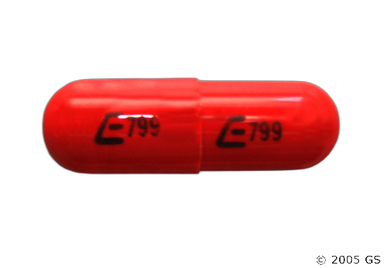
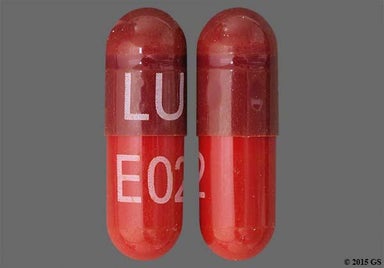
Rifampin (Rifadin) is an antibiotic used to treat active and latent tuberculosis (TB). It also helps prevent the spread of meningococcal infections by people who carriers of the bacteria, but aren't showing symptoms. Rifampin (Rifadin) is taken by mouth once or twice daily, depending on your medical conditions. If you're taking it for TB, your provider might prescribe other medications as well, like isoniazid. One side effect of rifampin (Rifadin) is that it can temporarily change the color of your teeth, body fluids, and even urine as a side effect.

Rifampin (Rifadin) is a rifamycin antibiotic. It blocks an enzyme (protein) the bacteria need to eventually make proteins, so the bacteria can't grow and spread.
| Common Brands | Rifadin |
|---|---|
| Drug Class | Rifamycin antibiotic |
| Controlled Substance Classification | Not a controlled medication |
| Generic Status | Lower-cost generic available |
| Availability | Prescription only |

The following side effects may get better over time as your body gets used to the medication. Let your healthcare provider know immediately if you continue to experience these symptoms or if they worsen over time.
Contact your healthcare provider immediately if you experience any of the following.
Along with its needed effects, a medicine may cause some unwanted effects. Although not all of these side effects may occur, if they do occur they may need medical attention.
Check with your doctor immediately if any of the following side effects occur:
Rare
Agitation
bleeding gums
blood in the urine or stools
bruising
confusion
coughing or vomiting blood
dark urine
darkening of the skin
decreased frequency or amount of urine
difficulty in breathing and swallowing
dizziness
fainting
fast heartbeat
fever with or without chills
general feeling of tiredness or weakness
headache
hoarseness
hostility
increased blood pressure
increased thirst
irritability
light-colored stools
loss of appetite
lower back or side pain
mental depression
painful or difficult urination
persistent bleeding or oozing from puncture sites, mouth, or nose
puffiness or swelling of the eyelids or around the eyes, face, lips, or tongue
skin itching, rash, or redness
sores, ulcers, or white spots on the lips or in the mouth
stomach pain
swelling of the face, ankles, fingers, hands, or lower legs
tightness in the chest
unusual bleeding or bruising
unusual drowsiness, dullness, tiredness, weakness, or feeling of sluggishness
vomiting
yellow eyes or skin
Incidence not known
Bleeding under the skin
blistering, peeling, or loosening of the skin
bloody, severe, or watery diarrhea
bone pain
chills
cold, clammy skin
difficulty with speaking
double vision
fast, weak pulse
inability to move the arms, legs, or facial muscles
inability to speak
increased menstrual flow or vaginal bleeding
joint or muscle pain
lightheadedness
nosebleeds
pale skin
paralysis
pinpoint red spots on the skin
prolonged bleeding from cuts
red or black, tarry stools
red or dark brown urine
red skin lesions, often with a purple center
red, irritated eyes
slow speech
sores, welts, blisters
sweating
swollen glands
unpleasant breath odor
unusual weight loss
Get emergency help immediately if any of the following symptoms of overdose occur:
Symptoms of overdose
Blurred vision
dizziness, faintness, or lightheadedness when getting up suddenly from a lying or sitting position
fast, pounding, or irregular heartbeat or pulse
feeling of fullness in the upper abdomen or stomach
low blood pressure or slow pulse
pain in the upper abdomen or stomach
reddish-orange to reddish-brown color of the urine, stool, saliva, sputum, sweat, and tears
seizures
swelling around the eyes or face
unconsciousness
yellow eyes or skin
Some side effects may occur that usually do not need medical attention. These side effects may go away during treatment as your body adjusts to the medicine. Also, your health care professional may be able to tell you about ways to prevent or reduce some of these side effects. Check with your health care professional if any of the following side effects continue or are bothersome or if you have any questions about them:
Rare
Feeling that others are watching you or controlling your behavior
feeling that others can hear your thoughts
feeling, seeing, or hearing things that are not there
muscle tenderness, wasting, or weakness
severe mood or mental changes
unusual behavior
Other side effects not listed may also occur in some patients. If you notice any other effects, check with your healthcare professional.
Call your doctor for medical advice about side effects. You may report side effects to the FDA at 1-800-FDA-1088.




Rifampin (Rifadin) can cause some serious health issues. This risk may be even higher for certain groups. If this worries you, talk to your doctor or pharmacist about other options.
Rifampin (Rifadin) can cause liver problems, which can be serious and life-threatening. You'll need regular blood tests to make sure that your liver is healthy, especially if you need to take rifampin (Rifadin) for a long time. While you're taking rifampin (Rifadin), avoid alcohol and other medications that might harm your liver. Before starting this medication, talk to your provider if you have a history of liver problems since taking rifampin (Rifadin) can make those problems worse. If you've a loss of appetite, nausea or vomiting, dark urine, or yellowing of the eyes or skin, talk to your provider right away because you might need to stop this medication.
Rifampin (Rifadin) isn't meant to treat an active meningococcal infection. It's only meant to treat meningococcal bacteria if you're a carrier of the bacteria, but not showing any symptoms. Take this medication only for a short amount of time (usually recommended for 2 days) to prevent antibiotic resistance.
Rifampin (Rifadin) can cause various types of allergic reactions. You might experience allergy symptoms like rash, swelling, or difficulty breathing. Skin reactions can be severe or even life-threatening, especially if they affect large parts of the body or mucous membranes, like your eyes and mouth. Allergic reactions can also be less typical, such as abnormal blood counts, liver injury, or flu-like symptoms (weakness, vomiting, aches, and chills). If you feel unwell after starting rifampin (Rifadin), even if you don't see a rash, it's best to check with your provider to make sure you're not experiencing a severe allergic reaction. When taking rifampin (Rifadin) daily for tuberculosis, be careful not to miss doses, since stopping and starting the medication can cause kidney problems.
Rifampin (Rifadin) can cause bleeding problems, especially in people at risk for having low vitamin K. You might need regular blood tests to monitor your risk of bleeding. Your provider might prescribe vitamin K supplements which can help your clotting factors work better. If you notice abnormal bleeding or bruising while on rifampin (Rifadin), call your provider right away.
Rifampin (Rifadin) can make it harder to control your blood sugar if you have diabetes. Before starting this medication, talk to your provider about your diabetes management plan.
For treatment of tuberculosis, it's best to take rifampin (Rifadin) once a day and no more than 600 mg per day. If you find that it's hard to take rifampin (Rifadin) every day, your provider may recommend a different dose strategy such as taking it twice a week. Taking higher doses less frequently can help some people stay on track with the medication, but also raises the risk of side effects such as flu-like symptoms, abnormal blood counts, upset stomach, liver or kidney injury, or allergic reaction including anaphylaxis.
Rifampin (Rifadin) raises the activity of some enzymes in the body. This can lead to faster breakdown of certain hormones (adrenal and thyroid) and vitamin D. Lower vitamin D in the body can lead to low calcium and phosphate, as well as high parathyroid hormone.

Tuberculosis
Your provider will calculate the dose of rifampin (Rifadin) based on your age and body weight. They'll also prescribe other tuberculosis medications to take along with rifampin (Rifadin). Your provider will let you know how long your treatment will last, but it'll usually take 4 months or longer.
Meningococcal bacteria in the nose and/or throat
Rifampin (Rifadin) is also available as an infusion through the veins given by a healthcare provider in the hospital setting.

Although certain medicines should not be used together at all, in other cases two different medicines may be used together even if an interaction might occur. In these cases, your doctor may want to change the dose, or other precautions may be necessary. When you are taking this medicine, it is especially important that your healthcare professional know if you are taking any of the medicines listed below. The following interactions have been selected on the basis of their potential significance and are not necessarily all-inclusive.
Using this medicine with any of the following medicines is not recommended. Your doctor may decide not to treat you with this medication or change some of the other medicines you take.
Using this medicine with any of the following medicines is usually not recommended, but may be required in some cases. If both medicines are prescribed together, your doctor may change the dose or how often you use one or both of the medicines.
Using this medicine with any of the following medicines may cause an increased risk of certain side effects, but using both drugs may be the best treatment for you. If both medicines are prescribed together, your doctor may change the dose or how often you use one or both of the medicines.


Contraindications are specific health conditions or situations in which a person should not take a medication due to safety concerns. If you have any of the following conditions or if any of the following apply to you, let your healthcare provider know because Rifampin (Rifadin) will not be safe for you to take.









Prescription savings
Stop paying too much for your prescriptions. Compare prices, get pharmacy coupons, and save up to 80%. Find expert answers to your health questions so you can make the best decisions for yourself and your family.
Health conditions
Medications & treatment
Access & affordability
 Our monthly healthcare membership can help you save thousands on your prescription costs.
Resources

If you have latent TB, which is when the TB in your body isn't causing an infection, you can expect to take Rifampin for 3 or 4 months. It's important to take Rifampin exactly as prescribed. Don't stop taking it unless instructed by your provider.
You're recommended to take Rifampin 1 hour before meals or 2 hours after eating. Taking Rifampin with food can lower the amount of medication absorbed, which can lead to lower medication levels and resistant bacteria.
Be careful about drinking alcohol while you are taking Rifampin. Rifampin can cause liver injury, and drinking alcohol at the same time can raise your risk. You should avoid alcohol during your months of treatment. If this is difficult, talk to your provider about your options for drinking responsibly.
Yes, Rifampin can turn urine red-orange. It can also do the same for other bodily fluids, like sweat and tears, as well as your teeth orange. This side effect is harmless and temporary. But the color might stain things like soft contact lenses or clothing permanently.
How long side effects of Rifampin last depends on what side effects you're experiencing. For example, some common side effects of Rifampin include changes in urine color and stomach upset. These side effects will typically start to fade once you stop Rifampin treatment. But this medication can also cause more serious side effects, such as liver damage, which might take longer to recover from. Studies show that people typically experience minor side effects from Rifampin. Talk with your provider if you've concerned about the side effects of this medication.
Hair loss (alopecia) isn't a side effect reported by people who took Rifampin during clinical trials. There have been a few reports of other TB medications, such as isoniazid, causing hair loss. You might experience some hair loss if you take those other medications along with Rifampin. If you're concerned about Rifampin and hair loss, talk with your provider.
