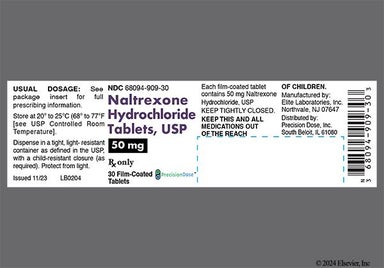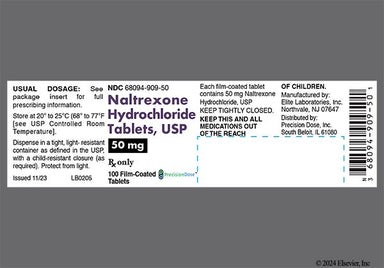


Naltrexone Coupon - Naltrexone 50mg tablet

naltrexone

Generic ReVia
Used for Alcohol Dependence, Opioid Dependence

Naltrexone (ReVia) is an opioid antagonist. It's used to treat opioid use disorder and alcohol use disorder in adults. Naltrexone (ReVia) is just one part of a comprehensive treatment plan that should also involve psychotherapy and support groups. Naltrexone (ReVia) is a tablet that's taken by mouth, typically once daily. Some common side effects of naltrexone (ReVia) include nausea, headache, and trouble sleeping. Brand name ReVia has been discontinued; naltrexone tablet is only available as a generic medication.

Reviewed by:Last reviewed on April 25, 2024
basics-icon

What is Naltrexone (ReVia)?

What is Naltrexone (ReVia) used for?

How Naltrexone (ReVia) works

Drinking alcohol or taking opioids can trigger the body to release dopamine, a chemical in the body that makes you feel good. Taking these substances repeatedly to feel pleasure can cause the body to become dependent on them.

Naltrexone (ReVia) is an opioid antagonist that blocks the body's opioid receptors. In doing so, naltrexone (ReVia) blocks the rewarding effects of alcohol or opioids. This can help lower cravings for alcohol or opioids.

When does Naltrexone (ReVia) start working?Time passed since treatment started:
HOURS
Full effect
DAYS
WEEKS
MONTHS

Drug facts

Common BrandsReVia(brand no longer available)
Drug ClassOpioid antagonist
Controlled Substance ClassificationNot a controlled medication
Generic StatusLower-cost generic available
AvailabilityPrescription only
side-effects-icon

Side effects of Naltrexone (ReVia)

The following side effects may get better over time as your body gets used to the medication. Let your healthcare provider know immediately if you continue to experience these symptoms or if they worsen over time.

Common Side Effects

Alcohol use disorder

  • Nausea or vomiting (up to 10%)
  • Headache (7%)
  • Dizziness (4%)
  • Nervousness or anxiety (up to 4%)
  • Tiredness (4%)
  • Trouble sleeping (3%)

Opioid use disorder Reported by 10% or more people during clinical trials:

  • Trouble sleeping
  • Anxiety
  • Nervousness
  • Stomach pain or cramps
  • Nausea and vomiting
  • Low energy
  • Joint and muscle pain
  • Headache

Less Common Side Effects

  • Dry mouth
  • Feeling less hungry
  • Feeling thirsty
  • Skin rash
  • Depression
  • Feeling irritable
  • Diarrhea
  • Constipation
  • Sexual problems

Naltrexone (ReVia) serious side effects

Contact your healthcare provider immediately if you experience any of the following.

  • Suicidal thoughts or actions
  • Liver injury: dark urine, feeling very tired, sudden nausea and vomiting, stomach pain on the upper right side, clay-colored stool, yellowing of the skin or whites of the eyes
  • Opioid withdrawal: anxiety, suicidal thoughts, restlessness, runny nose, yawning, sweating, chills, wide pupils, irritability
When do Naltrexone (ReVia) possible side effects begin and end?
Time passed since treatment started:
H
D
W
M
Nausea or vomiting
Headache
Nervousness
Trouble sleeping
Liver injury
Seek immediate medical care if you experience this side effect.

Source: DailyMed

The following Naltrexone (ReVia) side effects have also been reported

Along with its needed effects, a medicine may cause some unwanted effects. Although not all of these side effects may occur, if they do occur they may need medical attention.

Check with your doctor immediately if any of the following side effects occur:

Less common

Skin rash

Rare

Abdominal or stomach pain (severe)

blurred vision, aching, burning, or swollen eyes

chest pain

confusion

discomfort while urinating or frequent urination

fever

hallucinations or seeing, hearing, or feeling things that are not there

itching

mental depression or other mood or mental changes

ringing or buzzing in the ears

shortness of breath

swelling of the face, feet, or lower legs

weight gain

Some side effects may occur that usually do not need medical attention. These side effects may go away during treatment as your body adjusts to the medicine. Also, your health care professional may be able to tell you about ways to prevent or reduce some of these side effects. Check with your health care professional if any of the following side effects continue or are bothersome or if you have any questions about them:

More common

Abdominal or stomach cramping or pain (mild or moderate)

anxiety, nervousness, restlessness or trouble sleeping

headache

joint or muscle pain

nausea or vomiting

unusual tiredness

Less common

Chills

constipation

cough, hoarseness, runny or stuffy nose, sinus problems, sneezing, or sore throat

diarrhea

dizziness

fast or pounding heartbeat

increased thirst

irritability

loss of appetite

sexual problems in males

Other side effects not listed may also occur in some patients. If you notice any other effects, check with your healthcare professional.

Call your doctor for medical advice about side effects. You may report side effects to the FDA at 1-800-FDA-1088.

prices-container

Get your GoodRx coupon

Avg retail price
$106.54(Save 72.68%)
GoodRx discount
$29.11
See prices
pros-and-cons-icon

Pros and cons of Naltrexone (ReVia)

Pros

  • Taken by mouth
  • Taken once daily
  • Available as a lower-cost generic

Cons

  • Makes you more sensitive to the effects of opioids
  • Can cause sleep problems
  • Hasn't been studied in people younger than 18 years old
pharmacist-tips-icon

Pharmacist tips for Naltrexone (ReVia)

pharmacist
  • You can take naltrexone (ReVia) with or without food. If it's upsetting your stomach, try taking it with food to help.
  • Naltrexone (ReVia) isn't meant to be the only treatment for opioid use disorder and alcohol use disorder. It works best when taken as a part of a comprehensive treatment plan that also involves psychotherapy and support groups. Have a discussion with your healthcare team about what your full treatment plan looks like.
  • Before starting naltrexone (ReVia), your healthcare team will work with you to safely stop all opioid medications, including certain cough medications and antidiarrheal medications, for at least 7 to 10 days. Otherwise, you might experience opioid withdrawal symptoms, such as nausea, vomiting, and diarrhea. If you experience these symptoms, contact your prescriber right away.
  • Wear a medical alert identification (ID) if you're taking naltrexone (ReVia). If you're ever in a medical emergency, the ID lets medical responders know that they should avoid giving you opioid medications.
  • If you get any medical procedures or surgeries after you've completed naltrexone (ReVia) treatment, let your healthcare team know that you've taken naltrexone (ReVia) in the past. This is important because people who've been treated with naltrexone (ReVia) are more sensitive to opioid medications and are at higher risk for an opioid overdose. Your healthcare team might consider non-opioid options to treat or prevent pain.
  • Naltrexone (ReVia) can make you feel sleepy or dizzy. Avoid performing any activity that requires a lot of attention (such as driving) until you know how this medication affects you.
  • Let your healthcare team know if you're pregnant or would like to become pregnant. There isn't much research about the safety of taking naltrexone (ReVia) during pregnancy. But a study suggests that this medication might be an option.
  • Talk to your healthcare team about the risks and benefits of taking naltrexone (ReVia) while breastfeeding. Limited information suggests that naltrexone (ReVia) is unlikely to cause harm to breastfed babies.
faq-icon

Common questions about Naltrexone (ReVia)

No, naltrexone (ReVia) isn't a controlled substance because it doesn't have a risk of addiction, misuse, or dependence. Naltrexone (ReVia) is an opioid antagonist that blocks the effects of opioids and alcohol.

It takes about 3 days for most of naltrexone (ReVia) to leave your body after a single dose. This time-frame is estimated based on the half-life of naltrexone (ReVia). Ask your healthcare team if you have more questions about how long naltrexone (ReVia) stays in your system.

How long the side effects of naltrexone (ReVia) last depends on what symptoms you're experiencing. Some of the most common side effects of naltrexone (ReVia) include nausea and headache. While they can be bothersome, your healthcare team can recommend ways to help you manage them. For example, staying hydrated and relaxing through breathing exercises can help ease headaches. And avoiding greasy and spicy foods, or eating smaller meals more frequently throughout the day can minimize nausea. But if none of these methods work, talk with your care team about medication options that might help with headaches or nausea. If you have a question about any specific naltrexone (ReVia) side effect, discuss it with your healthcare team.

Naltrexone (ReVia) isn't known to cause weight loss as a side effect. In clinical studies, less than 1% of people using naltrexone (ReVia) for opioid use disorder reported both weight gain and weight loss. But it's unclear whether the changes in body weight is linked to naltrexone (ReVia) or other factors, such as substance use disorder.

Take naltrexone (ReVia) as directed by your healthcare team. In general, there isn't a specific time when you need to take naltrexone (ReVia) for it to work well. But your care team might ask you to take it at a certain time, depending on what side effects you experience. For example, if you feel sleepy and dizzy after a dose, you might take naltrexone (ReVia) at night. But if you have trouble sleeping, then you might need to take it in the morning. Talk with your healthcare team if you're not sure about when to take naltrexone (ReVia).

Naltrexone (ReVia) treats alcohol use disorder by lowering the urge to drink alcohol. But it won't be able to help with symptoms of alcohol withdrawal, such as restlessness, vomiting, or tremors. If you experience alcohol withdrawal, it's important to get medical help immediately because it can become life-threatening. Anyone going through alcohol withdrawal should be monitored by a medical team for serious symptoms, such as hallucinations and seizures, so they can receive treatment quickly.

No, naltrexone (ReVia) isn't the same as naloxone (Narcan). Both naltrexone and naloxone work by blocking opioid receptors, but they're FDA-approved to treat different conditions. Naltrexone is used to treat opioid and alcohol use disorders, whereas naloxone is used to reverse an opioid overdose in emergency situations. Talk with your healthcare team if you have questions about either medications.

educational-icon

How to save using GoodRx

Compare Prices
1. Compare PricesSpecify your dosage and quantity to find out exactly how much you can save.
Select your free coupon
2. Select your free couponYou can use the displayed coupon, or compare prices at other pharmacies near you.
Show coupon to your pharmacist
3. Show coupon to your pharmacistPresent your printed or electronic coupon when you pick up your prescription.
Get free couponLearn more
warnings-icon

Risks and warnings for Naltrexone (ReVia)

Naltrexone (ReVia) can cause some serious health issues. This risk may be even higher for certain groups. If this worries you, talk to your doctor or pharmacist about other options.

More sensitive to opioids (risk of opioid overdose)

  • Risk factors: Restarting opioid medications after naltrexone (ReVia) therapy

When you take naltrexone (ReVia) for opioid use disorder, your body becomes more sensitive to opioids after you finish treatment. If you take opioids again, you can experience life-threatening side effects, even at doses that didn't cause harm before.

If you have or develop a condition where your healthcare team is considering treating you with opioid medications, let them know that you've received naltrexone (ReVia) treatment in the past. They might need to prescribe non-opioid alternatives. Or they might prescribe a much lower dose of opioid along with naloxone in case you experience life-threatening side effects.

Call 911 right away if you experience symptoms of an opioid overdose, such as extremely slowed breathing, extreme sleepiness, slow heartbeat, and cold or clammy skin.

Opioid withdrawal

  • Risk factors: Having taken opioid medications before or while taking naltrexone (ReVia)

If you've been taking opioid medications, starting naltrexone (ReVia) can cause serious withdrawal symptoms, including nausea and vomiting, sweating, and agitation. These symptoms can start within 5 minutes after you take naltrexone (ReVia) and last for 2 days or longer, depending on what type of opioid you've been taking.

To lower the risk of opioid withdrawal, your healthcare team will work with you to safely stop all opioid medications for 7-10 days before starting naltrexone (ReVia). If needed, they might ask you to start naltrexone (ReVia) in a hospital setting so that a care team can monitor and treat you for any severe withdrawal symptoms. If you experience withdrawal symptoms at home, go to the hospital right away to get appropriate treatment.

If you're taking naltrexone (ReVia) for alcohol use disorder, it's important that you let your healthcare team know if you've taken any opioid medications before starting naltrexone (ReVia).

Liver injury

Though rare, it's possible that naltrexone (ReVia) might cause liver problems. Make sure to discuss your entire medical history with your healthcare team before starting this medication. They might want to monitor your liver enzymes more closely if you have a history of liver problems. Call a healthcare professional right away if you notice any symptoms of liver damage. These symptoms can include tiredness, dark urine, upset stomach, stomach pain, or yellowing of the skin or whites of the eyes.

Risk of depression and suicidal thoughts

Some people have reported feeling depressed or having thoughts of suicide or self-harm while taking naltrexone (ReVia). But it's unclear whether these changes in mood are caused by naltrexone (ReVia) or by other factors. Let your healthcare team know right away if you or a loved one notices a change in your mood. Get medical attention right away if you experience severe depression or have any thoughts of hurting yourself.

dosage-icon

Naltrexone (ReVia) dosage

The average cost for 30 tablets of 50mg of Naltrexone (ReVia) is $29.11 with a free GoodRx coupon. This is 72.68% off the average retail price of $106.54.
tabletTablet
DosageQuantityPrice as low asPrice per unit
50mg30 tablets$29.11$0.97

Typical dosage for Naltrexone (ReVia)

  • Alcohol use disorder: The typical dose is 50 mg by mouth once daily for up to 3 months.
  • Opioid use disorder: The typical starting dose is 25 mg by mouth once daily. If you don't experience signs of withdrawal, your healthcare team will raise the dose to 50 mg by mouth once daily.
interactions-icon

Interactions between Naltrexone (ReVia) and other drugs

Naltrexone (ReVia) may interact with certain medications or supplements. Always let your doctor and pharmacist know about any other medications or supplements (including prescribed and over-the-counter medications, vitamins, and dietary or herbal supplements) that you are currently taking. The list below does not include all possible drug interactions with Naltrexone (ReVia). Please note that only the generic name of each medication is listed below.

Although certain medicines should not be used together at all, in other cases two different medicines may be used together even if an interaction might occur. In these cases, your doctor may want to change the dose, or other precautions may be necessary. When you are taking this medicine, it is especially important that your healthcare professional know if you are taking any of the medicines listed below. The following interactions have been selected on the basis of their potential significance and are not necessarily all-inclusive.

Using this medicine with any of the following medicines is not recommended. Your doctor may decide not to treat you with this medication or change some of the other medicines you take.

Using this medicine with any of the following medicines is usually not recommended, but may be required in some cases. If both medicines are prescribed together, your doctor may change the dose or how often you use one or both of the medicines.

  • Bremelanotide
  • Naldemedine
  • Naloxegol

Using this medicine with any of the following medicines may cause an increased risk of certain side effects, but using both drugs may be the best treatment for you. If both medicines are prescribed together, your doctor may change the dose or how often you use one or both of the medicines.

cost-icon

How much does Naltrexone (ReVia) cost?

To access savings, use a GoodRx coupon and pay just a fraction of the retail price.
Naltrexone (ReVia) (generic)
GoodRx lowest price

$29.11

(save 72.68%)
contraindications-icon

Naltrexone (ReVia) contraindications

Contraindications are specific health conditions or situations in which a person should not take a medication due to safety concerns. If you have any of the following conditions or if any of the following apply to you, let your healthcare provider know because Naltrexone (ReVia) will not be safe for you to take.

alternatives-icon

What are alternatives to Naltrexone (ReVia)?

There are a number of medications that your doctor can prescribe in place of Naltrexone (ReVia). Compare a few possible alternatives below.
Naltrexone (ReVia)
$29.11Lowest GoodRx priceView prices
Used for:
  • Alcohol use disorder
$33.59Lowest GoodRx priceView prices
Used for:
$68.17Lowest GoodRx priceView prices
latest-news-icon

News about Naltrexone (ReVia)

A “functioning alcoholic” may maintain work and personal responsibilities while still struggling with alcohol use disorder. Learn the signs of functional alcoholism.
Functional Alcoholism: What Does It Mean to Be a ‘Functioning Alcoholic’?
A “functioning alcoholic” may maintain work and personal responsibilities while still struggling with alcohol use disorder. Learn the signs of functional alcoholism.
Learn about 5 medications used to treat alcohol use disorder. It’s best to combine medication with other forms of treatment, such as therapy & support groups.
These 5 Medications for Alcohol Use Disorder Can Help You Stop Drinking
Learn about 5 medications used to treat alcohol use disorder. It’s best to combine medication with other forms of treatment, such as therapy & support groups.
Semaglutide (Wegovy) was the first once-weekly medication in its class to be FDA approved for weight loss. Here’s how semaglutide works for weight loss and how it compares to other options.
Semaglutide for Weight Loss: How It Works and Compares to Other Weight-Loss Medications
Semaglutide (Wegovy) was the first once-weekly medication in its class to be FDA approved for weight loss. Here’s how semaglutide works for weight loss and how it compares to other options.
Medication and therapy are two ways that people may treat an addiction. Learn more about medication and therapy as treatment options for addiction.
What Are the Best Medications and Therapies for Addiction?
Medication and therapy are two ways that people may treat an addiction. Learn more about medication and therapy as treatment options for addiction.
Medication-assisted treatment (MAT) combines medication with counseling and therapy. See how MAT can be effective for substance use disorders.
What Is Medication-Assisted Treatment? How Taking Medication for Substance Use Disorders Can Help
Medication-assisted treatment (MAT) combines medication with counseling and therapy. See how MAT can be effective for substance use disorders.
Naltrexone starts working within 1 hour, whether taken orally or through injection. Learn what can affect the onset of naltrexone and how long to take it.
How Long Does It Take Naltrexone to Work?
Naltrexone starts working within 1 hour, whether taken orally or through injection. Learn what can affect the onset of naltrexone and how long to take it.
Naltrexone treats alcohol and opioid abuse. Follow our dosage guide for best practices.
Naltrexone Dosages for Adults: Your GoodRx Guide
Naltrexone treats alcohol and opioid abuse. Follow our dosage guide for best practices.
Porn addiction withdrawal can be similar to withdrawal from substance or alcohol addiction. Learn the signs, symptoms, and recovery options for porn withdrawal.
What Is Porn Addiction Withdrawal? Symptoms and Recovery Guide
Porn addiction withdrawal can be similar to withdrawal from substance or alcohol addiction. Learn the signs, symptoms, and recovery options for porn withdrawal.
Naltrexone is an opioid blocker that’s used to treat alcohol and opioid use disorder. Learn how naltrexone works and when to take it.
How Does Naltrexone Work? All About Its Mechanism Of Action
Naltrexone is an opioid blocker that’s used to treat alcohol and opioid use disorder. Learn how naltrexone works and when to take it.
Research suggests that naltrexone may be safe during pregnancy. However, many prescribers only recommend it if the benefit outweighs any risk.
Is Naltrexone Safe to Take During Pregnancy?
Research suggests that naltrexone may be safe during pregnancy. However, many prescribers only recommend it if the benefit outweighs any risk.
images-icon

Naltrexone (ReVia) images

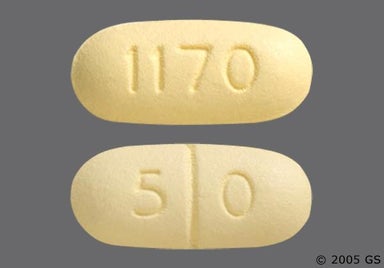
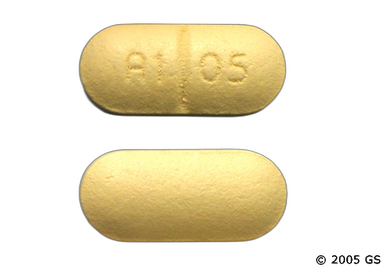
Yellow Oblong 1170, A1 05, And 5 0 - Naltrexone Hydrochloride 50mg Tablet
This medicine is Yellow, Oblong, Scored Tablet Imprinted With "5 0", "A1 05", And "1170".Yellow Oblong 1170, A1 05, And 5 0 - Naltrexone Hydrochloride 50mg Tablet
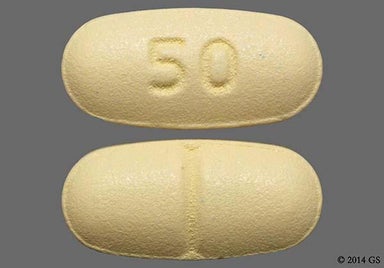
Yellow Oval 50 - Naltrexone Hydrochloride 50mg Tablet
This medicine is Yellow, Oval, Scored Tablet Imprinted With "50".Yellow Oval 50 - Naltrexone Hydrochloride 50mg Tablet
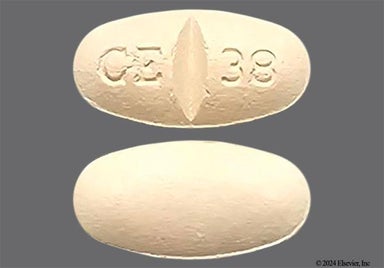
Yellow Oval Ce 38 - Naltrexone Hydrochloride 50mg Tablet
This medicine is Yellow, Oval, Scored Tablet Imprinted With "Ce 38".Yellow Oval Ce 38 - Naltrexone Hydrochloride 50mg Tablet
Yellow Oval Ce 38 - Naltrexone Hydrochloride 50mg Tablet
This medicine is Yellow, Oval, Scored Tablet Imprinted With "Ce 38".Yellow Oval Ce 38 - Naltrexone Hydrochloride 50mg Tablet
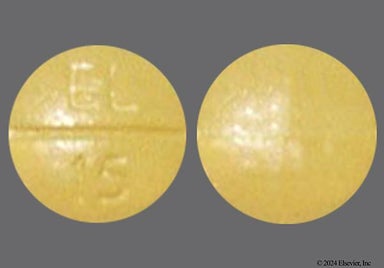
Yellow Round El 15 - Naltrexone Hydrochloride 50mg Tablet
This medicine is Yellow, Round, Scored Tablet Imprinted With "El 15".Yellow Round El 15 - Naltrexone Hydrochloride 50mg Tablet
Yellow Oval Ce 38 - Naltrexone Hydrochloride 50mg Tablet
This medicine is Yellow, Oval, Scored Tablet Imprinted With "Ce 38".Yellow Oval Ce 38 - Naltrexone Hydrochloride 50mg Tablet
Yellow Oval Ce 38 - Naltrexone Hydrochloride 50mg Tablet
This medicine is Yellow, Oval, Scored Tablet Imprinted With "Ce 38".Yellow Oval Ce 38 - Naltrexone Hydrochloride 50mg Tablet
Yellow Oval Ce 38 - Naltrexone Hydrochloride 50mg Tablet
This medicine is Yellow, Oval, Scored Tablet Imprinted With "Ce 38".Yellow Oval Ce 38 - Naltrexone Hydrochloride 50mg Tablet
Yellow Round El 15 - Naltrexone Hydrochloride 50mg Tablet
This medicine is Yellow, Round, Scored Tablet Imprinted With "El 15".Yellow Round El 15 - Naltrexone Hydrochloride 50mg Tablet
Yellow Round El 15 - Naltrexone Hydrochloride 50mg Tablet
This medicine is Yellow, Round, Scored Tablet Imprinted With "El 15".Yellow Round El 15 - Naltrexone Hydrochloride 50mg Tablet

Get savings updates for Naltrexone (ReVia)

Receive price alerts, news, and other messages from GoodRx about Naltrexone (ReVia) and other healthcare topics and relevant savings offers.

By providing your email, you consent to receive marketing communications from GoodRx, which may include content and/or data related to men's health, women's health, reproductive care, or sexual health. You agree to the GoodRx Terms of Use and acknowledge the Privacy Policy. You can unsubscribe at any time.

References

Best studies we found

Accord Healthcare, Inc. (2024). NALTREXONE HYDROCHLORIDE tablet, film coated [package insert]. DailyMed.

Anton, R.F. (2009). Naltrexone for the Management of Alcohol Dependence. The New England Journal of Medicine.

Drugs and Lactation Database (LactMed®). (2023). Naltrexone.

GoodRx Health has strict sourcing policies and relies on primary sources such as medical organizations, governmental agencies, academic institutions, and peer-reviewed scientific journals. Learn more about how we ensure our content is accurate, thorough, and unbiased by reading our editorial guidelines.

Was this page helpful?