


Here Are 20 Biosimilar Drugs to Know About
Biosimilar drugs are generally cheaper than biologics, often making them an easy choice for people. See a list of some common biosimilars here.
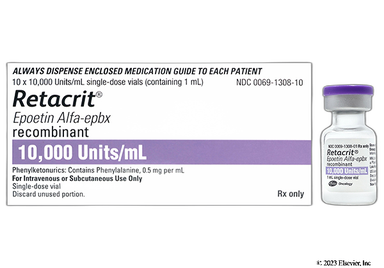
Retacrit (epoetin alfa-epbx) is an injection used to treat certain types of anemia. It's a biosimilar to Epogen (epoetin alfa) and Procrit (epoetin alfa), and it's FDA approved for people with anemia caused by chronic kidney disease (CKD), zidovudine treatment for HIV, or cancer chemotherapy. It's also used to lower the need for blood transfusions in people having certain surgeries. You can get Retacrit (epoetin alfa-epbx) as an injection under the skin or into a vein either once a day, once a week, or 3 times a week. Common side effects include high blood pressure, fever, and joint pain.

Retacrit (epoetin alfa-epbx) is an erythropoiesis-stimulating agent (ESA). It works like a natural hormone in your body called erythropoietin, which tells your bone marrow to make more red blood cells. This helps treat anemia and improves the amount of oxygen your blood can carry.
| Common Brands | Retacrit |
|---|---|
| Drug Class | Erythropoiesis-stimulating agent (ESA) |
| Controlled Substance Classification | Not a controlled medication |
| Generic Status | No lower-cost generic available |
| Availability | Prescription only |

The following side effects may get better over time as your body gets used to the medication. Let your healthcare provider know immediately if you continue to experience these symptoms or if they worsen over time.
Chronic kidney disease (CKD)
Taking zidovudine for HIV
Cancer chemotherapy
Certain surgeries
Chronic kidney disease (CKD)
Taking zidovudine for HIV
Cancer chemotherapy
Certain surgeries
Contact your healthcare provider immediately if you experience any of the following.
Along with its needed effects, a medicine may cause some unwanted effects. Although not all of these side effects may occur, if they do occur they may need medical attention.
Check with your doctor immediately if any of the following side effects occur:
More common
headache
increased blood pressure
swelling of the face, fingers, ankles, feet, or lower legs
Less common
blurred vision
change in skin color
change in vision
dizziness or lightheadedness
double vision
fainting
fast heartbeat
migraine headache
pain or discomfort in the arms, jaw, back, or neck
pain, tenderness, or swelling of the foot or leg
pain in the chest, groin, or legs, especially calves of the legs
pale skin
partial or complete loss of vision in the eye
seizures
severe headache of sudden onset
skin rash or hives
slurred speech
sudden and severe inability to speak
sudden loss of coordination
sweating
temporary blindness
tenderness, pain, swelling, warmth, or skin discoloration at the injection site
unusual bleeding or bruising
unusual tiredness or weakness
vision problems
vomiting
weakness in the arm or leg on one side of the body, sudden and severe
Incidence not known
Blistering, peeling, or loosening of the skin
chills
joint or muscle pain
red, irritated eyes
red skin lesions, often with a purple center
sores, ulcers, or white spots in the mouth or on the lips
Some side effects may occur that usually do not need medical attention. These side effects may go away during treatment as your body adjusts to the medicine. Also, your health care professional may be able to tell you about ways to prevent or reduce some of these side effects. Check with your health care professional if any of the following side effects continue or are bothersome or if you have any questions about them:
Other side effects not listed may also occur in some patients. If you notice any other effects, check with your healthcare professional.
Call your doctor for medical advice about side effects. You may report side effects to the FDA at 1-800-FDA-1088.




Retacrit (epoetin alfa-epbx) can cause some serious health issues. This risk may be even higher for certain groups. If this worries you, talk to your doctor or pharmacist about other options.
 Studies found that Retacrit (epoetin alfa-epbx) can raise the risk of death and serious events like blood clots, heart attack or stroke. The risk is higher if your hemoglobin level gets too high. Be sure to get your labs done regularly so your care team can monitor how your body is responding. Get emergency help right away if you notice symptoms like leg pain, chest pain, trouble breathing, sudden confusion, sudden vision changes, or weakness on one side of your body.
Retacrit (epoetin alfa-epbx) might help reduce the need for blood transfusions needed, but it can also cause tumors to grow faster and lower overall survival in some people with cancer. Because of this, your prescriber will carefully consider the risks and benefits before recommending this medication and will monitor your blood levels closely to help keep you safe.
Retacrit (epoetin alfa-epbx) can raise your blood pressure and shouldn't be used in people with uncontrolled high blood pressure. Before starting this medication, your blood pressure should be under control, and your care team will check it regularly during treatment. Keep taking any blood pressure medications and follow any diet changes your prescriber recommends. If your blood pressure becomes hard to manage, they might need to lower your dose, stop Retacrit (epoetin alfa-epbx).
Retacrit (epoetin alfa-epbx) can raise the risk of having a seizure in people with chronic kidney disease (CKD). Your prescriber will monitor you closely during the first few months of treatment, especially for early signs like unusual feelings, confusion, or irritability. Let your care team know right away if you have a new seizure, notice warning signs before a seizure, or if seizures happen more often.
Sometimes Retacrit (epoetin alfa-epbx) doesn't work or stops working over time. If your anemia doesn't improve, your prescriber will look into possible causes like low iron, infection, inflammation, or bleeding. If you're told to take iron supplements, it's important to take them as directed to help the medication work better.
In rare cases, Retacrit (epoetin alfa-epbx) can cause a serious condition called pure red cell aplasia (PRCA), which means your body stops making red blood cells. This happens when your body makes antibodies that block erythropoietin, the hormone that helps produce red blood cells. If you develop severe anemia, your prescriber will stop Retacrit (epoetin alfa-epbx) and run tests to check for these antibodies. If PRCA is confirmed, you’ll need to stop the medication for good and shouldn’t switch to another erythropoiesis-stimulating agent (ESA).
Serious allergic reactions can happen with Retacrit (epoetin alfa-epbx), including anaphylaxis, swelling of the face or throat, trouble breathing, skin rash, or hives. If you have any of these reactions, stop taking the medication right away and get emergency care.
Serious skin reactions like blistering or peeling have been reported in people taking Retacrit (epoetin alfa-epbx). These can include rare but dangerous conditions such as Stevens-Johnson Syndrome (SJS) or toxic epidermal necrolysis (TEN). Let your care team know immediately if you notice any skin blisters, peeling, skin sores, or painful rash.
Benzyl alcohol is a preservative found in the multi-dose vial of Retacrit (epoetin alfa-epbx). It can cause a rare but serious condition called "gasping syndrome". This condition is more likely to happen in newborns and infants with low birth weight. If you're pregnant or breastfeeding, talk with your prescriber before getting Retacrit (epoetin alfa-epbx), since your baby could be exposed to benzyl alcohol through the womb or breast milk. Your prescriber can recommend the single-dose vial that's safer for both you and your baby.
Retacrit (epoetin alfa-epbx) carries a small risk of spreading certain viruses because it's made from human blood. To help keep it safe, blood donors are carefully screened, the blood is tested for infections, and it goes through special steps to remove or kill viruses. Even with all these safety steps, there’s still a very small chance of disease transmission. If you’re worried or have questions, talk to your care team.

The dose depends on your condition, weight, and age. Your prescriber will also adjust your dose based on your hemoglobin levels.
Chronic kidney disease
Taking zidovudine for HIV:
Receiving chemotherapy:
Certain surgeries:

Although certain medicines should not be used together at all, in other cases two different medicines may be used together even if an interaction might occur. In these cases, your doctor may want to change the dose, or other precautions may be necessary. Tell your healthcare professional if you are taking any other prescription or nonprescription (over-the-counter [OTC]) medicine.


Contraindications are specific health conditions or situations in which a person should not take a medication due to safety concerns. If you have any of the following conditions or if any of the following apply to you, let your healthcare provider know because Retacrit (epoetin alfa-epbx) will not be safe for you to take.




Prescription savings
Stop paying too much for your prescriptions. Compare prices, get pharmacy coupons, and save up to 80%. Find expert answers to your health questions so you can make the best decisions for yourself and your family.
Health conditions
Medications & treatment
Access & affordability
Medication discounts


How long Retacrit side effects last can vary from person to person. Injection site reactions are common, but usually get better within a few days. Flu-like symptoms can also happen when you first start treatment, but most people feel better after a few days. If you’re worried about how long a side effect is lasting, talk to your prescriber.
No. Retacrit is a biosimilar to Procrit. This means they are highly similar, but not exactly the same. Both medications treat the same conditions, are given the same way, and have the same possible side effects. But one key difference is that unlike Procrit, Retacrit doesn't contain human albumin. Speak to your prescriber if you have questions comparing the two medications.
After you start Retacrit, it takes time for your body to make more red blood cells. This usually happens in about 2 to 6 weeks. Your prescriber will check your hemoglobin levels to make sure that the medication is working for you. They might also adjust your dose to help you reach your treatment goals safely.
Yes, Retacrit helps to raise your hemoglobin levels. It works like a natural hormone from your kidneys that tells your body to make more red blood cells. Since red blood cells carry hemoglobin, your hemoglobin levels go up as your body makes more of them.
Yes, medications like Retacrit can tighten your blood vessels and raise your blood pressure. In clinical studies, about 30% of people with chronic kidney disease (CKD) on dialysis who took a similar medication had high blood pressure as a side effect. It's important to check your blood pressure regularly during treatment.
How often you take Retacrit depends on why you're using it and how your body responds. If you have CKD or HIV, you'll typically get it 3 times a week. If you're getting chemotherapy, you might take it 3 times a week or just once a week. And if you're having surgery, it could be given daily around the time of your surgery or only on certain days. Keep in mind that your prescriber might adjust your dose to help you get the best results.
