



What’s the Difference Between Rapid-Acting and Long-Acting Insulin?
Both long-acting and rapid-acting insulins can be used to treat Type 1 and Type 2 diabetes. Learn the difference between long-acting and rapid-acting insulins here.
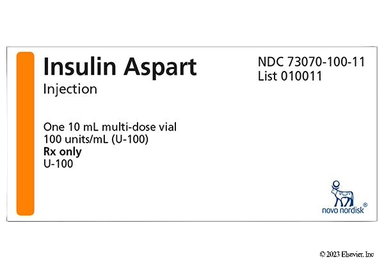
NovoLog (insulin aspart) is a fast-acting insulin for adults and children with diabetes. It lowers your blood sugar levels by moving the sugar into your body so it can be used for energy. NovoLog (insulin aspart) is available as vials and ready-to-use prefilled pens. It's typically injected under the skin at mealtimes, but it can also be given as an infusion into the veins by a healthcare provider for people in the hospital. Side effects include headache and low blood sugar (hypoglycemia).

NovoLog (insulin aspart) is an insulin, which is a natural hormone your body normally makes to lower glucose (sugar) levels in the blood. Insulin helps your body absorb sugar from your bloodstream after you eat a meal to use for energy. Insulin also stops your liver from making sugar.
| Common Brands | NovoLog, NovoLog FlexPen, NovoPen Echo, NovoLog FlexTouch |
|---|---|
| Drug Class | Insulin |
| Controlled Substance Classification | Not a controlled medication |
| Generic Status | Lower-cost generic available |
| Availability | Prescription only |

The following side effects may get better over time as your body gets used to the medication. Let your healthcare provider know immediately if you continue to experience these symptoms or if they worsen over time.
Type 1 diabetes:
Type 2 diabetes:
Note: Side effects listed were reported by adults. Side effects might differ for children.
Contact your healthcare provider immediately if you experience any of the following.
Side effects that you should report to your care team as soon as possible:
Side effects that usually do not require medical attention (report to your care team if they continue or are bothersome):



Tips on how to store NovoLog (insulin aspart):
Tips on how to use NovoLog (insulin aspart):

NovoLog (insulin aspart) can cause some serious health issues. This risk may be even higher for certain groups. If this worries you, talk to your doctor or pharmacist about other options.
Never share NovoLog (insulin aspart) pens, syringes, needles, or cartridges with anyone else. Sharing NovoLog (insulin aspart) and injection supplies with someone can raise the risk of spreading very dangerous infections to other people (including yourself).
Using NovoLog (insulin aspart) alone or together with other blood sugar medications can cause your blood sugar levels to drop too low, which can be life-threatening. Always check the medication labels of all your diabetes medications to make sure you're taking the right one, especially if you're injecting more than one type of insulin.
Make sure you and your loved ones know how to recognize symptoms of low blood sugar, such as feeling shaky; being nervous, anxious, or confused; or feeling very hungry. Check your blood sugar if you have any of these symptoms.
It's important to know how to treat low blood sugar. Carry some form of fast-acting sugar (e.g., glucose tablets, hard candy, fruit juice) with you at all times while you're taking this medication. You can use these to raise your blood sugar quickly if it becomes too low.
NovoLog (insulin aspart) can lower the levels of potassium in your blood, which can sometimes be dangerous. You're at risk if you're already taking medications that lower your potassium, like certain diuretics (water pills). Your provider will check your potassium levels regularly and might give you medications to keep your potassium in the normal range. Tell your provider if you have symptoms of low potassium, such as weakness, muscle cramps or twitches, nausea, vomiting, or abnormal heartbeats.
Taking NovoLog (insulin aspart) with medications called glitazones (also known as thiazolidinediones), like pioglitazone (Actos), can cause your body to hold onto fluid. This can worsen or lead to heart failure. Let your provider know if you've noticed sudden weight gain or if you have symptoms of heart failure, such as trouble breathing, tiredness, or headache. Your provider might need to make changes to your blood sugar medications.
If you're using an insulin pump to inject NovoLog (insulin aspart), check that your pump is working properly and that you know how to use it correctly. When the pump isn't work properly, you're at risk of having extremely high blood sugar levels or a serious complication of diabetes called ketoacidosis. Call your provider right away if you can't fix your pump quickly. Your provider might recommend that you inject NovoLog (insulin aspart) in other ways in the meantime. Tell your provider as soon as possible if you have symptoms of ketoacidosis, such as tiredness, fruity-smelling breath, or vomiting.


Contraindications are specific health conditions or situations in which a person should not take a medication due to safety concerns. If you have any of the following conditions or if any of the following apply to you, let your healthcare provider know because NovoLog (insulin aspart) will not be safe for you to take.









Prescription savings
Stop paying too much for your prescriptions. Compare prices, get pharmacy coupons, and save up to 80%. Find expert answers to your health questions so you can make the best decisions for yourself and your family.
Health conditions
Medications & treatment
Access & affordability
Medication discounts


Yes, Insulin Aspart is considered a fast-acting (or rapid-acting) insulin. It's given right before meals (within 5 to 10 minutes before meals). This helps prevent your blood sugar from getting too high from your food.
Rapid-acting insulins like Insulin Aspart start to work within 15 minutes after it's injected. Because it works so quickly, be sure to inject Insulin Aspart within 5 to 10 before a meal so that it works well to keep the food from making your blood sugar too high.
The blood sugar-lowering effects of Insulin Aspart can last for about 2 to 4 hours after a dose. That's why you typically need to take the medication multiple times per day (that is, with each meal).
No. Insulin Aspart and Humalog (insulin lispro) are both rapid-acting insulins that share a lot of similarities, but they're different medications. One difference is that Insulin Aspart can be used in children at least 2 years old with Type 1 diabetes, whereas Humalog (insulin lispro) can be used in children at least 3 years old with Type 1 diabetes. Another difference is that Insulin Aspart is typically injected within 5 to 10 minutes before a meal, whereas Humalog (insulin lispro) is injected within 15 minutes of a meal.
It depends on whether you've opened Insulin Aspart or not. It's preferred that you store unopened vials and pens in the refrigerator because then you can use them until their expiration dates. You can keep them at room temperature as well, but only for up to 28 days before you need to throw them out. You can keep opened vials either in the refrigerator or at room temperature for 28 days. And opened pens should only be stored at room temperature for 28 days; don't put the pens back in the refrigerator after opening. Ask your provider or pharmacist if you're not sure whether you need to put Insulin Aspart in the refrigerator or whether you can keep it at room temperature.
In general, Insulin Aspart is good for 28 days after opening. It's a good idea to write down the expiration date, which is 28 days after you first use a vial or pen. Don't use Insulin Aspart past this date, even if there's still some medication left. Ask your provider or pharmacist if you have more questions about how long Insulin Aspart is good for after opening.
Yes, it's possible to gain weight from insulins like Insulin Aspart because of how it works in your body. In a clinical study, adults with Type 2 diabetes gained an average of 4 pounds within 1 year of starting insulin therapy. To lower your risk for weight gain, make sure to eat a balanced diet with a variety of fruits and vegetables and exercise regularly. This can also help better control your blood sugar levels. Contact your provider if you're concerned about any weight gain you've had while you're taking Insulin Aspart. Your provider can recommend other lifestyle changes or options, such as switching you to a different medication for diabetes.
