



Treatment for Breast Cancer: A Comprehensive Guide to Your Options
Breast cancer treatments include chemo, radiation, surgery, and targeted therapies. Learn how they work, what they treat, and which stages they’re used for.
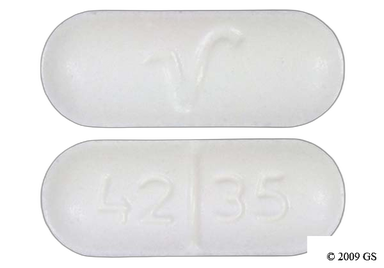
Metoclopramide (Reglan) is FDA-approved to treat gastroesophageal reflux disease (GERD), as well as gastroparesis in people with diabetes. Providers might also prescribe it off-label for morning sickness during pregnancy and nausea and vomiting caused by chemotherapy. But metoclopramide (Reglan) isn’t a first-choice medication for these conditions because it has a black box warning for a serious side effect called tardive dyskinesia. Metoclopramide (Reglan) can interact with some commonly prescribed medications, such as risperidone (Risperdal) and quetiapine (Seroquel).

Metoclopramide (Reglan) mainly works as a dopamine antagonist (blocks dopamine). Dopamine is a chemical made by your brain that affects many parts of your body, including the digestive tract.
Dopamine normally slows down muscle movements in your gut, causing food to stay in your stomach longer. This can lead to nausea, vomiting, and heartburn. By blocking dopamine, metoclopramide (Reglan) helps speed up muscle movements in your gut and relieve these stomach-related symptoms.
Metoclopramide (Reglan) also tightens a muscle in your gut to stop the backflow of stomach acid into your throat. This helps prevent heartburn.
| Common Brands | Reglan |
|---|---|
| Drug Class | Dopamine antagonist |
| Controlled Substance Classification | Not a controlled medication |
| Generic Status | Lower-cost generic available |
| Availability | Prescription only |

The following side effects may get better over time as your body gets used to the medication. Let your healthcare provider know immediately if you continue to experience these symptoms or if they worsen over time.
Contact your healthcare provider immediately if you experience any of the following.
Along with its needed effects, a medicine may cause some unwanted effects. Although not all of these side effects may occur, if they do occur they may need medical attention.
Check with your doctor immediately if any of the following side effects occur:
Incidence not known
Chills
clay colored stools
dark urine
difficulty with breathing
difficulty with speaking or swallowing
dizziness or fainting
fast or irregular heartbeat
general feeling of tiredness or weakness
headache (severe or continuing)
inability to move the eyes
increase in blood pressure
increased sweating
itching, skin rash
lip smacking or puckering
loss of appetite
loss of balance control
loss of bladder control
mask-like face
muscle spasms of the face, neck, and back
puffing of the cheeks
rapid or worm-like movements of the tongue
seizures
shuffling walk
stiffness of the arms or legs
stomach pain or tenderness
swelling of the feet or lower legs
tic-like or twitching movements
trembling and shaking of the hands and fingers
twisting movements of the body
uncontrolled chewing movements
uncontrolled movements of the arms and legs
unusually pale skin
vomiting
weakness of the arms and legs
yellow eyes or skin
Get emergency help immediately if any of the following symptoms of overdose occur:
Symptoms of overdose
Confusion
drowsiness (severe)
Some side effects may occur that usually do not need medical attention. These side effects may go away during treatment as your body adjusts to the medicine. Also, your health care professional may be able to tell you about ways to prevent or reduce some of these side effects. Check with your health care professional if any of the following side effects continue or are bothersome or if you have any questions about them:
More common
drowsiness
loss of strength or energy
muscle pain or weakness
restlessness
unusual weak feeling
Incidence not known
Breast tenderness and swelling
changes in menstruation
decreased interest in sexual intercourse
inability to have or keep an erection
increased flow of breast milk
increased need to urinate
loss in sexual ability, desire, drive, or performance
mental depression
passing urine more often
skin rash
trouble sleeping
unusual dryness of the mouth
unusual irritability
Other side effects not listed may also occur in some patients. If you notice any other effects, check with your healthcare professional.
Call your doctor for medical advice about side effects. You may report side effects to the FDA at 1-800-FDA-1088.




Metoclopramide (Reglan) can cause some serious health issues. This risk may be even higher for certain groups. If this worries you, talk to your doctor or pharmacist about other options.
 Metoclopramide (Reglan) can cause tardive dyskinesia (TD), a side effect in which there is uncontrolled muscle movements in the tongue, face, mouth, lips, hands, arms, legs, and feet. Your risk of this side effect is higher if you take other medications that might also cause TD, such as prochlorperazine or haloperidol (Haldol). Avoid taking metoclopramide (Reglan) if you're taking these medications. Talk to your provider right away if you notice any unusual movements you can't control because they can become permanent.
Metoclopramide (Reglan) can cause other uncontrolled muscle movements in addition to tardive dyskinesia (TD), such as repeated stiffening and twisting of muscles, tremors, jitteriness, pacing, and foot tapping. Symptoms are most commonly seen within the first 6 months and might occur as early as within the first 24 to 48 hours of taking metoclopramide (Reglan). They typically go away after you stop the medication, but some might take 3 months or more to disappear completely. Stop taking the medication and get medical attention right away if you experience these symptoms.
Metoclopramide (Reglan) can cause neuroleptic malignant syndrome (NMS), which is a rare but serious condition that can lead to death. Symptoms include very a high fever, stiff muscles, problems thinking clearly, very fast or uneven heartbeat, and sweating. The risk is higher in people who are also using antipsychotic medications. Stop taking metoclopramide (Reglan) and get medical attention right away if you experience these symptoms. Your provider will let you know later if it's safe for you to restart this medication.
Metoclopramide (Reglan) can cause depression, even in people without a history of depression. Talk to your healthcare provider if you notice any unusual changes in your mood, have suicidal thoughts, or have desires to harm yourself.
Metoclopramide (Reglan) can raise your blood pressure. This is more likely to occur if you’re also taking other medications that raise your blood pressure, such as monoamine oxidase inhibitor (MAOI) antidepressants like isocarboxazid (Marplan). Monitor your blood pressure carefully because a rise might be a symptom of a more serious condition, such as the presence of a certain type of tumor. Talk to your healthcare provider if you notice changes in your blood pressure.
Metoclopramide (Reglan) can raise the level of aldosterone, a hormone that causes water to build up in your body. This leads to swelling in the arms, legs, or around the belly. People who have heart failure or liver problems are more at risk for this swelling. Let your provider know if you notice any swelling in your body or sudden weight gain.
Metoclopramide (Reglan) can cause prolactin hormone levels in your blood to go up. High prolactin levels can lead to symptoms such as milky substances being released from the nipple, enlarged breasts, and absent or irregular menstrual periods. Discuss with your healthcare provider if you experience or have any concerns about these symptoms.

 Ml of oral solution
| Dosage | Quantity | Price as low as | Price per unit |
|---|---|---|---|
| 5mg/5ml | 473 ml | $20.11 | $0.04 |
 Orally disintegrating tab
| Dosage | Quantity | Price as low as | Price per unit |
|---|---|---|---|
| 5mg | 30 orally disintegrating tabs | $145.75 | $4.86 |
| 10mg | 30 orally disintegrating tabs | $145.75 | $4.86 |
 Vial
Vial| Dosage | Quantity | Price as low as | Price per unit |
|---|---|---|---|
| 2ml of 5mg/ml | 8 vials | $50.40 | $6.30 |
Delayed stomach-emptying caused by diabetes:
Severe acid reflux (gastroesophageal disease, GERD):
Your dose might be lower if you are older than 65 years old, have liver or kidney conditions, or are taking medications that interact with metoclopramide (Reglan).

Although certain medicines should not be used together at all, in other cases two different medicines may be used together even if an interaction might occur. In these cases, your doctor may want to change the dose, or other precautions may be necessary. When you are taking this medicine, it is especially important that your healthcare professional know if you are taking any of the medicines listed below. The following interactions have been selected on the basis of their potential significance and are not necessarily all-inclusive.
Using this medicine with any of the following medicines is not recommended. Your doctor may decide not to treat you with this medication or change some of the other medicines you take.
Using this medicine with any of the following medicines is usually not recommended, but may be required in some cases. If both medicines are prescribed together, your doctor may change the dose or how often you use one or both of the medicines.
Using this medicine with any of the following medicines may cause an increased risk of certain side effects, but using both drugs may be the best treatment for you. If both medicines are prescribed together, your doctor may change the dose or how often you use one or both of the medicines.


Contraindications are specific health conditions or situations in which a person should not take a medication due to safety concerns. If you have any of the following conditions or if any of the following apply to you, let your healthcare provider know because Metoclopramide (Reglan) will not be safe for you to take.












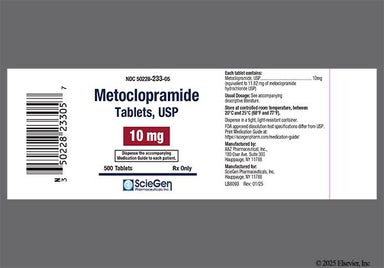
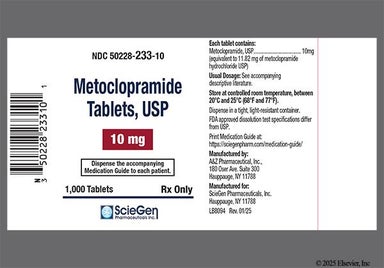
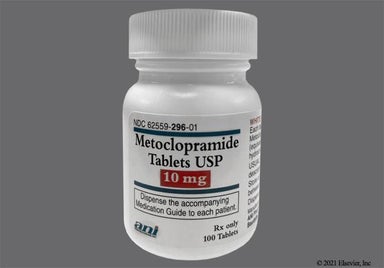
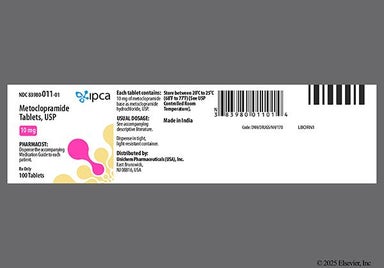
Prescription savings
Stop paying too much for your prescriptions. Compare prices, get pharmacy coupons, and save up to 80%.Resources
About GoodRx
 Find expert answers to your health questions so you can make the best decisions for yourself and your family.
Health conditions
Medications & treatment
Access & affordability
Well-being
Medication discounts

It takes a little over a day for Metoclopramide to completely leave your body after your last dose. This time frame is estimated based on the half-life of this medication. But studies show that the actual effects of this medication (for gastroparesis or GERD) only lasts about 1 to 2 hours.
You can expect to feel the effects of Metoclopramide about 30 to 60 minutes after you take a dose.
If you're pregnant, ask your provider whether Metoclopramide is appropriate for you. This medication hasn't been well-studied in human pregnancy, but animal studies suggest it isn't likely to cause harm to an unborn baby. Some providers might consider Metoclopramide as a second-choice option for people who have nausea and vomiting that isn't well-controlled by safer medication options.
Research shows that Metoclopramide can raise the amount of prolactin in the body. Prolactin is a hormone that helps stimulate milk production. But existing studies in nursing mothers show that while Metoclopramide caused an increase in prolactin, this medication didn't raise milk supply.
Yes, people who take Metoclopramide commonly experience drowsiness and tiredness as side effects. When you first start this medication, avoid driving or performing any activity that requires a lot of attention until you know how this medication affects you. Sometimes these side effects will get better over time. But if you continue to feel drowsy and are having a hard time getting through your day, let your provider know. They can recommend lifestyle tips, such as eating a healthy diet and sticking to a regular exercise routine, to improve your energy level. But if that doesn't work, your provider might need to lower your dose of Metoclopramide or switch you to a different medication.
Metoclopramide has been prescribed off-label by providers for treating morning sickness during pregnancy and nausea and vomiting caused by chemotherapy. It's not a first-choice medication for nausea and vomiting because it interacts with many medications and might cause some permanent and serious side effects. Ask your provider if Metoclopramide is appropriate for your nausea and vomiting.
Many common side effects of Metoclopramide, such as drowsiness and tiredness, aren't permanent and do improve as your body gets used to this medication. But there have been reports of rare, but serious, movement-related side effects that are longer-lasting. For example, some people continued to experience Parkinsonian symptoms, such as tremors and jitteriness, after they've stopped Metoclopramide for 3 months or longer. And sometimes, tardive dyskinesia can become permanent. Talk with your provider if you're concerned about the side effects of Metoclopramide.
