









How to Get Rid of a Cough Without a Prescription: Tips and Over-the-Counter Cough Remedies
Most cough symptoms can be easily managed with at-home remedies and over-the-counter medications. Explore your options for treating dry coughs and wet coughs.
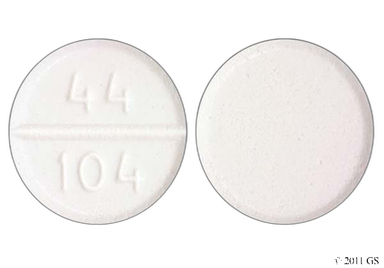
Acetaminophen (Tylenol) is an over-the-counter (OTC) analgesic used for pain relief and to reduce fever in adults and children. It comes in many forms, including tablets, capsules, chewable tablets, liquids, powders, and suppositories. Your dose depends on your age and the product you take. Side effects are rare when taken as directed, but could include nausea and headache. Taking too much could cause serious liver problems.

Acetaminophen (Tylenol) is an analgesic (pain reliever). The exact way it works isn’t fully known, but it likely blocks proteins called cyclooxygenase (COX) to reduce pain signals and fever.
| Common Brands | Tylenol, Mapap, M-Pap |
|---|---|
| Drug Class | Analgesic |
| Controlled Substance Classification | Not a controlled medication |
| Generic Status | Lower-cost generic available |
| Availability | Over-the-counter |

The following side effects may get better over time as your body gets used to the medication. Let your healthcare provider know immediately if you continue to experience these symptoms or if they worsen over time.
Contact your healthcare provider immediately if you experience any of the following.
Along with its needed effects, a medicine may cause some unwanted effects. Although not all of these side effects may occur, if they do occur they may need medical attention.
Check with your doctor immediately if any of the following side effects occur:
Rare
Bloody or black, tarry stools
bloody or cloudy urine
fever with or without chills (not present before treatment and not caused by the condition being treated)
pain in the lower back and/or side (severe and/or sharp)
pinpoint red spots on the skin
sore throat (not present before treatment and not caused by the condition being treated)
sores, ulcers, or white spots on the lips or in the mouth
sudden decrease in the amount of urine
unusual bleeding or bruising
unusual tiredness or weakness
yellow eyes or skin
Other side effects not listed may also occur in some patients. If you notice any other effects, check with your healthcare professional.
Call your doctor for medical advice about side effects. You may report side effects to the FDA at 1-800-FDA-1088.




Acetaminophen (Tylenol) can cause some serious health issues. This risk may be even higher for certain groups. If this worries you, talk to your doctor or pharmacist about other options.
Taking too much acetaminophen can cause serious and sometimes life-threatening liver damage. For adults, the typical maximum is 4,000 mg per day, but it can be lower depending on your healthcare professional's recommendations and your risk for liver damage. For children, it's around 75 mg/kg (no more than 4,000 mg per day).
Speak to your care team before taking acetaminophen (Tylenol) if you have liver problems. Limit or avoid alcohol while taking this medication to protect your liver.
Call your provider right away if you notice signs of liver problems, such as dark urine, feeling very tired, stomach pain, or yellowing of your skin or eyes.
Many OTC cough, cold, and pain products (and some prescription pain medications) contain acetaminophen. Don’t take more than one product with acetaminophen (Tylenol) at the same time. This can lead to an accidental overdose and serious, sometimes fatal, liver damage.
Keep track of how much acetaminophen you take each day. If you or someone else may have taken too much, get medical help or call Poison Control at 1-800-222-1222 right away, especially if you have severe stomach pain, vomiting, or confusion.
Although rare, acetaminophen (Tylenol) can cause serious skin reactions. These can include rash, blisters, redness, or peeling skin. Stop taking acetaminophen (Tylenol) and get medical help right away if you notice these symptoms.

 Bottle of oral solution
| Dosage | Quantity | Price as low as | Price per unit |
|---|---|---|---|
| 473ml of 160mg/5ml | 1 bottle | $17.55 | $17.55 |
| 118ml of 160mg/5ml | 1 bottle | $8.20 | $8.20 |
 Suppository
| Dosage | Quantity | Price as low as | Price per unit |
|---|---|---|---|
| 650mg | 12 suppositories | $12.98 | $1.08 |
| 325mg | 12 suppositories | $15.03 | $1.25 |
| 120mg | 6 suppositories | $9.15 | $1.53 |
 Tablet
| Dosage | Quantity | Price as low as | Price per unit |
|---|---|---|---|
| 325mg | 30 tablets | $6.33 | $0.21 |
acetaminophen (Tylenol)] comes in many forms and strengths, such as tablets, chewables, liquids, powders, and suppositories. Your dose depends on your age and the product you use. There are different products for adults and children.
The maximum daily dose is generally 4,000 mg.
Always follow your healthcare professional's directions or the instructions on the package. The examples below show common doses, but they don’t include every product.
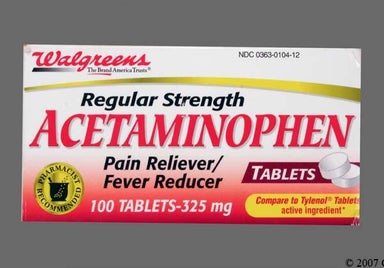
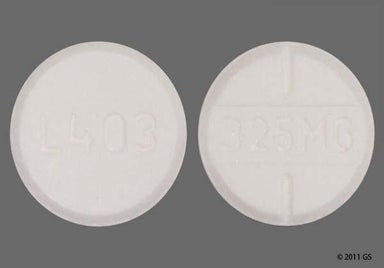
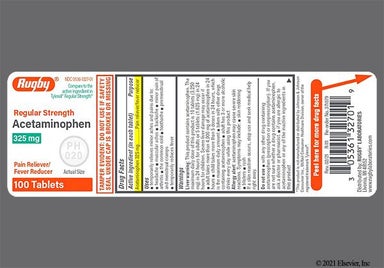
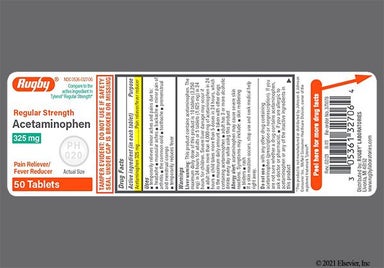
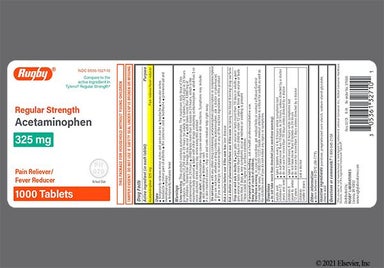
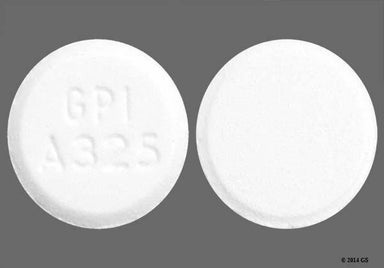
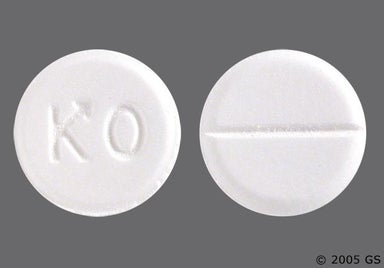
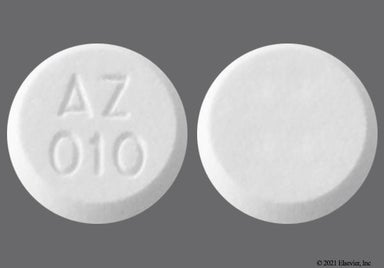
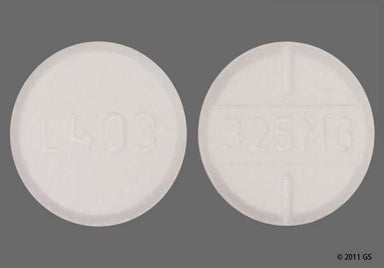
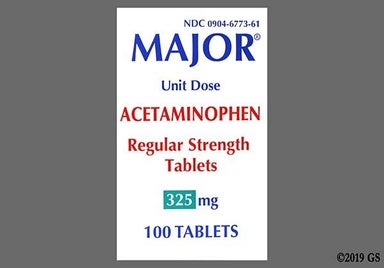
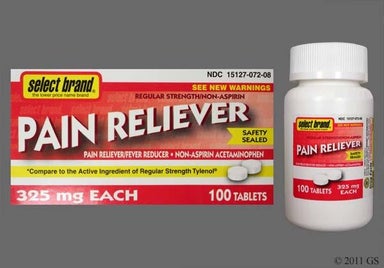
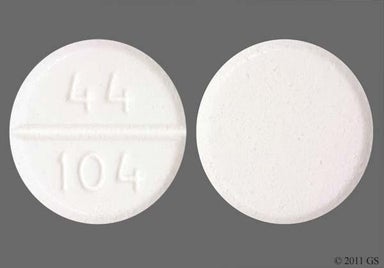
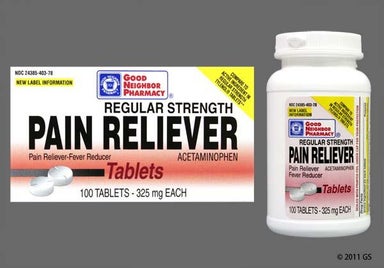
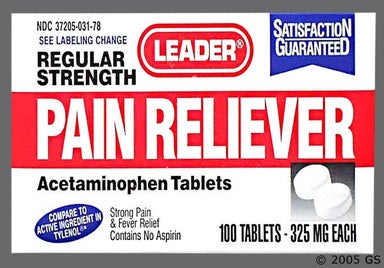
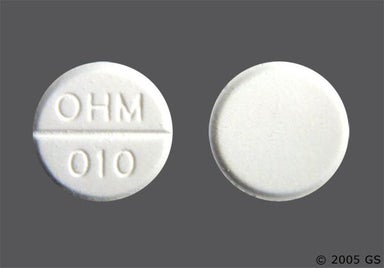
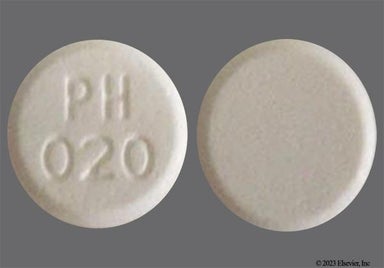
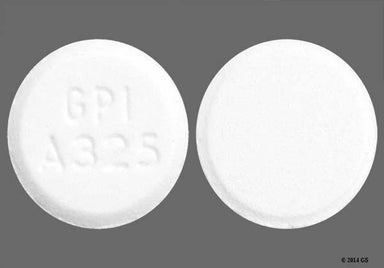
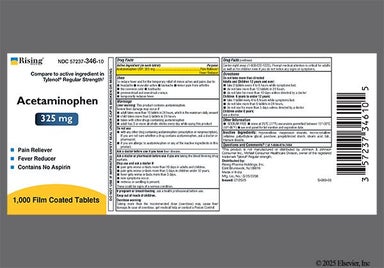
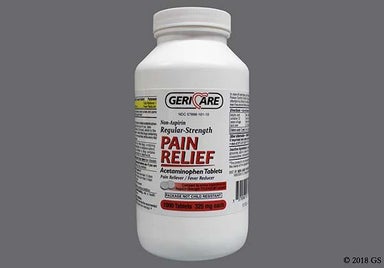
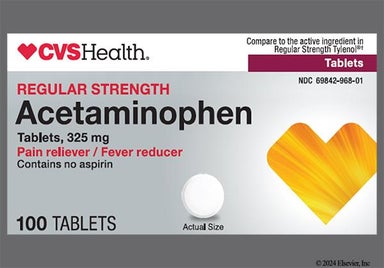
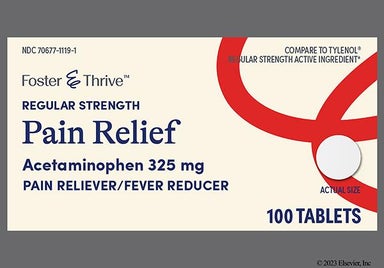
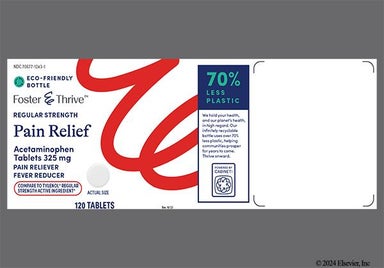
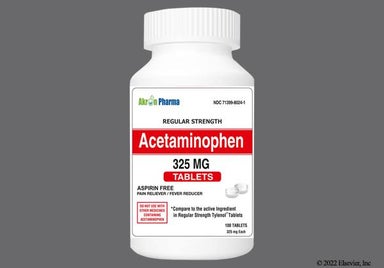
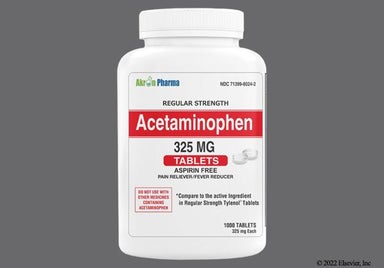
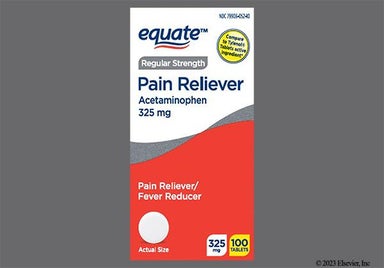
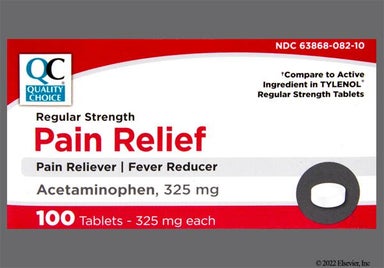
Acetaminophen 325 mg (regular strength) tablet
Acetaminophen 500 mg (extra strength) caplet, gelcap, or powder packets
Acetaminophen 650 mg (arthritis pain) extended-release tablet
Acetaminophen 160 mg/5 mL liquid: Each 5 mL contains 160 mg of acetaminophen.
Acetaminophen is also available as an injection into the veins given by a healthcare professional in a hospital.

Although certain medicines should not be used together at all, in other cases two different medicines may be used together even if an interaction might occur. In these cases, your doctor may want to change the dose, or other precautions may be necessary. When you are taking this medicine, it is especially important that your healthcare professional know if you are taking any of the medicines listed below. The following interactions have been selected on the basis of their potential significance and are not necessarily all-inclusive.
Using this medicine with any of the following medicines is usually not recommended, but may be required in some cases. If both medicines are prescribed together, your doctor may change the dose or how often you use one or both of the medicines.
Using this medicine with any of the following medicines may cause an increased risk of certain side effects, but using both drugs may be the best treatment for you. If both medicines are prescribed together, your doctor may change the dose or how often you use one or both of the medicines.











Prescription savings
Stop paying too much for your prescriptions. Compare prices, get pharmacy coupons, and save up to 80%. Find expert answers to your health questions so you can make the best decisions for yourself and your family.
Health conditions
Medications & treatment
Access & affordability
Medication discounts

No. Acetaminophen isn't an non-steroidal anti-inflammatory drug (NSAID). It helps reduce pain and fever, but it doesn’t lower inflammation or swelling like NSAIDs do. NSAIDs, such as ibuprofen, work throughout your body, while Acetaminophen mainly works in your brain and spinal cord. Because of this, it likely has a lower risk of side effects like stomach bleeding, heart problems, or kidney problems compared to NSAIDs.
The amount of Acetaminophen you can take depends on your age and health. If you’re 12 or older, the usual maximum is 4,000 mg per day. For children under 12, the maximum is based on weight, up to 75 mg per kg (but not more than 4,000 mg per day). Taking more than this can cause serious liver damage. Some products might have lower limits, so always check the label. Your healthcare professional might also recommend a lower daily limit (2,000 mg per day), especially if you drink alcohol often or have liver problems. If you’re unsure how much Acetaminophen is safe, ask a healthcare professional or pharmacist.
Yes, you can usually take Acetaminophen and ibuprofen together. They work in different ways so using both can help relieve pain or fever better than taking just one. Keep in mind that each has its own risks. Acetaminophen can cause liver damage, and ibuprofen can cause heart or kidney problems. Talk to your healthcare professional before taking them together to make sure it’s safe for you.
It depends on how much alcohol you drink. It's typically safe to have one or two drinks when you take an occasional, recommended dose of Acetaminophen. Moderate drinking means up to 1 drink per day for women and up to 2 drinks per day for men. But if you drink more than this, your risk of liver problems is higher because both alcohol and Acetaminophen can harm the liver. Ask your healthcare professional if you have questions about alcohol and this medication.
Acetaminophen can start to work to relieve pain 15 minutes to an hour after you take it. You might begin to feel relief from pain or fever during that time.
Acetaminophen usually lasts about 4 to 6 hours after you take a dose. That’s why it’s often taken every 4 to 6 hours as needed.
Yes, for most people, Acetaminophen is considered safe during pregnancy, but check with your OB-GYN provider first. Some studies have raised concerns about possible effects on the baby's development, but experts at the American College of Obstetricians and Gynecologists (ACOG) and the World Health Organization (WHO) still recommend it as a safe option for treating pain and fever when used as directed. It’s best to take the lowest dose for the shortest time needed. Always talk with your OB-GYN provider about the risks and benefits before using any medication during pregnancy.
If you're breastfeeding, talk to your OB-GYN provider before taking Acetaminophen. In general, it's considered safe to take while nursing. Experts, including American College of Obstetricians and Gynecologists (ACOG) recommend it as a good option for pain relief. Only a very small amount of Acetaminophen passes into breast milk, and it hasn’t been shown to harm babies. If you have concerns, ask your OB-GYN or pharmacist.
