






What Are Statins? 10 Things You Need to Know
What are statins? If you are prescribed a statin, you should know about the risks and benefits. Learn about available options, side effects, and more.
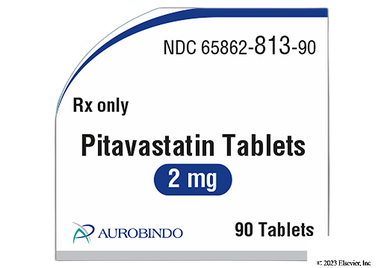
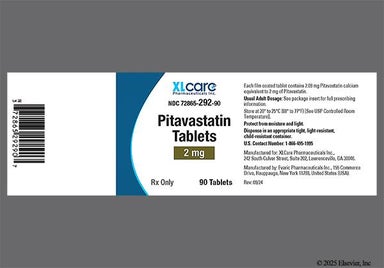
Pitavastatin calcium, also known by its brand name, Livalo, is a moderate-intensity statin for people with high cholesterol. It lowers "bad" cholesterol and triglycerides (fats) and raises "good" cholesterol in the body. Pitavastatin calcium (Livalo) is a tablet that's taken by mouth once per day at any time of day. It's important to follow a heart-healthy diet while taking the medication to get the most benefits from treatment. Side effects include muscle pain, back pain, and constipation. Pitavastatin calcium (Livalo) is available as a brand-name and generic medication.

Pitavastatin calcium (Livalo) is a statin. The main way it works is by blocking a protein in the liver that makes cholesterol. By blocking this protein, pitavastatin calcium (Livalo) affects different types of cholesterol and fats in the body.
| Common Brands | Livalo |
|---|---|
| Drug Class | Statin |
| Controlled Substance Classification | Not a controlled medication |
| Generic Status | Lower-cost generic available |
| Availability | Prescription only |

The following side effects may get better over time as your body gets used to the medication. Let your healthcare provider know immediately if you continue to experience these symptoms or if they worsen over time.
Contact your healthcare provider immediately if you experience any of the following.
Side effects that you should report to your care team as soon as possible:
Side effects that usually do not require medical attention (report to your care team if they continue or are bothersome):




Pitavastatin calcium (Livalo) can cause some serious health issues. This risk may be even higher for certain groups. If this worries you, talk to your doctor or pharmacist about other options.
Pitavastatin calcium (Livalo) can cause muscle pain, tenderness, and weakness. Rarely, it can cause rhabdomyolysis. This is a serious and life-threatening condition that can lead to kidney damage. You're at higher risk if you take other medications that cause muscle damage or interact with pitavastatin calcium (Livalo).
Although rare, statins like pitavastatin calcium (Livalo) can cause immune-mediated necrotizing myopathy (IMNM). This is an autoimmune condition that causes muscle inflammation and muscle weakness. It might continue even after stopping the medication. You'll need to take other medications to treat IMNM.
Let your care team know if you have unexplained muscle pain, tenderness, or weakness. And get medical help right away if you have severe muscle pain, dark-colored urine, or extreme tiredness. These can be signs of rhabdomyolysis. Depending on your symptoms, you might need to stop taking pitavastatin calcium (Livalo).
Some people who took pitavastatin calcium (Livalo) had elevated liver enzyme levels. This could be a sign of damage to the liver. Most times, this happens soon after starting the medication. But it's usually temporary and doesn't cause symptoms. Rarely, liver failure that's sometimes life-threatening has happened.
Before starting pitavastatin calcium (Livalo), you might need a blood test to check your liver health. People with liver failure or severe liver cirrhosis shouldn't take this medication. You might also need regular blood tests during treatment to make sure it's still safe to take.
Get medical help right away if you have yellowing of the skin or eyes, severe stomach pain, dark or bloody stools, or dark urine. These could be signs of liver damage. You might need to stop taking pitavastatin calcium (Livalo) to prevent more harm to the liver.
Some research suggests that statins like pitavastatin calcium (Livalo) might raise blood sugar levels. This could lead to higher hemoglobin A1C levels (average blood sugar over 3 months). But healthcare professionals believe that the benefits of statins outweigh this risk.
Tell your prescriber if you have diabetes or high blood sugar before you start pitavastatin calcium (Livalo). You might need to check your blood sugar more often. Also, follow a healthy, balanced diet and get regular exercise while you're taking pitavastatin calcium (Livalo).
Stop taking pitavastatin calcium (Livalo) and tell your prescriber if you're pregnant. This medication isn't recommended during pregnancy unless the benefits are greater than the risks. Statins might harm an unborn baby. Talk to your prescriber about safe treatment options if you're pregnant or thinking of becoming pregnant.
Breastfeeding is also not recommended while you're taking pitavastatin calcium (Livalo). Some statins can get into breast milk and might harm the baby. Talk to your prescriber or a lactation consultant about safe feeding options.


Contraindications are specific health conditions or situations in which a person should not take a medication due to safety concerns. If you have any of the following conditions or if any of the following apply to you, let your healthcare provider know because Pitavastatin calcium (Livalo) will not be safe for you to take.














Prescription savings
Stop paying too much for your prescriptions. Compare prices, get pharmacy coupons, and save up to 80%. Find expert answers to your health questions so you can make the best decisions for yourself and your family.
Health conditions
Medications & treatment
Access & affordability
Medication discounts

Yes, Livalo is a statin. It helps lower the amount of "bad" cholesterol in the blood. Livalo is called a "moderate-intensity" statin because it lowers "bad" cholesterol by 30% to 49%.
It isn't clear whether Livalo can cause weight gain. In some clinical studies, people who took Livalo didn't report weight gain. But one study found that people who took statins gained up to 11 pounds over 10 years compared to those who didn't take them. This weight change could be related to changes in diet. How statins play a role isn't clear. But some research suggests that they might lower the levels of a hormone that helps regulate appetite. Remember to follow a heart-healthy diet and exercise regularly to get the most from treatment. Talk to your care team if you notice changes in your eating habits and weight while taking Livalo.
Hair loss wasn't reported as a side effect of Livalo. Talk to your prescriber if you see any changes in your hair thickness or growth after starting this medication. Your prescriber can check whether Livalo or something else is causing this hair loss.
Yes, constipation is a possible side effect of Livalo. In clinical studies, up to 4% of people said that they felt constipated. Some ways to prevent constipation are drinking plenty of water and eating fiber-rich foods. Talk to a healthcare professional if constipation keeps bothering you. They can recommend safe laxatives that you can take to relieve this side effect.
Possibly. Clinical studies show that muscle pain isn't common with Livalo, even though it's a well-known side effect of statins. Just up to 3% of people taking Livalo reported muscle pain during these studies. If it happens, it's usually within a few months of starting treatment or after dose increases. But it can also still happen after years of treatment. It often goes away, but still let your prescriber know if you have muscle pain, tenderness, or weakness. They might lower your dose or switch you to another statin to see if that helps. Get medical help right away if the muscle pain is severe or doesn't go away, especially if you also have dark urine or fever. These could be signs of rhabdomyolysis (serious muscle breakdown).
Livalo might raise your blood sugar levels. But healthcare professionals often recommend statins for certain people with diabetes. This is because the benefits, like lowering the risk of heart attack or stroke, usually outweigh the risks. If you have high blood sugar or diabetes, talk to your prescriber about your treatment plan.
It's generally not recommended to take Livalo while breastfeeding. There isn't any data about whether the medication gets into breast milk and how safe that is for you and your baby. Talk to your prescriber or lactation consultant about the risks and benefits. They can find safe options for you.
Pitavastatin comes in two forms: Livalo and pitavastatin magnesium (Zypitamag). Livalo is approved for adults and certain children 8 years and older. But pitavastatin magnesium (Zypitamag) is only for adults. For adults, the form you take will probably depend on your prescriber's preference and insurance coverage. Ask your prescriber if you have questions about the differences between these medications.
