pirfenidone
Pirfenidone, also known by its brand name, Esbriet, is an antifibrotic medication used to treat idiopathic pulmonary fibrosis (IPF) in adults, a condition that causes scarring in the lungs. The dose starts low and is slowly raised, and it's taken by mouth three times per day with food. Common side effects include nausea, stomach pain, and skin rash. Because there have been some cases of liver injury from taking this medication, you'll need regular lab work to check your liver health. It's available in both brand-name and generic versions.


What is Pirfenidone (Esbriet)?
What is Pirfenidone (Esbriet) used for?
- Idiopathic pulmonary fibrosis (IPF) in adults
How Pirfenidone (Esbriet) works
Pirfenidone (Esbriet) is an antifibrotic medication. It's not exactly known how the medication works, but it's thought to slow the worsening of IPF by reducing inflammation and scarring in the lungs.
Drug facts
| Common Brands | Esbriet |
|---|---|
| Drug Class | Antifibrotic agent |
| Controlled Substance Classification | Not a controlled medication |
| Generic Status | Lower-cost generic available |
| Availability | Prescription only |

Side effects of Pirfenidone (Esbriet)
The following side effects may get better over time as your body gets used to the medication. Let your healthcare provider know immediately if you continue to experience these symptoms or if they worsen over time.
Common Side Effects
Less Common Side Effects
- Heartburn
- Sinus inflammation
- Difficulty sleeping
- Weight loss
- Joint pain
- General weakness
- Skin sensitivity
- Itchiness
- Change in taste
- Non-heart-related chest pain
Pirfenidone (Esbriet) serious side effects
Contact your healthcare provider immediately if you experience any of the following.
- Liver damage: stomach bloating, yellowing of your skin or the whites of your eyes, dark urine, pain on the upper right area of your stomach
- Serious skin reactions: hives, blisters, skin reddening or peeling, sores in the mouth
The following Pirfenidone (Esbriet) side effects have also been reported
Side effects that you should report to your care team as soon as possible:
- Allergic reactions—skin rash, itching, hives, swelling of the face, lips, tongue, or throat
- Liver injury—right upper belly pain, loss of appetite, nausea, light-colored stool, dark yellow or brown urine, yellowing skin or eyes, unusual weakness or fatigue
- Rash, fever, and swollen lymph nodes
- Redness, blistering, peeling, or loosening of the skin, including inside the mouth
Side effects that usually do not require medical attention (report to your care team if they continue or are bothersome):

Get your GoodRx coupon

Pros and cons of Pirfenidone (Esbriet)
Pros
- Helps people with idiopathic pulmonary fibrosis (IPF) live longer
- Can be used with other therapies to treat IPF
- Capsule or tablet taken by mouth
Cons
- Need regular blood tests to check liver health
- Needs to be taken 3 times a day
- Stomach-related side effects (e.g., nausea, stomach pain, diarrhea) are common

Pharmacist tips for Pirfenidone (Esbriet)

- When first starting pirfenidone (Esbriet), you'll need to follow a specific dose schedule for the first and second week. Your prescriber might prescribe the starter blister card to help you get the dose right. If your pills all come in a bottle, make sure you know how to adjust the dose after each week.
- If you stop taking pirfenidone (Esbriet) for at least 2 or more weeks, talk to your prescriber before restarting it. You'll need to restart it at a lower dose.
- Take pirfenidone (Esbriet) with food three times per day (with breakfast, lunch, and dinner). Food helps prevent side effects like nausea and dizziness.
- Pirfenidone (Esbriet) has been linked to liver injury, so you’ll need regular blood work to monitor your liver health while taking this medication.
- Smoking can lower the amount of medication that's absorbed into your body, which can make it not work as well. If you smoke, talk to your care team about ways to stop before starting pirfenidone (Esbriet).
- Tell your care team about all the medications you're taking before starting pirfenidone (Esbriet), especially ciprofloxacin (Cipro) or fluvoxamine, as these can interact. Don't start any new medications while taking pirfenidone (Esbriet) without talking to your prescriber or pharmacist first.
- Pirfenidone (Esbriet) can cause skin sensitivity to the sun. To protect your skin, make sure to wear sunscreen when going outside, wear long-sleeve clothing, and limit exposure to sunlight.

Risks and warnings for Pirfenidone (Esbriet)
Pirfenidone (Esbriet) can cause some serious health issues. This risk may be even higher for certain groups. If this worries you, talk to your doctor or pharmacist about other options.
Liver injury
Pirfenidone (Esbriet) can cause liver problems, which can be severe or life-threatening. Your prescriber will monitor your liver enzymes to check your liver health before you start pirfenidone (Esbriet). After that, they’ll check monthly for the first 6 months, then every 3 months, and as needed. High liver enzymes usually return to normal after you stop taking this medication or switch to a lower dose. If you notice severe nausea, vomiting, right-sided stomach pain, fatigue, low or no appetite, or yellowing of the skin or eyes, get medical help right away.
Sunlight sensitivity
- Risk factors: Sunlight or tanning lamps | Taking other medications that make you sensitive to sunlight
Pirfenidone (Esbriet) makes your skin more sensitive to the sun or ultraviolet (UV) light. This means you can get sunburns more easily than usual. This can happen even during the winter and on overcast days. To lower your risk, make sure to wear sunscreen (SPF 50 or higher) when going outside and wear long-sleeved clothing to protect your skin. Also it's generally best to limit your time in the sun.
Severe skin reactions
Although very rare, there have been reports of pirfenidone (Esbriet) causing serious and life-threatening skin reactions, such as Stevens-Johnson syndrome (SJS), toxic epidermal necrolysis (TEN), or drug reaction with eosinophilia and systemic symptoms (DRESS). If you notice changes in your skin, like rash, blisters, redness, or peeling, or if you experience fever, rash, and swollen lymph nodes, stop using pirfenidone (Esbriet) and get medical attention immediately. If you're confirmed to have one of these serious skin conditions, you'll need to permanently stop pirfenidone (Esbriet).
Stomach-related side effects
Pirfenidone (Esbriet) commonly causes stomach-related side effects (e.g., nausea, stomach pain, diarrhea, indigestion), especially during the first 3 months of treatment. But they tend to go away after a while. Talk to your prescriber if these side effects don't improve.

Pirfenidone (Esbriet) dosage


How much does Pirfenidone (Esbriet) cost?
$195.30

What are alternatives to Pirfenidone (Esbriet)?
Ofev (nintedanib) treats certain types of interstitial lung disease (ILD):

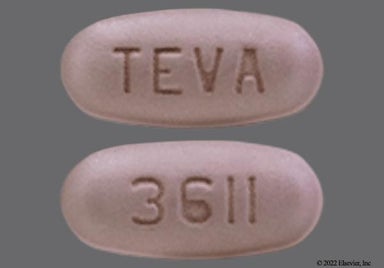
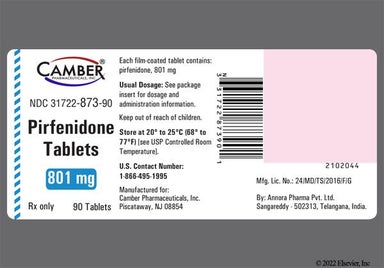
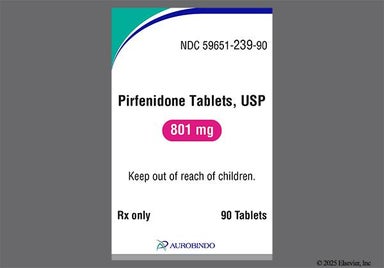
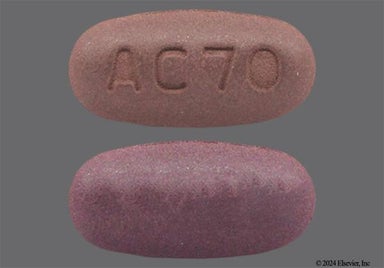
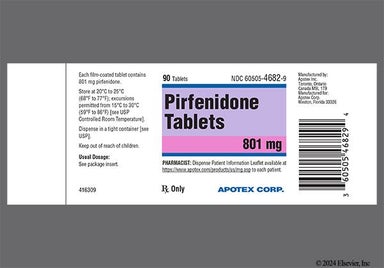
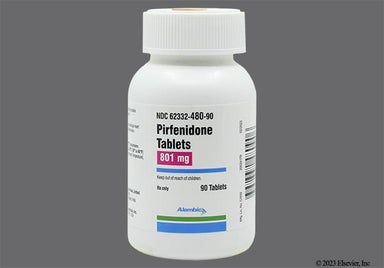
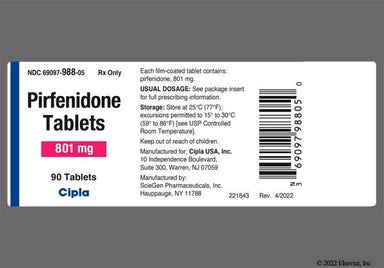
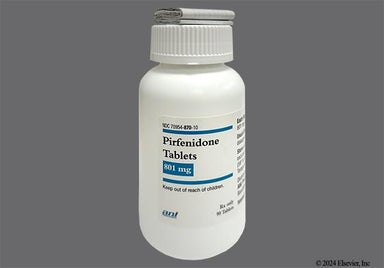
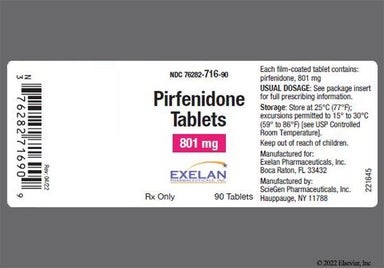
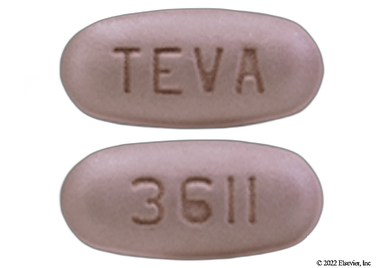
Pirfenidone (Esbriet) images