



Foods to Avoid While Taking Ofev: 7 Tips to Maximize Your Ofev Prescription
Discover expert tips for managing Ofev side effects. Learn the dos and don’ts of taking it, including any changes you need to make to your diet.
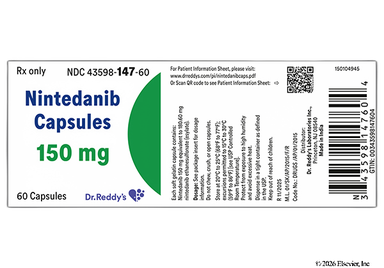
Ofev (nintedanib) is a brand-name medication used to treat adults with certain types of interstitial lung disease (ILD), like idiopathic pulmonary fibrosis. It belongs to a group of medications called tyrosine kinase inhibitors, which work by slowing down the build up of scar tissue in the lungs. You typically take a dose by mouth twice a day with food to lower the chance of side side effects. Some common side effects include diarrhea, nausea, and stomach pain.

Ofev (nintedanib) treats certain types of interstitial lung disease (ILD):
Ofev (nintedanib) is a tyrosine kinase inhibitor (TKI). It works by blocking certain proteins in the body that are involved in making scar tissue in the lungs. By doing this, the medication helps slow down the worsening of lung function in people who have interstitial lung disease (ILD).
| Common Brands | Ofev |
|---|---|
| Drug Class | Tyrosine kinase inhibitor |
| Controlled Substance Classification | Not a controlled medication |
| Generic Status | Lower-cost generic available |
| Availability | Prescription only |

The following side effects may get better over time as your body gets used to the medication. Let your healthcare provider know immediately if you continue to experience these symptoms or if they worsen over time.
IPF
PF-ILD
SSc-ILD
IPF
PF-ILD
SSc-ILD
Contact your healthcare provider immediately if you experience any of the following.
Side effects that you should report to your care team as soon as possible:
Side effects that usually do not require medical attention (report to your care team if they continue or are bothersome):




Ofev (nintedanib) can cause some serious health issues. This risk may be even higher for certain groups. If this worries you, talk to your doctor or pharmacist about other options.
Ofev (nintedanib) can cause liver problems, including serious liver injury. These issues usually appear within the first 3 months of starting treatment. Your risk might be higher if you're female, Asian, an older adult, or weigh less than 143 pounds (65 kg). You’ll need blood tests before and during treatment to make sure your liver is working properly. Tell your care team right away if you feel very tired, lose your appetite, have pain in the upper right part of your stomach, dark urine, or yellowing of your skin or eyes.
If you have mild liver problems, your prescriber will likely give you a lower dose of Ofev (nintedanib). But this medication isn't recommended if you have moderate or severe liver problems.
Diarrhea is the most common side effect of Ofev (nintedanib). In studies, more than half of the people who took the medication had diarrhea, usually within the first 3 months of treatment. Most cases were mild or moderate. If you get diarrhea, let your care team know. They might recommend drinking more fluids and taking antidiarrheal medication like loperamide.
Nausea and vomiting are also common side effects of Ofev (nintedanib). These symptoms were usually mild or moderate in studies. If you feel nauseous or start vomiting, let your care team know. They might suggest antinausea medication, or lower your dose or pause treatment if needed.
Ofev (nintedanib) can cause serious harm or even death to an unborn baby if taken during pregnancy. If you can get pregnant, you'll need a pregnancy test before starting treatment and must use birth control during treatment and for at least 3 months after your last dose.
While Ofev (nintedanib) doesn't affect how well birth control pills work, it can cause vomiting or diarrhea. These side effects might make it harder for your body to absorb birth control pills, which raises the risk of pregnancy. If you experience vomiting or diarrhea, talk to your prescriber about using alternative birth control.
Although rare, Ofev (nintedanib) raises your risk for blood clots, including heart attacks. Your risk is higher if you have coronary artery disease. Tell your care team right away if you have chest pain, shortness of breath, or other signs of a heart problem. If these symptoms happen, your prescriber might pause or stop your treatment.
Ofev (nintedanib) can raise your risk of bleeding. If you have a history of bleeding problems or are taking blood thinners, use this medication carefully. Let your care team know right away if you notice unusual bleeding or bruising during treatment.
Although rare, Ofev (nintedanib) can raise your risk of a serious condition called gastrointestinal perforation, which is when a hole forms in the stomach or intestines. Your risk is higher if you've had recent stomach surgery, a history of diverticulitis, or if you're also taking corticosteroids or nonsteroidal anti-inflammatory drugs (NSAIDs). If you develop severe stomach pain, fever, or notice blood in your stool, tell your care team right away.
Some people taking Ofev (nintedanib) have developed very high levels of protein in their urine, known as proteinuria, which can be a sign of kidney problems. If your care team notices new or worsening protein in your urine, they might pause your treatment to help protect your kidneys.


Ofev (nintedanib) treats certain types of interstitial lung disease (ILD):





Prescription savings
Stop paying too much for your prescriptions. Compare prices, get pharmacy coupons, and save up to 80%. Find expert answers to your health questions so you can make the best decisions for yourself and your family.
Health conditions
Medications & treatment
Access & affordability
Medication discounts


No, Ofev isn't chemotherapy. Ofev is a tyrosine kinase inhibitor (TKI) that targets specific proteins) involved in forming scar tissue in your lungs. Unlike chemotherapy, which can harm both healthy and unhealthy cells, Ofev is more precise, reducing damage to healthy cells.
If you stop taking Ofev, the scarring in your lungs might get worse faster. Ofev doesn’t cure ILD, but it helps slow down the worsening of your lung function. Stopping the medication can cause your condition to progress more quickly. You might also notice more coughing, shortness of breath, or worsening breathing problems. If you're concerned with how well this medication is working, talk with your prescriber before making any changes.
Ofev doesn’t start working right away — it can take 6 to 12 weeks to begin slowing down the worsening of your lung function. Even if you don’t notice a difference right away, it’s important to keep taking the medication exactly as prescribed. Staying consistent gives it time to work.
A dose of Ofev can stay in your system for about 2 days. This is based on the medication's half-life, which is how long it takes for half of the medication to leave your body. Keep in mind, this can vary a bit from person to person.
Yes, it can. In general, studies show that people with IPF who take Ofev can live longer by several years compared to those who don’t receive antifibrotic treatment. Ofev has been linked to a lower risk of death. Taking this medication early and consistently might help protect your lungs and slow your condition from getting worse over time.
It’s best to limit or avoid alcohol while taking Ofev. This medication can affect your liver, and drinking alcohol can raise your risk of liver damage. If you have questions about drinking while on this medication, talk to your prescriber to see what’s safest for you.
Though hair loss isn't a common side effect of Ofev, a few people have reported it in clinical studies. If you notice hair loss while taking this medication, speak with your prescriber. They can help you figure out if it's related to the medication or if there might be another cause.
Yes. Fatigue, or tiredness, can be a side effect of Ofev. While it’s not one of the most common side effects, some people do report feeling more tired than usual while taking the medication. Talk to your prescriber if you're feeling fatigue while taking this medication.
