Key takeaways:
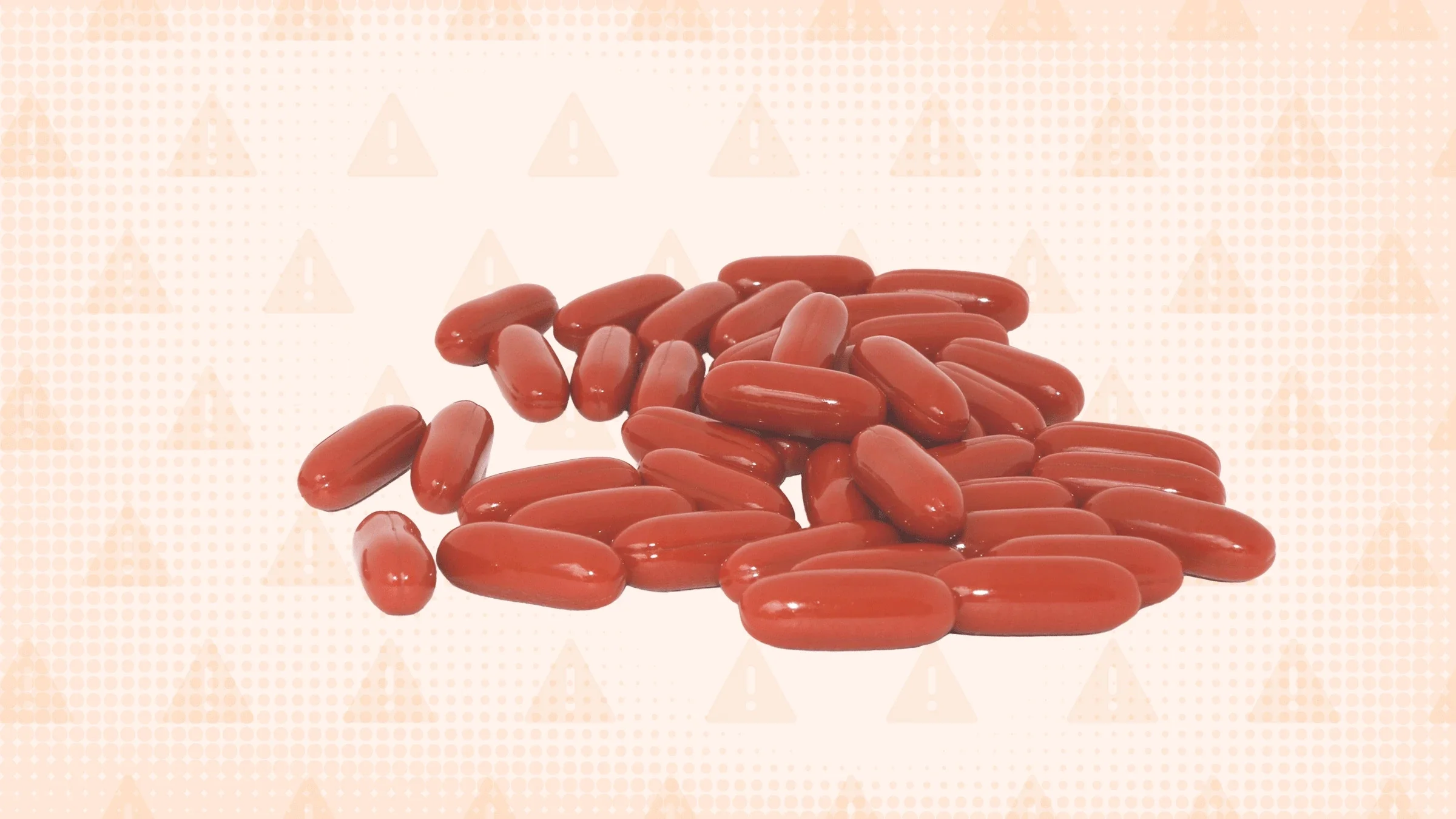
Ofev (nintedanib) is a prescription-only medication that treats certain types of interstitial lung disease (ILD). It comes as a convenient-to-take oral capsule.
Diarrhea, nausea, and stomach pain are some of the most common Ofev side effects to be aware of. Taking Ofev with food may help prevent or lessen these gut-related symptoms.
Serious side effects are uncommon with Ofev, but they can happen. These may include liver or heart problems. Your healthcare team can help monitor for these issues and step in early if needed.
Save on related medications
Lung scarring can make breathing harder than it should be. And when it’s part of your life, it can really affect how you feel day to day. The good news is that there are medications that can help slow down scarring and protect your lung health over time.
Ofev (nintedanib) is an oral, prescription-only medication for adults. This capsule treats certain types of interstitial lung disease (ILD) with scarring, such as idiopathic pulmonary fibrosis (IPF). Ofev helps slow down lung function decline.
While beneficial overall, Ofev has certain side effects to be aware of. Together with your healthcare team, you can navigate potential Ofev side effects.
Ofev side effects at a glance
Common Ofev side effects include:
Diarrhea
Nausea
Vomiting
Stomach pain
High liver enzyme (protein) levels
Low appetite
Headaches
Weight loss
High blood pressure
In rare cases, Ofev can cause serious side effects, such as:
Liver problems
Severe diarrhea
Dangerously high blood pressure
Heart attack
Stroke
Blood clots
Bleeding
High levels of protein in the urine
Stomach or intestinal tears
Here, we break down nine notable Ofev side effects and tips for managing them.
Keep in mind: This isn’t a list of all possible side effects. It's best to reach out to your healthcare team about any side effects you experience while taking Ofev, even if they aren’t listed here.
1. Diarrhea
Most of us have experienced the frustration that comes with having to run to the restroom with diarrhea. This can happen after eating something that doesn’t sit well with your stomach, but it’s also one of the most common side effects of Ofev. Diarrhea is most common within the first 3 months of starting Ofev. Symptoms are typically mild to moderate and should go away with time.
It’s recommended to take Ofev with food. This helps your body absorb the medication, so it works more effectively. It can also help reduce gut-related side effects, including diarrhea.
The type of food you eat matters, though. Try to steer clear of fatty, greasy, or spicy foods. Limit caffeine and alcohol, too, which can also worsen diarrhea. Instead, stick with foods that are gentler on the stomach, such as lean meats, rice, and bananas — especially if you’re already experiencing some stomach upset.
Also make sure to stay hydrated, especially if you have diarrhea. If needed, Pedialyte is an oral rehydration solution that replenishes electrolytes lost from loose stools.
Over-the-counter (OTC) antidiarrheals, such as loperamide (Imodium A-D), can help manage diarrhea, too. But if your diarrhea doesn’t go away, your prescriber may lower your Ofev dosage or have you temporarily stop taking it.
2. Nausea and vomiting
Nausea and vomiting are also common Ofev side effects. Similar to diarrhea, these side effects tend to be quite mild. Taking Ofev with food can help lessen how nauseous you feel.
Most of the recommendations for managing nausea and vomiting overlap with those for managing diarrhea. So if you’re feeling queasy, it’s best to take a pass on these foods:
Fatty or greasy foods
Caffeine
Alcohol
Spicy foods
Dairy products
Eating smaller meals throughout the day — instead of a few large ones — can be easier on your stomach. Foods such as ginger, lean meats, and crackers may also help ease nausea.
You can also try an antiemetic like dimenhydrinate (Dramamine) or ondansetron. These medications help prevent and treat nausea and vomiting.
If you continue to experience nausea and vomiting even after trying the above strategies, your prescriber may lower your Ofev dosage. Persistent nausea may warrant temporarily stopping Ofev, too.
3. Reduced appetite
A low appetite can sometimes be caused by medications, including Ofev.
If you’re dealing with nausea, vomiting, or diarrhea, it’s normal not to feel very hungry. Once your stomach symptoms improve, your appetite may start to come back.
IPF itself can also affect your appetite. In some cases, small changes to your diet may help. For example, eating smaller meals or adding foods like milk or yogurt can make it easier to get the nutrients you need.
You can also try opting for foods that are easy to eat when your appetite is low. Toast, chicken noodle soup, and eggs are a few gentle options.
4. Headaches
Headaches are a common side effect of many medications, and Ofev is no different.
Staying well hydrated throughout the day can help prevent headaches. Small lifestyle changes, such as getting regular exercise and a good night’s sleep, can also make a difference.
If you do have a headache, a warm bath or a cold compress may help. You can also try an OTC pain reliever, such as acetaminophen (Tylenol), if needed.
However, if your headache is accompanied by other symptoms — such as face drooping, weakness in one arm, or slurred speech — call 911 right away. These symptoms could be possible signs of a stroke.
5. Liver enzyme changes
Ofev can raise your liver enzyme levels. In many cases, this effect causes no symptoms and enzyme levels go back down on their own.
In some cases, though, elevated liver enzymes can be a sign of liver problems. That’s why your healthcare team will likely check your levels with a blood test before you start taking Ofev. Then, they’ll continue to check them during the first 3 months of you taking it and periodically after.
If your liver test results are abnormal, your prescriber may lower your Ofev dosage. Or they may have you temporarily stop taking the medication if your lab work is more concerning.
6. More serious liver problems
While rare, serious liver problems, including drug-induced liver injuries, have been reported with Ofev. Most of these cases happened during the first 3 months of treatment.
If you experience any of these signs or symptoms of liver damage, reach out to a healthcare professional right away:
Upper-right stomach pain
Jaundice (yellowing of the eyes or skin)
Dark urine
Light-colored stools
Enlarged stomach
Your healthcare team will likely check your liver enzymes levels if you have any of the above symptoms. And if your levels are much higher than normal, your prescriber may have you stop Ofev to protect your liver. Even if you don’t have symptoms, they may have you stop treatment if your enzyme levels are very high.
Good to know: Let your prescriber know if you have mild liver problems before starting Ofev. They’ll likely prescribe you a lower dosage. People with moderate-to-severe liver problems should avoid Ofev entirely.
7. High blood pressure
Hypertension (high blood pressure) is a relatively common Ofev side effect. Many people don’t experience symptoms of high blood pressure. So your healthcare team may check your readings while you’re taking Ofev to make sure they’re not too high.
While rare, blood pressure can sometimes climb into a dangerous range with Ofev. A hypertensive crisis — a dangerous situation that can damage organs if care is delayed — can occur when readings hit 180/120 mmHg or higher. Watch for these high blood pressure symptoms that signal it’s time to seek emergency medical care:
Chest pain
Blurred vision
Severe headache
Confusion
Trouble breathing
8. Bleeding
Ofev can make it easier to bleed. This effect is generally mild, with nose bleeds and bruising as the most common symptoms. But the risks are higher if you’re taking a blood thinner like Xarelto (rivaroxaban) alongside Ofev.
Reach out to your healthcare team if you experience any unusual or excessive bleeding while taking Ofev.
9. Heart attack
Ofev may potentially raise the risk of having a heart attack. Research suggests this risk may be higher in people taking Ofev than in those taking a placebo.
Your prescriber may monitor you more closely if you have certain risk factors for a heart attack, such as:
A family history of heart disease
Being over age 45
Being considered overweight or obese
Having high blood pressure
Having high cholesterol
Having diabetes
If you experience sudden, intense chest pain and shortness of breath while taking Ofev, call 911 or go to the nearest ER immediately.
The bottom line
Ofev (nintedanib) is a prescription-only medication used to treat certain types of interstitial lung disease (ILD). Like most medications, it can cause side effects. Common Ofev side effects include diarrhea, nausea, and vomiting. More serious side effects with Ofev are rare but can happen. These include liver problems, bleeding, and heart attack. Talk with your healthcare team if you have questions about Ofev’s side effects or need help managing them.

Why trust our experts?




References
American Lung Association. (n.d.). Interstitial lung disease (ILD).
American Lung Association. (2026). How do I manage symptoms and side effects of pulmonary fibrosis?
Boehringer Ingelheim Pharmaceuticals. (2025). Dosing and management guide for your patients taking Ofev.
Boehringer Ingelheim Pharmaceuticals. (2025). Ofev - nintedanib capsule [package insert].
Gole, S., et al. (2024). Nintedanib. StatPearls.
Lala, V., et al. (2023). Liver function tests. StatPearls.
LiverTox: Clinical and Research Information on Drug-Induced Liver Injury. (2023). Nintedanib. National Institute of Diabetes and Digestive and Kidney Diseases.
Marzin, K., et al. (2017). Pharmacokinetics of nintedanib in subjects with hepatic impairment. The Journal of Clinical Pharmacology.
MedlinePlus. (2020). Idiopathic pulmonary fibrosis.
Noth, I., et al. (2018). Safety and tolerability of nintedanib in patients with idiopathic pulmonary fibrosis in the USA. European Respiratory Journal.
Noth, I., et al. (2019). Cardiovascular safety of nintedanib in subgroups by cardiovascular risk at baseline in the TOMORROW and INPULSIS trials. European Respiratory Journal.
Rahaghi, F., et al. (2021). Delphi consensus recommendations on management of dosing, adverse events, and comorbidities in the treatment of idiopathic pulmonary fibrosis with nintedanib. Clinical Medicine Insights: Circulatory, Respiratory and Pulmonary Medicine.
Raschi, E., et al. (2022). Liver injury with nintedanib: A pharmacovigilance-pharmacokinetic appraisal. Pharmaceuticals.