Key takeaways:
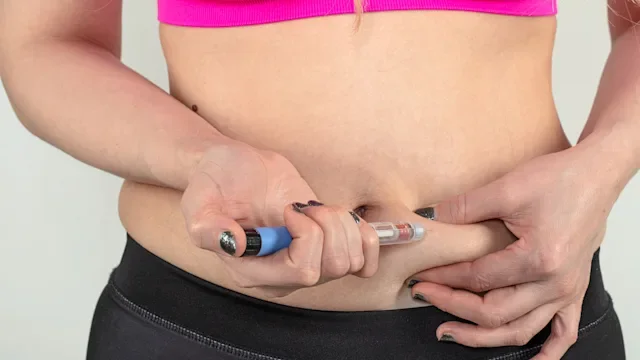
Ozempic (semaglutide) is a once-weekly injection used to treat Type 2 diabetes. It works in a few different ways to manage your blood glucose (blood sugar).
Ozempic can interact with insulin and insulin-releasing medications, such as sulfonylureas and glinides. Low blood sugar, or hypoglycemia, is more likely with this interaction. Ozempic may also interfere with how you absorb oral medications.
Always share a list of your current medications and supplements with your prescriber and pharmacist before starting a new medication. They can help you avoid or manage serious interactions.
Save on related medications
Ozempic (semaglutide) is a popular once-weekly injectable used to treat Type 2 diabetes. It works by stimulating insulin release after meals and reducing glucose (sugar) production by the liver. It also slows down how fast your stomach empties. These effects can help manage your blood sugar. But if you’re taking other medications, they can also cause drug interactions.
Most commonly, Ozempic interactions can result in low blood sugar (hypoglycemia). This risk is highest when it’s taken with insulin and insulin-releasing medications. In other cases, Ozempic may affect how your body absorbs medications that you take by mouth.
Several of these interactions can be managed up front. So, as you’re getting started on Ozempic — or adding another medication to it — your prescriber may make some adjustments ahead of time. Make sure they have your current medication list for review.
Search and compare options
Ozempic interactions at a glance
While it’s not a comprehensive list, here is a quick summary of possible Ozempic interactions and their potential effects.
| Interacting medication or substance | Potential effects |
|---|---|
| Insulin | Increased risk of low blood sugar |
| Sulfonylureas | Increased risk of low blood sugar |
| Glinides | Increased risk of low blood sugar |
| Oral medications, such as birth control and thyroid pills | Possible changes in oral medication absorption |
| Certain antibiotics |
|
| Certain blood pressure medications |
|
| Alcohol |
|
Below, we’ll review eight notable Ozempic interactions you should know about.
1. Insulin
If you’re taking insulin as part of your treatment plan, your prescriber may also add Ozempic to the mix. However, this combination can increase your risk of low blood sugar.
When taken on its own, Ozempic doesn’t usually cause low blood sugar. That’s because it stimulates your pancreas to release insulin in response to food. But when you inject insulin, it lowers your blood sugar even if you haven’t eaten. So, if Ozempic and insulin are used together, your blood sugar levels could drop too low. If this happens, you may feel shaky, anxious, or sweaty.
Your prescriber may manage this interaction ahead of time when you’re starting either medication. This includes lowering your Ozempic or insulin dosage to prevent low blood sugar.
It’s also a good idea to check your sugar levels regularly during treatment. Let your prescriber know if your readings are too high or too low. Your medications can be adjusted to help keep your blood sugar in your target range.
2. Sulfonylureas
Sulfonylureas, such as glipizide (Glucotrol XL), glimepiride, and glyburide (DiaBeta, Glynase), are oral pills for Type 2 diabetes. They also work by telling your pancreas to produce insulin. But unlike Ozempic, this happens whether you’ve eaten or not. They also help your body use insulin more effectively.
Because of how they work, the most common sulfonylurea side effect is low blood sugar. Combining Ozempic with a sulfonylurea can increase the risk of low blood sugar. So, your prescriber will likely take the same precautions as with insulin.
Tell your prescriber if you’re experiencing hypoglycemia episodes with this combination. They may further adjust your sulfonylurea dose.
3. Glinides
Glinides, such as repaglinide and nateglinide, are a class of oral diabetes medications. Similar to sulfonylureas, glinides work by telling your pancreas to release insulin. But they work faster and for a shorter period of time, so they’re taken before each meal.
The interaction between Ozempic and glinides is similar to insulin and sulfonylureas. This combination can increase your risk of hypoglycemia. And your prescriber may manage this interaction in a similar way.
4. Thyroid medication
One of the ways Ozempic works to lower blood sugar is by slowing the passage of food out of the stomach. But slowed stomach emptying may also affect how you absorb certain oral medications, such as thyroid medications.
Ozempic studies looked at how it might affect oral medication absorption. This wasn’t found to be a significant issue for the medications that were tested. Even so, it’s still best to be cautious and let your healthcare team know about any symptom changes, such as:
Nervousness
Trouble sleeping
Shaky hands (tremor)
Cold sensitivity
Dry skin
5. Antibiotics
If you’ve been prescribed an antibiotic, there are a few things to know if you’re combining it with Ozempic:
Side effects: Antibiotics can upset your stomach or cause nausea, which may be worse with Ozempic.
Blood sugar changes: Some antibiotics, such as fluoroquinolones, can affect blood sugar levels. This includes causing hypoglycemia, which may be more likely if they’re taken with Ozempic. Monitor your blood sugar levels closely with this combination.
Absorption: Similar to thyroid medications, it’s possible that Ozempic could affect how you absorb oral antibiotics.
Make sure your healthcare team knows you’re using Ozempic before starting an antibiotic. They can determine how best to manage any potential interactions.
6. Blood pressure medication
If you’re using Ozempic, you may also be taking blood pressure medications, which can help lower risk of certain diabetes complications. But there are several things to keep in mind with this combination:
Blood pressure changes: Ozempic treatment can result in lower blood pressure. If you’re taking blood pressure medications, your healthcare team may need to make adjustments to avoid low blood pressure (hypotension).
Masking symptoms: Some blood pressure medications, such as beta blockers, can mask shaking, irritability, and other low blood sugar symptoms. You may need to watch for other symptoms that aren’t masked, such as sweating.
Blood sugar changes: Certain blood pressure medications, such as thiazide diuretics and beta blockers, can raise blood sugar levels. Tell your healthcare team if your readings are higher than usual. They may need to adjust your Ozempic dose.
Absorption: Ozempic could potentially affect how you absorb oral blood pressure medications. Tell your healthcare team if you notice changes in your blood pressure readings with this combination.
7. Other oral medications
As mentioned, Ozempic may interfere with how you absorb oral medications. Keep in mind if you take narrow therapeutic index medications, such as warfarin (Coumadin, Jantoven) or digoxin (Lanoxin). In these cases, small changes in blood levels can have a big effect on their safety and effectiveness. Your healthcare team may need to monitor your blood levels more frequently.
It’s also important to note that some women taking oral birth control pills have reported getting pregnant while using Ozempic. And a similar medication, Mounjaro (tirzepatide), lists birth control pills as a potential interaction. If you’re able to get pregnant, talk to your healthcare team about your contraceptive options while using Ozempic.
For other oral medications, your prescriber can determine how this interaction may potentially affect you. They may decide to change your medication regimen or monitor you more closely.
8. Alcohol
Ozempic and alcohol aren’t known to directly interact with each other. But combining the two can potentially worsen side effects and offset the benefits of Ozempic, depending on how much you drink.
Worsens side effects: Ozempic can cause side effects such as nausea, headaches, and low blood sugar. Alcohol can have similar effects, which may be worse if they’re combined. Both Ozempic and alcohol have also been linked to pancreatitis (inflammation of the pancreas).
Reduces benefits: Ozempic has proven cardiovascular and kidney-related benefits for certain people with Type 2 diabetes. Alcohol use, on the other hand, is linked to heart disease, high blood pressure, and harm to the kidneys. Drinking alcohol may offset some of Ozempic’s benefits.
That said, some people using Ozempic report drinking less during treatment. This is because Ozempic is thought to reduce the pleasure and reward you get from drinking. Even so, it’s best to talk to your healthcare team if you decide to drink alcohol while using Ozempic.
Frequently asked questions
Ozempic may interact with the following supplements or herbs:
Supplements that impact blood sugar, such as niacin, ginseng, fenugreek, gymnema, and ginkgo biloba
Supplements that may worsen Ozempic side effects, such as 5-HTP, berberine, iron, and calcium
Check with your healthcare team before adding any supplements or herbal products to your regimen.
No, Ozempic isn’t known to interact with any vaccines. Medications that interfere with vaccines are usually those that weaken the immune system. This prevents you from responding to the vaccine as well. But Ozempic isn’t known to have this effect.
No, Ozempic isn’t known to interfere with any lab tests. But if you’re taking oral medications that require regular lab tests, such as warfarin, your healthcare team may monitor them more frequently. That’s because Ozempic may interfere with how your body absorbs warfarin, which can impact its safety and effectiveness.
Yes, Ozempic and amitriptyline can be taken together in most cases. There’s no known direct drug interactions between the two. But Ozempic slows stomach emptying, which may affect how some oral medications like amitriptyline are absorbed.
If you’re prescribed both medications, tell your prescriber if you notice any changes in symptoms or side effects.
Yes, many people take Ozempic with antidepressants. There aren’t known major interactions between Ozempic and most antidepressants.
That said, some evidence has linked semaglutide to depression and suicidal thoughts, especially among people also taking antidepressants. But other studies have found lower rates of depression and anxiety among people taking GLP-1s. The FDA is actively monitoring this potential risk but has not found clear evidence of a causal link.
If you have a history of depression or mood changes, talk to your healthcare team before starting Ozempic. Let them know if you notice any changes in mood while using it.
Yes, eggs are generally a good food choice with Ozempic for many people. They’re high in protein, which can help you feel full longer and maintain muscle while losing weight.
If you experience nausea or digestive discomfort, eating eggs prepared in lighter ways, such as boiled or scrambled with minimal fat, may be easier to tolerate.
Ozempic may interact with the following supplements or herbs:
Supplements that impact blood sugar, such as niacin, ginseng, fenugreek, gymnema, and ginkgo biloba
Supplements that may worsen Ozempic side effects, such as 5-HTP, berberine, iron, and calcium
Check with your healthcare team before adding any supplements or herbal products to your regimen.
No, Ozempic isn’t known to interact with any vaccines. Medications that interfere with vaccines are usually those that weaken the immune system. This prevents you from responding to the vaccine as well. But Ozempic isn’t known to have this effect.
No, Ozempic isn’t known to interfere with any lab tests. But if you’re taking oral medications that require regular lab tests, such as warfarin, your healthcare team may monitor them more frequently. That’s because Ozempic may interfere with how your body absorbs warfarin, which can impact its safety and effectiveness.
Yes, Ozempic and amitriptyline can be taken together in most cases. There’s no known direct drug interactions between the two. But Ozempic slows stomach emptying, which may affect how some oral medications like amitriptyline are absorbed.
If you’re prescribed both medications, tell your prescriber if you notice any changes in symptoms or side effects.
Yes, many people take Ozempic with antidepressants. There aren’t known major interactions between Ozempic and most antidepressants.
That said, some evidence has linked semaglutide to depression and suicidal thoughts, especially among people also taking antidepressants. But other studies have found lower rates of depression and anxiety among people taking GLP-1s. The FDA is actively monitoring this potential risk but has not found clear evidence of a causal link.
If you have a history of depression or mood changes, talk to your healthcare team before starting Ozempic. Let them know if you notice any changes in mood while using it.
Yes, eggs are generally a good food choice with Ozempic for many people. They’re high in protein, which can help you feel full longer and maintain muscle while losing weight.
If you experience nausea or digestive discomfort, eating eggs prepared in lighter ways, such as boiled or scrambled with minimal fat, may be easier to tolerate.
The bottom line
Ozempic (semaglutide) can interact with insulin and other insulin-releasing medications, such as sulfonylureas and glinides. It may also potentially affect how you absorb medications you take by mouth, including birth control pills.
Contact your healthcare team if you’re concerned about Ozempic interactions. They can help you avoid or manage any serious interactions.

Why trust our experts?



References
Alnaimat, F., et al. (2023). Vaccination in the era of immunosuppression. Vaccines.
Gaddam, A., et al. (2015). Role of fenugreek in the prevention of Type 2 diabetes mellitus in prediabetes. Journal of Diabetes and Metabolic Disorders.
National Institute on Alcohol Abuse and Alcoholism. (2025). Alcohol's effects on health: Research-based information on drinking and its impact. National Institutes of Health.
National Kidney Foundation. (n.d.). Alcohol and your kidneys.
Novo Nordisk. (2025). Ozempic (semaglutide) injection, for subcutaneous use [package insert].
U.S. Food and Drug Administration. (2018). FDA reinforces safety information about serious low blood sugar levels and mental health side effects with fluoroquinolone antibiotics; requires label changes.
U.S. Food and Drug Administration. (2024). Update on FDA’s ongoing evaluation of reports of suicidal thoughts or actions in patients taking a certain type of medicines approved for type 2 diabetes and obesity.
Zia, M., et al. (2019). Fluctuating international normalized ratio in patients compliant on warfarin: Could gastroparesis be the cause? Cureus.