Key takeaways:
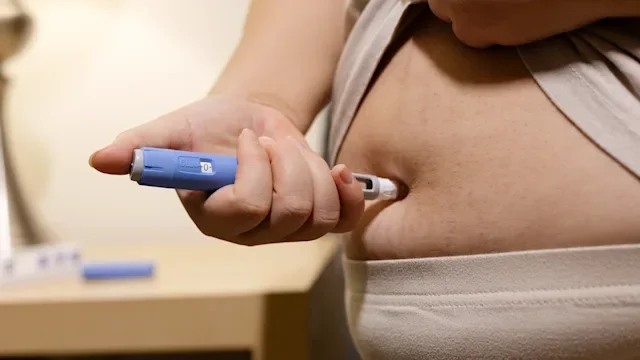
Ozempic (semaglutide) is a once-weekly injection and daily oral pill that’s FDA approved to treat Type 2 diabetes in adults. It works in several different ways to help improve blood glucose (sugar) levels.
Ozempic mimics a naturally occurring gut hormone called glucagon-like peptide-1 (GLP-1). It causes your pancreas to release insulin after you eat, reduces sugar production in the liver, and slows the movement of food out of your stomach.
Ozempic can also work on areas of the brain responsible for appetite and fullness. This can result in weight loss, which can help make blood sugar levels easier to manage.
If you’re new to using GoodRx for Ozempic injection savings, pay an introductory price of $199 per month for the first two fills (only available for certain doses). You can also access the Ozempic pill starting at $149 per month.
Save on related medications
When you eat food, it sets off an important chain of events within your body. As your blood glucose (sugar) levels start to rise, gut hormones called incretins jump into action. Their primary job involves signaling the pancreas to release insulin — otherwise known as the “incretin effect.”
The incretin effect helps keep your blood sugar levels from getting too high after you eat. But for people living with Type 2 diabetes, the incretin effect may not produce this same result. And some people may not have an incretin effect at all.
Ozempic (semaglutide) is a medication that’s made to act like an incretin called glucagon-like peptide-1 (GLP-1). For people with Type 2 diabetes, Ozempic can help provide the benefits of the incretin effect — in the form of a once-weekly injection or a daily oral pill. Here’s how it works.
Search and compare options
How does Ozempic work for Type 2 diabetes?
Ozempic is a GLP-1 receptor agonist. It helps lower hemoglobin A1C (your average blood sugar levels over about 3 months) by up to about 2%, depending on the dose. It also has proven heart and kidney-related benefits for certain people living with Type 2 diabetes.
Researchers are still learning about all the effects GLP-1 medications like Ozempic have in the body. But here are four main ways Ozempic works for Type 2 diabetes.
1. Ozempic tells your pancreas to release insulin after you eat
Insulin has an important job in the body. It serves as the key that unlocks our cells, allowing sugar to enter and be used for energy — or stored for later. After we eat, our blood sugar levels rise. The pancreas normally releases insulin in response to keep this all in balance.
If you have Type 2 diabetes, your pancreas may not be releasing enough insulin to handle the sugar in your blood. This is where Ozempic can help. It tells the pancreas to release more insulin after you eat, helping to lower post-meal blood sugar spikes.
Ozempic’s effect on insulin release primarily happens when your blood sugar goes up, such as after a meal. Because of this, Ozempic has a much smaller risk of hypoglycemia (low blood sugar) compared to certain diabetes medications, such as sulfonylureas. This is because sulfonylureas trigger insulin release whether you’ve eaten or not.
2. Ozempic reduces the amount of sugar your liver makes
In addition to insulin, your pancreas also releases glucagon to keep your blood sugar levels in balance. One of glucagon’s jobs is to tell your liver to make sugar when your body’s stores are running low. People with Type 2 diabetes tend to make more of their sugar this way, which can contribute to higher blood sugar levels.
Ozempic reduces the amount of glucagon released by the pancreas. This, in turn, lowers the amount of sugar made by your liver.
3. Ozempic slows the movement of food out of your stomach
Ozempic can slow gastric emptying, which is how quickly food moves out of your stomach. This can slow down how fast you absorb carbohydrates from food, which can help improve blood sugar levels after you eat. You may also feel full for longer.
But slowed gastric emptying from Ozempic doesn’t appear to be a long-term effect. It’s usually more pronounced after you start Ozempic and should lessen as your body gets used to treatment. This effect can also contribute to some of Ozempic’s side effects, such as nausea, which also usually improve over time.
4. Ozempic targets the areas of the brain that regulate appetite and fullness
Some people report changes in their appetite and cravings after starting Ozempic. This is thought to be due to how Ozempic affects areas of the brain responsible for regulating appetite and fullness. Ozempic may also lessen cravings or preferences for certain foods, such as fatty, energy-dense foods that can add extra calories.
These effects can result in weight loss for some people using Ozempic. In fact, Ozempic’s effect on body weight is one of the reasons it may be prescribed in the first place. Even a small amount of weight loss can help make blood sugar levels easier to manage. And you may notice improvements in your blood pressure and cholesterol, too.
How to save on Ozempic
There are ways to save on Ozempic, which is available as a brand-name medication. GoodRx coupons, manufacturer copay savings cards, and patient assistance programs can help make your prescription more affordable.
Save with GoodRx. If you’re new to using GoodRx for Ozempic injection savings, pay an introductory price of $199 per month for the first two fills (only available for certain doses). After that, most ongoing fills are priced at $349 per month, depending on the dose. You can also access the Ozempic pill starting at $149 per month.
Save with a copay savings card. If you have commercial insurance that covers Ozempic, you could pay as little as $25 for up to a 3-month supply with the card.
Save with a patient assistance program. If you have Medicare or don’t have insurance and meet income requirements, you may qualify to get Ozempic at no cost.
Save with direct pharmacy programs. Get discounted Ozempic delivered directly to your home through NovoCare Pharmacy.
Frequently asked questions
Ozempic is intended for long-term use. Your prescriber will likely have you continue using Ozempic as long as it’s working well for you and the side effects aren’t an issue. If you experience bothersome side effects or don’t meet your treatment goals, they may adjust your dose or recommend a different medication.
Ozempic is a prescription medication. You’ll need a healthcare professional to prescribe it for you. They’ll review your medical history, current medications, and treatment goals to determine if it’s a good option for you.
You can get a prescription through an in-person visit or a telehealth appointment. Once prescribed, Ozempic injections and pills can be filled at most retail pharmacies. You can also get the medication delivered directly to your home.
It depends on your treatment goals. Ozempic and metformin work differently for Type 2 diabetes, each with their own benefits. You may be prescribed Ozempic, metformin, or both together. Here’s what you should know:
Metformin is a common first-choice treatment for Type 2 diabetes. It’s effective, affordable, and comes as an oral pill and liquid. It’s also available in combination pills with other diabetes medications for convenience.
Ozempic is typically used when you need more help managing your blood sugar. It can also be a good choice if weight loss, heart protection, or kidney protection is also a goal.
Nausea is the most commonly reported Ozempic side effect, especially when starting treatment and after dose increases. But for many people, nausea tends to improve over time as their body gets used to the medication.
Yes, Ozempic is generally considered safe for many people with Type 2 diabetes when used as prescribed. But like all medications, it can cause side effects. The most common ones include nausea and vomiting, diarrhea, and constipation.
More serious risks are possible but less common. Examples include pancreatitis (swelling of the pancreas), gallbladder problems, and worsening of diabetes-related eye conditions. Ozempic also carries a boxed warning about a potential risk of thyroid C-cell tumors based on animal studies. Your healthcare professional can help determine if Ozempic is safe for you based on your health history.
Ozempic isn’t approved as a weight-loss medication, but some people lose weight while using it. In clinical trials, people using Ozempic injections for Type 2 diabetes lost an average of about 13 lbs to 15 lbs at 40 weeks (9 months), depending on the dose.
Some people may lose more weight, especially when combining Ozempic with lifestyle changes like a diabetes-friendly diet and regular exercise.
Ozempic is intended for long-term use. Your prescriber will likely have you continue using Ozempic as long as it’s working well for you and the side effects aren’t an issue. If you experience bothersome side effects or don’t meet your treatment goals, they may adjust your dose or recommend a different medication.
Ozempic is a prescription medication. You’ll need a healthcare professional to prescribe it for you. They’ll review your medical history, current medications, and treatment goals to determine if it’s a good option for you.
You can get a prescription through an in-person visit or a telehealth appointment. Once prescribed, Ozempic injections and pills can be filled at most retail pharmacies. You can also get the medication delivered directly to your home.
It depends on your treatment goals. Ozempic and metformin work differently for Type 2 diabetes, each with their own benefits. You may be prescribed Ozempic, metformin, or both together. Here’s what you should know:
Metformin is a common first-choice treatment for Type 2 diabetes. It’s effective, affordable, and comes as an oral pill and liquid. It’s also available in combination pills with other diabetes medications for convenience.
Ozempic is typically used when you need more help managing your blood sugar. It can also be a good choice if weight loss, heart protection, or kidney protection is also a goal.
Nausea is the most commonly reported Ozempic side effect, especially when starting treatment and after dose increases. But for many people, nausea tends to improve over time as their body gets used to the medication.
Yes, Ozempic is generally considered safe for many people with Type 2 diabetes when used as prescribed. But like all medications, it can cause side effects. The most common ones include nausea and vomiting, diarrhea, and constipation.
More serious risks are possible but less common. Examples include pancreatitis (swelling of the pancreas), gallbladder problems, and worsening of diabetes-related eye conditions. Ozempic also carries a boxed warning about a potential risk of thyroid C-cell tumors based on animal studies. Your healthcare professional can help determine if Ozempic is safe for you based on your health history.
Ozempic isn’t approved as a weight-loss medication, but some people lose weight while using it. In clinical trials, people using Ozempic injections for Type 2 diabetes lost an average of about 13 lbs to 15 lbs at 40 weeks (9 months), depending on the dose.
Some people may lose more weight, especially when combining Ozempic with lifestyle changes like a diabetes-friendly diet and regular exercise.
The bottom line
Ozempic (semaglutide) is a once-weekly injection and daily oral pill for Type 2 diabetes. It helps improve blood glucose (sugar) levels by telling your pancreas to release insulin, reducing sugar production in the liver, and slowing how quickly food leaves your stomach.
Ozempic also work in areas of the brain that help regulate appetite and fullness. This can result in weight loss that helps make blood sugar levels easier to manage.

Why trust our experts?



References
Blundell, J., et al. (2017). Effects of once‐weekly semaglutide on appetite, energy intake, control of eating, food preference and body weight in subjects with obesity. Diabetes, Obesity, and Metabolism.
Boer, G. A., et al. (2020). Incretin hormones and Type 2 diabetes—mechanistic insights and therapeutic approaches. Biology.
Frias, J. P., et al. (2021). Efficacy and safety of once-weekly semaglutide 2·0 mg versus 1·0 mg in patients with type 2 diabetes (SUSTAIN FORTE): a double-blind, randomised, phase 3B trial. The Lancet.
Friedrichsen, M., et al. (2021). The effect of semaglutide 2.4 mg once weekly on energy intake, appetite, control of eating, and gastric emptying in adults with obesity. Diabetes, Obesity, and Metabolism.
Gorgojo-Martínez, J. J., et al. (2022). Clinical recommendations to manage gastrointestinal adverse events in patients treated with Glp-1 receptor agonists: A multidisciplinary expert consensus. Journal of Clinical Medicine.
Hjerpsted, J. B., et al. (2017). Semaglutide improves postprandial glucose and lipid metabolism, and delays first‐hour gastric emptying in subjects with obesity. Diabetes, Obesity, and Metabolism.
Jahagirdar, D., et al. (2023). Semaglutide for Type 2 diabetes (2 mg). CADTH Health Technology Review.
Jiang, S., et al. (2020). Diabetic-induced alterations in hepatic glucose and lipid metabolism: The role of type 1 and type 2 diabetes mellitus. Molecular Medicine Reports.
Marso, S. P., et al. (2016). Semaglutide and cardiovascular outcomes in patients with Type 2 diabetes. The New England Journal of Medicine.
Meloni, A. R., et al. (2012). GLP-1 receptor activated insulin secretion from pancreatic β-cells: Mechanism and glucose dependence. Diabetes, Obesity, and Metabolism.
Nauck, M. A., et al. (2023). Incretin hormones and Type 2 diabetes. Diabetologia.
Rix, I., et al. (2019). Glucagon physiology. Endotext.
You and Your Hormones. (2021). Insulin.