





Can Allergies Cause Headaches?
Allergies may cause nasal inflammation that can lead to sinus headaches or trigger migraines. Learn the symptoms and treatment options for allergy headaches.
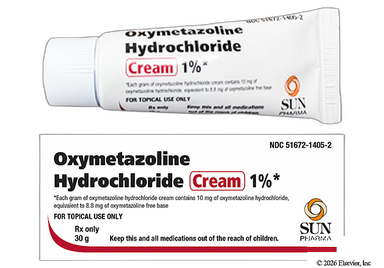
Oxymetazoline (Afrin) is a nasal decongestant spray. More specifically, it's an alpha-1 receptor agonist. Oxymetazoline (Afrin) is sprayed into the nostrils up to twice daily to help relieve stuffy noses. But you should avoid using it for longer than 3 days in a row because doing so can raise the risk for rebound congestion. There are oxymetazoline products for children and adults that differ in dosage, so read the label on your specific product to make sure it's appropriate for you. Some side effects of this medication might include mild burning or stinging in the nose.

Oxymetazoline (Afrin) is an alpha-1 receptor agonist. It works by attaching to receptors in your nose and sinuses. This causes the blood vessels in your nose and sinuses to tighten, which relieves nasal swelling and congestion. So oxymetazoline (Afrin) makes it easier for you to breathe through your nose.
| Common Brands | Afrin, Mucinex Sinus-Max, Vicks Sinex, Zicam Extreme Congestion, Xlear Nasal Decongestant |
|---|---|
| Drug Class | Alpha adrenergic receptor agonist |
| Controlled Substance Classification | Not a controlled medication |
| Generic Status | Lower-cost generic available |
| Availability | Over-the-counter |

The following side effects may get better over time as your body gets used to the medication. Let your healthcare provider know immediately if you continue to experience these symptoms or if they worsen over time.
Along with its needed effects, a medicine may cause some unwanted effects. Although not all of these side effects may occur, if they do occur they may need medical attention.
When this medicine is used for short periods of time at low doses, side effects usually are rare.
Check with your doctor as soon as possible if any of the following side effects occur:
With overuse or long-term use
Increase in irritation or redness of eyes
Symptoms of too much medicine being absorbed into the body
Fast, irregular, or pounding heartbeat
headache or lightheadedness
nervousness
trembling
trouble in sleeping
Other side effects not listed may also occur in some patients. If you notice any other effects, check with your healthcare professional.
Call your doctor for medical advice about side effects. You may report side effects to the FDA at 1-800-FDA-1088.



How to use oxymetazoline (Afrin):

Oxymetazoline (Afrin) can cause some serious health issues. This risk may be even higher for certain groups. If this worries you, talk to your doctor or pharmacist about other options.
Don't use oxymetazoline (Afrin) for more than 3 days in a row. Doing so can lead to rebound congestion, meaning your symptoms could get worse or come back after you stop using this medication. Talk to your primary care provider or pharmacist about better long-term alternative products to help with your congestion.
Oxymetazoline (Afrin) might not be safe for people with certain medical conditions, like high blood pressure, heart disease, or diabetes. Although oxymetazoline (Afrin) doesn't raise blood pressure as much as other decongestants, it's still a safety concern, especially if you have existing high blood pressure. If you have medical conditions like those listed above, ask your primary care provider before starting oxymetazoline (Afrin).
Oxymetazoline (Afrin) should only be used in your nose. Don't give this medication any other way. If you feel a nasal spray is not the best choice for you, ask your pharmacist or primary care provider for other options to treat your congestion. Young children who accidentally swallow can get serious side effects, including breathing problems and slow heart rate. If you or someone else takes oxymetazoline (Afrin) by mouth, get medical help right away or contact a poison control center at 1-800-222-1222.

 Nasal spray
| Dosage | Quantity | Price as low as | Price per unit |
|---|---|---|---|
| 15ml of 0.05% | 1 nasal spray | $10.27 | $10.27 |
| 30ml of 0.05% | 1 nasal spray | $10.97 | $10.97 |
Oxymetazoline 0.05% nasal spray:
Oxymetazoline 0.025% nasal spray:

Although certain medicines should not be used together at all, in other cases two different medicines may be used together even if an interaction might occur. In these cases, your doctor may want to change the dose, or other precautions may be necessary. When you are taking this medicine, it is especially important that your healthcare professional know if you are taking any of the medicines listed below. The following interactions have been selected on the basis of their potential significance and are not necessarily all-inclusive.
Using this medicine with any of the following medicines is usually not recommended, but may be required in some cases. If both medicines are prescribed together, your doctor may change the dose or how often you use one or both of the medicines.











Prescription savings
Stop paying too much for your prescriptions. Compare prices, get pharmacy coupons, and save up to 80%.Resources
About GoodRx
 Find expert answers to your health questions so you can make the best decisions for yourself and your family.
Health conditions
Medications & treatment
Access & affordability
Well-being
Medication discounts

No, Oxymetazoline isn't a controlled substance and isn't known to be habit-forming. But if you use Oxymetazoline longer than recommended, you're at risk for rebound congestion. This is a side effect where your body gets used to Oxymetazoline and it stops working as well to treat your congestion. Some people might feel the urge to use more nasal spray to overcome the problem, but this only leads to worsening congestion. To avoid rebound congestion, don't use Oxymetazoline for longer than 3 days. If you still have congestion after this time, talk with your primary care provider and they can recommend other treatment options.
No, Oxymetazoline isn't a steroid; it's a nasal decongestant, also known as alpha-1 agonist. If you have severe congestion, your primary care provider might recommend that you try both a steroid spray and Oxymetazoline.
Oxymetazoline isn't likely to keep you awake. Trouble sleeping can be a side effect of oral decongestants, but it's not as likely with Oxymetazoline nasal spray. If you're having trouble sleeping while using Oxymetazoline, talk with your primary care provider. They can try to help you figure out if your insomnia is caused by Oxymetazoline or other factors, and recommend ways to help you get better rest.
If you have high blood pressure or are taking blood pressure medications, ask your primary care provider if Oxymetazoline is safe for you. This medication isn't recommended for people who have high blood pressure because it might worsen blood pressure. But limited research suggests that Oxymetazoline isn't likely to raise blood pressure for people who don't have blood pressure problems.
You can use up to 3 sprays of Oxymetazoline every 10 or 12 hours. But don't use the medication for longer than 3 days. Doing so can worsen your congestion (rebound congestion) and make it harder to treat. To lower your risk of this side effect, use the lowest dose of Oxymetazoline for the shortest amount of time and space out the time between doses for as long as you're able to. If you're still having congestion after using Oxymetazoline for 3 days, contact your primary care provider to learn about other options.
Yes, children ages 6 years and older can use the 0.05% strength of Oxymetazoline; children ages 2 to 6 years old can use the 0.025% strength of Oxymetazoline. Since these are two different strengths of Oxymetazoline with different age cut-offs, be sure to carefully check the product you're purchasing to make sure it's safe and recommended for your child.
If you have congestion during pregnancy, talk with your obstetrician-gynecologist (OB-GYN) before taking any medication. More research is needed to understand the risks of taking Oxymetazoline during pregnancy. But one study suggests it might cause harm to the unborn baby. Your OB-GYN can recommend medications that are safer to take during pregnancy or walk you through some home remedy options.
While studies are limited, Oxymetazoline isn't likely to cause harm to a nursing baby. This is because very little of Oxymetazoline is expected to pass into breast milk. Speak with your obstetrician-gynecologist (OB-GYN) if you have concerns about using this medication while breastfeeding.
