







Can You Drink Alcohol After Getting the Flu Shot or While Taking Tamiflu or Xofluza?
Healthcare professionals do not recommend drinking alcohol after taking a flu shot, or while taking flu medications like Tamiflu. Learn why here.
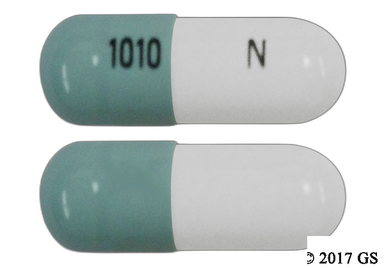
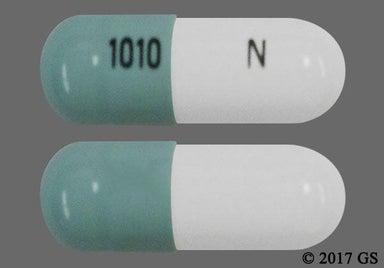
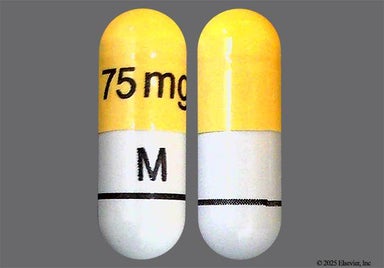
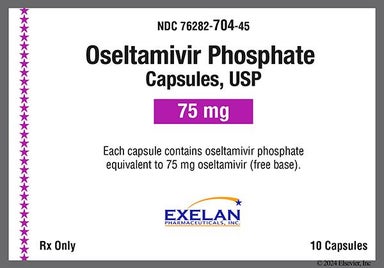
Tamiflu (oseltamivir) works well to treat the flu, but you have to take your first dose within 48 hours of the start of your flu symptoms. It can also help prevent the flu if you've recently been in close contact with someone who has the flu. Kids as young as 2 weeks old can take Tamiflu (oseltamivir), but keep in mind that the pediatric dosing is different than adult dosing. It's only available with a prescription (not available over the counter), so don't wait to see your provider if you start feeling sick. This medication comes as a brand or generic capsule or fruit-flavored liquid. Tamiflu (oseltamivir) can cause side effects like nausea and vomiting.

Tamiflu (oseltamivir) is an antiviral medication. More specifically, it's a neuraminidase inhibitor (NAI). Neuraminidase is a protein that's found on the surface of the influenza (flu) virus. It plays a role in helping the virus spread inside someone who's infected. By blocking this protein, Tamiflu (oseltamivir) prevents the flu virus from releasing copies of itself throughout your body and making you feel sicker.
| Common Brands | Tamiflu |
|---|---|
| Drug Class | Antiviral |
| Controlled Substance Classification | Not a controlled medication |
| Generic Status | Lower-cost generic available |
| Availability | Prescription only |

The following side effects may get better over time as your body gets used to the medication. Let your healthcare provider know immediately if you continue to experience these symptoms or if they worsen over time.
For flu treatment
For flu prevention
Contact your healthcare provider immediately if you experience any of the following.
Along with its needed effects, a medicine may cause some unwanted effects. Although not all of these side effects may occur, if they do occur they may need medical attention.
Check with your doctor immediately if any of the following side effects occur:
Rare
Abdominal or stomach cramps or tenderness
arm, back, or jaw pain
chest pain or discomfort
diarrhea, watery and severe, which may also be bloody
facial swelling
fast or irregular heartbeat
hoarseness
increased thirst
shortness of breath
unusual weight loss
Incidence not known
Blistering, peeling, or loosening of the skin
convulsions (seizures)
dark urine
difficulty with swallowing
fainting
fast, slow, or irregular heartbeat
hives or welts
itching, puffiness, or swelling of the eyelids or around the eyes, face, lips, or tongue
joint or muscle pain
light-colored stools
loss of bladder control
loss of consciousness
muscle spasm or jerking of all extremities
red skin lesions, often with a purple center
red, irritated eyes
skin rash or itching over the entire body
sores, ulcers, or white spots in the mouth or on the lips
sweating
upper right abdominal or stomach pain
yellow eyes and skin
Some side effects may occur that usually do not need medical attention. These side effects may go away during treatment as your body adjusts to the medicine. Also, your health care professional may be able to tell you about ways to prevent or reduce some of these side effects. Check with your health care professional if any of the following side effects continue or are bothersome or if you have any questions about them:
Less common
Abdominal or stomach pain
bloody nose or unexplained nosebleeds (occurs mainly in children)
burning, dry, or itching eyes (mainly in children)
dizziness
ear disorder (occurs mainly in children)
excessive tearing of the eyes (mainly in children)
redness, pain, or swelling of the eye or eyelid (mainly in children)
trouble with sleeping
Incidence not known
blurred vision
cracked, dry, or scaly skin
flushed, dry skin
mood or mental changes
skin rash that is encrusted, scaly, and oozing
Other side effects not listed may also occur in some patients. If you notice any other effects, check with your healthcare professional.
Call your doctor for medical advice about side effects. You may report side effects to the FDA at 1-800-FDA-1088.



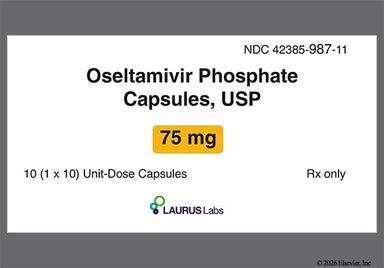
For the Tamiflu (oseltamivir) capsule:
For the liquid version of Tamiflu (oseltamivir)

Tamiflu (oseltamivir) can cause some serious health issues. This risk may be even higher for certain groups. If this worries you, talk to your doctor or pharmacist about other options.
In some rare cases, people have developed a serious, potentially life-threatening skin reaction called Stevens-Johnson syndrome (SJS) after starting Tamiflu (oseltamivir). This is a type of allergic rash that's painful and creates blisters all over the body. It's also possible to have an allergic reaction (including anaphylaxis) to Tamiflu (oseltamivir). Get medical attention right away if you notice a new or severe rash; a rash accompanied by a fever, unexplained blisters, or new sores inside your mouth; swelling of the face or lips; or trouble breathing.
Some people reported changes to their behavior, including hallucinations, after starting Tamiflu (oseltamivir). In studies, this happened more often in children. The flu is known to potentially cause these same changes in behavior, so experts aren't sure whether these mental health changes are due to Tamiflu (oseltamivir) or the flu virus. When this phenomenon happens, it usually comes on without warning and goes away quickly. But very rarely, changes in behavior can possibly include dangerous or deadly actions that lead to injuries. Call your healthcare provider right away if you have a change in thinking clearly, a change in the way you act, speech problems, shakiness, seizures, or hallucinations.
It's possible for Tamiflu (oseltamivir) to affect how well the nasal spray flu vaccine works. This vaccine is also called the live attenuated influenza vaccine (LAIV). The nasal spray flu vaccine might not work as well if you get it while you're currently taking or have recently finished Tamiflu (oseltamivir). Wait 48 hours after finishing Tamiflu (oseltamivir) to get the nasal spray flu vaccine. If you received the vaccine less than 2 weeks before starting Tamiflu (oseltamivir), speak with your healthcare provider to see what you should do.
Tamiflu (oseltamivir) is an antiviral and doesn't work for treating illnesses caused by bacteria. Some bacterial infections start with flu-like symptoms or can happen while you're still sick with the flu. Tell your healthcare provider right away if you start to feel sick again, have a new fever or chills, or get worse instead of better, as these could be signs of a new or different infection.
The liquid form of Tamiflu (oseltamivir) has sorbitol (a sugar alcohol) in it. People who have a genetic fructose intolerance might get upset stomach and diarrhea if they take this form of Tamiflu (oseltamivir). As an alternative to the liquid form, the capsules don't contain sorbitol and they can be opened and mixed into a sweetened syrup. It's also possible for certain pharmacies (called compounding pharmacies) to create a personalized Tamiflu (oseltamivir) liquid without sorbitol if the dose of the capsules is too high for you or your child. Make sure your healthcare provider and pharmacist are aware of any fructose intolerance.

Flu treatment
Flu prevention
Your dose might differ if you have kidney problems (you might need to take the medication less often).

Although certain medicines should not be used together at all, in other cases two different medicines may be used together even if an interaction might occur. In these cases, your doctor may want to change the dose, or other precautions may be necessary. When you are taking this medicine, it is especially important that your healthcare professional know if you are taking any of the medicines listed below. The following interactions have been selected on the basis of their potential significance and are not necessarily all-inclusive.
Using this medicine with any of the following medicines is usually not recommended, but may be required in some cases. If both medicines are prescribed together, your doctor may change the dose or how often you use one or both of the medicines.













Prescription savings
Stop paying too much for your prescriptions. Compare prices, get pharmacy coupons, and save up to 80%. Find expert answers to your health questions so you can make the best decisions for yourself and your family.
Health conditions
Medications & treatment
Access & affordability
Medication discounts


You're contagious with the flu for as long as you have symptoms. Tamiflu, however, will help your symptoms go away about 1 to 2 days sooner than if you hadn't taken anything at all to help treat the flu.
No. Tamiflu is only available with a prescription from your provider. What's more, the medication works best when it's taken within 48 hours of your symptoms starting (to treat) or when it's taken as soon as possible after flu exposure (to prevent). So if you start to feel flu-like symptoms or were recently in contact with someone who has the flu, go visit your provider right away.
No, Tamiflu is an antiviral, meaning it's used to treat viral infections, like the flu. In fact, Tamiflu only helps treat flu viruses. Antibiotics, on the other hand, are used for bacterial infections. Because the flu is a viral infection and not a bacterial one, antibiotics won't work for the flu.
Tamiflu helps you feel better about 1 to 2 days sooner than you would if you hadn't taken any medication. Most people who don't take any medications for the flu feel sick for about 1 week.
Yes, current research shows that Tamiflu is safe for pregnant women to take. In fact, it's the preferred flu treatment and prevention for pregnant women. Based on available data, this medication hasn't been shown to harm unborn babies. It can help protect the mother and baby from the flu, which can be very dangerous to both.
In clinical studies, sleepiness or drowsiness weren't reported side effects of Tamiflu. If you do feel sleepy while taking Tamiflu, it's more likely that the flu virus is the culprit, as fatigue is one of the most common symptoms of the flu.
In certain situations, you can actually take Tamiflu when you're healthy to prevent the flu if you've been exposed to the virus and are at risk of getting sick. You might experience some side effects of the medication, though, like nausea and vomiting.
