fentanyl buccal
Fentanyl (Fentora) is a strong pain medication used to treat breakthrough cancer pain in people who already take around-the-clock opioid pain medications. It's a dissolvable tablet that's used on the inside of your cheek or under your tongue. You can use it if you're over the age of 18, but it requires special monitoring because of the risk of abuse, addiction, and overdose.


What is Fentanyl (Fentora)?
What is Fentanyl (Fentora) used for?
- Breakthrough cancer pain in adults 18 years and older
How Fentanyl (Fentora) works
Fentanyl (Fentora) belongs to a group of pain medications, known as opioids. It works directly on opioid receptors in your brain to relieve pain.
Drug facts
| Common Brands | Fentora |
|---|---|
| Drug Class | Opioid |
| Controlled Substance Classification | Schedule II |
| Generic Status | Lower-cost generic available |
| Availability | Prescription only |

Risks and warnings for Fentanyl (Fentora)
Fentanyl (Fentora) can cause some serious health issues. This risk may be even higher for certain groups. If this worries you, talk to your doctor or pharmacist about other options.
Life-threatening slowed breathing (respiratory depression)
- Risk factors: First 1 to 3 days of starting fentanyl (Fentora) | Dose changes | High doses | Switching between fentanyl-containing medications | Opioid-intolerance | Accidental overdose | Children | Age 65 years or older | Severe lung conditions | History of sleep apnea | Taking other medications that cause respiratory depression
 Fentanyl (Fentora) can cause serious,
life-threatening slowed breathing (respiratory depression) and death, even at normal doses. Your risk is greatest during the first 24 to 72 hours of starting fentanyl (Fentora) and after your dose is raised. If you're opioid-intolerant, meaning you aren't taking opioids around-the-clock, don't take fentanyl (Fentora).
Fentanyl (Fentora) can cause serious,
life-threatening slowed breathing (respiratory depression) and death, even at normal doses. Your risk is greatest during the first 24 to 72 hours of starting fentanyl (Fentora) and after your dose is raised. If you're opioid-intolerant, meaning you aren't taking opioids around-the-clock, don't take fentanyl (Fentora).
 For your safety, use fentanyl (Fentora) exactly as prescribed by your healthcare provider, and don't adjust your dose or switch between products without discussing with your provider first. Fentanyl (Fentora) is NOT equal to other forms of fentanyl, such as the patch, lozenge, or spray. Don't convert, switch, or substitute fentanyl (Fentora) with any other fentanyl-containing medications without proper guidance from your healthcare provider. Make sure to discuss your entire medical history with your provider, since some conditions put you at a higher risk for respiratory depression.
Accidental ingestion of even one dose, especially by children, can lead to severe breathing problems and death. Respiratory depression is a medical emergency that must be managed and treated right away. Alcohol and other medications, like benzodiazepines, sedatives, anxiety medications, and certain muscle relaxants, can slow down your breathing even more and you should avoid taking them together with fentanyl (Fentora). If you have shortness of breath, slowed breathing, tiredness or sleepiness during the day, anxiety, or confusion, call for emergency medical help right away.
Accidental overdose
- Risk factors: Children | Using more fentanyl (Fentora) than prescribed
Overdose can happen at recommended doses of fentanyl (Fentora), or if it's accidentally taken by a child or a loved one. Accidental ingestion of even one dose in a child can cause overdose and death. It can also happen if you take higher doses or take the medication more often than prescribed. If you live in a home with children or if children frequently visit your home, store both used and unused medication in a secure place. For questions about proper storage or disposal of fentanyl (Fentora), refer to the medication guide that came with your medication or ask your pharmacist.
Symptoms of an overdose include slowed breathing, sleepiness, muscle weakness, small pupils, cold or clammy skin, slow heart rate, or unresponsiveness. If you, your child, or anyone around you accidentally overdoses on fentanyl (Fentora), get emergency medical help right away. If you're at a high risk for overdose, have a history of opioid overdose, or live with children or other family members at high risk, your provider might prescribe naloxone (Narcan). Naloxone (Narcan) can be used in emergency situations for fentanyl (Fentora) overdose. It's important for you and your caregiver to know how to use naloxone (Narcan) in case an accidental overdose happens. Even if you use naloxone (Narcan) for an overdose, you'll still have to call for emergency medical help because it's effects are temporary.
Interactions with other medications
Using fentanyl (Fentora) with certain medications or suddenly stopping some medications can raise or lower levels of fentanyl (Fentora) in your body. For example, taking erythromycin (Ery-Tab), ketoconazole, or ritonavir (Norvir) raises fentanyl (Fentora) levels, leading to greater side effects, such as slowed breathing. Other medications like phenytoin (Dilantin), carbamazepine (Tegretol), or rifampin (Rifadin) can lower fentanyl (Fentora) levels in your body, leading to withdrawal symptoms or lessened pain relief. In these situations, your provider might need to adjust your medications or dosage. If you start or stop any medications, ask your pharmacist or healthcare provider if it's safe to continue using fentanyl (Fentora).
Slowed brain function and decreased alertness
- Risk factors: Age 65 years or older | Alcohol use | Taking other medications that make you less alert | High doses
Using fentanyl (Fentora) with alcohol or other medications, like benzodiazepines, sleep medications, antipsychotics, muscle relaxers, or other opioids, can slow down brain activity and lead to severe sleepiness, slowed breathing, coma, and even death. If you currently take or start taking any of these medications, work with your healthcare provider to take the lowest dose for the shortest amount of time. Because of the risk of excessive drowsiness, make sure you know how this medication affects you before driving a car or doing activities that require concentration. For your safety, let your provider know if you have a history of substance abuse. Call for emergency medical help right away if you experience severe sleepiness, dizziness, low heart rate, slowed breathing, muscle weakness, headache, slurred speech, blurred vision, or confusion.
Potential for addiction, abuse, and misuse
- Risk factors: Personal or family history of substance or alcohol abuse | History of mental health conditions | Using more fentanyl (Fentora) than prescribed | Long-term use of fentanyl (Fentora) | Improper storage or disposal of fentanyl (Fentora)
Using fentanyl (Fentora) can lead to abuse, misuse (using it for reasons other than prescribed), or addiction, even if you use it at the recommended dose. This can cause serious problems, such as overdose and death. Your risk is greater if you have a history of substance or alcohol abuse or mental health conditions, such as depression. To lower this risk, your healthcare provider will prescribe the lowest amount of fentanyl (Fentora) that's necessary for you for the shortest period of time possible. It's also important to properly store and dispose of used and unused medication to prevent it from coming into contact with anyone else.
Because of the risk of abuse, misuse, addiction, and overdose, the U.S. Food and Drug Administration (FDA) requires this medication to be under a restricted program called the Transmucosal Immediate Release Fentanyl Risk Evaluation and Mitigation Strategy (TIRF REMS). This means that fentanyl (Fentora) is only available at certified pharmacies, and healthcare providers must complete special training before prescribing this medication. Under this program, your provider or pharmacist is required to provide you with a medication guide and talk to you about the proper use, serious risks, and appropriate storage and disposal of this medication in order to keep you and your loved ones safe. It's important that you read the medication guide every time to familiarize yourself with safe use of this medication. To learn more about the TIRF REMS program or for a list of certified pharmacies, visit the website or call 1-866-822-1483.
Withdrawal in newborn babies
- Risk factors: Long-term use of fentanyl (Fentora) during pregnancy
Long-term use of fentanyl (Fentora) during pregnancy can cause your unborn baby to become dependent on opioids the same way that you can. Once your baby is born, they can experience withdrawal symptoms just like if you were to stop the medication suddenly. Withdrawal symptoms in your newborn can include high-pitched crying, poor feeding and sucking behavior, trembling, irritability, abnormal sleep patterns, and seizures. This condition is called neonatal opioid withdrawal syndrome and can be life-threatening if not recognized and treated in time. Let your healthcare provider know if you've used fentanyl (Fentora) during pregnancy or if you notice these symptoms in your baby.
Serotonin syndrome
- Risk factors: Using fentanyl (Fentora) with serotonergic medications
Using fentanyl (Fentora) with other medications that raise serotonin levels in your brain, known as serotonergic medications, can cause a life-threatening condition called serotonin syndrome. Some examples of serotonergic medications include fluoxetine (Prozac), duloxetine (Cymbalta), amitriptyline (Elavil), sumatriptan (Imitrex), monoamine oxidase inhibitors (MAOIs), and trazodone (Desyrel). Serotonin syndrome generally occurs within a few hours or a few days of combining these medications, but might occur later. Let your healthcare provider or pharmacist know if you start a new medication to make sure it's safe to combine with fentanyl (Fentora). Call for emergency medical help right away and stop using fentanyl (Fentora) if you experience nausea, vomiting, diarrhea, fever, agitation, hallucinations (seeing things that aren't there), shivering, restlessness, sweating, fast heart rate, or stiff muscles.
Low hormone levels (adrenal insufficiency)
- Risk factors: Using opioids for greater than 1 month | History of low cortisol levels
Using opioids like fentanyl (Fentora), especially for longer than 1 month, can lead to low levels of cortisol hormone (adrenal insufficiency). Cortisol helps control your mood, stress, blood pressure, and blood sugar levels. If you have symptoms such as nausea, vomiting, loss of appetite, tiredness, weakness, or dizziness, let your healthcare provider know so that tests can be performed. If your cortisol levels are too low, your provider will treat you with corticosteroids and you might slowly be weaned off of fentanyl (Fentora) or switched to another medication if necessary.
Low blood pressure and heart rate
- Risk factors: Age 65 years or older | Taking other medications that lower blood pressure | Dehydration | History of low blood pressure | Taking certain antipsychotics | Starting fentanyl (Fentora) | Dose adjustments | History of slow heart rate | Heart problems
Fentanyl (Fentora) can cause severe low blood pressure, including a drop in blood pressure when you stand from a sitting or lying position. This can lead to dizziness and fainting. Your risk is greater if you take medications for high blood pressure or if you take certain antipsychotics, known as phenothiazines. Be careful as you stand up after sitting for an extended period of time and make sure to sit back down if you feel faint or dizzy. The chances of low blood pressure are higher when you first start using fentanyl (Fentora) or with dose changes. Fentanyl (Fentora) can also cause slowed heart rate. Make sure to let your provider know if you have a history of heart problems, like abnormal heart rate (arrhythmias). If dizziness or lightheadedness doesn't go away, talk to your healthcare provider.
Seizures
- Risk factors: History of seizures | Taking other medications or having health conditions that raise your risk of seizures
Fentanyl (Fentora) can raise your risk of seizures if you have a history of seizures. If your seizures have worsened or become harder to control after starting fentanyl (Fentora), let your healthcare provider know right away.
Application site reactions
- Risk factors: Starting fentanyl (Fentora)
Fentanyl (Fentora) can sometimes cause application site reactions. These reactions include pain, irritation, ulcers, bleeding, and tingling, numbness, or a burning sensation. These reactions typically occur when you first start using fentanyl (Fentora), but it should get better with time and heal on their own. If you feel like your reactions are getting worse or aren't going away, let your healthcare provider know.

Side effects of Fentanyl (Fentora)
The following side effects may get better over time as your body gets used to the medication. Let your healthcare provider know immediately if you continue to experience these symptoms or if they worsen over time.
Common Side Effects
- Nausea (29%)
- Vomiting (20%)
- Tiredness (16%)
- Dizziness (13%)
- Low red blood cells (13%)
- Constipation (12%)
- Swelling of arms or legs (12%)
- Weakness (11%)
- Dehydration (11%)
- Headache (10%)
- Application site reaction (pain, ulcer, irritation, 10%)
Less Common Side Effects
- Drowsiness
- Low white blood cells
- Diarrhea
- Stomach pain
- Low potassium levels
- Pneumonia
- Weight loss
- Low appetite
- Confusion
- Depression
- Trouble sleeping
- Shortness of breath
- Cough
Fentanyl (Fentora) serious side effects
Contact your healthcare provider immediately if you experience any of the following.
- Overdose: not responding to sound or touch, slowed breathing, sleepiness, muscle weakness, small pupils, cold or clammy skin, slow heart rate, coma
- Serious allergic reaction: hives, shortness of breath, chest tightness, swelling of lips, tongue, face, or eyes
- Slowed breathing
- Withdrawal in newborn babies: irritability, overactivity, abnormal sleeping pattern, excessive or high-pitched crying, body shaking (tremor), vomiting, diarrhea, poor weight-gain, breathing problems, fever, sweating, seizures
- Adrenal insufficiency (low cortisol levels): nausea, vomiting, stomach pain, low appetite, tiredness, weakness, dizziness, low blood pressure
- Withdrawal: restlessness, runny nose, yawning, sweating, chills, widened pupils, irritability, anxiety, suicidal thoughts

Get your GoodRx coupon

Pros and cons of Fentanyl (Fentora)
Pros
- Available as a lower-cost generic medication
- Available in multiple dosage strengths with color-coded packaging to prevent confusion
- Works in about 15 minutes to relieve breakthrough cancer pain
- Good alternative if you have trouble swallowing pills
Cons
- Can only be used if you already take opioids around-the-clock (opioid-tolerant)
- Can become habit-forming and lead to abuse, misuse, addiction, and overdose
- Has undesirable side effects, such as constipation, headache, nausea, and dizziness
- Not for short-term pain, such as dental pain or pain after surgery
- Can't be used in children younger than 18 years old

Pharmacist tips for Fentanyl (Fentora)

- Before using fentanyl (Fentora), make sure to familiarize yourself with the instructions on how to take and dispose of it safely.
- When ready to use fentanyl (Fentora), bend and tear open the blister package along the designated line and peel open the backing to remove 1 tablet. Don't push the tablet through the blister package because this can damage the medication.
- Place the tablet under your tongue OR between your upper cheek and gum. Leave the tablet in place until it completely dissolves, which typically takes anywhere from 14 to 25 minutes.
- Avoid splitting, crushing, chewing, sucking on, or swallowing fentanyl (Fentora) because you might not get the full dose. If small amounts of medication remain in your mouth after 30 minutes, you can swallow it with a glass of water.
- If you require a second dose, use the other side of your mouth to ensure that you get a proper dose. For additional questions on how to use your medication, ask your pharmacist or healthcare provider.
- You should typically have pain relief within 30 minutes of using one tablet of fentanyl (Fentora). If you're still experiencing pain 30 minutes after using the first tablet, you can use a second tablet. If your pain doesn't get better after using 2 tablets, call your healthcare provider for further guidance on how to adjust your dose.
- Don't use more than 2 doses for any single episode of breakthrough pain because taking too much fentanyl (Fentora) can lead to a greater risk of overdose and side effects, such as headache, nausea, vomiting, and dizziness.
- Wait at least 4 hours after taking fentanyl (Fentora) before treating any new episodes of breakthrough pain. If you're having more than 4 episodes of breakthrough pain per day, discuss with your healthcare provider because you might need a higher dose of your around-the-clock pain medications.
- Fentanyl (Fentora) can sometimes cause severe constipation. If you have a history of constipation, let your healthcare provider know before starting fentanyl (Fentora). If you develop constipation while using fentanyl (Fentora), ask your pharmacist for guidance on safe over-the-counter medications to treat your constipation.
- Fentanyl (Fentora) can cause excessive sleepiness, dizziness, and lightheadedness. Don't drive or use any heavy machinery until you know how the medication affects you.
- If you no longer need to take fentanyl (Fentora), flush your remaining unused tablets down the toilet. Don't flush the blister packaging or medication carton as this can clog your toilet. For additional questions about proper disposal of fentanyl (Fentora), ask your pharmacist or call your local Drug Enforcement Agency (DEA) office.
- Talk to your pharmacist or healthcare provider about naloxone (Narcan), which is a medication that can be used in emergency situations for accidental overdose of fentanyl (Fentora). Make sure to tell your family and close friends where you keep your naloxone (Narcan) in the event of an emergency. Symptoms of an overdose include slowed breathing, sleepiness, muscle weakness, small pupils, cold or clammy skin, slow heart rate, or unresponsiveness. If you use naloxone (Narcan) for an overdose situation, you should still call for emergency medical help because its effects are temporary.
- Store fentanyl (Fentora) at room temperature in a secure and dry place, out of reach from children, pets, and guests or visitors at all times. Don't expose the tablets to freezing conditions. Tablets should never be removed from the packaging and stored in a pill box because this might cause the tablet to not work as well.
- Fentanyl (Fentora) has a risk of life-threatening overdose, especially in children. If your child or someone you know accidentally takes fentanyl (Fentora), get emergency medical help right away.

Fentanyl (Fentora) dosage


How much does Fentanyl (Fentora) cost?

Fentanyl (Fentora) contraindications
Contraindications are specific health conditions or situations in which a person should not take a medication due to safety concerns. If you have any of the following conditions or if any of the following apply to you, let your healthcare provider know because Fentanyl (Fentora) will not be safe for you to take.
- Not taking around-the-clock opioids (opioid non-tolerance)
- Serious, life-threatening slowed breathing (respiratory depression)
- Short-term pain, such as headache or migraine, dental pain, or pain after surgery
- Severe asthma
- Stomach or intestinal blockage (paralytic ileus)

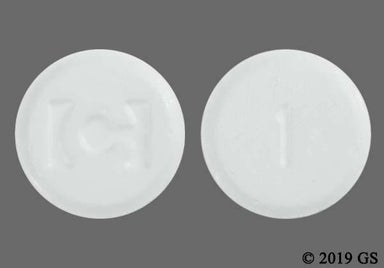
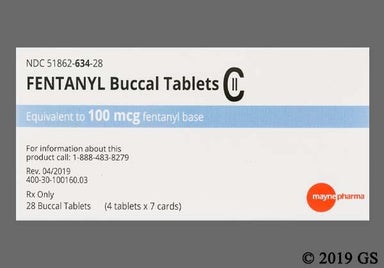
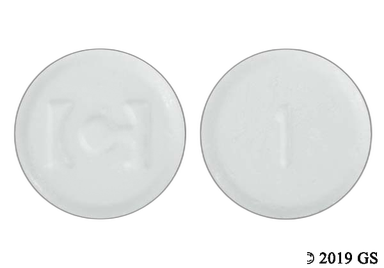
Fentanyl (Fentora) images