Nelarabine
Nelarabine (Arranon) is a type of chemotherapy known as an antimetabolite. It treats T-cell acute lymphoblastic leukemia (T-ALL) and T-cell lymphoblastic lymphoma (T-LBL). This medication is approved for adults and children with these blood cancers who’ve already tried other therapies. Nelarabine (Arranon) is given as an injection into the vein at an infusion center or medical office. It’s given on certain days during each 21-day treatment cycle. Side effects include nausea, tiredness, sleepiness, and dizziness. It can also cause low blood cell counts.


What is Nelarabine (Arranon)?
What is Nelarabine (Arranon) used for?
- Relapsed or refractory T-cell acute lymphoblastic leukemia (T-ALL) in adults and children 1 year of age and older
- Relapsed or refractory T-cell lymphoblastic lymphoma (T-LBL) in adults and children 1 year of age and older
How Nelarabine (Arranon) works
Nelarabine (Arranon) is a type of chemotherapy called an antimetabolite. It works on fast-growing cells in the body, like cancer cells.
The medication looks like one of the normal building blocks of DNA. This allows it to get merged into the cell’s DNA. When this happens, the DNA can’t make copies of itself. It stops the cancer cell from growing and causes it to die so the cancer can’t grow or spread as well.
Drug facts
| Common Brands | Arranon |
|---|---|
| Drug Class | Antimetabolite |
| Controlled Substance Classification | Not a controlled medication |
| Generic Status | No lower-cost generic available |
| Availability | Prescription only |

Side effects of Nelarabine (Arranon)
The following side effects may get better over time as your body gets used to the medication. Let your healthcare provider know immediately if you continue to experience these symptoms or if they worsen over time.
Common Side Effects
- Anemia (low red blood cell count, 99%)
- Low platelets (86%)
- Low white blood cell counts (81%)
- Tiredness (50%)
- Nausea (41%)
- Cough (25%)
- Sleepiness (23%)
- Fever (23%)
- Diarrhea (22%)
- Vomiting (22%)
- Constipation (21%)
- Dizziness (21%)
- Shortness of breath (20%)
- Headache (15%)
Less Common Side Effects
- Numbness, tingling, or weakness in the arms or legs
- Swelling of the arms, legs, or ankles
- General weakness
- Muscle weakness
- Muscle, joint, or back pain
- General pain
- Swelling
- Stomach pain
- Low appetite
- Mouth sores
- Confusion
- Trouble sleeping
- Trouble walking
- Shivering
- Infection
- Slow heart rate
- Low blood pressure
Note: Side effects were reported by adults. Side effects in children can be slightly different.
Nelarabine (Arranon) serious side effects
Contact your healthcare provider immediately if you experience any of the following.
- Serious side effects affecting the nervous system: extreme sleepiness, numbness or tingling, trouble talking, trouble walking, seizure, coma, paralysis
- Serious infection: fever, chills, body aches, fast heartbeat, severe tiredness
- Serious bleeding: unexpected bruising, bleeding that takes longer to stop, frequent nosebleeds, blood in urine or stool
The following Nelarabine (Arranon) side effects have also been reported
Along with its needed effects, a medicine may cause some unwanted effects. Although not all of these side effects may occur, if they do occur they may need medical attention.
Check with your doctor or nurse immediately if any of the following side effects occur:
More common
Abdominal or stomach pain or cramps
black, tarry stools
bleeding gums
blood in the urine or stools
bloody nose
blurred vision
burning, crawling, itching, numbness, prickling, "pins and needles", or tingling feelings
change in walking and balance
chills
clumsiness or unsteadiness
cold sweats
coma
convulsions
cool, pale skin
cough or hoarseness
decreased or uncontrolled urination
difficulty with breathing
discouragement
dizziness, faintness, or lightheadedness when getting up suddenly from a lying or sitting position
drowsiness
fast or irregular heartbeat
feeling sad or empty
feeling unusually cold
flushed, dry skin
fruit-like breath odor
headache
incoordination
increased hunger
increased thirst
increased urination
irritability
loss of appetite
loss of interest or pleasure
lower back, side, or stomach pain
mood or mental changes
muscle cramps in the hands, arms, feet, legs, or face
muscle spasms (tetany) or twitching
muscle weakness
nausea or vomiting
nervousness
nightmares
numbness, tingling, pain, or weakness in the hands, feet, fingertips, or mouth
pain or tenderness around the eyes and cheekbones
painful or difficult urination
pale skin
paralysis or severe weakness of the legs
pinpoint red spots on the skin
rapid breathing
seizures
shakiness and unsteady walk
shivering
sleepiness or unusual drowsiness
slurred speech
small red or purple spots on the skin
sores, ulcers, or white spots on the lips or in the mouth
stuffy or runny nose
sunken eyes
sweating
swelling of the hands, ankles, feet, or lower legs
swollen glands
tightness in the chest
trouble concentrating
trouble sleeping
troubled breathing with exertion
uncontrolled bowel movements
unexplained weight loss
unsteadiness, trembling, or other problems with muscle control or coordination
unusual bleeding or bruising
unusual tiredness or weakness
wrinkled skin
yellow eyes or skin
Less common
Change in taste
loss of memory
loss of taste
problems with memory
Some side effects may occur that usually do not need medical attention. These side effects may go away during treatment as your body adjusts to the medicine. Also, your health care professional may be able to tell you about ways to prevent or reduce some of these side effects. Check with your health care professional if any of the following side effects continue or are bothersome or if you have any questions about them:
More common
Back pain
difficulty having a bowel movement (stool)
difficulty with moving
full or bloated feeling
joint pain
lack or loss of strength
muscle aching or stiffness
pain in the arms or legs
pressure in the stomach
swelling of the abdomen or stomach area
swelling or inflammation of the mouth
swollen joints
Other side effects not listed may also occur in some patients. If you notice any other effects, check with your healthcare professional.
Call your doctor for medical advice about side effects. You may report side effects to the FDA at 1-800-FDA-1088.

Pros and cons of Nelarabine (Arranon)
Pros
- Recommended treatment option for people with relapsed or refractory T-ALL
- A treatment option for a very rare type of cancer, T-LBL
- Less likely to cause hair loss than other chemotherapy
Cons
- Need to go to an infusion center on certain days of each treatment cycle, so might not be convenient
- Can cause nausea and sleepiness
- Risk of nervous system problems, like tingling or weakness in the arms or legs

Pharmacist tips for Nelarabine (Arranon)

- Follow the treatment plan your oncologist gives you. Nelarabine (Arranon) is given on certain days of each treatment cycle, and it can be easy to lose track of appointments. Using a calendar or a phone app for reminders can help you remember when your infusions and follow ups are.
- Give yourself plenty of time for your nelarabine (Arranon) infusions. For adults, each infusion takes 2 hours, and for children, 1 hour. It’s a good idea to add some extra time to check in and get settled. Be sure to wear comfortable clothes and bring something to do to pass the time.
- You can feel sleepy, tired, weak, or dizzy after your nelarabine (Arranon) infusion. This can sometimes last a few days after your infusion. Don’t drive or do anything that needs full attention until these side effects go away. If they make it hard to do your normal activities or don’t improve, talk to your care team.
- Nelarabine (Arranon) can cause numbness or tingling in your fingers, hands, toes, or feet. It can also make it hard to coordinate movement, like buttoning clothing or walking. Sometimes, you might feel unsteady or weak when moving or going up stairs. If this happens, tell your care team so they can see how they can help you.
- Nelarabine (Arranon) can often cause nausea and vomiting. Your oncologist can give you antiemetics like ondansetron (Zofran) to help. You can take these at home between infusions if you need to. If these side effects are severe or don’t get better with medications, talk to your care team.
- Check your temperature regularly during your treatment with nelarabine (Arranon). Call your care right away if your temperature is 100.4ºF or higher. This means you have a fever, and it might be the only sign you’re sick. Fever is important to look out for because this medication can lower your white blood cell count and make it easier for you to get sick.
- Before getting any vaccines, tell the healthcare professional that you’re taking nelarabine (Arranon). They can make sure the vaccine is safe for you. Avoid live vaccines during treatment. It’s not known how this medication affects your body’s response to them. Some live vaccines include MMR (the measles, mumps, and rubella vaccine) and FluMist (the nasal spray flu vaccine).
- If you can become pregnant, use reliable birth control while taking nelarabine (Arranon). This medication might harm an unborn baby. If you get pregnant during treatment, tell your oncologist right away.
- If you can father a child, use condoms while taking nelarabine (Arranon) and for 3 months after your last dose. This medication has a risk of harming an unborn baby. If your partner becomes pregnant during treatment, call your oncologist right away.

Risks and warnings for Nelarabine (Arranon)
Nelarabine (Arranon) can cause some serious health issues. This risk may be even higher for certain groups. If this worries you, talk to your doctor or pharmacist about other options.
Serious side effects affecting the nervous system
- Risk factors: Previous brain or spine radiation | Chemotherapy that’s given as an injection into the spinal fluid
 Nelarabine (Arranon) can cause side effects affecting the nervous system. Most are mild and include tiredness, headache, dizziness, numbness, and weakness. But it’s possible for some to be severe and life-threatening. These can include extreme sleepiness, seizures, coma, trouble walking, and even paralysis. There have also been rare reports of symptoms similar to Guillain-Barré syndrome.
In studies, these side effects often started after the first infusion of nelarabine (Arranon). They can last a few days after and can also happen with later infusions. Sometimes, the side effects go away. But other times, they can last long term.
Your oncology care team will watch you closely for these nervous system side effects during treatment. If you notice any of these side effects at any time and they bother you, call your oncologist. Depending on how severe it is, you might have to stop taking nelarabine (Arranon). Get medical help right away if a serious side effect, like a seizure or loss of consciousness, happens.
Low blood cell counts
Nelarabine (Arranon) can cause low blood cell counts. A low red blood cell count can lead to symptoms like feeling more tired and anemia. In addition, a low platelet count can put you at risk for easy bleeding and bruising. And a low white blood cell count can make you more likely to get sick, which can sometimes be serious. You could also have a dangerous fever called febrile neutropenia.
During treatment, your oncologist will check your blood cell counts regularly with lab tests. If your counts are too low, your oncologist might delay your next dose of nelarabine (Arranon). Let your care team know if you have a fever, feel very tired, or have unexplained bruising or nosebleeds. Also tell them if you’ve gotten sick very often. These can be signs of low blood cell counts.
Tumor lysis syndrome
Some people taking nelarabine (Arranon) can be at risk of tumor lysis syndrome (TLS). This is a complication of treatment that happens when cancer cells break down very fast in the body. It can cause changes in your electrolyte levels, such as potassium and uric acid. This can lead to muscle cramps, kidney problems, and abnormal heart rhythm if not treated.
To lower your risk of complications from TLS, your oncologist might give you extra fluids during treatment. They might also give you a medication called allopurinol (Zyloprim) to help manage uric acid levels.
Call your oncology care team right away if you have nausea, vomiting, low appetite, side pain, dark urine, or less urination. Also call them if you have muscle cramps or heart palpitations. These could be signs of TLS.
Avoid live vaccines during treatment
Avoid getting any live vaccines while taking nelarabine (Arranon). We don’t know if live vaccines are safe for you during treatment. These include MMR (the measles, mumps, and rubella vaccine), Varivax (the chickenpox vaccine), and FluMist (the nasal spray flu vaccine).
Before getting any vaccines, tell the healthcare professional you’re taking nelarabine (Arranon). They can make sure it’s okay for you to get it.
Harm to an unborn baby
- Risk factors: Pregnancy
Based on animal studies and how it works, nelarabine (Arranon) might harm an unborn baby if used during pregnancy. If you can become pregnant, use effective birth control while taking this medication. If you can get someone else pregnant, use birth control like condoms while taking nelarabine (Arranon) and for 3 months after your last dose. If you or your partner gets pregnant, tell your oncologist right away.

Nelarabine (Arranon) dosage
Typical dosage for Nelarabine (Arranon)
Nelarabine (Arranon) is given as an infusion through a vein, or an intravenous (IV) infusion. It’s given by a trained healthcare professional at an infusion clinic or medical center.
Your oncologist will find the dose that’s right for you. It’s based on your body size or body surface area (BSA), which is calculated in m² units from your height and weight.
-
Adults: The typical dose is 1,500 mg/m² of BSA given as an IV infusion over 2 hours. It’s given on days 1, 3 and 5 of your treatment cycle, which gets repeated every 21 days.
-
Children: The typical dose is 650 mg/m² of BSA given as an IV infusion over 1 hour. It’s given once a day on days 1 to 5 of each treatment cycle, which gets repeated every 21 days.

Interactions between Nelarabine (Arranon) and other drugs
Although certain medicines should not be used together at all, in other cases two different medicines may be used together even if an interaction might occur. In these cases, your doctor may want to change the dose, or other precautions may be necessary. When you are receiving this medicine, it is especially important that your healthcare professional know if you are taking any of the medicines listed below. The following interactions have been selected on the basis of their potential significance and are not necessarily all-inclusive.
Using this medicine with any of the following medicines is not recommended. Your doctor may decide not to treat you with this medication or change some of the other medicines you take.
- Measles Virus Vaccine, Live
- Mumps Virus Vaccine, Live
- Rotavirus Vaccine, Live
- Rubella Virus Vaccine, Live
- Varicella Virus Vaccine, Live
- Zoster Vaccine, Live
Using this medicine with any of the following medicines is usually not recommended, but may be required in some cases. If both medicines are prescribed together, your doctor may change the dose or how often you use one or both of the medicines.
- Adenovirus Vaccine
- Bacillus of Calmette and Guerin Vaccine, Live
- Cholera Vaccine, Live
- Dengue Tetravalent Vaccine, Live
- Influenza Virus Vaccine, Live
- Pentostatin
- Poliovirus Vaccine, Live
- Smallpox Vaccine
- Typhoid Vaccine, Live
- Yellow Fever Vaccine

What are alternatives to Nelarabine (Arranon)?

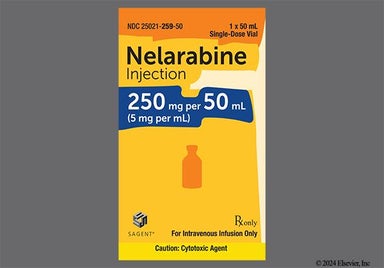
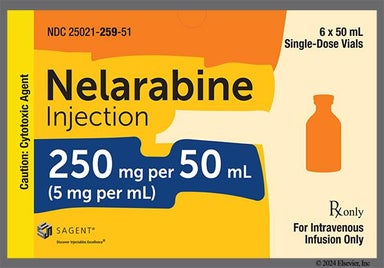
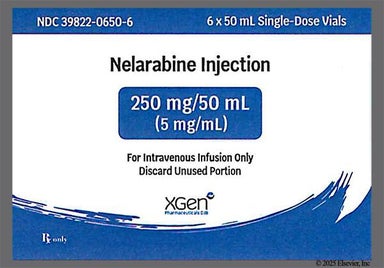
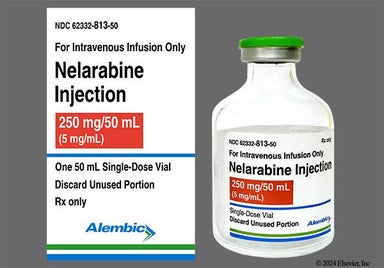
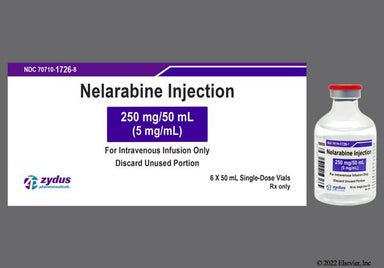
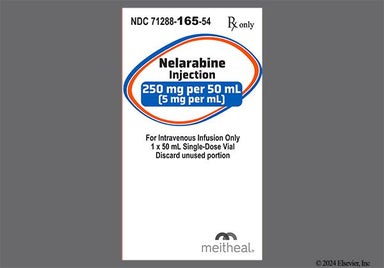
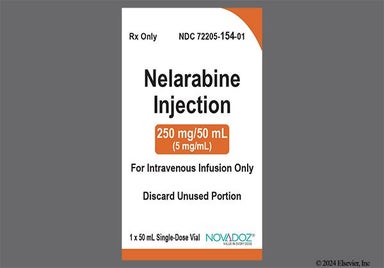
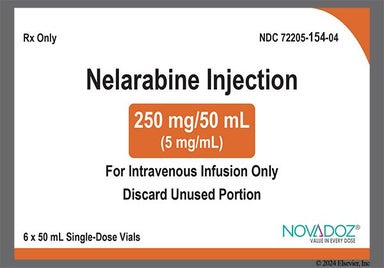
Nelarabine (Arranon) images