


How to Relieve Sinus Pressure and Headache: 12 Medications and Home Remedies
Sinus pressure and pain happen when your sinuses don't drain properly. Learn about different medications and home remedies that can relieve sinus pressure.
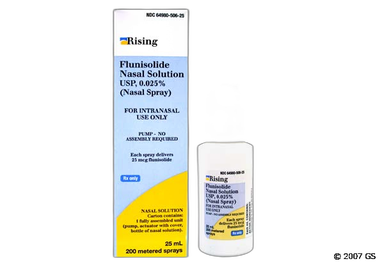
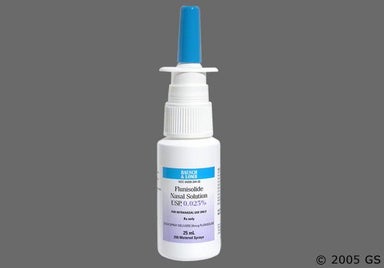
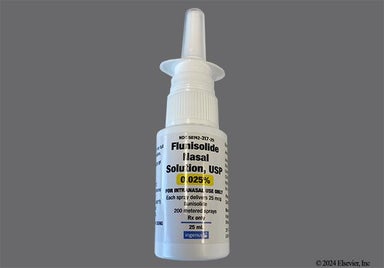
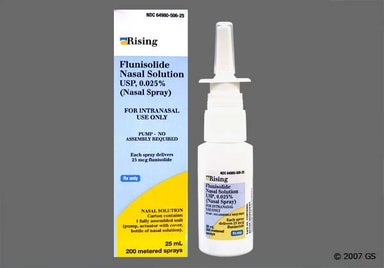
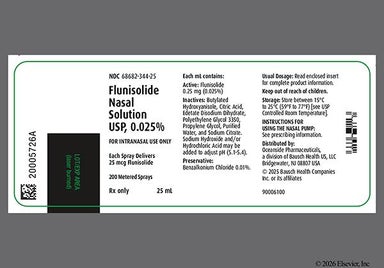
Flunisolide is a steroid nasal spray for seasonal or year-round allergies. It treats allergy symptoms that are related to the nose, such as congestion, sneezing, and runny nose. This medication is for people 6 years and older. Depending on your age, the dosage is 1 or 2 sprays into each nostril a few times a day. The most common side effect is temporary burning and stinging in the nose. The brand name Nasalide is discontinued, but generic flunisolide is still available.

Flunisolide is a steroid (or also known as a corticosteroid). When you spray the medication into the nose, it helps lessen swelling and irritation that's caused by allergies. This helps relieve the nasal symptoms of allergies.
| Common Brands | Nasalide |
|---|---|
| Drug Class | Corticosteroid |
| Controlled Substance Classification | Not a controlled medication |
| Generic Status | Lower-cost generic available |
| Availability | Prescription only |

The following side effects may get better over time as your body gets used to the medication. Let your healthcare provider know immediately if you continue to experience these symptoms or if they worsen over time.
Along with its needed effects, a medicine may cause some unwanted effects. Although not all of these side effects may occur, if they do occur they may need medical attention.
Check with your doctor as soon as possible if any of the following side effects occur:
Less common or rare
Bad smell
blindness
bloody mucus or unexplained nosebleeds
blurred or gradual loss of vision
burning or stinging after use of spray or irritation inside nose (continuing)
crusting, white patches, or sores inside nose
discharge or redness in eye, eyelid, or inner lining of the eyelid
headache
light-headedness or dizziness
loss of sense of taste or smell
nausea or vomiting
ringing in the ears
shortness of breath
skin rash
sore throat, cough, or hoarseness
stomach pains
stuffy, dry, or runny nose or watery eyes (continuing)
swelling of eyelids, face, or lips
tightness in chest
troubled breathing
unusual tiredness or weakness
white patches in throat
Symptoms of overdose
blurred vision
bone fractures
excess hair growth in females
fullness or rounding of the face, neck, and trunk
impotence in males
increased urination or thirst
lack of menstrual periods
menstrual changes
muscle wasting and weakness
Some side effects may occur that usually do not need medical attention. These side effects may go away during treatment as your body adjusts to the medicine. Also, your health care professional may be able to tell you about ways to prevent or reduce some of these side effects. Check with your health care professional if any of the following side effects continue or are bothersome or if you have any questions about them:
More common
Burning, dryness, or other irritation inside the nose (mild, lasting only a short time)
irritation of throat
Not all of the side effects listed above have been reported for each of these medicines, but they have been reported for at least one of them. All of the nasal corticosteroids are very similar, so any of the above side effects may occur with any of these medicines.
Other side effects not listed may also occur in some patients. If you notice any other effects, check with your healthcare professional.
Call your doctor for medical advice about side effects. You may report side effects to the FDA at 1-800-FDA-1088.




Flunisolide can cause some serious health issues. This risk may be even higher for certain groups. If this worries you, talk to your doctor or pharmacist about other options.
Using the flunisolide nasal spray for long periods of time or using too much of it can cause more medication to get absorbed into the body. This medication acts like a natural stress hormone in your body called cortisol. When too much medication gets absorbed into the body, your cortisol levels can get too high. Symptoms of high cortisol levels include weight gain around your gut, fatty deposits in the face and upper back, and tiredness.
Using too much flunisolide can also cause your body to make less of its own cortisol. This can make it harder for your body to respond to physical stress. Symptoms of low cortisol levels include muscle weakness, muscle or joint pain, and loss of appetite.
Let your prescriber know if you experience any of these symptoms so you can get proper treatment. To avoid large changes in your hormone levels, it's best to use the lowest dose of flunisolide possible for the shortest amount of time.
Flunisolide might affect your immune system's ability to fight infections. This can make it easier for you to get sick. In clinical studies, a few people who used flunisolide developed a type of fungal infection called thrush in the nose and throat. Other bacterial, fungal, and viral infections are possible, especially if you're taking other medications that can weaken your immune system.
Talk to a healthcare professional if you notice pain in the nose and throat with redness and white patches (a sign of thrush), fever, or other signs of infection while you're using the flunisolide nasal spray. You might need other treatment for the infection or have to stop using the flunisolide nasal spray.
Steroid medications like flunisolide can slow your body's ability to heal wounds. Since this medication is directly sprayed into the nose, it can affect how long it takes for wounds in the nose to get better.
Be careful using flunisolide if you've had recent surgery in your nose, have nosebleeds that keep coming back, or have a nose injury. Your prescriber might recommend that you wait until the wound heals completely before you start using flunisolide.
Children who use steroid nasal sprays like flunisolide might have slower growth. It's not known how this slowed growth rate might affect their final adult height in the long run.
To lower the risk for slowed growth, your child's primary care provider or pediatrician will prescribe the lowest possible flunisolide dose that helps with their allergy symptoms. The healthcare professional will also keep track of your child's growth at follow-up visits. Talk to your child's primary care provider or pediatrician if you're concerned about how flunisolide might affect your child's growth.

 Nasal spray
| Dosage | Quantity | Price as low as | Price per unit |
|---|---|---|---|
| 25ml of 0.025% | 1 nasal spray | $26.34 | $26.34 |

Although certain medicines should not be used together at all, in other cases two different medicines may be used together even if an interaction might occur. In these cases, your doctor may want to change the dose, or other precautions may be necessary. Tell your healthcare professional if you are taking any other prescription or nonprescription (over-the-counter [OTC]) medicine.




Prescription savings
Stop paying too much for your prescriptions. Compare prices, get pharmacy coupons, and save up to 80%. Find expert answers to your health questions so you can make the best decisions for yourself and your family.
Health conditions
Medications & treatment
Access & affordability
Medication discounts


Yes, Flunisolide is a steroid. This steroid medication comes as a nasal spray. You spray Flunisolide into the nose to lower inflammation and irritation in the nose due to allergies. This helps treat congestion, runny nose, and other nasal symptoms of allergies.
No. Flunisolide isn't available over the counter (OTC). You have to get a prescription for the Flunisolide nasal spray from a healthcare professional. Ask a pharmacist if you're looking for an OTC nasal spray that can help with allergies. They can recommend one that best fits your needs.
No. Flunisolide and Flonase are different steroid nasal sprays that treat allergy symptoms of the nose, like runny nose and sneezing. Flunisolide is only available with a prescription from a healthcare professional. It's approved for people 6 years and older. But you can find Flonase and its generic version called fluticasone over the counter (OTC). Children can use Flonase, though the specific age depends on the Flonase product. Some Flonase products can be used in people as young as 2 years of age. Ask a healthcare professional about comparing between these two medications.
In clinical studies, most people noticed symptom improvement within a few days after they start using Flunisolide regularly. But it might take 1 to 2 weeks of regular use for you to feel the full effects of the medication. Contact your primary care provider if your symptoms don't improve after 3 weeks of using Flunisolide every day. You might need a different medication to treat your allergy symptoms.
Flunisolide works best when you use it every day until your primary care provider says it's okay to stop. The medication helps lower inflammation in your nose. This helps relieve allergy symptoms while you're around things that trigger your allergies. If you'd rather use an allergy medication only when needed, talk to your primary care provider about your options.
No. Generic Flunisolide nasal spray is still available at pharmacies, even though all brand-name versions of the medication are discontinued. Sometimes, the pharmacy might not have the Flunisolide nasal spray in stock when you need it. But they can order it for you.
