amiloride / HCTZ
Amiloride/hydrochlorothiazide (HCTZ) is used to treat high blood pressure and heart failure in adults. This combination medication contains two different types of diuretics (water pills): a potassium-sparing diuretic and a thiazide diuretic. It works by helping the body get rid of extra water. The dosage is 1 or 2 tablets of amiloride/hydrochlorothiazide taken by mouth, typically once per day. The most common side effects are headache, dizziness, and low appetite. This medication is a lower-cost generic only; the Moduretic brand name is no longer available.


What is Amiloride/hydrochlorothiazide?
What is Amiloride/hydrochlorothiazide used for?
How Amiloride/hydrochlorothiazide works
Amiloride/hydrochlorothiazide is a combination of two different diuretics (or water pills).
Hydrochlorothiazide is a thiazide diuretic and amiloride is a potassium-sparing diuretic. They work in the kidneys and move water into your urine. This helps remove extra water from your body. As a result, the medication lowers blood pressure and lessens water retention (swelling) from heart failure.
In addition, amiloride helps restore potassium in the body that's lost as a side effect of hydrochlorothiazide. This helps prevent low potassium levels that can possibly happen while taking hydrochlorothiazide.
Drug facts
| Common Brands | Moduretic |
|---|---|
| Drug Class | Diuretic (water pill) |
| Controlled Substance Classification | Not a controlled medication |
| Generic Status | Lower-cost generic available |
| Availability | Prescription only |

Side effects of Amiloride/hydrochlorothiazide
The following side effects may get better over time as your body gets used to the medication. Let your healthcare provider know immediately if you continue to experience these symptoms or if they worsen over time.
Common Side Effects
Side effects occurring in up to 8% of people:
- Headache
- Weakness
- Dizziness
- Nausea
- Lower appetite
- Rash
Less Common Side Effects
- Feeling tired
- Irregular heartbeat
- Diarrhea
- Stomach pain
- Shortness of breath
- Itchiness
- Gout
- Dehydration
Amiloride/hydrochlorothiazide serious side effects
Contact your healthcare provider immediately if you experience any of the following.
- Severe allergic reaction: swelling of your lips, tongue, throat, or face; trouble breathing; rash
- High potassium levels: nausea, muscle weakness, abnormal heartbeat
The following Amiloride/hydrochlorothiazide side effects have also been reported
Along with its needed effects, a medicine may cause some unwanted effects. Although not all of these side effects may occur, if they do occur they may need medical attention.
Check with your doctor immediately if any of the following side effects occur:
More common
Confusion
difficulty breathing
irregular heartbeat
nausea or vomiting
nervousness
numbness or tingling in the hands, feet, or lips
stomach pain
trouble breathing
weakness or heaviness of the legs
Less common
Dizziness
fainting
fast or slow heartbeat
labored breathing
tightness in the chest
Rare
Ankle, knee, or great toe joint pain
arm, back, or jaw pain
blistering, peeling, or loosening of the skin
bloody or black, tarry stools
bloody urine
burning while urinating
burning, crawling, itching, numbness, prickling, "pins and needles", or tingling feelings
chest pain, discomfort, or heaviness
chills
cloudy urine
cold sweats
coma
cracks in the skin
decreased awareness or responsiveness
decreased frequency or amount of urine
difficult or painful urination
dizziness, faintness, or lightheadedness when getting up from a lying or sitting position suddenly
headache
increase in heart rate
increased blood pressure
increased thirst
joint pain, stiffness, or swelling
lightheadedness
loss of appetite
loss of heat from the body
lower back or side pain
muscle pain or cramps
pounding heartbeat or pulse
rapid breathing
red skin lesions, often with a purple center
red, irritated eyes
red, swollen skin
seizures
severe sleepiness
severe stomach pain
sores, ulcers, or white spots in the mouth or on the lips
sunken eyes
sweating
swelling of the face, ankles, hands, fingers, or lower legs
trouble breathing
unusual tiredness or weakness
vomiting of blood or material that looks like coffee grounds
wrinkled skin
Incidence not known
Persistent non-healing sore
pink growth
reddish patch or irritated area
shiny bump
white, yellow or scar-like area
Get emergency help immediately if any of the following symptoms of overdose occur:
Symptoms of overdose
Drowsiness
irritability
mood changes
pain or weakness in the hands or feet
trembling
weak pulse
Some side effects may occur that usually do not need medical attention. These side effects may go away during treatment as your body adjusts to the medicine. Also, your health care professional may be able to tell you about ways to prevent or reduce some of these side effects. Check with your health care professional if any of the following side effects continue or are bothersome or if you have any questions about them:
Less common
Leg ache
Rare
Bad taste
bloated, full feeling
blurred or loss of vision
changes in appetite
decreased interest in sexual intercourse
discouragement
disturbed color perception
double vision
excess air or gas in the stomach or intestines
feeling of constant movement of self or surroundings
feeling of warmth
feeling sad or empty
general feeling of discomfort or illness
hair loss or thinning of hair
hiccups
inability to have or keep an erection
increased sweating
increased urge to urinate during the night
indigestion
loss in sexual ability, desire, drive, or performance
loss of bladder control
loss of interest or pleasure
night blindness
overbright appearance of lights
passing of gas
redness of the face, neck, arms, and occasionally upper chest
seeing halos around lights
sensation of spinning
sleepiness
stomach fullness or discomfort
swelling of the breasts or breast soreness in both females and males
trouble concentrating
trouble sleeping
tunnel vision
unable to sleep
waking to urinate at night
Other side effects not listed may also occur in some patients. If you notice any other effects, check with your healthcare professional.
Call your doctor for medical advice about side effects. You may report side effects to the FDA at 1-800-FDA-1088.

Get your GoodRx coupon

Pros and cons of Amiloride/hydrochlorothiazide
Pros
- Typically taken once per day
- A combination of two different types of diuretics within a single pill
- Good option for people who have high blood pressure or heart failure and tend to have low potassium
- Available as a lower-cost generic
Cons
- More difficult to customize the dose of each active ingredient
- Only available as a tablet
- Can make your skin more sensitive to the sun
- Need regular blood tests to check your potassium levels and kidney function

Pharmacist tips for Amiloride/hydrochlorothiazide

- Take amiloride/hydrochlorothiazide with food at the same time every day.
- Amiloride/hydrochlorothiazide is typically taken once a day. But if your dose is 2 tablets of the medication each day, speak with your prescriber about whether you should take both tablets at once or whether you should take 1 tablet twice per day.
- Take amiloride/hydrochlorothiazide exactly as prescribed. Don't lower your dose or stop taking the medication suddenly without talking to your prescriber first. Otherwise, your blood pressure can rise quickly. Your prescriber might need to lower your dose slowly over time to prevent big changes to your blood pressure.
- You might feel dizzy when you start taking amiloride/hydrochlorothiazide or when your prescriber raises the dose. Dizziness is typically temporary and it should go away as your body gets used to the medication and to the lower blood pressure. But let your healthcare team know if you feel severely dizzy or if the dizziness is making it hard for you to go about your day.
- It's recommended that you check your blood pressure at home. Write down your blood pressure readings and bring your log with you to your medical appointments to share with your prescriber. This will help your prescriber see how well amiloride/hydrochlorothiazide is working for you and see whether you need any changes to your treatment.
- Make sure to maintain a balanced diet that's low in salt while you're taking amiloride/hydrochlorothiazide. These lifestyle tips can help lower your blood pressure. Ask your care team for more resources on meal planning or other things you can do to help lower your blood pressure.
- Your potassium levels can go up while you're taking amiloride/hydrochlorothiazide. Avoid taking potassium supplements and avoid adding potassium-containing salt substitutes to your food. Ask your prescriber about how much potassium-rich foods you should have that's safest for you.
- Avoid alcohol or limit how much alcohol you drink while you're taking amiloride/hydrochlorothiazide. Drinking alcohol regularly, particularly in high amounts, can make your blood pressure go up. Alcohol can also make some side effects, like dizziness, more intense and lead to falls.
- Amiloride/hydrochlorothiazide can make your skin be more sensitive to the sun, which can make it easier for you to get sunburns. Be sure to wear sunscreen and wear protective clothing when you're outside to protect your skin.
- Contact your prescriber right away if you're pregnant or thinking of getting pregnant and you're taking amiloride/hydrochlorothiazide. Since there are other recommended blood pressure medications during pregnancy, your prescriber will probably consider a different medication for you.

Risks and warnings for Amiloride/hydrochlorothiazide
Amiloride/hydrochlorothiazide can cause some serious health issues. This risk may be even higher for certain groups. If this worries you, talk to your doctor or pharmacist about other options.
High potassium levels
- Risk factors: Kidney problems | Illness that could affect kidney function | Diabetes | Taking other medications that increase potassium | Using potassium-based salt substitutes
 Amiloride/hydrochlorothiazide can raise the amount of potassium in your body, which can sometimes be dangerous. Your risk is greater if you have diabetes or kidney problems or if you're taking other medications that also raise potassium levels. For this reason, make sure your prescriber knows your full medical history and the medications you're taking before you start treatment. Tell a healthcare professional right away if you have signs of high potassium levels, such as nausea, muscle weakness, abnormal heartbeat, or a numbing or tingling feeling.
Changes in electrolyte, blood sugar, and cholesterol levels
Amiloride/hydrochlorothiazide can affect the level of certain electrolytes in your body, including sodium, potassium, and magnesium. You might need blood work done regularly while you're taking this medication to check your electrolyte levels. Tell your care team if you experience a fast heartbeat, weakness, low energy, muscle pain or cramps, nausea, vomiting, or less urination than usual. These can be signs of electrolyte changes in your body.
In addition, hydrochlorothiazide can raise your blood sugar levels. Tell your prescriber if you have diabetes or a history of having high blood sugar levels. Your prescriber might recommend that you check your blood sugar at home, or they might order a blood test to check your blood sugar levels once in a while.
Hydrochlorothiazide can also raise your cholesterol levels. Make sure to go get your blood work done if your prescriber orders a blood test while you're taking amiloride/hydrochlorothiazide to check your cholesterol levels.
Lupus
Although rare, some people who took thiazide diuretics, like hydrochlorothiazide in this combination medication, developed lupus. And lupus worsened in some people who already had this autoimmune condition before they started the diuretic. Let your prescriber know if you notice a rash across your cheeks and nose, feel very tired, or have joint pain. These can be symptoms of lupus.

Amiloride/hydrochlorothiazide dosage
 Tablet
| Dosage | Quantity | Price as low as | Price per unit |
|---|---|---|---|
| 5mg/50mg | 90 tablets | $37.31 | $0.41 |

Interactions between Amiloride/hydrochlorothiazide and other drugs
Although certain medicines should not be used together at all, in other cases two different medicines may be used together even if an interaction might occur. In these cases, your doctor may want to change the dose, or other precautions may be necessary. When you are taking this medicine, it is especially important that your healthcare professional know if you are taking any of the medicines listed below. The following interactions have been selected on the basis of their potential significance and are not necessarily all-inclusive.
Using this medicine with any of the following medicines is not recommended. Your doctor may decide not to treat you with this medication or change some of the other medicines you take.
Using this medicine with any of the following medicines is usually not recommended, but may be required in some cases. If both medicines are prescribed together, your doctor may change the dose or how often you use one or both of the medicines.
- Aceclofenac
- Acemetacin
- Acetyldigoxin
- Alacepril
- Amphetamine
- Amtolmetin Guacil
- Arginine
- Arsenic Trioxide
- Aspirin
- Benazepril
- Benzphetamine
- Bromfenac
- Bufexamac
- Bupropion
- Captopril
- Celecoxib
- Choline Salicylate
- Cilazapril
- Clonixin
- Delapril
- Deslanoside
- Desmopressin
- Dexibuprofen
- Dexketoprofen
- Dextroamphetamine
- Diclofenac
- Diflunisal
- Digitalis
- Digitoxin
- Digoxin
- Dipyrone
- Dofetilide
- Droperidol
- Droxicam
- Enalaprilat
- Enalapril Maleate
- Etodolac
- Etofenamate
- Etoricoxib
- Felbinac
- Fenoprofen
- Fepradinol
- Feprazone
- Flecainide
- Floctafenine
- Flufenamic Acid
- Flurbiprofen
- Fosinopril
- Ibuprofen
- Imidapril
- Indomethacin
- Ketanserin
- Ketoprofen
- Ketorolac
- Levomethadyl
- Lisdexamfetamine
- Lisinopril
- Lithium
- Lornoxicam
- Loxoprofen
- Lumiracoxib
- Meclofenamate
- Mefenamic Acid
- Meloxicam
- Methamphetamine
- Methotrexate
- Metildigoxin
- Moexipril
- Morniflumate
- Nabumetone
- Naproxen
- Nepafenac
- Niflumic Acid
- Nimesulide
- Nimesulide Beta Cyclodextrin
- Ouabain
- Oxaprozin
- Oxyphenbutazone
- Parecoxib
- Pentopril
- Perindopril
- Phenylbutazone
- Piketoprofen
- Piroxicam
- Porfimer
- Potassium
- Potassium Phosphate
- Pranoprofen
- Proglumetacin
- Propyphenazone
- Proquazone
- Proscillaridin
- Quinapril
- Ramipril
- Rofecoxib
- Salicylic Acid
- Salsalate
- Sodium Salicylate
- Sotalol
- Spirapril
- Sulindac
- Temocapril
- Tenoxicam
- Tiaprofenic Acid
- Tolfenamic Acid
- Tolmetin
- Trandolapril
- Trimethoprim
- Valdecoxib
- Zofenopril
Using this medicine with any of the following medicines may cause an increased risk of certain side effects, but using both drugs may be the best treatment for you. If both medicines are prescribed together, your doctor may change the dose or how often you use one or both of the medicines.
- Aminolevulinic Acid
- Bepridil
- Carbamazepine
- Carbenoxolone
- Cholestyramine
- Ginkgo
- Gossypol
- Licorice
- Quinidine
- Topiramate

How much does Amiloride/hydrochlorothiazide cost?
$37.31

Amiloride/hydrochlorothiazide contraindications
Contraindications are specific health conditions or situations in which a person should not take a medication due to safety concerns. If you have any of the following conditions or if any of the following apply to you, let your healthcare provider know because Amiloride/hydrochlorothiazide will not be safe for you to take.
- High potassium levels (greater than 5.5 mEq/L)
- Taking other medications or supplements that raise potassium levels
- Not making urine (not urinating)
- Kidney problems, including those caused by diabetes
- Allergy to sulfa medications
- Allergy to potassium-sparing diuretics

What are alternatives to Amiloride/hydrochlorothiazide?

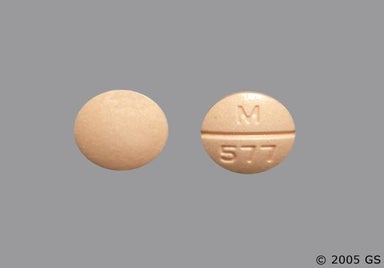
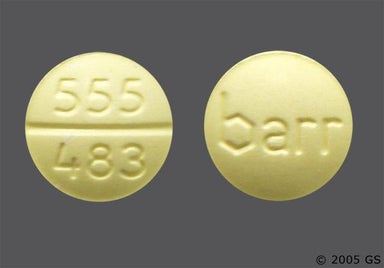
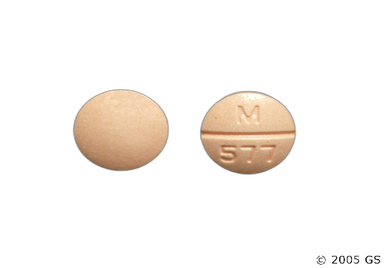
Amiloride/hydrochlorothiazide images