


12 Medications That Can Be Dangerous to Take If You’re Pregnant
Did you know warfarin and some acne medications can harm a developing fetus? Review which medications are the most dangerous to take during pregnancy.
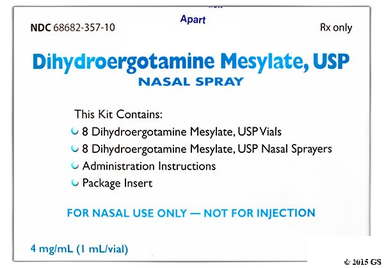
Dihydroergotamine works well to treat migraines and cluster headaches, but can't be used to prevent them. It can be used as a nasal spray or an injection.

Dihydroergotamine is an ergot medication that binds to specific receptors (proteins involved with signaling) in the brain, including alpha, serotonin, and dopamine receptors. It tightens blood vessels and prevents the release of inflammatory chemicals in the brain, which relieves your headache.
| Common Brands | Migranal, Trudhesa, D.H.E. 45 |
|---|---|
| Drug Class | Ergot derivative |
| Controlled Substance Classification | Not a controlled medication |
| Generic Status | Lower-cost generic available |
| Availability | Prescription only |

The following side effects may get better over time as your body gets used to the medication. Let your healthcare provider know immediately if you continue to experience these symptoms or if they worsen over time.
Contact your healthcare provider immediately if you experience any of the following.
Along with its needed effects, a medicine may cause some unwanted effects. Although not all of these side effects may occur, if they do occur they may need medical attention.
Check with your doctor as soon as possible if any of the following side effects occur:
Less common or rare
cough, fever, sneezing, or sore throat
feeling of heaviness in chest
irregular heartbeat
itching of the skin
numbness and tingling of face, fingers, or toes
pain in arms, legs, or lower back
pain in back, chest or left arm
pale bluish-colored or cold hands or feet
shortness of breath or troubled breathing
weak or absent pulses in legs
Some side effects may occur that usually do not need medical attention. These side effects may go away during treatment as your body adjusts to the medicine. Also, your health care professional may be able to tell you about ways to prevent or reduce some of these side effects. Check with your health care professional if any of the following side effects continue or are bothersome or if you have any questions about them:
More common
Burning or tingling sensation, dryness, soreness, or pain in the nose
change in sense of taste
dizziness
headache
increased sweating
nausea and or vomiting
muscle stiffness
runny and or stuffy nose
sudden sweatings and feelings of warmth
sensation of burning, warmth, or heat
sleepiness
unexplained nose bleeds
unusual tiredness or weakness
Less common
blurred vision
cold clammy skin
confusion
congestion in chest
decreased appetite
difficulty swallowing
dizziness or lightheadedness when getting up from a lying or sitting position
ear pain
increased watering of eyes
increased watering of the mouth
increased yawning
muscle weakness
nervousness
pinpoint red spots on skin
pounding heartbeat
red or irritated eyes
ringing or buzzing in ears
skin rash
stomach pain
sudden fainting
swelling of face, fingers, feet, or lower legs
trembling or shaking of hands or feet
trouble in sleeping
unusual feeling of well being
Other side effects not listed may also occur in some patients. If you notice any other effects, check with your healthcare professional.
Call your doctor for medical advice about side effects. You may report side effects to the FDA at 1-800-FDA-1088.



Nasal spray
Injection

Dihydroergotamine can cause some serious health issues. This risk may be even higher for certain groups. If this worries you, talk to your doctor or pharmacist about other options.
 Some medications can raise the levels of dihydroergotamine in the body. This is dangerous because it can make your blood vessels too tight and affect bloodflow to the brain (which can cause stroke) or hands or feet (which can cause tissue or muscle damage). Don't take dihydroergotamine with protease inhibitors (usually used for human immunodeficiency virus (HIV)) or macrolide antibiotics (e.g., erythromycin, clarithromycin). Some other medications may not have as strong of an effect, but you should still be careful taking them with dihydroergotamine. Make sure your provider and pharmacist know all of the medications that you take, so they can help you watch out for dangerous interactions.
 Problems from low blood flow have been reported with dihydroergotamine, even without any interactions with other medications. Let your provider know if you experience muscle pains, coldness, numbness, pale skin color, or blue- or gray-colored fingers or toes, since these are signs of poor circulation (low blood flow). Call 911 if you think you're having a stroke.
Dihydroergotamine can cause tight blood vessels in the heart, which can lead to life-threatening heart attacks or irregular heartbeats. Don't use this medication if you have heart disease or risk of heart disease. In case the medication causes any problems, you might need to take your first dose of dihydroergotamine in a healthcare provider's office so you can get immediate care if needed. If you're taking this medication long term, make sure to follow up with your provider regularly to monitor your heart health. Call 911 or get medical help right away if you experience chest pain or tightness after using a dose of dihydroergotamine.
Dihydroergotamine has caused stroke, bleeding in the brain, and other brain damage. Only use dihydroergotamine for migraine symptoms and as instructed by your provider, since this medication might raise your risk for stroke and other brain damage. If you experience sudden dizziness, trouble walking or speaking, loss of balance, confusion, or weakness on one side of your body in your face, arm, or leg, seek medical help right away.
Dihydroergotamine can raise your blood pressure, even if you don't have a history of blood pressure problems. Don't take this medication if you have high blood pressure that isn't controlled with medications.
Many headache medications, including dihydroergotamine, can cause "medication overuse headaches" when they're taken too often. This can cause worse headaches or cause them to occur more often. Avoid using headache medications for more than 10 days per month unless told otherwise by your provider. Some other medications that can lead to rebound headaches include non-steroidal anti-inflammatory drugs (NSAIDS), triptans, opioids, and caffeine. If your headaches gets worse or you get headaches more often than usual, let your provider know.
It's not recommended to take dihydroergotamine during pregnancy, because it can cause harm to you or your unborn baby. It might also cause you to go into labor too early. In animals, dihydroergotamine has caused low weight and bone problems in unborn babies. This is likely due to poor blood flow from pregnant mothers to their babies caused by dihydroergotamine.
In some rare cases, people who took dihydroergotamine have experienced fibrosis (scarring) in their stomach, lungs, or heart. Take dihydroergotamine only as needed. If you feel like you need to take this medication every day, talk to your provider about your options for preventing headaches from happening.
About one-third of people who use Migranal nasal spray and about half of people who use Trudhesa nasal spray experience nasal irritation. This includes stuffy or runny nose, burning, dryness, taste changes, tingling, bloody nose, pain, sinus discomfort, or soreness. For most people, these side effects should resolve within 4 hours. Contact your provider if these side effects are too bothersome for you or if they don't go away.

 Ampule
| Dosage | Quantity | Price as low as | Price per unit |
|---|---|---|---|
| 1ml of 1mg/ml | 5 ampules | $123.25 | $24.65 |
 Carton
| Dosage | Quantity | Price as low as | Price per unit |
|---|---|---|---|
| 10 ampules of 1mg/ml | 1 carton | $213.44 | $213.44 |
| 10 vials of 1mg/ml | 1 carton | $407.80 | $407.80 |
 Nasal spray
| Dosage | Quantity | Price as low as | Price per unit |
|---|---|---|---|
| 8 vials of 4mg/ml | 1 nasal spray | $255.18 | $255.18 |
 Vial
Vial| Dosage | Quantity | Price as low as | Price per unit |
|---|---|---|---|
| 1ml of 4mg/ml | 8 vials | $273.19 | $34.15 |

Although certain medicines should not be used together at all, in other cases two different medicines may be used together even if an interaction might occur. In these cases, your doctor may want to change the dose, or other precautions may be necessary. When you are taking this medicine, it is especially important that your healthcare professional know if you are taking any of the medicines listed below. The following interactions have been selected on the basis of their potential significance and are not necessarily all-inclusive.
Using this medicine with any of the following medicines is not recommended. Your doctor may decide not to treat you with this medication or change some of the other medicines you take.
Using this medicine with any of the following medicines is usually not recommended, but may be required in some cases. If both medicines are prescribed together, your doctor may change the dose or how often you use one or both of the medicines.
Using this medicine with any of the following medicines may cause an increased risk of certain side effects, but using both drugs may be the best treatment for you. If both medicines are prescribed together, your doctor may change the dose or how often you use one or both of the medicines.


Contraindications are specific health conditions or situations in which a person should not take a medication due to safety concerns. If you have any of the following conditions or if any of the following apply to you, let your healthcare provider know because Dihydroergotamine will not be safe for you to take.





Prescription savings
Stop paying too much for your prescriptions. Compare prices, get pharmacy coupons, and save up to 80%.Resources
About GoodRx
 Find expert answers to your health questions so you can make the best decisions for yourself and your family.
Health conditions
Medications & treatment
Access & affordability
Well-being
Medication discounts

Dihydroergotamine Mesylate is an ergot medication, not a triptan like sumatriptan (Imitrex) or rizatriptan (Maxalt). However, ergot medications work very similarly to triptans. They're used to treat the same conditions (migraines and cluster headaches), and have some similar side effects. Don't take Dihydroergotamine Mesylate and triptan medications within 24 hours of each other, since this can lead to dangerously high blood pressure and other serious side effects.
This depends on which form of Dihydroergotamine Mesylate you're using. Trudhesa nasal spray can work as soon as 15 minutes for some people. Both Trudhesa and Migranal nasal sprays lower pain within 2 hours in about 2 out of 3 people. The injection form of Dihydroergotamine Mesylate (D.H.E. 45) is absorbed faster than the nasal forms, and might start to work faster to relieve your pain. Discuss the best option with your provider.
If used correctly, Dihydroergotamine Mesylate doesn't typically cause rebound headaches (also known as "medication-overuse headaches"). If Dihydroergotamine Mesylate has worked to stop your headache, the effect tends to last longer than most medications so you're less likely to have another headache again soon afterwards. Take this medication exactly as prescribed, and talk to your provider if it doesn't work or if you're using this medication more than usual.
Both Migranal and Trudhesa are nasal sprays and they both contain the same medication, Dihydroergotamine Mesylate. Trudhesa is a newer form of Dihydroergotamine Mesylate that became available in 2021. It's made in a special way that helps the medication reach your bloodstream more quickly by being absorbed better through your nose. Trudhesa seems to cause nose, throat, and sinus irritation in more people (about 50%) compared to Migranal (up to about 30%). In addition, while there are generic forms of Migranal available, Trudhesa is currently brand only.
Dihydroergotamine Mesylate doesn't commonly make people feel drowsy or sleepy. In studies, about 3% of people who took the nasal spray form of this medication experienced drowsiness. Dihydroergotamine Mesylate can also cause fatigue or general weakness, but these effects are pretty rare as well.
