

8 Micardis HCT Side Effects and How to Manage Them
Micardis HCT side effects include dizziness, fatigue, and diarrhea. Learn more about Micardis HCT side effects and how to manage them.
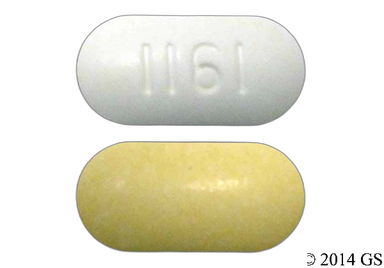
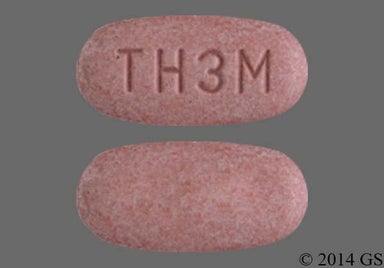
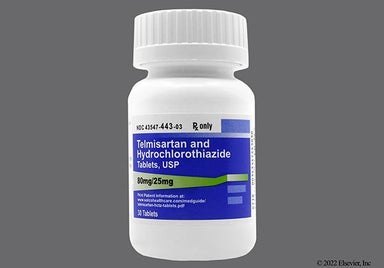
Micardis HCT is a combination blood pressure medication containing two active ingredients: telmisartan (an angiotensin II receptor blocker (ARB)) and hydrochlorothiazide (a diuretic (water pill)). It's used to treat high blood pressure in adults who've already taken blood pressure medication before. It comes as a tablet that's taken by mouth once a day, and is available in both brand name and generic versions. The dosage typically depends on how your body responds to the medication. Common side effects include an upper respiratory tract infection, dizziness, and diarrhea.

Micardis HCT (telmisartan / HCTZ) is a combination of two medications that work together to lower blood pressure.
| Common Brands | Micardis HCT |
|---|---|
| Drug Class | ARB / Diuretic (water pill) |
| Controlled Substance Classification | Not a controlled medication |
| Generic Status | Lower-cost generic available |
| Availability | Prescription only |

The following side effects may get better over time as your body gets used to the medication. Let your healthcare provider know immediately if you continue to experience these symptoms or if they worsen over time.
Contact your healthcare provider immediately if you experience any of the following.
Side effects that you should report to your care team as soon as possible:
Side effects that usually do not require medical attention (report to your care team if they continue or are bothersome):




Micardis HCT (telmisartan / HCTZ) can cause some serious health issues. This risk may be even higher for certain groups. If this worries you, talk to your doctor or pharmacist about other options.
 Micardis HCT (telmisartan / HCTZ) is not safe in pregnancy because it can cause severe harm to your unborn baby. This medication can affect how well the unborn baby's kidneys develop and work, which can be life-threatening.
 Stop taking Micardis HCT (telmisartan / HCTZ) and let a member of your healthcare team know right away if you find out that you're pregnant during treatment. Discuss with your primary care provider or cardiologist about taking a different medication that's safer to treat your blood pressure if you're pregnant or thinking of becoming pregnant.
Micardis HCT (telmisartan / HCTZ) can cause your blood pressure to drop too much, which can make you feel dizzy, tired, or lightheaded. This side effect is more common when you first start this medication or when the dose is raised. It also might be more likely to happen if you're dehydrated or if you're taking a high dose of a diuretic. Make sure to stay well hydrated to avoid having blood pressure that's too low. Sit down slowly while holding onto something if you feel dizzy from low blood pressure. Let your care team know if your blood pressure drops too much. Get medical help immediately if you fall and hit your head.
Although ARBs like telmisartan in Micardis HCT (telmisartan / HCTZ) can protect the kidneys, they can sometimes affect kidney function and cause them to not work as well. You're at a higher risk if you have severe heart failure, certain kidney problems, or take medications that can worsen kidney function. Let your prescriber know if you're having problems with urination, as this could be a sign that your kidneys aren't working as well.
Micardis HCT (telmisartan / HCTZ) can affect the level of certain electrolytes, including sodium, potassium, and magnesium in your body. It can also change your blood sugar levels and raise the cholesterol and triglycerides levels.
You might need regular blood tests done while taking Micardis HCT (telmisartan / HCTZ) to check that your electrolyte, blood sugar, and cholesterol levels are normal. Let your care team know about all the medications you're taking because some of them can cause similar changes. Tell your care team if you experience an irregular heartbeat, weakness, low energy, muscle weakness or cramps, reduced urination, nausea, or vomiting. These can be signs of electrolyte imbalances.
Micardis HCT (telmisartan / HCTZ) can cause allergic reactions. Your risk is higher if you have a history of allergies or asthma, though it can happen to anyone. Let your prescriber know if you have a rash, itchiness, hives, trouble breathing, or swelling in the face.
Although rare, some people experience vision changes or eye pain within hours or weeks of starting taking hydrochlorothiazide, an ingredient in Micardis HCT (telmisartan / HCTZ). Tell your prescriber right away about any vision changes and stop taking Micardis HCT (telmisartan / HCTZ), as untreated symptoms could lead to permanent vision loss.
Medications containing hydrochlorothiazide like Micardis HCT (telmisartan / HCTZ) can cause or worsen lupus. Talk to your prescriber if you have symptoms such as feeling very tired, joint pain, or a skin rash across your cheeks and nose.

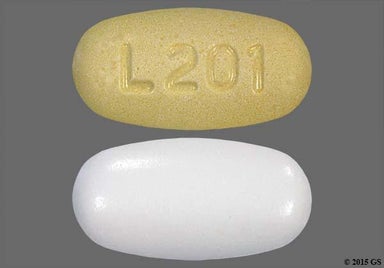
 Tablet
| Dosage | Quantity | Price as low as | Price per unit |
|---|---|---|---|
| 40mg/12.5mg | 90 tablets | $46.57 | $0.52 |
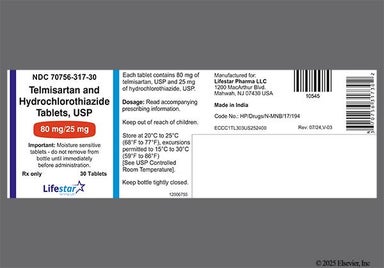
| 80mg/25mg | 30 tablets | $24.91 | $0.83 |
| 80mg/12.5mg | 90 tablets | $46.37 | $0.52 |
Your dose might differ if you have liver problems.


Contraindications are specific health conditions or situations in which a person should not take a medication due to safety concerns. If you have any of the following conditions or if any of the following apply to you, let your healthcare provider know because Micardis HCT (telmisartan / HCTZ) will not be safe for you to take.





Prescription savings
Stop paying too much for your prescriptions. Compare prices, get pharmacy coupons, and save up to 80%. Find expert answers to your health questions so you can make the best decisions for yourself and your family.
Health conditions
Medications & treatment
Access & affordability
 Our monthly healthcare membership can help you save thousands on your prescription costs.
Resources

No, Micardis HCT doesn't contain a beta blocker. It contains an angiotensin II receptor blocker (ARB) (telmisartan) and a diuretic (water pill) (hydrochlorothiazide). Beta blockers, ARBs, and diuretics all work to lower blood pressure, but they do so in different ways. Depending on how high your blood pressure is, your cardiologist might consider prescribing a beta blocker for you to take with Micardis HCT. Ask your healthcare team if you have more questions on the different types of blood pressure medications.
It's not entirely clear when the best time of day to take blood pressure medications like Micardis HCT. Since it contains the diuretic hydrochlorothiazide, which makes you urinate more, you might want to take it in the morning or early afternoon to avoid waking up at night to use the bathroom. The most important thing is to take Micardis HCT consistently at the same time each day. If you're unsure when to take it, speak with your prescriber.
There’s no guarantee that Micardis HCT side effects will completely go away — it often depends on the type of side effect. Common ones, like dizziness, diarrhea, and tiredness, can improve and go away over time as your body adjusts. More rare but serious side effects, like kidney problems, might be permanent if the medication isn't stopped or treated in time. Speak with your prescriber if you experience any side effects from this medication.
Erectile dysfunction (ED) wasn't a reported side effect from people taking Micardis HCT during clinical studies. But, in general, blood pressure medications, especially thiazide diuretics like hydrochlorothiazide, can raise the risk for ED. Talk to your prescriber if you're experiencing symptoms of ED after starting this medication.
No, weight gain wasn't a side effect reported by people taking Micardis HCT. But keep in mind that telmisartan in Micardis HCT can cause a type of kidney damage called renal artery stenosis, which can cause weight gain from extra fluid. Let your prescriber know if you experience unusual or unexpected weight gain while taking Micardis HCT. They can try to help you figure out what's causing this weight gain.
Don't cut Micardis HCT tablets in half unless your prescriber says it's safe to do so. Micardis HCT is a combination medication and the tablets don't have a score line, or a line in the middle of the tablet for cutting. It's also generally not recommended to cut a combination medication, like Micardis HCT, because the two halves of the cut pill might not contain the same amount of medication.
Yes, Micardis HCT is available as a generic medication.
