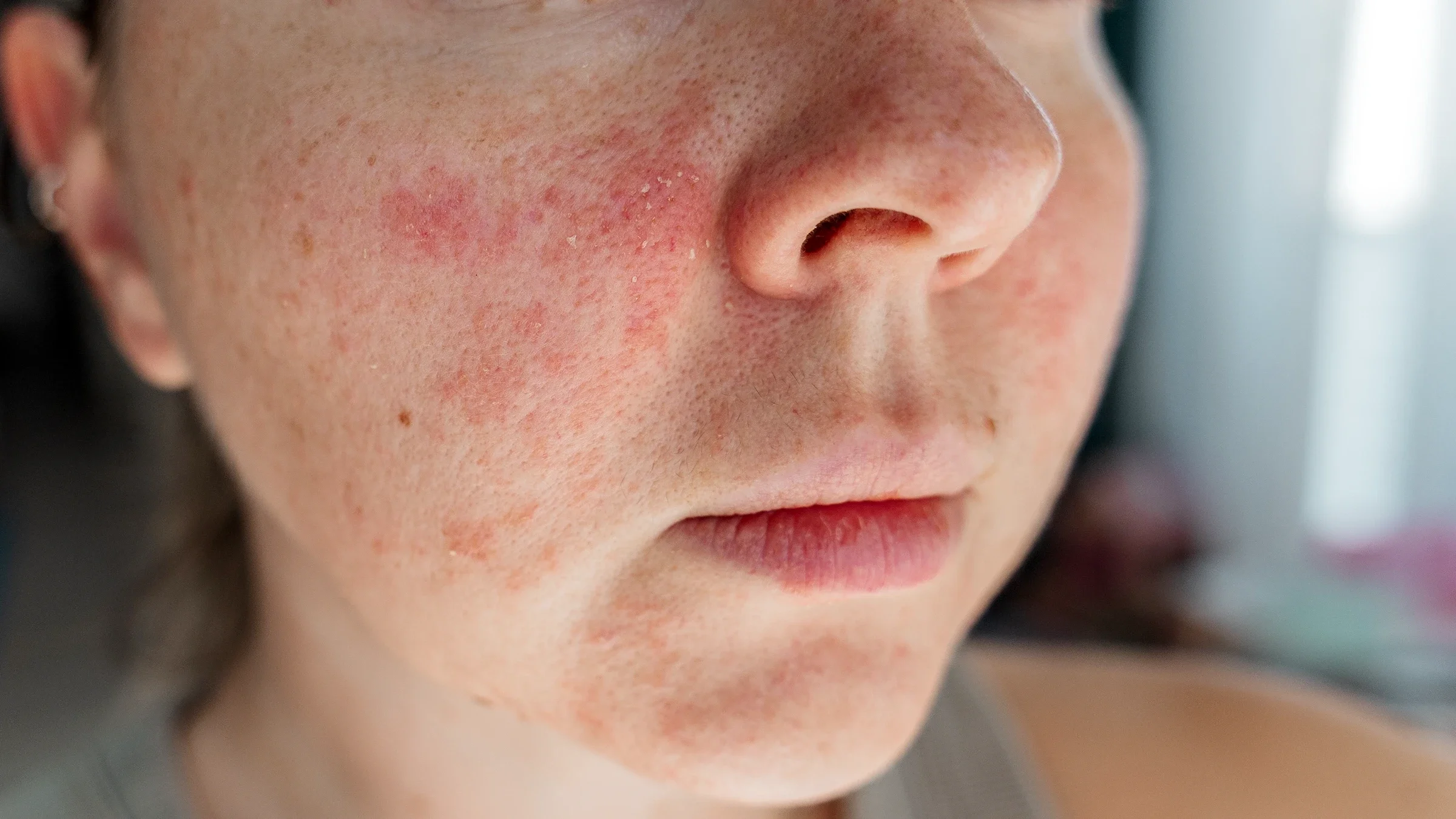
Key takeaways:
Metrogel (metronidazole gel) is a topical rosacea treatment. It’s available as a generic medication.
Without insurance, the generic version of Metrogel 1% may cost about $207.64 for a 60 g tube.
What you pay for generic Metrogel can vary based on factors such as your dosage, geographic location, and insurance coverage.
You may be able to save on your generic Metrogel prescription by using a GoodRx coupon or enrolling in GoodRx Companion. Other ways to save include using a tax-advantaged account or filling a 90-day supply.
Save on related medications
Metrogel (metronidazole gel) is a prescription medication applied to the skin to treat rosacea. It can help reduce inflammation associated with the condition. Because treatment may be ongoing, the cost of Metrogel can be an important consideration if you don’t have insurance or your health plan doesn’t cover it.
Brand-name Metrogel has been discontinued in the U.S. But a generic version (metronidazole gel) is available. And while generic medications can help you save money, the average retail price for a tube or pump bottle of generic Metrogel can cost over $100. But your actual cost can vary depending on your prescribed dose and quantity and where you fill your prescription.
Below are details about how much Metrogel costs without insurance and ways you could save on your prescription.
Good to know: Metrogel is different from Metrogel-Vaginal, a vaginal gel used to treat bacterial vaginosis. These two products aren’t interchangeable. This article only covers information about Metrogel for rosacea.
How much does Metrogel cost without insurance?
Metrogel’s retail cost depends on which dose and quantity you receive. This medication comes in the following doses and forms:
The table below highlights the average retail costs for different doses and quantities of generic metronidazole gel.
Which factors affect the cost of Metrogel?
Several factors affect the cost of Metrogel. Some factors can raise the price, while others may lower it.
Location
Your location may also affect the cost of Metrogel. For instance, people living in Milwaukee tend to pay more overall for prescription medications than people living in Denver, according to GoodRx research.
Pharmacy
Different pharmacies may charge different out-of-pocket amounts for prescription medications — even within the same neighborhood. GoodRx can help you compare Metrogel cash prices at pharmacies in your area.
If one pharmacy offers lower prices than others, you can ask your prescriber to send your prescription there. If your prescription is already at a pharmacy, you can ask the pharmacy where you want the prescription to be filled to transfer it.
Dosage and formulation
Which dosage form you use and how much Metrogel you apply also affect your total cost. Certain dosage forms cost more than others. And people who apply the gel to larger areas of skin will go through product faster than those applying a smaller amount.
Insurance coverage and discounts
Using insurance (if you have it) or applying discounts can help lower the price of Metrogel. But keep in mind that insurance copays and coinsurance can change. Your plan could also charge an annual deductible. So your cost for Metrogel may be higher until you meet your deductible.
Review your plan’s summary of benefits and coverage and formulary (list of covered medications). This can help you determine if your plan covers Metrogel and what you can expect to pay for it. If you’re unsure, you can also call the member services phone number on your prescription insurance card.
What to do if Metrogel isn’t covered by your insurance
If your insurance doesn’t cover Metrogel, try these options:
Use GoodRx to help lower your cost.
Ask your insurance company to make a formulary exception and cover Metrogel. If your request is denied, you have the right to file an appeal to challenge the decision.
During the next open enrollment period, compare plans to see if another one offers better coverage for Metrogel.
Ask your prescriber about Metrogel alternatives
Metrogel isn’t the only rosacea treatment available. Your insurance may offer better coverage for Metrogel alternatives. Ask your prescriber if one of these rosacea treatments would be an option for you:
Ways to save on Metrogel
Here are four ways you could potentially save on Metrogel.
1. Use a GoodRx coupon
A GoodRx coupon could help you save on generic metronidazole gel without insurance. Here’s what you may pay with a free GoodRx discount:
0.75% gel: As little as $22.07 for a 45 g tube
1% gel: As little as $32.73 for a 60 g tube
1% gel pump: As little as $30.00 for a 55 g pump
Here’s how to get a coupon:
Go to www.goodrx.com or open the GoodRx app on your mobile device.
Type “Metrogel (generic)” in the search bar.
Click “Start saving,” or tap or click return.
Select the correct form and quantity, along with your location.
Choose to get your coupon by text or email, or print it out.
If possible, show the coupon at the pharmacy before they start filling your prescription to avoid delays in processing.
Keep in mind: GoodRx savings may vary by pharmacy and the state you live in. The GoodRx website and app can help you compare prices in your area.
2. Enroll in GoodRx Companion
If you have a GoodRx Companion subscription, you could save even more on metronidazole gel. Over 250 medications are available for free with GoodRx Companion, with hundreds more for under $10. The program also includes benefits to help you cut your self-pay costs, such as lower prices for online care visits, discounts on dental care, and other health services.
3. Ask about a 3-month supply
Some pharmacies and insurance providers offer a discount when you buy a 3-month supply of medication. This may lower your overall monthly Metrogel costs. Plus, it reduces the number of trips you need to make to the pharmacy.
What’s more, insurance providers may charge a lower copay or coinsurance amount if you use a preferred mail-order pharmacy to fill a 3-month supply. Check with your insurance provider to see if this is available for you.
4. Tap into your HSA, FSA, or HRA
Consider using a health savings account (HSA), flexible spending account (FSA), or health reimbursement arrangement (HRA) to buy Metrogel. These accounts let you use pretax dollars for copays, coinsurance, and other qualified medical expenses. This can help you reduce spending through tax savings.
Just be sure to review your account’s rules regarding expiration dates. FSA dollars typically have an expiration date. But HSA funds roll over and can be saved for later. HRA dollars may or may not expire, depending on your account.
The bottom line
Metrogel (metronidazole gel) is a topical rosacea treatment. It's available as a generic medication. Without insurance, generic Metrogel 1% may cost about $207.64 for a 60 g tube. Your out-of-pocket cost can vary based on where you live and what pharmacy you use.
There are ways to save on Metrogel. You may be able to reduce your costs by using a GoodRx coupon or enrolling in GoodRx Companion. Other ways to save include using a tax-advantaged account or filling a 90-day supply.

Why trust our experts?



References
Sun Pharmaceutical Industries. (2026). Metronidazole- metronidazole gel 1% [package insert].