


Harvoni vs. Mavyret for Hepatitis C: 6 Things to Be Aware Of
Harvoni and Mavyret are both antiviral medications that treat hepatitis C. Learn about these two medications and how they differ.
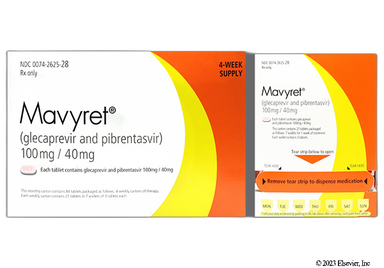
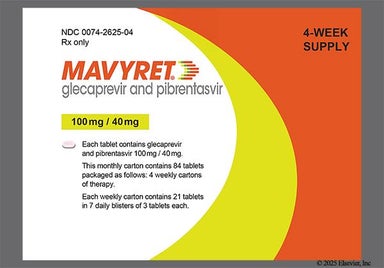
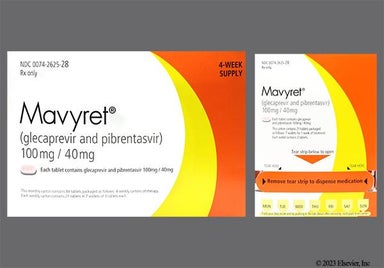
Mavyret is a combination medication that contains two antivirals, glecaprevir and pibrentasvir. It's a first-choice tratment for both early (acute) and long-term (chronic) hepatitis C. This medication comes as tablets and oral pellets for people 3 years and older. You take your dose by mouth once a day with food. It's taken for 8 to 16 weeks, depending on the type of hepatitis C you have, your liver health, and past treatments. Side effects include headache, tiredness, and nausea.

Mavyret is a combination of two antiviral medications that work together to treat hepatitis C. Glecaprevir is a protease inhibitor, and pibrentasvir is an NS5A inhibitor. They block two different proteins of the hepatitis C virus (HCV). This helps stop virus from making more copies of itself in your body.
| Common Brands | Mavyret |
|---|---|
| Drug Class | Antiviral |
| Controlled Substance Classification | Not a controlled medication |
| Generic Status | No lower-cost generic available |
| Availability | Prescription only |

The following side effects may get better over time as your body gets used to the medication. Let your healthcare provider know immediately if you continue to experience these symptoms or if they worsen over time.
Note: Side effects were from adults without cirrhosis who were treated for hepatitis C for the first time. Side effects might be different for people with cirrhosis or for children.
Contact your healthcare provider immediately if you experience any of the following.
Side effects that you should report to your care team as soon as possible:
Side effects that usually do not require medical attention (report to your care team if they continue or are bothersome):




Mavyret (glecaprevir / pibrentasvir) can cause some serious health issues. This risk may be even higher for certain groups. If this worries you, talk to your doctor or pharmacist about other options.
Some people who have both hepatitis B and C have had their hepatitis B flare up while being treated for hepatitis C. This is called hepatitis B reactivation. It usually happens when they aren't taking medications to treat hepatitis B.
Hepatitis B reactivation can make your liver enzyme levels go up. In serious cases, it can lead to liver failure, which can be life-threatening.
Before starting Mavyret (glecaprevir / pibrentasvir), you'll get tested for hepatitis B. Tell your care team if you have had hepatitis B or been treated for it. They can watch for signs of reactivation and manage it if it happens.
Some people have had serious liver problems, including liver failure, while taking hepatitis C medications like Mavyret (glecaprevir / pibrentasvir). It's not clear if the medication caused it. But it's mostly happened in people who already had severe liver problems before treatment started. These issues usually appeared within the first 4 weeks of treatment.
Before starting Mavyret (glecaprevir / pibrentasvir), your prescriber will check your liver to make sure it's safe for you. You can't take it if you have severe liver problems. If you have milder liver problems, you can still take it but the care team will monitor you more closely.
Tell your care team right away if you notice symptoms of worsening liver problems. Watch for yellowing of your skin or eyes, stomach bloating, or changes in behavior or thinking.
Some medications can make Mavyret (glecaprevir / pibrentasvir) not work as well. These include rifampin (Rifadin), carbamazepine (Tegretol), efavirenz, and St. John's wort. It's not recommended to take these medications with Mavyret (glecaprevir / pibrentasvir).
Tell your prescriber and pharmacist about all the medications, vitamins, and supplements you take and plan to take. They can check for drug interactions and adjust your medications to help keep you safe.

 Bottle
| Dosage | Quantity | Price as low as | Price per unit |
|---|---|---|---|
| 84 tablets of 100mg/40mg | 1 bottle | $12,852.78 | $12,852.78 |
 Package
| Dosage | Quantity | Price as low as | Price per unit |
|---|---|---|---|
| 84 tablets of 100mg/40mg | 1 package | $12,852.78 | $12,852.78 |
| 28 packets of 50mg/20mg | 3 packages | $7,609.80 | $2,536.60 |
Age 12 years or older or those who weigh at least 99 lbs
Age 3 to under 12 years
The length of treatment is either 8, 12, or 16 weeks. This depends on if you've have any previous HCV treatment regimen before and what they were. How long you take Mavyret also depends on if you have liver cirrhosis.


Contraindications are specific health conditions or situations in which a person should not take a medication due to safety concerns. If you have any of the following conditions or if any of the following apply to you, let your healthcare provider know because Mavyret (glecaprevir / pibrentasvir) will not be safe for you to take.









Prescription savings
Stop paying too much for your prescriptions. Compare prices, get pharmacy coupons, and save up to 80%. Find expert answers to your health questions so you can make the best decisions for yourself and your family.
Health conditions
Medications & treatment
Access & affordability
 Our monthly healthcare membership can help you save thousands on your prescription costs.
Resources

Yes. Completing your full treatment with Mavyret can cure hepatitis C. Your prescriber will check your blood about 3 months (or more) after you finish your treatment. If they don't see any signs of the virus in your blood work, it can be considered a cure. Ask your prescriber if you have questions about your lab results or what they mean.
Hepatitis C medications like Mavyret can start lowering the virus in your blood soon after you begin treatment. The virus level drops quickly in the first 12 hours to 2 days. Then, it keeps going down more slowly over the next few weeks. Take Mavyret every day for your full treatment (8, 12, or 16 weeks). Stopping too early can make the virus come back and be harder to treat. Talk to your prescriber if you have more questions about how well Mavyret is working.
It's generally recommended to avoid alcohol while taking Mavyret. Alcohol can cause more liver damage. It can also weaken the immune system. This can make it harder for your body to fight hepatitis C. There are also some medications you should avoid with Mavyret. Some medications can raise your risk of side effects or make others work less well. Always tell your prescriber and pharmacist about all the medications and supplements you take. They can make sure it's safe for you. Talk to your care team for a more detailed look about what to avoid during treatment.
No. There's no clinical evidence that Mavyret causes any type of cancer. By helping to cure hepatitis C, it can actually help lower your risk of liver cancer as a complication from the infection.
In studies, itching wasn't a common side effect of Mavyret. Most people who felt itchy had chronic hepatitis C. Itching can sometimes be a sign of an allergic reaction, which can happen with any medication. Tell your prescriber if you have bothersome itching. Get medical help right away if you also have trouble breathing or swelling in the face, as this could be a serious allergic reaction.
No, Mavyret doesn't usually cause weight loss. But it can cause nausea and diarrhea. This might lower your appetite and affect your nutrition. Talk to your prescriber if you notice big changes in your appetite or weight after starting this medication.
In studies, hair loss wasn't a side effect of Mavyret. Tell your care team if you notice more hair loss, hair shedding, or hair thinning while taking this medication. They can help figure out possible causes and suggest ways to manage it.
No, don't crush the Mavyret tablets or oral pellets. The tablets and oral pellets have a special coating around them. Crushing them can damage this coating. This can change how the medication gets absorbed into your body. If you have trouble swallowing tablets whole, talk to your prescriber about switching to the oral pellets. These are mixed with soft food and swallowed without chewing.
