



Appetite Stimulants: 9 Medications That Make You Want to Eat
Appetite stimulants like megestrol can help promote weight gain. People with certain health conditions may use appetite stimulants to meet nutritional needs.
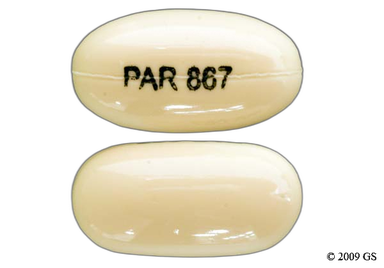
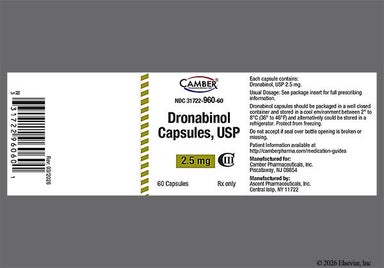
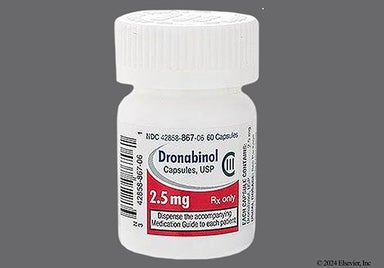
Dronabinol capsules, also known by the brand name Marinol, help treat nausea and vomiting from certain cancer medications (chemotherapy). It's also approved as an appetite stimulant for adults with acquired immunodeficiency syndrome (AIDS). This medication is taken by mouth. The dosage depends on why you're taking it. Some side effects are dizziness, sleepiness, and stomach pain. Dronabinol (Marinol) is a type of cannabinoid. It has a potential risk of misuse, dependence, and addiction, so it's considered a controlled substance.

Dronabinol (Marinol) is a cannabinoid. It's a synthetic (lab-made) form of tetrahydrocannabinol (THC), which is an ingredient found in marijuana.
Dronabinol (Marinol) works in the brain. It attaches to cannabinoid receptors in areas of the brain that help control nausea and vomiting and improve appetite.
| Common Brands | Marinol |
|---|---|
| Drug Class | Cannabinoid |
| Controlled Substance Classification | Schedule III |
| Generic Status | Lower-cost generic available |
| Availability | Prescription only |

Dronabinol (Marinol) can cause some serious health issues. This risk may be even higher for certain groups. If this worries you, talk to your doctor or pharmacist about other options.
Before starting dronabinol (Marinol), tell your prescriber if you have any mental health problems. This can include depression, mania, or schizophrenia. Dronabinol (Marinol) might make these problems worse.
If you have these kinds of mental health problems, it's best to avoid dronabinol (Marinol). But if there are no other choices, be sure to watch for any new or worsening mental health problems while you're taking this medication. If this happens, tell your prescriber right away.
Dronabinol (Marinol) can make you dizzy, sleepy, or confused. It can also make it harder to think, pay attention, and react. Don't drive, use heavy machines, or do anything where you have to focus until you know how this medication affects you.
If these side effects start bothering you or disrupt your daily life, talk to your prescriber. They can adjust your dose or decide to stop dronabinol (Marinol).
People might have changes in blood pressure while taking dronabinol (Marinol). Sometimes, blood pressure can go up. And other times, it can go down. Some people might also have a faster heart rate or faint. Your prescriber will check for blood pressure and heart rate changes after you start the medication and after any dose increases.
Tell your prescriber if you have any heart problems because you might be at higher risk. Also let them know about all the medications you take. Your risk is higher if you take other medications that affect your heart rate or blood pressure. Examples include stimulants and tricyclic antidepressants like amitriptyline. Your prescriber can make sure dronabinol (Marinol) is safe for you to take.
Reach out your prescriber if you feel lightheaded, dizzy, tired, chest pain, or short of breath while taking dronabinol (Marinol). Also let them know if you feel your heart racing. If you faint and hit your head, get medical help right away.
Some people taking dronabinol (Marinol) have had seizures. If you've had a seizure before, discuss with your prescriber to see if this medication is right for you. If you have a seizure, stop taking dronabinol (Marinol) and get medical help right away.
Dronabinol (Marinol) has a risk of misuse, dependence, and addiction. Misuse is when someone uses a medication for non-medical reasons, like to feel "high" or very happy. Dependence can happen when you take a medication for a long time and your body starts to rely on it to feel normal.
Before you start dronabinol (Marinol), your prescriber will check to see if you have a risk of misuse. People with a history of substance use disorder or dependence, including with marijuana or alcohol, might be more likely to misuse this medication. Your prescriber will follow up with you often about these behaviors. If you're worried about these risks, talk to your prescriber.
Some people had nausea, vomiting, and stomach pain while taking dronabinol (Marinol). It can sometimes be severe, leading to dehydration and electrolyte changes.
Let your prescriber know if it seems like dronabinol (Marinol) is making you feel more nauseous. Also tell them if any vomiting or stomach pain gets worse. Your prescriber might need to lower your dose or have you stop the medication.

The following side effects may get better over time as your body gets used to the medication. Let your healthcare provider know immediately if you continue to experience these symptoms or if they worsen over time.
Contact your healthcare provider immediately if you experience any of the following.
Along with its needed effects, a medicine may cause some unwanted effects. Although not all of these side effects may occur, if they do occur they may need medical attention.
Check with your doctor immediately if any of the following side effects occur:
Less common
Changes in mood
confusion
delusions
fast or pounding heartbeat
feelings of unreality
loss of memory
mental depression
nervousness or anxiety
problems with memory
seeing, hearing, or feeling things that are not there
Rare
Blurred vision
chills
dizziness, faintness, or lightheadedness when getting up suddenly from a lying or sitting position
sweating
unusual tiredness or weakness
Incidence not known
Fainting
feeling of warmth
hives or rash
redness of the face, neck, arms, and occasionally, upper chest
seizures
sores in the mouth
swelling of the lips
tightness in the throat
trouble sleeping
Get emergency help immediately if any of the following symptoms of overdose occur:
Symptoms of overdose
Being forgetful
change in how fast you think time is passing
change in your sense of smell, taste, sight, sound, or touch
decrease in motor coordination
drowsiness (severe)
dryness of the mouth (severe)
false sense of well-being
feeling sluggish
panic reaction
problems in urinating
redness of the eyes
seizures
slurred speech
unusual drowsiness or dullness
Some side effects may occur that usually do not need medical attention. These side effects may go away during treatment as your body adjusts to the medicine. Also, your health care professional may be able to tell you about ways to prevent or reduce some of these side effects. Check with your health care professional if any of the following side effects continue or are bothersome or if you have any questions about them:
More common
Clumsiness or unsteadiness
dizziness
drowsiness
false sense of well-being
trouble with thinking
vomiting
Less common or rare
Abdominal or stomach pain
flushing of the face
lack or loss of strength
restlessness
Other side effects not listed may also occur in some patients. If you notice any other effects, check with your healthcare professional.
Call your doctor for medical advice about side effects. You may report side effects to the FDA at 1-800-FDA-1088.





Although certain medicines should not be used together at all, in other cases two different medicines may be used together even if an interaction might occur. In these cases, your doctor may want to change the dose, or other precautions may be necessary. When you are taking this medicine, it is especially important that your healthcare professional know if you are taking any of the medicines listed below. The following interactions have been selected on the basis of their potential significance and are not necessarily all-inclusive.
Using this medicine with any of the following medicines is not recommended. Your doctor may decide not to treat you with this medication or change some of the other medicines you take.


Contraindications are specific health conditions or situations in which a person should not take a medication due to safety concerns. If you have any of the following conditions or if any of the following apply to you, let your healthcare provider know because Dronabinol (Marinol) will not be safe for you to take.







Prescription savings
Stop paying too much for your prescriptions. Compare prices, get pharmacy coupons, and save up to 80%.Resources
About GoodRx
 Find expert answers to your health questions so you can make the best decisions for yourself and your family.
Health conditions
Medications & treatment
Access & affordability
Well-being
Medication discounts

For people with HIV or AIDS, you might notice a change in your appetite in just a few hours after taking Dronabinol. But studies show that it takes at least 2 weeks of treatment to see a more noticeable and significant difference. Your appetite might even keep getting better after that. Be sure to take Dronabinol as prescribed even if you don't see a big difference at first. If you have questions about how long the medication is taking to help, talk to your prescriber.
It can take up to almost 8 days for Dronabinol to leave your body after a single dose. This is based on the medication's half-life. The half-life is a measure of the time it takes the body to get rid of the medication from its system. Remember, Dronabinol is a lab-made form of THC. This means that it can show up on a urine drug test until the medication is cleared from your system. When you need to take a drug test, it's important to tell your care team about the medications you take and when you last took them. If you have questions about how long Dronabinol stays in your body, ask your prescriber.
For people with HIV or AIDS who have a low appetite and are losing weight, Dronabinol is approved to help them feel more hungry. This should help them get more nutrition and gain weight. So if the medication is working well, you should notice some weight gain. For people taking Dronabinol to help with nausea and vomiting from chemotherapy, it might be helpful if it's hard to maintain a healthy weight due to the nausea. If you have weight changes that worry you while taking this medication, talk to your prescriber.
No, Dronabinol isn't a narcotic. The term "narcotic" usually refers to opioid pain medications. Dronabinol isn't a type of opioid. Instead, it's a types of cannabinoid.
Yes. Dronabinol is a schedule III controlled substance. This is because it has a risk of misuse, dependence, and addiction. To help keep you safe, there are federal and state rules about how this medication gets prescribed and filled at pharmacies. Make sure to keep Dronabinol in a safe place away from others. Talk to your prescriber if you have questions about these risks and rules.
It's possible for Dronabinol to make you feel "high." This means it can make you laugh easily and feel very happy. Dronabinol is a lab-made version of tetrahydrocannabinol (THC). THC is an active ingredient of the cannabis plant. And it's what causes this “high” feeling. Talk to your prescriber if you notice any of these effects and they bother you or don't go away. You might need to have your dose lowered. Remember, taking Dronabinol just to get high is considered misuse. This can be dangerous.
No. You shouldn't take Dronabinol if you're pregnant. This medication has a risk of harm to an unborn baby if it's taken during pregnancy. If you're pregnant or thinking of becoming pregnant, talk to your prescriber about safer options.
