


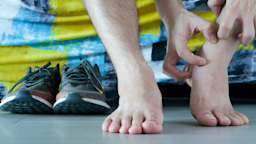
What Causes Athlete’s Foot (Tinea Pedis), and What Does It Look Like?
Athlete’s foot (tinea pedis) is a fungal infection of the foot that can cause itching, peeling, and burning. See pictures of athlete’s foot and learn how to treat it.
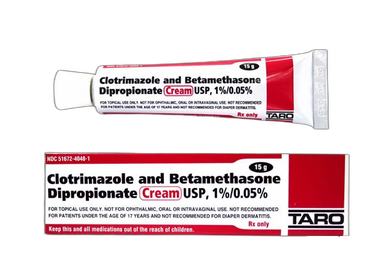
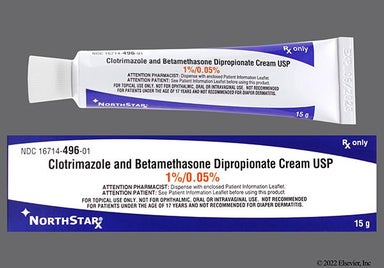
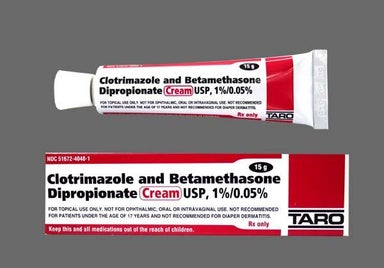
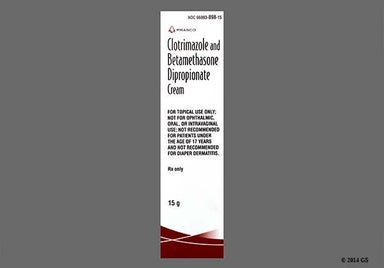
Clotrimazole / betamethasone is a topical prescription medication used to treat fungal skin infections like athlete's foot, ringworm, and jock itch in people 17 years and older. It combines an antifungal (clotrimazole) and a corticosteroid (betamethasone) to reduce infection and swelling. The medication is available as a cream or lotion. You usually apply it to the affected area twice a day for a short time. Side effects can include tingling, rash, and swelling.

Clotrimazole / betamethasone is a combination of two medications that treat fungal skin infections.
| Common Brands | Lotrisone |
|---|---|
| Drug Class | Antifungal / corticosteroid |
| Controlled Substance Classification | Not a controlled medication |
| Generic Status | Lower-cost generic available |
| Availability | Prescription only |

The following side effects may get better over time as your body gets used to the medication. Let your healthcare provider know immediately if you continue to experience these symptoms or if they worsen over time.
Along with its needed effects, a medicine may cause some unwanted effects. Although not all of these side effects may occur, if they do occur they may need medical attention.
Check with your doctor immediately if any of the following side effects occur:
Less common
Blistering, burning, itching, peeling, dryness, redness, or other signs of skin irritation not present before use of this medicine
burning, crawling, itching, numbness, prickling, "pins and needles", or tingling feelings
Incidence not known
Blindness
blurred vision
change in vision
decreased vision
full or round face, neck, or trunk
headache
irritability
reddish purple lines on the arms, face, legs, trunk, or groin
redness and scaling around the mouth
softening of the skin
stomach pain
tearing
unusual tiredness or weakness
vomiting
Other side effects not listed may also occur in some patients. If you notice any other effects, check with your healthcare professional.
Call your doctor for medical advice about side effects. You may report side effects to the FDA at 1-800-FDA-1088.




Clotrimazole / betamethasone can cause some serious health issues. This risk may be even higher for certain groups. If this worries you, talk to your doctor or pharmacist about other options.
If you apply clotrimazole / betamethasone to large areas of skin for a long time, too much medication can get into your body. This can cause your body to make less of certain stress hormones, which can affect many bodily functions. Symptoms can include tiredness, nausea, or muscle aches. This usually gets better after you stop using the medication, but severe cases might need medical treatment.
Use clotrimazole / betamethasone only as your prescriber directs. Don’t apply more than prescribed, don’t use it longer than told, and don’t cover the treated area with bandages unless your prescriber says it’s okay. If they think this medication is affecting your hormone levels, they might suggest you use it less often or switch you to a different treatment.
Although rare, clotrimazole / betamethasone can raise your risk of developing eye problems like cataracts or glaucoma. If you notice any changes in your vision while using this medication, tell your prescriber right away.

 Bottle of lotion
| Dosage | Quantity | Price as low as | Price per unit |
|---|---|---|---|
| 30ml of 1%/0.05% | 1 bottle | $45.69 | $45.69 |

Although certain medicines should not be used together at all, in other cases two different medicines may be used together even if an interaction might occur. In these cases, your doctor may want to change the dose, or other precautions may be necessary. When you are taking this medicine, it is especially important that your healthcare professional know if you are taking any of the medicines listed below. The following interactions have been selected on the basis of their potential significance and are not necessarily all-inclusive.
Using this medicine with any of the following medicines is not recommended. Your doctor may decide not to treat you with this medication or change some of the other medicines you take.
Using this medicine with any of the following medicines is usually not recommended, but may be required in some cases. If both medicines are prescribed together, your doctor may change the dose or how often you use one or both of the medicines.
Using this medicine with any of the following medicines may cause an increased risk of certain side effects, but using both drugs may be the best treatment for you. If both medicines are prescribed together, your doctor may change the dose or how often you use one or both of the medicines.


Prescription savings
Stop paying too much for your prescriptions. Compare prices, get pharmacy coupons, and save up to 80%. Find expert answers to your health questions so you can make the best decisions for yourself and your family.
Health conditions
Medications & treatment
Access & affordability
 Our monthly healthcare membership can help you save thousands on your prescription costs.
Resources

No, Lotrisone is only available by prescription from a healthcare professional.
Yes, Lotrisone contains a steroid, but it's not only a steroid. The betamethasone part is a topical steroid that helps reduce skin inflammation like itching and redness. The other ingredient, clotrimazole, is an antifungal that kills the fungus causing the infection.
In clinical studies of Lotrisone, infections started to improve within 3 to 5 days for ringworm and jock itch and within about 1 week for athlete’s foot after beginning treatment. If you don’t notice improvement within 1 to 2 weeks, talk with your prescriber.
No, Lotrisone shouldn't be used to treat a yeast infection. Lotrisone is only for use on the skin and never applied in the eyes, mouth, or vagina. If you have a vaginal yeast infection, ask your prescriber about the right treatment options.
Not usually. Lotrisone isn't FDA approved for vulvar itching. Vulvar itching can have many causes, like yeast infections, irritation, or skin conditions, so it’s best to talk with your prescriber to find a treatment that’s safe and meant for that area.
It’s not fully known if Lotrisone is safe during pregnancy. Lotrisone contains betamethasone, a medium-to-high-potency steroid. Studies show that high-potency steroids can raise the risk of low birth weight. But other studies suggest that this risk is low. Tell your prescriber if you’re pregnant before using this medication. If the benefits are greater than the risks, you'll likely apply it to the smallest area of skin for the shortest time possible.
