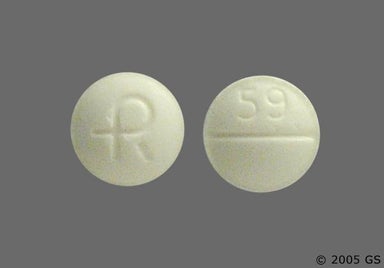
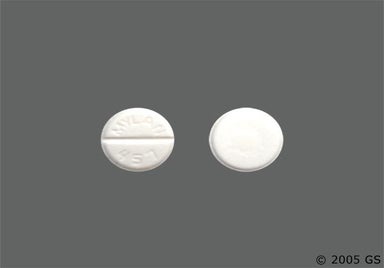
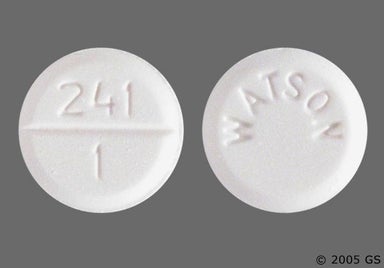
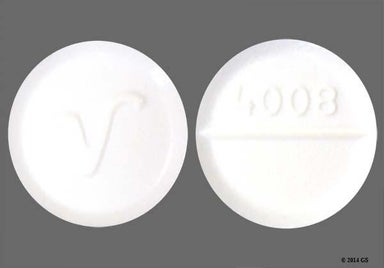
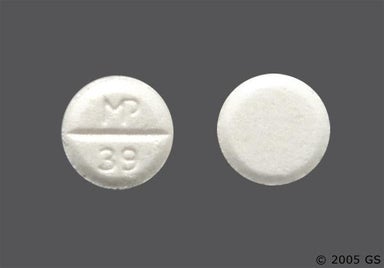
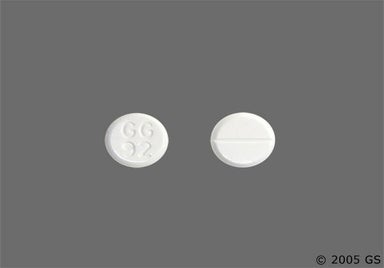
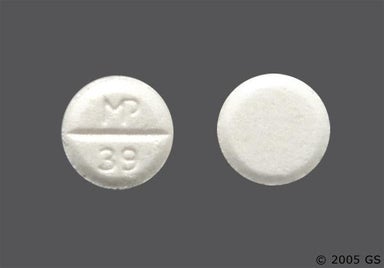
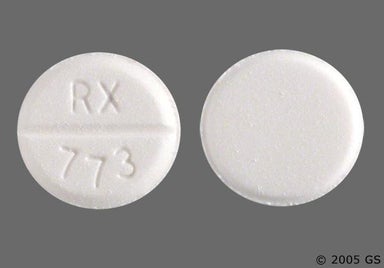
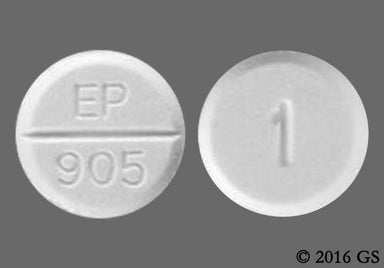
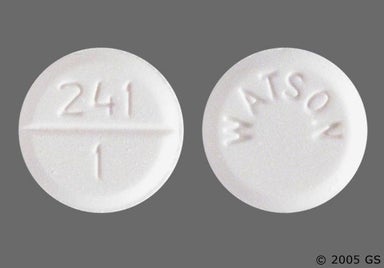
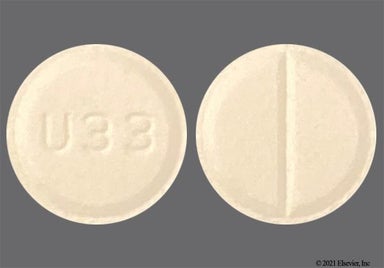
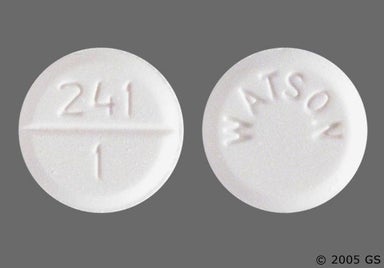
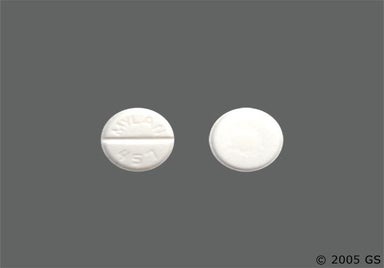
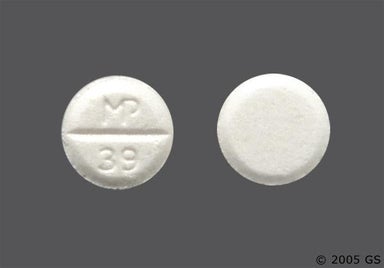
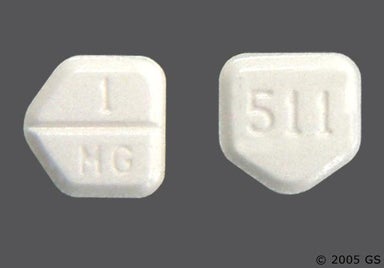
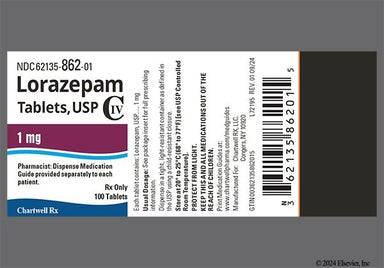
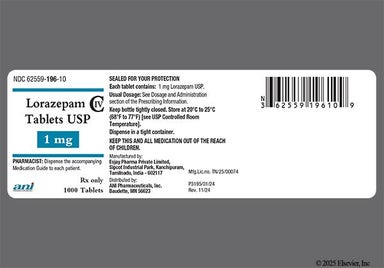
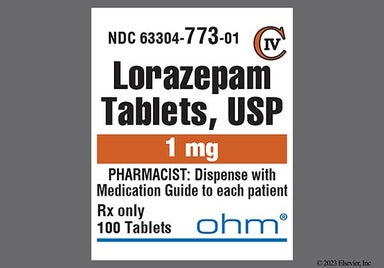
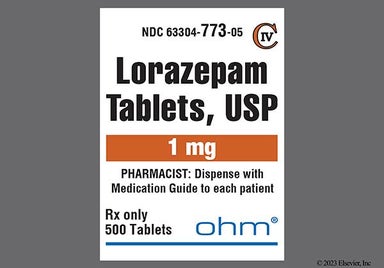
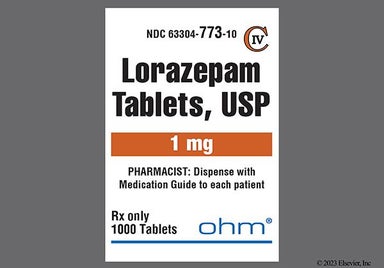
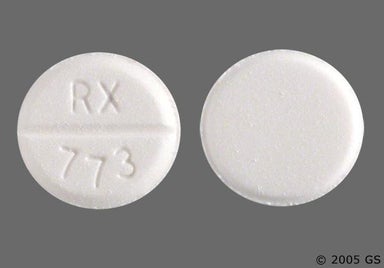
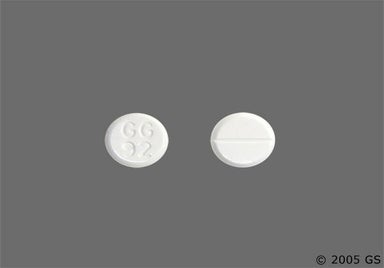
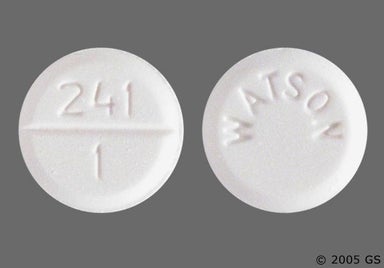
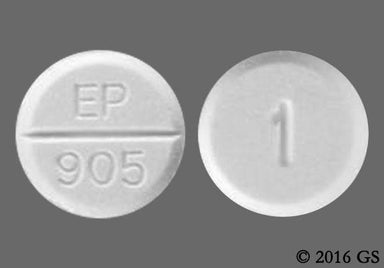
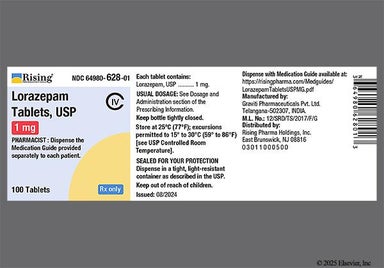
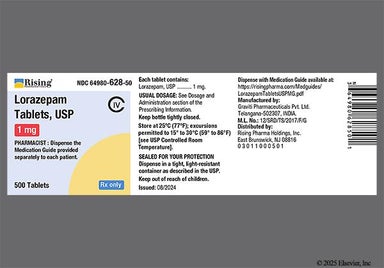
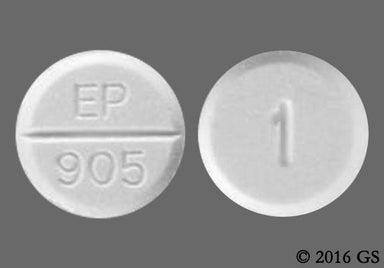
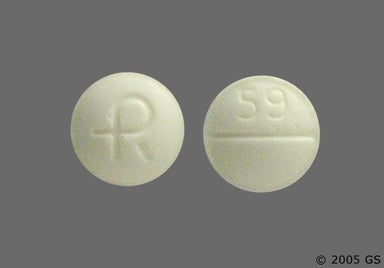
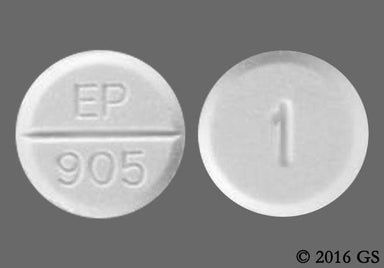
Lorazepam (Ativan) is a controlled substance, which means that it's more likely to be misused or cause dependence. There are federal and state laws that limit the amount of medication that can be prescribed or dispensed within a certain period of time.
Lorazepam (Ativan) can cause some serious health issues. This risk may be even higher for certain groups. If this worries you, talk to your doctor or pharmacist about other options.
Sedation and difficulty breathing
Risk factors: Taking with opioid pain medications or alcohol | Taking for a longer time and at higher doses than prescribed
Taking lorazepam (Ativan) with opioid pain medications or alcohol can cause severe drowsiness, tiredness, and difficulty breathing, which can be life-threatening.
Some people with long-term pain might already be taking opioid medications. If this applies to you, let your care team know. The combination of lorazepam (Ativan) with opioid medication should be avoided because this raises the chance of overdose. Ask your care team if safer medication options are available. If you or a loved one notices that you're having trouble breathing or waking up easily, get medical help right away.
Misuse, dependence, and withdrawal
Risk factors: Taking higher doses of lorazepam (Ativan) over a longer period of time | Stopping lorazepam (Ativan) suddenly
Taking lorazepam (Ativan) can raise the risk of misuse (using it for reasons other than prescribed) or addiction. This can happen even at the recommended dose of this medication. Misuse and addiction are serious concerns because they can lead to overdose, which can be life-threatening.
Additionally, taking lorazepam (Ativan) over longer periods of time can raise the risk for physical dependence. If so, suddenly stopping lorazepam (Ativan) can lead to withdrawal symptoms, including hallucinations, a change in behavior, and trouble sleeping. Sometimes, withdrawal symptoms can last weeks to years. Don't stop taking lorazepam (Ativan) without first talking to your HCP. Take lorazepam (Ativan) only as instructed to lower the risk of dependence and overdose.
Depression and suicidal thoughts or behaviors
Risk factors: Severe depression | Psychosis
Taking benzodiazepines, like lorazepam (Ativan), can make depression worse. Watch for new or worsening signs of depression, suicidal thoughts or behavior, or any unusual changes in mood or behavior while taking lorazepam (Ativan). Get medical help right away if you notice any of these changes. Your care team will likely ask you to consider other medications for your anxiety.
Effect on driving and concentration
Risk factors: Drinking alcohol | Also taking other medications that cause drowsiness | Older adult
Lorazepam (Ativan) can make you feel sleepy and affect your concentration and focus. Drinking alcohol while taking lorazepam (Ativan) and taking additional medications that make you feel drowsy can make this effect worse. Avoid activities that require you to be alert, like driving or operating machinery, until you know how the medication affects you.
Trouble breathing
Risk factors: Ages 65 years or older | Liver problems | Medical conditions that affect breathing
If you're over the age of 65, you might be more likely to experience side effects from lorazepam (Ativan). Too high of a dose can cause you to have trouble breathing. Your HCP will most likely start you on a very low dose of lorazepam (Ativan). This will help prevent more dangerous side effects. Let your HCP know if you've trouble breathing after taking lorazepam (Ativan).
This medication should also be used with caution in people with certain breathing problems like chronic obstructive pulmonary disease (COPD) or sleep apnea. Lorazepam (Ativan) can affect your breathing, so it can be more dangerous for people with already existing breathing problems.
Risk of agitation and restlessness
Risk factors: Ages 65 years or older
In some rare cases, taking medications like lorazepam (Ativan) have led to side effects such as agitation, feeling irritable, violent behavior, confusion, and excitement. If you experience these side effects, let your healthcare team know right away because they'll need to help you stop this medication safely.
Harm to babies
Risk factors: Taking lorazepam (Ativan) while pregnant
Lorazepam (Ativan) can cause harm to your baby if you take the medication while you're pregnant. Newborn babies whose parent took lorazepam (Ativan) during pregnancy have experienced serious issues like breathing problems, excessive drowsiness, irritability, and feeding difficulties. If you're planning to have a baby or are currently pregnant, speak with your HCP about the best options for your anxiety or panic disorder.
Serious allergic reaction (Loreev XR only)
Loreev XR capsules contain FD&C Yellow No. 5 (tartrazine). Don't take this medication if you're allergic to this ingredient. Doing so can trigger a serious allergic reaction.
The following side effects may get better over time as your body gets used to the medication. Let your healthcare provider know immediately if you continue to experience these symptoms or if they worsen over time.
Common Side Effects
Sleepiness (16%)
Dizziness (7%)
Weakness (4%)
Unsteadiness (3%)
Less Common Side Effects
Confusion
Depression
Mood changes
Trouble speaking
Headache
Blurred vision
Changes in behavior and sleep
Lorazepam (Ativan) serious side effects
Contact your healthcare provider immediately if you experience any of the following.
The following Lorazepam (Ativan) side effects have also been reported
Along with its needed effects, a medicine may cause some unwanted effects. Although not all of these side effects may occur, if they do occur they may need medical attention.
Check with your doctor immediately if any of the following side effects occur:
Get emergency help immediately if any of the following symptoms of overdose occur:
Symptoms of overdose
Changes in patterns and rhythms of speech
increased sweating
loss of strength or energy
nightmares
shakiness and unsteady walk
slurred speech
trouble speaking
unsteadiness, trembling, or other problems with muscle control or coordination
unusual drowsiness, dullness, tiredness, weakness, or feeling of sluggishness
unusual excitement, nervousness, restlessness, or irritability
unusual paleness
unusual weak feeling
Some side effects may occur that usually do not need medical attention. These side effects may go away during treatment as your body adjusts to the medicine. Also, your health care professional may be able to tell you about ways to prevent or reduce some of these side effects. Check with your health care professional if any of the following side effects continue or are bothersome or if you have any questions about them:
Taking lorazepam (Ativan) with opioid pain medications is very dangerous and should be avoided, if possible. The combination can lead to life-threatening side effects, such as slowed breathing and coma.
Lorazepam (Ativan) is only meant for short-term treatment of anxiety symptoms. Taking it over a longer period of time can raise the risk for dependence and memory problems. Talk with you care team to see how long you should take lorazepam (Ativan). Also, discuss with them about safer, long-term treatment options for anxiety.
Don't drink alcohol with lorazepam (Ativan). This combination can intensify side effects which can lead to an overdose.
Lorazepam (Ativan) causes dizziness and drowsiness. Avoid activities that require you to be alert (like driving) until you know how it affects you.
If you've been taking lorazepam (Ativan) every day for a while, don't stop taking this medication suddenly because you might get withdrawal symptoms. Examples of withdrawal symptoms include headache, nausea, heart palpitations, and anxiety.
If you're taking the oral solution version of lorazepam (Ativan), be sure to only use the dropper in the package to measure out your dose. Don't use other tools, like household spoons, to measure your dose because doing so might cause you to measure the wrong dose.
It's recommended to mix your dose of lorazepam (Ativan) oral solution with a beverage or semi-solid food, such as water, juice, soda, applesauce, or pudding. Eat or drink the mixture right away and don't try to save it for later.
Store the oral solution in the refrigerator, and discard the bottle after it's been open for 3 months.
If you're taking extended-release lorazepam (Loreev XR) and have trouble swallowing the capsule, you can open it up and sprinkle the contents inside over a tablespoon of applesauce. Eat this mixture whole without chewing, then drink some water afterwards to help you wash it down. Make sure to eat this mixture within 2 hours of mixing and don't save it for later.
The average cost for 30 tablets of 1mg of Lorazepam (Ativan) is $11.41 with a free GoodRx coupon. This is 31.31% off the average retail price of $16.61.
Anxiety (people ages 12 years and older): The typical starting dose is 2 mg to 3 mg, split up into two to three doses, by mouth throughout the day. Your dose might be lower if you're an older adult.
Loreev XR is only for people who are stable on immediate-release lorazepam (Ativan) three times daily in evenly divided doses.
Anxiety (adults): The typical dose of Loreev XR is equal to the total daily dose of lorazepam (Ativan), taken by mouth once daily in the morning.
Lorazepam (Ativan) is also available as an intravenous (IV) injection or intramuscular (IM) that's given by a healthcare professional (HCP) to treat seizure(s) or to ease anxiety before surgery.
Interactions between Lorazepam (Ativan) and other drugs
Lorazepam (Ativan) may interact with certain medications or supplements. Always let your doctor and pharmacist know about any other medications or supplements (including prescribed and over-the-counter medications, vitamins, and dietary or herbal supplements) that you are currently taking. The list below does not include all possible drug interactions with Lorazepam (Ativan). Please note that only the generic name of each medication is listed below.
Although certain medicines should not be used together at all, in other cases two different medicines may be used together even if an interaction might occur. In these cases, your doctor may want to change the dose, or other precautions may be necessary. When you are taking this medicine, it is especially important that your healthcare professional know if you are taking any of the medicines listed below. The following interactions have been selected on the basis of their potential significance and are not necessarily all-inclusive.
Using this medicine with any of the following medicines is not recommended. Your doctor may decide not to treat you with this medication or change some of the other medicines you take.
Flumazenil
Using this medicine with any of the following medicines is usually not recommended, but may be required in some cases. If both medicines are prescribed together, your doctor may change the dose or how often you use one or both of the medicines.
Using this medicine with any of the following medicines may cause an increased risk of certain side effects, but using both drugs may be the best treatment for you. If both medicines are prescribed together, your doctor may change the dose or how often you use one or both of the medicines.
Contraindications are specific health conditions or situations in which a person should not take a medication due to safety concerns. If you have any of the following conditions or if any of the following apply to you, let your healthcare provider know because Lorazepam (Ativan) will not be safe for you to take.
GoodRx Health has strict sourcing policies and relies on primary sources such as medical organizations, governmental agencies, academic institutions, and peer-reviewed scientific journals. Learn more about how we ensure our content is accurate, thorough, and unbiased by reading our editorial guidelines.
Prescription savings
Stop paying too much for your prescriptions. Compare prices, get pharmacy coupons, and save up to 80%.
Plans start at $9.99/mo. (when paid yearly). Terms apply.
Common questions about Lorazepam
If you're taking Lorazepam by mouth, you can start to feel its effects within 30 minutes. But some people might not feel a more noticeable effect until closer to 2 hours after a dose. If you're getting an injection of this medication from an HCP to stop a seizure, it can start to work even quicker (within 15 minutes).
Yes. As with all benzodiazepines, Lorazepam can be habit-forming and has a risk for being misused or causing dependence. This is why Lorazepam is a controlled medication. To lower the risk of addiction or dependence, your care team will prescribe the lowest dose of Lorazepam needed to treat your symptoms. Talk with them if you have any concerns about taking Lorazepam.
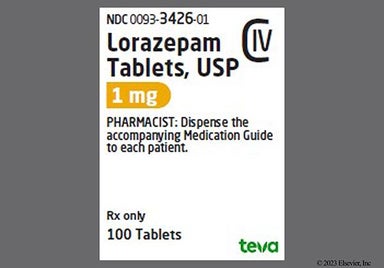
Yes. The Drug Enforcement Administration (DEA) classifies Lorazepam as a schedule IV controlled substance. This means that Lorazepam has the potential for misuse and dependence. There are stricter rules regarding how your healthcare professional (HCP) prescribes Lorazepam and how your pharmacy dispenses it. Because this medication can be habit-forming, you should only take it specifically as instructed by your HCP. Don't take more of it than you need, and never share this medication with anyone else.
Sleepiness is one of the most common side effects of Lorazepam. It's best to avoid taking other medications that can also cause drowsiness while you're taking Lorazepam. If you're starting Lorazepam for the first time, don't drive or do anything that needs a lot of focus or attention until you know how this medication affects you. If Lorazepam is making you feel too sleepy to go about your day, let your care team know. They might need to lower your dose of Lorazepam or recommend other medications to help with your medical condition.
Sometimes, having anxiety can lead to temporary spikes in blood pressure. If you have high blood pressure because of anxiety, you might notice a slight drop in blood pressure after starting Lorazepam. A small study showed that some people noticed a slight improvement in their blood pressure when their anxiety symptoms were eased by Lorazepam. Talk with your care team if you have more questions of how Lorazepam might affect blood pressure.
Avoid drinking alcohol with Lorazepam. Doing so can worsen the side effects of both alcohol and Lorazepam. This might lead to breathing problems, dizziness, and even a loss of consciousness. It's best to wait a few days after your last Lorazepam dose before having an alcoholic beverage.
Yes, you might experience withdrawal symptoms, such as tremor or nausea, if you suddenly stop taking Lorazepam. This is more likely if you've been taking higher doses for a longer period of time, but it can also happen with the recommended doses. Typically, you might notice withdrawal symptoms within 2 days after stopping this medication. Symptoms can last months, and rarely, even years. Talk with your care team if you've been taking Lorazepam for a while and want to stop. They can help you do so safely by lowering your dose slowly over time.
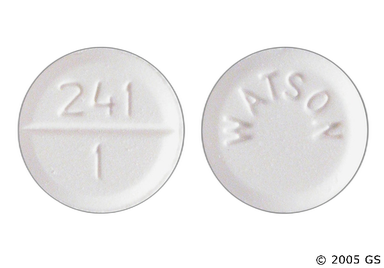





 Taking lorazepam (Ativan) with