Key takeaways:
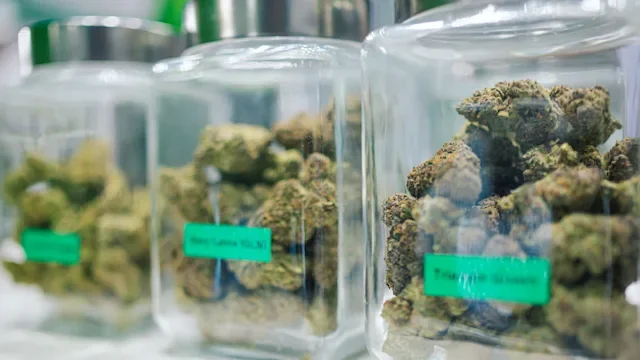
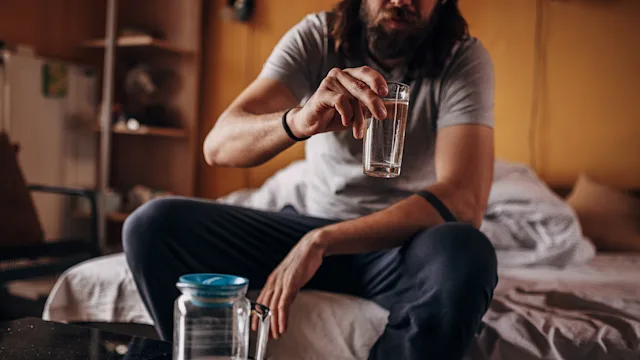
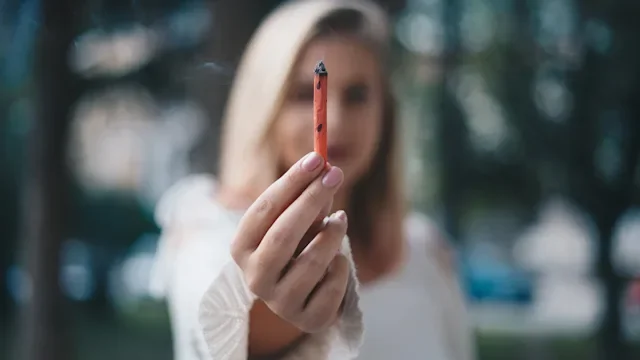
Drugs are appealing for many different reasons. People may use drugs to feel good, self-medicate uncomfortable emotions, enhance performance, or to simply experiment.
Regardless of the reason, many drugs and alcohol affect dopamine levels in the brain, which can cause repeated use and lead to addiction.
Not everyone who uses drugs becomes addicted. But certain risk factors — like a family history of addiction or experimenting with drugs when you’re young — may raise your risk for addiction.
While drugs and alcohol may feel pleasurable, these effects are often overshadowed by the risks and consequences. Still, people turn to alcohol and other drugs to change the way they think, feel, or act. Unfortunately, for some people, substance use can lead to serious problems like addiction.
Keep reading to learn about why people use drugs and the effect of drug use on the brain.
Why do people start using drugs or alcohol?
There are many different reasons why people may start using drugs and alcohol. In the beginning, substance use is typically enjoyable. But over time it often leads to more problems. Most people start using drugs and alcohol for five basic reasons:
Search and compare options
1. To feel good
One of the main reasons that people use drugs and alcohol is to feel good. Drugs like heroin, meth, and cocaine cause a pleasurable “high.” Alcohol causes an enjoyable sensation of being “tipsy” or “drunk.”
The experience of being “high” varies depending on the drug. Some drugs can make you feel good by:
Speeding you up
Giving you energy
Enhancing your focus and attention
Other drugs, such as benzodiazepines and opioids, may cause you to feel:
Calm
Relaxed
Drowsy
And other drugs, such as cannabis or psychedelics, may cause you to feel more creative or to have interesting mind-altering experiences.

Read more like this
Explore these related articles, suggested for readers like you.



The pleasurable experience of being under the influence of drugs or alcohol is short-lived. In some cases when the “high” wears off, you may feel worse than you did before taking the drug. While drugs and alcohol can temporarily make you feel good, they usually cause more problems in the long run.
2. To self-medicate
Feeling better is another common reason that people may turn to drugs and alcohol. Self-medication refers to taking substances to alleviate physical or emotional pain. People may turn to drugs and alcohol to cope with a range of feelings, including depression, anxiety, and stress.
There are two major problems with self-medication. First, it only temporarily makes you feel better. Once the drug wears off, the symptoms will return. In some cases, the symptoms may get worse. Second, substance use can cause added problems that can make life more stressful.
Even though feeling better is a common reason that people turn to drugs and alcohol, it often does more harm than good.
3. To manage a mental health conditions
A large number of people with substance use disorders also have a mental illness. This is referred to as having a co-occurring disorder. Self-medication is common among people with co-occurring disorders. The following mental health disorders commonly co-occur with substance use disorders:
Depression
Anxiety
Bipolar disorder
People with mental health issues are more vulnerable to the effects of substances on the brain. This puts them at greater risk of addiction.
4. To improve performance
Improving a person’s energy, strength, or focus can also motivate some people to turn to drugs. Certain drugs are known to enhance physical and mental performance.
Stimulants, also known as “uppers,” speed up the body. They are known to boost energy, attention, and self-esteem. For this reason, people may use them to study, complete demanding tasks, and play sports.
Common stimulants people misuse to enhance performance include:
Cocaine
Prescription stimulants for ADHD, like Adderall (amphetamine salts) and Ritalin (methylphenidate)
Anabolic steroids are another class of drugs that are used to enhance performance. Unlike stimulants, they do not cause a person to feel “high.” They are typically used by athletes or bodybuilders to boost muscle mass and enhance performance.
Like the other reasons for using drugs, stimulants and anabolic steroids may work temporarily to do better on an exam or on the athletic field. But over time, substance use can lead to consequences that negatively affect your physical and mental performance.
5. To experiment and fit in
The final common reason for using drugs involves a desire to experiment or fit in. Peer pressure plays a significant role in why people do or do not use drugs. This is especially true for teens and young adults.
Having family and friends who use drugs and alcohol can make drugs and alcohol seem attractive. Humans are social creatures, so when other people in a group are experimenting, it is normal to want to share in the experience. You may want to feel the same effects or fit in with the group.
The problem with using drugs or alcohol for any reason is that in some cases, any substance use can lead to addiction. Whether you use drugs and alcohol to feel pleasure, self-medicate, enhance performance, or fit in, there is a chance that it can lead to problems over time.
What are risk factors for addiction?
Each person has a set of traits and experiences that make them more likely or less likely to become addicted to drugs. These are called risk and protective factors. Risk factors are linked to a greater likelihood of developing an addiction, while protective factors lower the risk.
Risk factors fall into two main categories: your biology and environment. Genetics, developmental stage, biological sex, and ethnicity are examples of biological factors that can affect your risk of developing an addiction. Genetics affect around 50% of your risk of addiction.
Your family, school, and community environment also play a critical role in your risk of addiction. Environmental risk factors linked to addiction include:
A poor home life
Issues at work, school, or with relationships
Using drugs or alcohol as a teen
Family substance use
Peer substance use
Biological and environmental factors also influence one another. Certain environments may “trigger” the expression of a genetic risk factor. This is called epigenetics. For example, a person with a genetic predisposition to addiction may develop a problem after experimenting with peers.
Keep in mind that not everyone who uses drugs becomes addicted — even if you are at higher risk. But it’s important to keep in mind that experimenting with drugs even once can trigger addiction.
How does recreational drug use turn into addiction?
It’s pretty easy to understand why you would do drugs once or twice. But why do people continue using alcohol and other substances, especially when they see all of the negative effects? A brain chemical called dopamine is the main culprit.
Dopamine is a messenger in the brain that helps you remember rewarding and pleasant experiences. Whenever you have sex, eat delicious food, or spend time with loved ones, your brain releases a bit of dopamine to remind you to repeat these pleasurable activities.
The problem is that alcohol and other drugs hijack the brain’s natural reward system. Rather than delivering small amounts of the chemical, drugs flood the brain with dopamine. The pleasure you feel from this dopamine rush cannot compete with other activities, like spending time with loved ones.
These chemical changes make it so everyday activities seem painfully dull and boring. Only drugs can then create the desired results.
At this point, you are not actively choosing to do drugs. Instead, it’s like your brain is telling you to continue using. This can lead you to prioritize drugs over everything else in your life.
How do you know if you’re addicted to drugs?
When you are addicted, your thoughts, feelings, and behaviors will all center around getting and using drugs. You can recognize an addiction or substance use disorder by asking:
Do I constantly think about drugs?
Have I struggled to cut back?
Have drugs affected how I do at work or school?
Do I get in fights with people about drugs?
Do I use more drugs than I mean to?
Do I have cravings and feel odd when I’m not using?
Do I need more drugs to feel well?
Am I continuing to use drugs even though they negatively affect my health and relationships?
Answering “yes” to even a few questions could mean that you have a problem with alcohol and other drugs. Remember, you can become addicted to many substances, even ones that are legal or prescribed by a doctor.
When should you get help for excessive drug use?
Anyone who shows signs of a substance use disorder can benefit from addiction treatment. A substance use disorder is a diagnosis given to someone who continues to use drugs and alcohol despite having problems.
If you or someone you know has any of the following symptoms, then treatment may be recommended:
Taking more of a substance or taking a substance for a longer period of time than intended
Failed attempts to cut back
Giving up activities or hobbies because of substance use
Failure to keep up with responsibilities at home, work, or school
Spending large amounts of time getting, using, or recovering from substances
Craving drugs
Using substances in risky situations
Continuing to use substances despite experiencing negative effects on your physical or mental health and/or relationships
Needing more of a substance to feel the same effects over time
Experiencing physical and/or mental symptoms when you stop taking a substance
Only a professional can diagnose a substance use disorder. If you suspect that you or someone you know may have a problem, reach out to a healthcare provider or treatment center.
How to find help for drug use and addiction
Treatment for addiction may include medications, therapy, and support groups. The recommended type of treatment and level of care depends on the severity of your addiction and the type of drug(s) being used.
To find help for drug use and addiction you can:
Speak with your healthcare provider.
Contact your health insurance company for a list of in-network providers and facilities.
Call SAMHSA’s National Helpline to learn about local resources at 1-800-662-HELP (4357).
Search the online treatment locator tool to find treatment options in your area.
People with addictions can also benefit from self-help groups. These groups are free and typically led by a peer in recovery. They are available online and in-person. Popular addiction self-help groups include:
The bottom line
People may start using drugs for many reasons and keep using because of the effect of drugs on the brain. Certain risk factors can raise the chances that some people who use drugs develop an addiction. The good news is that drug use and addiction can be treated. Professional treatment, including therapy and medications can help you recover from addiction.

Why trust our experts?



If you or someone you know struggles with substance use, help is available. Call SAMHSA’s National Helpline at 1-800-662-HELP (4357) to learn about resources in your area.
References
American Psychiatric Association. (2020). What is a substance use disorder?
American Psychological Association. (2008). Genes matter in addiction.
Department of Justice/Drug Enforcement Administration. (2020). Drug fact sheet.
Keyzers, A., et al. (2020). Peer pressure and substance use in emerging adulthood: A latent profile analysis. Substance Use & Misuse.
Leeies, M., et al. (2010). The use of alcohol and drugs to self-medicate symptoms of posttraumatic stress disorder. Depression and Anxiety.
National Institute on Drug Abuse. (2019). How to recognize a substance use disorder.
National Institute on Drug Abuse. (2020). Can addiction be treated successfully? Drugs, Brains, and Behavior: The Science of Addiction.
National Institute on Drug Abuse. (2020). Common comorbidities with substance use disorders research report: Why is there comorbidity between substance use disorders and mental illnesses?
National Institute on Drug Abuse. (2020). Commonly used drugs charts.
National Institute on Drug Abuse. (2020). Drugs, brains, and behavior: The science of addiction.
National Institute on Drug Abuse. (2020). Introducing the human brain. Drugs, Brains, and Behavior: The Science of Addiction.
National Institute on Drug Abuse. (2020). The science of drug use: A resource for the justice sector.
National Institute on Drug Abuse. (2020). What is drug addiction? Drugs, Brains, and Behavior: The Science of Addiction.
National Institute on Drug Abuse. (2021). Start a conversation: 10 questions teens ask about drugs and health.
National Institute on Drug Abuse. (2023). Anabolic steroids and other appearance and performance enhancing drugs (APEDs).
Turner, S., et al. (2018). Self-medication with alcohol or drugs for mood and anxiety disorders: A narrative review of the epidemiological literature. Depression and Anxiety.
Youth.gov. (n.d.). Risk and protective factors.