Key takeaways:
No amount of alcohol is safe to drink if you’re taking Ativan (lorazepam). This combination can lead to excessive sleepiness and dizziness. More seriously, it can cause trouble breathing, dependence, and misuse.
It’s best to wait at least a few days after your last dose of Ativan before having an alcoholic drink. It can take a few days for Ativan to completely leave your system.
It’s also best to avoid alcohol with other anxiety medications, such as selective serotonin reuptake inhibitors (SSRIs) and buspirone. However, combining alcohol with Ativan and other benzodiazepines has a higher risk of side effects.
If you’re taking a benzodiazepine, like Ativan (lorazepam), it’s important to avoid drinking alcohol. Ativan and alcohol can cause similar side effects, including drowsiness. The combination can worsen these effects. More seriously, the combination can cause trouble breathing and even an overdose.
Below, we’ll answer five FAQs about combining Ativan and alcohol.
1. Can you mix Ativan and alcohol?
No, you should not mix alcohol and Ativan. Benzodiazepines, including Ativan, can intensify the effects of alcohol and vice versa. This can lead to serious side effects, including an overdose.
The interaction between Ativan and alcohol may be caused by their effects on a brain chemical called gamma-aminobutyric acid (GABA). Ativan and alcohol increase GABA activity. GABA has a calming effect, meaning it “slows down” your brain. This is how Ativan helps treat anxiety. But when taken with alcohol, this effect may be dangerous and lead to an increased risk of drowsiness, falls, and overdose.
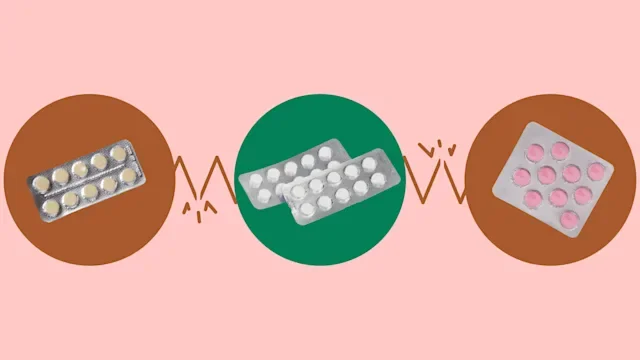
Good to know: Alcohol should be avoided with all benzodiazepines. Examples of benzodiazepines are Xanax (alprazolam), Valium (diazepam), and Klonopin (clonazepam).
2. What are the specific risks of mixing Ativan and alcohol?
Ativan and alcohol have similar side effects. When combined, their side effects become especially risky. Below, we discuss some of these side effects.
Slow response time
Taking a benzodiazepine for a long time (more than a year) can affect your concentration skills and how quickly you respond to new information. This may be true even after you stop taking the medication.
Alcohol can have a similar effect. So combining these substances may further affect your ability to focus and respond to your environment.
Sleepiness and dizziness
Both Ativan and alcohol can cause sleepiness and dizziness. When these substances are combined, the risk is even greater. Sleepiness and dizziness can increase your risk of falling, particularly if you’re an older adult.
If you’re taking Ativan, make sure you know how the medication affects you before doing any activity that requires alertness, like driving. Taking benzodiazepines increases the risk of having a car accident, especially when you first start taking one. Drinking alcohol also increases your risk of car accidents.
Memory problems
Drinking alcohol long term may lead to alcohol-related dementia. This condition causes memory loss and trouble forming new memories. But drinking alcohol can have more immediate effects on memory, too. This is especially true if you drink too much and experience a blackout. A blackout is when you can’t clearly remember what occurred while you were drinking.
When you take a benzodiazepine, you may also experience memory loss. (For example, you might not remember a conversation you had just after taking your Ativan dose.) But we don’t know if benzodiazepines cause long-term memory loss. The research on this is conflicting, so it’s unclear if there’s a link.
Worsening of mental health conditions
Both Ativan and alcohol can make mental health conditions worse, including depression. So taking a benzodiazepine and drinking alcohol may be even more risky if you have an existing mental health condition.
It’s also worth noting that alcohol can worsen anxiety. So if you’re taking a benzodiazepine to treat anxiety, it’s best to avoid alcohol for this reason, too.
Dependence and misuse
Ativan is a controlled substance. This means it can cause physical dependence and misuse. As part of that, taking Ativan can increase your risk of a sedative use disorder, especially if you take it in a way that’s different from how it’s prescribed. To avoid the risk of misuse with Ativan, take it exactly how it’s prescribed. And take the lowest dose needed for the shortest amount of time.
Drinking alcohol can also lead to misuse and cause alcohol use disorder. And misuse of alcohol is connected to the misuse of other substances. For example, drinking heavily can make you more likely to use other habit-forming substances, like benzodiazepines.
If you or someone you know struggles with substance use, help is available. Call SAMHSA’s National Helpline at 1-800-662-4357 to learn about resources in your area.
Overdose
Taking too much Ativan can lead to an overdose. So can drinking too much alcohol. When these substances are combined, the risk for an overdose is even greater. This risk is a major reason to avoid the combination.
Benzodiazepine overdose and alcohol overdose (known as alcohol poisoning) may cause similar symptoms, such as extreme sleepiness, confusion, and slowed heart rate. They can also cause trouble breathing.
An overdose is a medical emergency. Call 911 immediately if you witness someone having an overdose.
3. Is having one or two drinks dangerous when taking Ativan?
Even having just one or two alcoholic drinks while taking Ativan is dangerous. To put it bluntly, no amount of alcohol is safe to drink if you take Ativan.
When Ativan isn’t in your system, having one or two alcoholic drinks may not have a negative effect on your mood or physical abilities. But when you’re taking Ativan, you can’t predict how your body will respond to alcohol. The combination of Ativan and alcohol increases your risk of side effects from each substance, so it’s important to avoid altogether.
4. Can you drink after you’ve stopped taking Ativan?
You may be able to drink after you’ve stopped taking Ativan, but it’s best to wait at least a few days after your last dose.
Ativan can stick around in your body for a few days after you take it. And drinking alcohol before Ativan is fully cleared from your blood can cause side effects. To be safe, wait at least 3 days after you stop taking Ativan to drink any alcohol.
Good to know: If you’ve been taking Ativan consistently, stopping treatment abruptly can cause withdrawal symptoms. These symptoms can include anxiety, restlessness, and trouble sleeping. You may also experience nausea, diarrhea, and tremors. Rarely, withdrawal can cause serious side effects like seizures and severe confusion. So don’t stop taking Ativan without talking to your healthcare provider first.
5. Can you combine other anxiety medications and alcohol?
Drinking alcohol with other anxiety medications is probably less risky than drinking with benzodiazepines. Still, alcohol may affect anxiety medications such as:
Selective serotonin reuptake inhibitors (SSRIs) like escitalopram (Lexapro)
Serotonin and norepinephrine inhibitors (SNRIs) like duloxetine (Cymbalta)
Hydroxyzine (Vistaril)
All anxiety medications affect the brain and can impact your mood, sleep, and memory. Alcohol can increase the likelihood of side effects from these medications, including drowsiness and dizziness. Hydroxyzine, in particular, should be avoided with alcohol for this reason. Alcohol can also increase the risk of liver toxicity with some anxiety medications, like duloxetine.
We don’t know the amount of alcohol, if any, that’s safe to drink with non-benzodiazepine anxiety medications. So it’s best to avoid drinking altogether when taking these medications, if possible. If you take one of these medications and still want to have an occasional alcoholic drink, weigh the risks versus benefits with your healthcare provider.
The bottom line
It’s best to avoid drinking alcohol with benzodiazepines, including Ativan (lorazepam). This combination increases the risk of side effects like sleepiness, trouble breathing, and misuse. Even having one or two alcoholic drinks isn’t safe when taking Ativan.
It’s also best to avoid drinking alcohol with other anxiety medications. But the risks are likely not as high as with Ativan and alcohol. Talk to your healthcare provider about the risks of drinking alcohol with the specific medications you take.

Why trust our experts?



References
Bounds, C. G., et al. (2023). Benzodiazepines. StatPearls.
Centers for Disease Control and Prevention. (2022). Alcohol and other substance use.
Crowe, S. F., et al. (2017). The residual medium and long-term cognitive effects of benzodiazepine use: An updated meta-analysis. Archives of Clinical Neuropsychology.
Davies, M. (2003). The role of GABAA receptors in mediating the effects of alcohol in the central nervous system. Journal of Psychiatry & Neuroscience.
Longo, L. P., et al. (2000). Addiction: Part I. Benzodiazepines—Side effects, abuse risk and alternatives. American Family Physician.
Orriols, L., et al. (2016). Road traffic crash risk associated with benzodiazepine and z-hypnotic use after implementation of a colour-graded pictogram: A responsibility study. British Journal of Clinical Pharmacology.
Smink, B. E., et al. (2010). The relationship between benzodiazepine use and traffic accidents: A systematic literature review. Central Nervous System Drugs.
Taylor, B., et al. (2012). The relationship between alcohol consumption and fatal motor vehicle injury: High risk at low alcohol levels. Alcoholism: Clinical and Experimental Research.
U.S. Food and Drug Administration. (2020). FDA requiring boxed warning updated to improve safe use of benzodiazepine drug class.