



Common Culprits of Medication Overdose in Kids: Everything You Need to Know
According to the Centers for Disease Control, more than 35,000 children end up in emergency rooms every year due to accidental overdose. Learn more here.
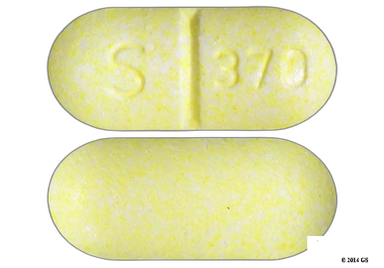
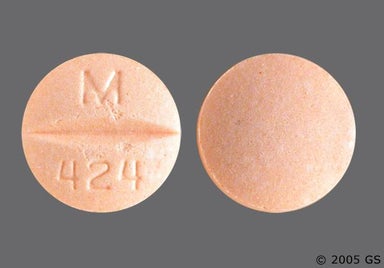
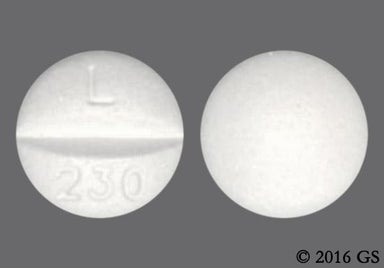
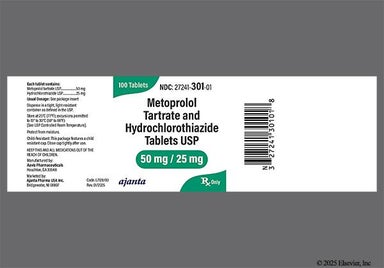
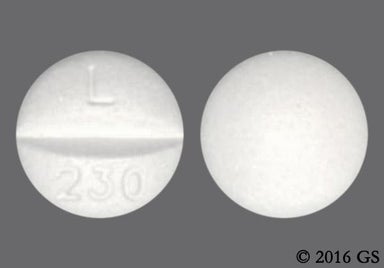
Metoprolol/hydrochlorothiazide is a combination medication that's used to lower blood pressure in adults. It contains a beta blocker (metoprolol tartrate) that slows down the heart and a thiazide diuretic (hydrochlorothiazide) that removes extra fluids through your kidneys. Metoprolol/hydrochlorothiazide is taken by mouth, typically once or twice daily with food. Some of the more common side effects of this medication include dizziness and tiredness. The brand name, Lopressor HCT, is no longer available.

Metoprolol/hydrochlorothiazide is a combination medication:
| Common Brands | Lopressor HCT |
|---|---|
| Drug Class | Beta blocker / Thiazide diuretic |
| Controlled Substance Classification | Not a controlled medication |
| Generic Status | Lower-cost generic available |
| Availability | Prescription only |

The following side effects may get better over time as your body gets used to the medication. Let your healthcare provider know immediately if you continue to experience these symptoms or if they worsen over time.
Note: Side effects listed are from people who took metoprolol tartrate or hydrochlorothiazide in clinical studies.
Contact your healthcare provider immediately if you experience any of the following.
Along with its needed effects, a medicine may cause some unwanted effects. Although not all of these side effects may occur, if they do occur they may need medical attention.
Check with your doctor immediately if any of the following side effects occur:
More common
Chest pain or discomfort
decreased urine
increased thirst
lightheadedness, dizziness, or fainting
loss of appetite
mood changes
muscle pain or cramps
nausea or vomiting
numbness or tingling in the hands, feet, or lips
seizures
slow or irregular heartbeat
unusual tiredness or weakness
Less common
Ankle, knee, or great toe joint pain
decreased ability to exercise
difficult or labored breathing
joint stiffness or swelling
lower back or side pain
swelling of the face, fingers, feet, or lower legs
tightness in the chest
Incidence not known
Persistent non-healing sore
pink growth
reddish patch or irritated area
shiny bump
white, yellow or waxy scar-like area
Get emergency help immediately if any of the following symptoms of overdose occur:
Symptoms of overdose
Blurred vision
burning, crawling, itching, numbness, prickling, "pins and needles", or tingling feelings
chemical imbalance in the blood
cold, clammy skin
coma
confusion
dilated neck veins
dizziness, faintness, or lightheadedness when getting up suddenly from a lying or sitting position
drowsiness
fast or pounding heartbeat or pulse
headache
increased volume of pale, dilute urine
irregular breathing
irritability
noisy breathing
not able to pass urine
pain or aching in the lower legs
pain or weakness in the hands or feet
seizures
sweating
trembling
unconsciousness
very drowsy or sleepy
weak pulse
weakness and heaviness of the legs
Some side effects may occur that usually do not need medical attention. These side effects may go away during treatment as your body adjusts to the medicine. Also, your health care professional may be able to tell you about ways to prevent or reduce some of these side effects. Check with your health care professional if any of the following side effects continue or are bothersome or if you have any questions about them:
More common
Chills
feeling of constant movement of self or surroundings
general feeling of discomfort or illness
muscle aches
nightmares
sensation of spinning
shivering
sleepiness
trouble sleeping
unusual drowsiness, dullness, or feeling of sluggishness
Less common
Continuing ringing or buzzing or other unexplained noise in the ears
decreased interest in sexual intercourse
difficulty having a bowel movement (stool)
hearing loss
inability to have or keep an erection
loss in sexual ability, desire, drive, or performance
pinpoint red or purple spots on the skin
Other side effects not listed may also occur in some patients. If you notice any other effects, check with your healthcare professional.
Call your doctor for medical advice about side effects. You may report side effects to the FDA at 1-800-FDA-1088.




Metoprolol/hydrochlorothiazide can cause some serious health issues. This risk may be even higher for certain groups. If this worries you, talk to your doctor or pharmacist about other options.
Don't suddenly stop taking metoprolol/hydrochlorothiazide without first speaking to your provider. Doing so can cause or worsen chest pain or heart attack. If you've been taking this medication for a while and want to stop, your provider will lower your dose slowly over the course of 1-2 weeks.
People with heart failure shouldn't take metoprolol/hydrochlorothiazide if their heart failure symptoms aren’t well-managed. That’s because this medication can make your condition worse, especially if your provider raises your dose. But you might be able to take metoprolol/hydrochlorothiazide if your healthcare provider thinks your symptoms are under control. Let your healthcare provider know right away if you experience symptoms of heart failure, such as fluid build-up in different areas of the body including the ankles, legs, and lungs, and difficulty breathing.
Metoprolol/hydrochlorothiazide can cause the vessels in your lung to tighten. This can make breathing difficult, especially in people with breathing problems, like asthma or COPD. Metoprolol/hydrochlorothiazide might also cause certain medications taken to ease these conditions to not work as well. Let your doctor know if you have any breathing problems before starting metoprolol/hydrochlorothiazide.
People who've taken metoprolol/hydrochlorothiazide have experienced their heart rate dropping too low. If you have heart problems, such as heart block, let your provider know. They might ask you to check your heart rate regularly after starting this medication. If your heart rate drops below 60 beats per minute or if you feel symptoms such as dizziness, chest pain, or trouble catching your breath, let your provider know. They might taper you off of metoprolol/hydrochlorothiazide slowly and prescribe a different medication for your blood pressure.
Both beta-blockers, like metoprolol, and medications used for anesthesia can lower your heart rate. So, if you’re planning to undergo a major surgery that requires anesthesia, tell your surgeon that you’re on metoprolol/hydrochlorothiazide so that they can monitor your heart closely.
Taking metoprolol/hydrochlorothiazide can make it difficult for you to identify symptoms of low blood sugar, such as fast heart beat or tremors. If you’re taking medications, like glipizide or insulin, to lower your blood sugar, you might not be able to rely on all the typical symptoms of low blood sugar (e.g., irritability, sight tremors, confusion, and fast heartbeat) to warn you of a dangerous drop in your sugar levels. Sweating might be the only symptom not affected by taking metoprolol/hydrochlorothiazide. Speak with your healthcare provider about when and how to monitor your blood sugar if you start metoprolol/hydrochlorothiazide.
If you have hyperthyroidism (overactive thyroid), talk to your healthcare provider before stopping metoprolol/hydrochlorothiazide. Because metoprolol/hydrochlorothiazide lowers your heart rate, it may be harder to notice heart-related symptoms that are caused by hyperthyroidism. In some people, stopping this medication suddenly may lead to a condition called a "thyroid storm,” which may include symptoms such as a high temperature, rapid heartbeat, and fainting.
Taking metoprolol/hydrochlorothiazide can cause your fluids and electrolyte levels to be out of balance. This can put you at risk for conditions such as low potassium and low sodium levels. Your provider might order blood work to check your electrolyte level periodically during treatment. Let your provider know if you experience symptoms such as dizziness or tiredness.
In addition, taking metoprolol/hydrochlorothiazide can cause serious kidney problems for people who've already have kidney problems, heart failure, or are dehydrated. If you develop kidney problems, or if your kidney problems worsen while taking metoprolol/hydrochlorothiazide, your provider might recommend that you stop taking this medication. Let your provider know if you're urinating less often than usual, as this could be a sign that your kidneys aren't working as well.
In some rare cases, metoprolol/hydrochlorothiazide can cause worsening of or new lupus. Let your provider know if you notice a rash across your cheeks and nose or feel very tired.


Although certain medicines should not be used together at all, in other cases two different medicines may be used together even if an interaction might occur. In these cases, your doctor may want to change the dose, or other precautions may be necessary. When you are taking this medicine, it is especially important that your healthcare professional know if you are taking any of the medicines listed below. The following interactions have been selected on the basis of their potential significance and are not necessarily all-inclusive.
Using this medicine with any of the following medicines is not recommended. Your doctor may decide not to treat you with this medication or change some of the other medicines you take.
Using this medicine with any of the following medicines is usually not recommended, but may be required in some cases. If both medicines are prescribed together, your doctor may change the dose or how often you use one or both of the medicines.
Using this medicine with any of the following medicines may cause an increased risk of certain side effects, but using both drugs may be the best treatment for you. If both medicines are prescribed together, your doctor may change the dose or how often you use one or both of the medicines.


Contraindications are specific health conditions or situations in which a person should not take a medication due to safety concerns. If you have any of the following conditions or if any of the following apply to you, let your healthcare provider know because Metoprolol/hydrochlorothiazide will not be safe for you to take.




Prescription savings
Stop paying too much for your prescriptions. Compare prices, get pharmacy coupons, and save up to 80%. Find expert answers to your health questions so you can make the best decisions for yourself and your family.
Health conditions
Medications & treatment
Access & affordability
Medication discounts


Yes, providers sometimes prescribe metoprolol and hydrochlorothiazide together because they help lower blood pressure in different ways. Metoprolol slows down heart rate, so it's easier for your heart to pump blood throughout the body. Hydrochlorothiazide, on the other hand, lowers blood pressure by getting rid of extra fluids in the body through the kidneys. Metoprolol/HCTZ is a combination option for people who need to take both medications at the same time.
No, metoprolol and hydrochlorothiazide aren't the same. While they both lower blood pressure, they do so in different ways. Metoprolol is a cardioselective beta blocker that slows heart rate so that your heart has an easier time pumping blood to the rest of the body. Hydrochlorothiazide is a thiazide diuretic that removes the extra fluids in the body through the urine.
Yes, hydrochlorothiazide is a thiazide diuretic, also known as a water pill. Because it lowers blood pressure by helping you get rid of extra fluids through the urine, you'll likely need to use the bathroom more often after starting Metoprolol/HCTZ. Your provider might recommend that you take this medication earlier in the day, such as morning or afternoon, so that you won't need to use the bathroom often at night.
If you're having a hard time keeping your blood pressure under control with just Metoprolol/HCTZ, your provider might add on amlodipine (Norvasc). This medication is a calcium channel blocker, so it works differently than Metoprolol/HCTZ. It lowers blood pressure by relaxing your arteries and making it easier for your heart to pump blood. Your provider will work with you closely to find the best treatment to lower your blood pressure to a safe level.
It's best to avoid drinking alcohol when you're taking Metoprolol/HCTZ. Doing so can raise your risk of side effects, such as dizziness and fainting. If you drink alcohol regularly and it's difficult for you to stop, ask your provider what might be a safer amount to drink. They can also point you to resources to help you quit drinking.
