


Oral Minoxidil Interactions: 7 Medications and Supplements to Know About
Minoxidil interacts with blood pressure medications, alcohol, and other substances. Read on to learn more about common minoxidil interactions.
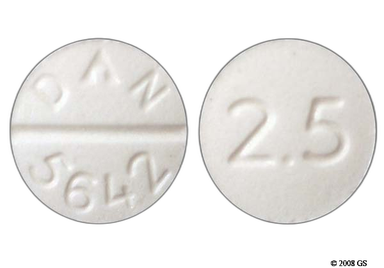
Minoxidil helps treat high blood pressure (hypertension) in adults and children by relaxing the blood vessels. It's typically used only when you have extremely high blood pressure, when you have symptoms, and when other medications haven't worked to control your blood pressure. Minoxidil tablets are only for these situations because the medication has side effects and risks, like swelling of the body, fast heart rate, and other heart problems that can be potentially serious.

Minoxidil is a vasodilator. It relaxes your blood vessels so that blood can flow through the body more easily. This helps lower your blood pressure.
| Common Brands | Loniten |
|---|---|
| Drug Class | Vasodilator |
| Controlled Substance Classification | Not a controlled medication |
| Generic Status | Lower-cost generic available |
| Availability | Prescription only |

The following side effects may get better over time as your body gets used to the medication. Let your healthcare provider know immediately if you continue to experience these symptoms or if they worsen over time.
Contact your healthcare provider immediately if you experience any of the following.
Along with its needed effects, a medicine may cause some unwanted effects. Although not all of these side effects may occur, if they do occur they may need medical attention.
Check with your doctor as soon as possible if any of the following side effects occur:
Less common
Itching or skin rash (continued)
Rare
Acne at site of application
burning of scalp
facial hair growth
increased hair loss
inflammation or soreness at root of hair
reddened skin
swelling of face
Signs and symptoms of too much medicine being absorbed into the body—Rare
Blurred vision or other changes in vision
dizziness
fainting
fast or irregular heartbeat
flushing
headache
lightheadedness
numbness or tingling of hands, feet, or face
swelling of face, hands, feet, or lower legs
weight gain (rapid)
Other side effects not listed may also occur in some patients. If you notice any other effects, check with your healthcare professional.
Call your doctor for medical advice about side effects. You may report side effects to the FDA at 1-800-FDA-1088.




Minoxidil can cause some serious health issues. This risk may be even higher for certain groups. If this worries you, talk to your doctor or pharmacist about other options.
 Minoxidil can cause your heart rate to go up. As a result, you might also have new or worsened chest pain when you take the medication. To prevent fast heart rate and chest pain, you'll probably need to take a beta-blocker in addition to minoxidil.
Some people who took minoxidil had serious heart problems, such as pericarditis (swelling of the lining around the heart) and pericardial effusion (too much fluid buildup around the heart). Pericardial effusion can sometimes lead to cardiac tamponade (too much pressure and stress on the heart), which can be life-threatening.
While there might be several causes for these heart problems, it's important for your provider to check for them while you take minoxidil as a precaution. Get medical help right away if you have symptoms such as chest pain, shortness of breath, swelling of the legs, trouble doing light exercise like walking, and dizziness.
Minoxidil can cause your body to hold onto salt and water. This can lead to swelling in the body, especially in your legs, ankles, and feet and sometimes in your arms and hands. Salt and water retention in the body can also raise your risk for heart failure (a condition where the heart doesn’t pump blood well).
Your provider will probably prescribe a loop diuretic (“water pill”) for you to take in addition to minoxidil to lessen swelling and your risk for heart failure. Your provider might also tell you to follow a low-sodium diet to help. Call your provider if you gain more than 5 pounds quickly, have trouble breathing, or have uncomfortable swelling in the ankles or feet. These can be signs of fluid buildup or heart failure.
When people with very high blood pressure get treated with medications to help control blood pressure, their blood pressure can drop too quickly. This can affect how much blood flows to certain parts of the body and lead to harmful effects, like fainting, stroke, heart attack, and loss of vision or hearing. To be safe, treatment with minoxidil should be started in a hospital for people with extremely high blood pressure. This allows providers to check that blood pressure is being lowered safely.

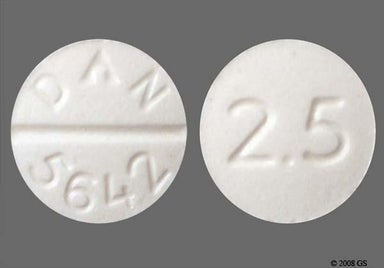
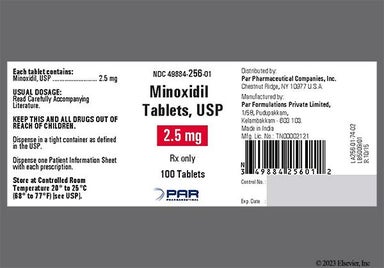
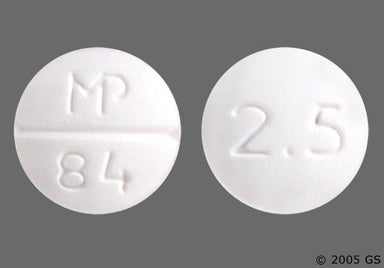
 Tablet
| Dosage | Quantity | Price as low as | Price per unit |
|---|---|---|---|
| 10mg | 90 tablets | $24.00 | $0.27 |
| 2.5mg | 30 tablets | $12.76 | $0.43 |
Adults and children over 12 years of age:
Children under 12 years of age:

Although certain medicines should not be used together at all, in other cases two different medicines may be used together even if an interaction might occur. In these cases, your doctor may want to change the dose, or other precautions may be necessary. Tell your healthcare professional if you are taking any other prescription or nonprescription (over-the-counter [OTC]) medicine.


Contraindications are specific health conditions or situations in which a person should not take a medication due to safety concerns. If you have any of the following conditions or if any of the following apply to you, let your healthcare provider know because Minoxidil will not be safe for you to take.










Prescription savings
Stop paying too much for your prescriptions. Compare prices, get pharmacy coupons, and save up to 80%. Find expert answers to your health questions so you can make the best decisions for yourself and your family.
Health conditions
Medications & treatment
Access & affordability
Medication discounts

The blood pressure-lowering effect of oral Minoxidil can last up to a day and even as long as 3 days in some people. Keep in mind that the medication can last for different amounts of time for different people. When you start Minoxidil, your provider will check your blood pressure often to see how well and how long the medication can lower blood pressure and adjust your dose if needed.
After a dose of Minoxidil, your blood pressure usually starts to drop within 30 minutes. The maximum blood pressure-lowering effect of Minoxidil happens within 2 to 8 hours of taking the medication.
Minoxidil has a few serious risks, such as swelling of the body, heart failure, fast heart rate, and other heart problems. For this reason, it's typically used only when you have extremely high blood pressure, when you have symptoms, and when other medications haven't worked to control your blood pressure. Your provider will make sure Minoxidil is appropriate for your condition and will monitor you closely for these serious risks. Your provider will also prescribe you two additional medications (a loop diuretic and a beta-blocker) to take with Minoxidil to help lower your risk. Talk to your provider if you have concerns about whether Minoxidil is safe for you.
Yes, Minoxidil can expire. Look for the expiration date that's written on your prescription bottle. Don't use Minoxidil past its expiration date because the medication might not work as well or it might not be safe to take after this time. Ask your provider or pharmacist for a new prescription or a refill if your Minoxidil has expired.
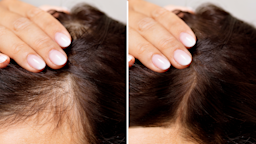
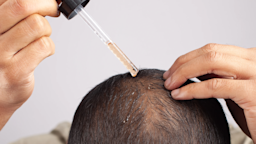
Oral Minoxidil tablets aren't FDA approved to treat hair loss. But some providers have prescribed low-dose, oral Minoxidil off-label for this purpose. Some studies suggest that oral Minoxidil appears to help with hair growth in people with different types of hair loss, but the evidence isn't very strong so more research is needed in this area. Speak with your provider for more information about oral Minoxidil for hair loss.
Yes. Your provider might instruct you to take Minoxidil once a day. But your provider might split up your daily dose into smaller doses that you might take during the day if this helps manage your blood pressure better. Discuss with your provider about how you should take Minoxidil if you prefer to take the medication once a day.
Minoxidil can cause your body to hold onto salt and water, which can make you gain water weight. Your provider might suggest that you weigh yourself every day. When you first start Minoxidil, you might notice a little weight gain (2 to 3 pounds), but you might lose this extra weight as you continue taking the medication. Let your provider know if you quickly gain 5 or more pounds because you might need a change to your treatment plan. Also speak with your provider if any weight gain you have concerns you.
