



9 Essential Tips for Taking Calcium Channel Blockers
Calcium channel blockers are first-choice medications for treating high blood pressure. Here are nine pharmacist tips to help maximize the potential benefits.
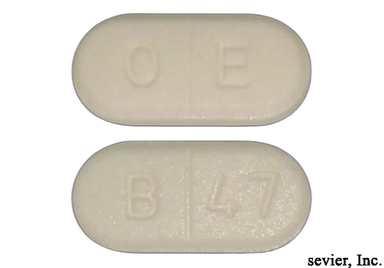
Levamlodipine (Conjupri) is used to treat high blood pressure in children and adults. It's similar to amlodipine (Norvasc), a more common blood pressure medication, but is chemically different and generally more expensive.

Levamlodipine (Conjupri) is a calcium channel blocker (CCB). It works by blocking calcium from flowing into your blood vessels. This causes your vessels to relax and dilate (open up), which lowers your blood pressure.
| Common Brands | Conjupri |
|---|---|
| Drug Class | Calcium channel blocker (CCB) |
| Controlled Substance Classification | Not a controlled medication |
| Generic Status | Lower-cost generic available |
| Availability | Prescription only |

The following side effects may get better over time as your body gets used to the medication. Let your healthcare provider know immediately if you continue to experience these symptoms or if they worsen over time.
Contact your healthcare provider immediately if you experience any of the following.




Levamlodipine (Conjupri) can cause some serious health issues. This risk may be even higher for certain groups. If this worries you, talk to your doctor or pharmacist about other options.
Levamlodipine (Conjupri) can cause your blood pressure to drop too much, which can make you feel dizzy, tired, or lightheaded. This is common with blood pressure medications like levamlodipine (Conjupri), especially when starting the medication and when the dose is raised. Your risk is higher if you have a history of aortic stenosis (narrow heart valves). If your blood pressure drops too much and you fall or you feel too dizzy, make sure to sit down slowly while holding onto something and let your provider know. If you fall and hit your head, get medical help right away.
Worsening chest pain or a heart attack is possible when you first start taking levamlodipine (Conjupri). This can also happen after your dose is raised. Your risk is higher if you have a heart problem called coronary artery disease. Get medical attention right away if you experience any chest pain, radiating jaw pain, crushing chest pain, or a fast heartbeat.


Contraindications are specific health conditions or situations in which a person should not take a medication due to safety concerns. If you have any of the following conditions or if any of the following apply to you, let your healthcare provider know because Levamlodipine (Conjupri) will not be safe for you to take.





Prescription savings
Stop paying too much for your prescriptions. Compare prices, get pharmacy coupons, and save up to 80%. Find expert answers to your health questions so you can make the best decisions for yourself and your family.
Health conditions
Medications & treatment
Access & affordability
Medication discounts


Levamlodipine and amlodipine (Norvasc) are both calcium channel blockers that work well to lower blood pressure. The main difference is in the chemical structure of both medications. Amlodipine (Norvasc) contains a mix of 2 different types of the same active ingredient. On the other hand, Levamlodipine only contains one type of the active ingredient. Studies show that (Levamlodipine) works just as well as amlodipine (Norvasc) at just half the dose, so the dose of Levamlodipine is half the dose of amlodipine (Norvasc). Levamlodipine might also be better tolerated with cause fewer side effects compared to amlodipine (Norvasc). Ask your provider to see which blood pressure medication is right for you.
Yes. Levamlodipine is FDA approved to be used either on its own or together with your other blood pressure medications. Oftentimes people need multiple medications to treat high blood pressure. Combination therapy, or taking medications from different medication classes at the same time, can help you reach your blood pressure goals. This is because each medication in your regimen can lower your blood pressure by attacking it from different sides.
Probably, but your dose of Levamlodipine might be different. If you have liver problems, you might start by using a smaller dose of the medication (1.25 mg) a day. If your dose needs to be raised, your provider will do so at a much slower pace. This is because the liver is responsible for getting rid of Levamlodipine in your body. People with liver problems tend to have a build up of the medication which can put them at risk for side effects.
There haven't been enough studies in humans looking at how Levamlodipine affects unborn babies, so it's not completely known how safe it is. But poorly controlled high blood pressure during pregnancy can be a problem for both the mother and the unborn baby. If you're pregnant, talk to your provider to see if Levamlodipine is safe for you and your unborn baby.
