Key takeaways:
Aortic valve stenosis occurs when the aortic valve, one of the heart’s valves, doesn’t open as well as it normally does. This can affect blood flow from the heart to the rest of the body.
This condition can lead to lightheadedness, fainting, or chest pain if not enough blood can get through the valve. It can also lead to heart failure, which causes leg swelling or shortness of breath.
There are some medications that can help treat the symptoms of aortic stenosis. But the best treatment is a surgical procedure to repair or replace the valve.
Save on related medications
The heart is a complex organ that has more jobs than one article can describe. So we’ll focus on one piece of the larger puzzle — the heart’s valves. Your heart valves help keep blood flowing in the right direction. As the heart squeezes to push blood forward through the blood vessels, the heart valves open and close to stop the blood from moving backward.
Aortic valve stenosis — also called aortic stenosis (AS) — is a condition in which one of the heart valves is narrow. The aortic valve is located between the heart and the aorta — the largest blood vessel in the body. As blood travels through the heart, it’s the last valve blood passes through before leaving the heart and heading out to the rest of the body.
In AS, the aortic valve doesn’t open as much as it should. This leads to decreased blood flow through the valve. When this happens, it’s hard for the heart to push blood forward. It also can lead to blood backing up behind the valve. This can cause many different symptoms and complications. Read on to find out why aortic stenosis happens as well as this condition’s symptoms and treatment.
Causes of aortic valve stenosis
There are a few conditions that can lead to a stiffened aortic valve. The most common ones are:
Calcifications: As you age, calcium plaques start to deposit throughout the heart and blood vessels. This includes the heart valves. These plaques can make the valve stiff.
Congenital defects: Some people are born with an aortic valve that’s shaped differently. This is called a “bicuspid” valve because it has two flaps instead of the normal three. This can narrow the opening of the valve.
Rheumatic fever: This is an autoimmune condition that develops in some people after Streptococcus bacterial infections. This is the same bacteria that causes strep throat. Sometimes it causes the body’s own immune system to attack itself, including the heart valves. This damage can lead to a narrow or stiff aortic valve.
Symptoms of aortic valve stenosis
You might not notice mild stiffening or narrowing of the aortic valve. But as the condition progresses and the heart works harder to pump blood through a stiff valve, AS starts to cause significant symptoms. The specific symptoms depend on the areas of the body that aren’t getting enough blood.
Common symptoms include:
Chest pain, particularly during exertion
Palpitations, or the sensation of a forceful heartbeat
Difficulty catching your breath
Dizziness or lightheadedness
Fainting
Fatigue

Read more like this
Explore these related articles, suggested for readers like you.




AS can also lead to heart failure. This happens when blood starts to back up into the heart and lungs. This can lead to:
Shortness of breath
Gasping for air while sleeping (or lying flat)
Swelling of the legs or abdomen
The symptoms can get worse as the AS gets more and more severe.
Diagnosing aortic valve stenosis
There are several tests that can diagnose AS. These tests look at the structure of the heart, measure how the blood is flowing through the valve, and check how much the heart is working.
These tests include:
Echocardiography: This is an ultrasound of the heart. This test uses sound waves to look at the shape of the heart and how well blood is moving through the heart.
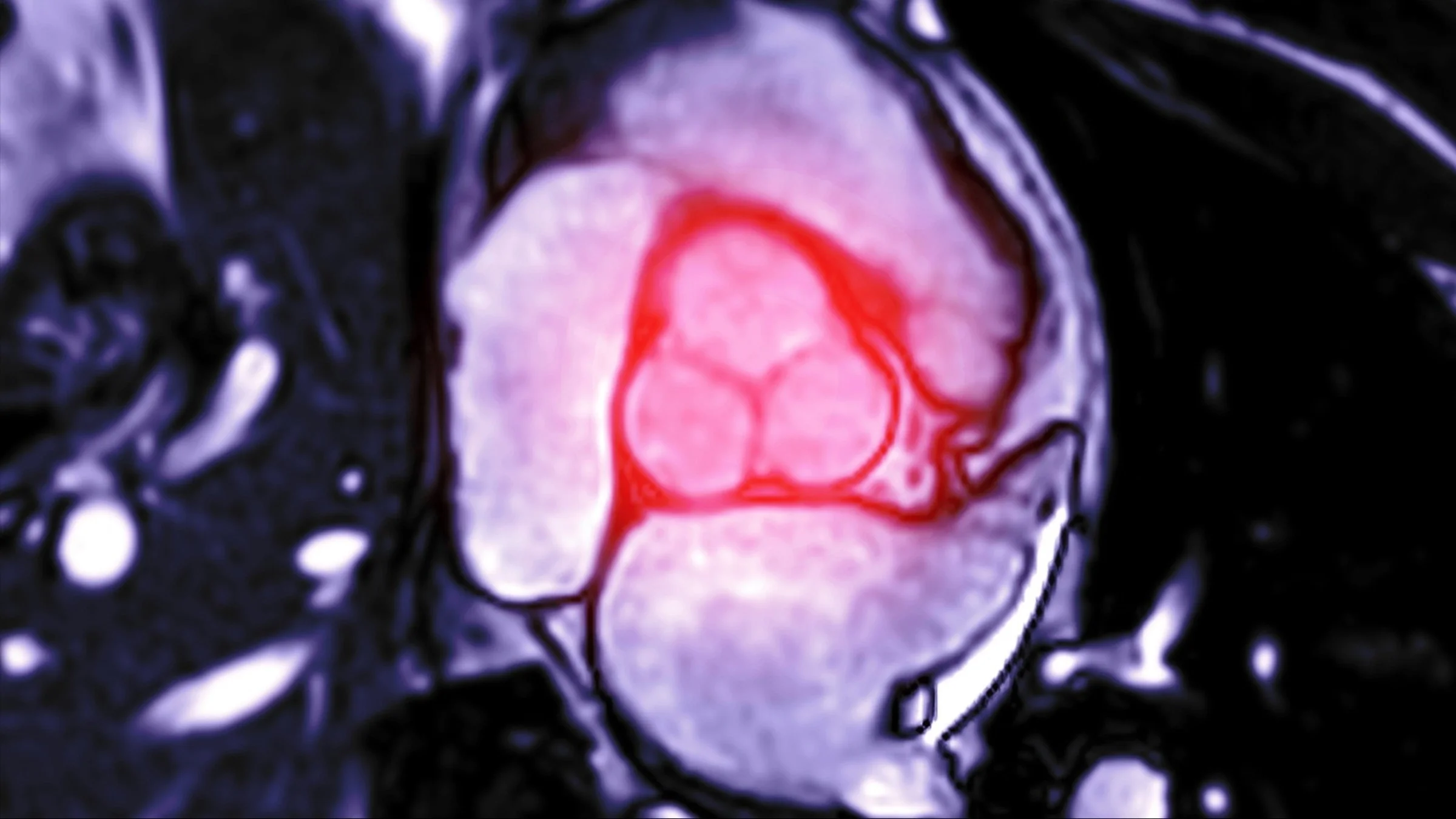
Imaging studies: These tests, such as a CT scan or MRI, can look for changes in the valve and calcifications on the valve. They also measure how the heart muscle is working.
Stress testing: For this type of test, someone will either exercise or receive medication to raise their heart rate. A few different devices can measure the heart's function when it’s working hard. These tests check how well the heart can handle the increased workload that comes with a narrow aortic valve.
Cardiac catheterization: This test is more involved because it requires a procedure. A specialist guides a wire from an artery in the wrist or groin up to the heart. They then inject dye into the heart and take pictures of how the dye moves through the heart. They can see how well blood flows through the aortic valve this way.
Treatment for aortic valve stenosis
Fortunately, there are treatment options for AS. Most people will need a surgical procedure to replace or repair the aortic valve. Some of the procedures people consider are:
Valvuloplasty: During a cardiac catheterization, a cardiologist can place a balloon in the aortic valve and inflate it. This can open up a narrowed aortic valve to improve blood flow.
Valve replacement: This is a procedure in which a cardiologist replaces the aortic valve with an artificial heart valve. There are a few ways to do this. Sometimes, cardiologists can replace the valve with a minimally invasive procedure. This is similar to a cardiac catheterization. Other times, replacing the valve requires open-heart surgery.
If someone’s valve is narrow enough to cause symptoms, their lifespan is only about 2 to 3 years if they don’t get the valve repaired or replaced. Fortunately, the procedures to treat AS are becoming less invasive. This means more people can get their aortic valve repaired without needing open-heart surgery.
Some people may choose not to do a surgical procedure. This may be true if their condition and symptoms are mild or if their other medical conditions make a procedure or surgery high risk.
In these cases, there are some medications that treat the symptoms of aortic stenosis. These won't make the narrowing go away. But they can help keep the symptoms of aortic stenosis under control. Some examples are:
Blood pressure medications, such as lisinopril or losartan, keep the blood pressure low to decrease how hard the heart has to work.
Beta blockers, such as metoprolol or carvedilol, reduce how hard and fast the heart beats.
Diuretics, such as furosemide or bumetanide, help the kidneys remove the extra fluid that backs up behind the heart.
Many factors go into someone’s individual treatment plan for AS. You’ll get help from specialists — such as a cardiologist and a cardiovascular surgeon — to help you decide.
The bottom line
Aortic stenosis can be a serious condition. The symptoms this condition causes can range from mild to severe, depending on the degree of narrowing in the valve. As the condition and symptoms progress, most people will need a surgical procedure to treat this condition. But it’s best to act before you start having significant chest pain, shortness of breath, or even fainting spells. Talk with your providers to figure out the best treatment options for you.

Why trust our experts?



References
American Heart Association. (2020). Aortic stenosis overview.
American Heart Association. (2020). Heart valve problems and causes.
American Heart Association. (2020). Medications for heart valve symptoms.
American Heart Association. (2020). Options for heart valve replacement.
American Heart Association. (2021). Options for heart valve repair.
American Heart Association. (2021). Testing for heart valve problems.
Grimard, B. H., et al. (2016). Aortic stenosis: Diagnosis and treatment. American Family Physician.
Marquis-Gravel, G., et al. (2016). Medical treatment of aortic stenosis. Circulation.
MedlinePlus. (2020). Aortic stenosis.