


Alopecia Treatments: FDA-Approved Medications and Clinical Trials Underway
Alopecia causes distressing hair loss, but treatment can help you regrow hair. Check out all treatments for alopecia areata, plus clinical trials for new drugs.
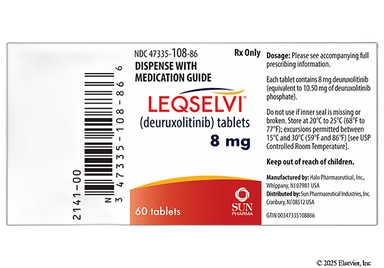
Leqselvi (deuruxolitinib) is a Janus kinase (JAK) inhibitor. It's approved for adults with severe alopecia areata, an autoimmune condition that can cause patchy or total hair loss. The medication comes as a tablet that's taken by mouth twice a day, with or without food. Common side effects include headache, acne, and cold symptoms. There are also important safety warnings that you should discuss with your prescriber before starting treatment.

Leqselvi (deuruxolitinib) is a Janus kinase (JAK) inhibitor. It blocks JAK proteins in your immune system from sending signals. This helps stop your immune system from attacking your own hair follicles. It helps stop more hair loss and allows hair to grow back.
| Common Brands | Leqselvi |
|---|---|
| Drug Class | JAK inhibitor |
| Controlled Substance Classification | Not a controlled medication |
| Generic Status | No lower-cost generic available |
| Availability | Prescription only |

The following side effects may get better over time as your body gets used to the medication. Let your healthcare provider know immediately if you continue to experience these symptoms or if they worsen over time.
Contact your healthcare provider immediately if you experience any of the following.
Side effects that you should report to your care team as soon as possible:
Side effects that usually do not require medical attention (report these to your care team if they continue or are bothersome):




Leqselvi (deuruxolitinib) can cause some serious health issues. This risk may be even higher for certain groups. If this worries you, talk to your doctor or pharmacist about other options.
 Leqselvi (deuruxolitinib) lowers parts of your immune response. This can make infections more likely and more serious. Some old infections can also come back. This can include tuberculosis (TB) and shingles.
Before starting Leqselvi (deuruxolitinib), tell your prescriber about your full medical history. This includes any long-term or serious infections. You'll also get tested for TB and for hepatitis. Your prescriber can make sure it's safe for you. You can't take Leqselvi (deuruxolitinib) if you have any sort of active infection. You'll likely need to get it treated before you can start this medication.
During treatment, tell your care team if you have any symptoms of an infection. This can include fever, cough, night sweats, weight loss, or a painful blistering rash. Your prescriber might pause Leqselvi (deuruxolitinib) until the infection is treated.
In study of a different JAK inhibitor for rheumatoid arthritis, results showed that it was linked to a higher risk of death in adults 50 years and older with at least one heart-related risk factor. This was compared to those who took a different type of medication called a TNF blocker.
We don't know if this higher risk has happened with Leqselvi (deuruxolitinib) for alopecia areata. To be safe, your prescriber will weigh the risks and benefits for you. This is especially true if you have cardiovascular risks. Talk to your prescriber if you have concerns about Leqselvi (deuruxolitinib).
Although rare, cancers have occurred in people taking Leqselvi (deuruxolitinib) during studies. This has included non‑melanoma skin cancers as well as some other cancers.
Talk to your prescriber about the risks and benefits of Leqselvi (deuruxolitinib). In particular, tell them if you have a known cancer or if you develop cancer during treatment. Also tell them if you've ever smoked.
Because there have been some cases of skin cancer, your care team might recommend getting a skin cancer screening every year. To lower your risk, wear protective clothing and use sunscreen if you're out in the sun. Also avoid tanning beds and other sources of ultraviolet light. Tell your care team about any new skin lesions or lumps. Also let them know about any night sweats or unexplained weight loss.
Some people taking Leqselvi (deuruxolitinib) had blood clots. These blood clots can happen in various parts of the body. Depending on where it is, it can block blood flow to the legs, lungs, or brain. Studies of other JAK inhibitors have shown that some people had a higher risk of serious problems from blood clots, including heart attack and stroke.
Be sure you know the signs of a blood clot to look out for.
Get medical help right away if you have any symptoms of a blood clot while taking Leqselvi (deuruxolitinib). It's important to get it treated as soon as possible.
In certain situations, Leqselvi (deuruxolitinib) can build up in your body. This can raise your risk of serious side effects like blood clots.
It can happen if your body breaks down Leqselvi (deuruxolitinib) slowly. This is based on your genes. Before starting treatment, you'll need a one‑time genetic test called a CYP2C9 test. If you're a CYP2C9 poor metabolizer, your body will likely break down Leqselvi (deuruxolitinib) too slowly. You'll need a different treatment option.
Leqselvi (deuruxolitinib) can also build up in your body if you take certain medications that block it from being broken down. These are called CYP2C9 inhibitors. Examples include amiodarone (Pacerone), fluconazole (Diflucan), and metronidazole (Flagyl). You shouldn’t take Leqselvi (deuruxolitinib) with moderate or strong CYP2C9 inhibitors. Share a list of your medications with your prescriber. They can check for interactions and make sure Leqselvi (deuruxolitinib) is safe for you.
In studies, some people have developed bowel damage while taking Leqselvi (deuruxolitinib). This damage can be a tear in the stomach or gut.
Tell your prescriber if you've had bowel problems like diverticulitis. They'll weigh the risks and benefits of treatment and make sure to monitor you more closely.
Get urgent care if you have new or severe belly pain, fever, chills, nausea, or vomiting while taking this medication. These can be signs of serious damage to your bowels.
Leqselvi (deuruxolitinib) can raise your cholesterol and triglyceride levels. It can also lower blood cell counts, including your red and white blood cells.
Before you start Leqselvi (deuruxolitinib), your prescriber will order blood tests for you. This helps them check your cholesterol and blood cell counts. You'll continue to have blood tests during treatment to make sure the medication is safe for you. Your prescriber might pause treatment if your blood counts get too low and will help manage high cholesterol if needed.
Tell your care team if you notice any unusual tiredness, pale skin, frequent infections, or easy bruising. These can be signs of low blood counts.
Avoid getting live vaccines right before starting Leqselvi (deuruxolitinib) and while taking it. It's not known how the medication might affect how well vaccines work. Before you start treatment, make sure you're up to date on your recommended vaccines.

 Tablet
| Dosage | Quantity | Price as low as | Price per unit |
|---|---|---|---|
| 8mg of | 60 tablets | $4,475.04 | $74.58 |
The typical dose is 8 mg by mouth twice daily.


Contraindications are specific health conditions or situations in which a person should not take a medication due to safety concerns. If you have any of the following conditions or if any of the following apply to you, let your healthcare provider know because Leqselvi (deuruxolitinib) will not be safe for you to take.




Prescription savings
Stop paying too much for your prescriptions. Compare prices, get pharmacy coupons, and save up to 80%. Find expert answers to your health questions so you can make the best decisions for yourself and your family.
Health conditions
Medications & treatment
Access & affordability
Medication discounts


After starting Leqselvi, it can take a bit of time to grow back visible hair. Most people need to take the medication for several months to notice a difference. In studies, some people saw hair regrowth in about 2 months. But it usually takes around 6 months of consistent, twice-daily use for more scalp hair to grow back. Keep taking Leqselvi twice a day as prescribed, even if you don't notice a difference right away. Your prescriber will likely want you to take it for at least 6 months before deciding how well it's working for you. Talk to your prescriber if you have questions about how long to expect the medication to work.
In studies, around 3% of people taking Leqselvi reported weight gain as a side effect. This weight gain happened over about 6 months. But it isn't clear if the medication is the direct cause of the weight gain and how much weight they gained. If you notice changes in your weight during treatment that worry you, speak with your primary care provider.
No, Leqselvi isn't a steroid. It belongs to a group of medications called JAK inhibitors. Both types of medications help calm down an overactive immune system. But they work in different ways.
No, Leqselvi isn't considered safe to take during pregnancy. There aren't enough studies with people to know exactly how it affects an unborn baby. But animal studies suggest that it might harm the baby. If you're pregnant or planning to become pregnant, talk to your prescriber. They can help explain the risks and benefits of treatment. If you can become pregnant, your care team will likely recommend using effective birth control while taking Leqselvi. And if you do become pregnant during treatment, tell your prescriber and the manufacturer at 1-800-818-4555.
Leqselvi is made by Sun Pharmaceutical Industries, Inc.
