


5 Vyzulta Side Effects and How to Manage Them
Vyzulta is a medication for glaucoma and ocular hypertension. Some common Vyzulta side effects include eye redness, eye discomfort, and blurred vision.
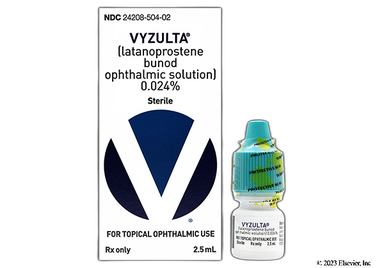
Latanoprostene bunod ophthalmic solution, also known by its brand name Vyzulta, is the only prostaglandin that also releases nitric oxide along with latanoprost acid, working in two ways to help lower eye pressure. This eye drop medication is used to treat conditions related to high pressure in the eye, such as glaucoma. Vyzulta (latanoprostene bunod) is approved for people 17 years of age and older. It's given as a drop into the affected eye(s) once daily in the evening. Bottles should be refrigerated, but they can be stored at room temperature for up to 8 weeks after opening. Side effects include eye redness and eye pain.

Vyzulta (latanoprostene bunod) is a prostaglandin. It lowers eye pressure by draining fluid from your eye.
| Common Brands | Vyzulta |
|---|---|
| Drug Class | Prostaglandin |
| Controlled Substance Classification | Not a controlled medication |
| Generic Status | No lower-cost generic available |
| Availability | Prescription only |

The following side effects may get better over time as your body gets used to the medication. Let your healthcare provider know immediately if you continue to experience these symptoms or if they worsen over time.
Side effects that you should report to your care team as soon as possible:
Side effects that usually do not require medical attention (report to your care team if they continue or are bothersome):




Vyzulta (latanoprostene bunod) can cause some serious health issues. This risk may be even higher for certain groups. If this worries you, talk to your doctor or pharmacist about other options.
Vyzulta (latanoprostene bunod) can darken the color of your eyes, eyelashes, and eyelids. This change in color happens because the medication raises the levels of melanin in your eyes. Melanin is a protein that's responsible for the color of certain parts of your eyes.
The change in color might not be noticeable until after a few months or years of using Vyzulta (latanoprostene bunod). Color changes in the iris (the circular colored part of your eye) are most likely permanent. Your eyelashes and the skin around your eyes might also become darker, but this usually goes away after you stop using the medication. These side effects aren't known to be harmful, but it's best to regularly check in with your prescriber so they can make sure your eyes stay healthy.
Vyzulta (latanoprostene bunod) can make your eyelashes grow in length or thickness over time. It can also make you grow more eyelashes. These changes are typically reversible when you stop the medication.
Medications like Vyzulta (latanoprostene bunod) can cause or worsen eye inflammation (redness and swelling). These problems might be more likely to happen if you already have eye inflammation. Talk to your prescriber if you notice eye discomfort or changes in your vision while you're using Vyzulta (latanoprostene bunod).
Medications like Vyzulta (latanoprostene bunod) can potentially cause swelling of the retina (also known as macular edema). Your risk for macula edema might be higher if you have a false lens in your eye(s). Macular edema can cause changes in vision, such as blurry vision or dull color vision. Contact your prescriber right away if you notice any changes in vision while you're using Vyzulta (latanoprostene bunod).
Eye infections can happen if the medication inside your Vyzulta (latanoprostene bunod) bottle gets contaminated with bacteria and then you use the drops in your eyes. Some people who used contaminated eye drops developed bacterial keratitis, a bacterial infection of the cornea (the protective covering on the front of the eye). It's important to wash your hands before each time you use Vyzulta (latanoprostene bunod). Be careful not to touch the dropper tip with your hands, to your eye, or to any other surface.
Vyzulta (latanoprostene bunod) contains a preservative called benzalkonium chloride. This preservative can be absorbed by soft contact lenses and cause damage to the lenses. Take out your soft contact lenses each time before you place Vyzulta (latanoprostene bunod) drops into your eye(s). Wait at least 15 minutes after your dose before putting your contacts back in.




Prescription savings
Stop paying too much for your prescriptions. Compare prices, get pharmacy coupons, and save up to 80%. Find expert answers to your health questions so you can make the best decisions for yourself and your family.
Health conditions
Medications & treatment
Access & affordability
Medication discounts

Store unopened bottles of Vyzulta in the refrigerator. Once you open a bottle, you can either continue to keep it in the refrigerator or at room temperature. It's good for up to 8 weeks, no matter which way you decide to store your opened bottle. Make sure to write down the 8-week expiration date when you open a bottle so you don't run the risk of using expired medication.
In clinical studies, people who used Vyzulta once daily for up to a year had lower eye pressure than before they started treatment. The medication lowered eye pressure by up to 7 mmHg to 9 mmHg. Follow up with your optometrist or ophthalmologist to discuss how much Vyzulta has lowered your eye pressure if you're using the eye drops.
No, Vyzulta isn't a beta blocker; it's a prostaglandin. Beta blockers and prostaglandins both work to lower eye pressure. They both lower how much fluid is in the eye, but they do so in different ways. Your optometrist or ophthalmologist might recommend using a beta blocker eye drop with Vyzulta if your glaucoma is severe.
No, but they're very similar. Both latanoprost and Vyzulta belong to the drug class called prostaglandins. But Vyzulta works by draining eye fluid through two different pathways from the eye, instead of one main pathway like latanoprost (Xalatan). A study showed that people who used Vyzulta for 3 months had lower eye pressure than those who used latanoprost (Xalatan). Speak with your optometrist or ophthalmologist to help compare between the two medications.
Once opened, a bottle of Vyzulta lasts for 8 weeks. Make sure to write down the date that's 8 weeks from the day that you opened the bottle. This is the expiration date. Don't use the bottle of Vyzulta after this expiration date because using expired eye drops might not work as well or be safe for you.
A drop of Vyzulta contains about 0.05 mL of medication. So a 2.5 mL bottle of Vyzulta will have about 50 drops in it. Assuming that you need to use the medication in both eyes, this means that a 2.5 mL bottle should last you about 25 days. Keep in mind that some medication might accidentally get wasted somehow, so the bottle might last you a slightly shorter amount of time than that. Ask for a refill from your pharmacist or eye specialist when you notice your Vyzulta bottle is starting to get empty.
No, Vyzulta contains a preservative called benzalkonium chloride. This preservative can damage contact lenses. Because of this risk, you should remove any soft contact lenses each time before you use Vyzulta. Then, wait at least 15 minutes after placing the eye drops to put your contacts back in.
It's possible to have blurry vision from Vyzulta, but it's rare. In clinical studies, only about 0.5% of people stopped using the medication because of reported blurry vision. Blurry vision can also be a symptom of glaucoma. Contact your optometrist or ophthalmologist if you notice blurry vision. They might want to examine your eyes.
