Key takeaways:
Lantus (insulin glargine) is a long-acting insulin. It’s used to manage blood glucose (sugar) levels in adults and children with Type 1 and type 2 diabetes. It’s prescribed on its own, with other insulins, and/or with other non-insulin diabetes medications.
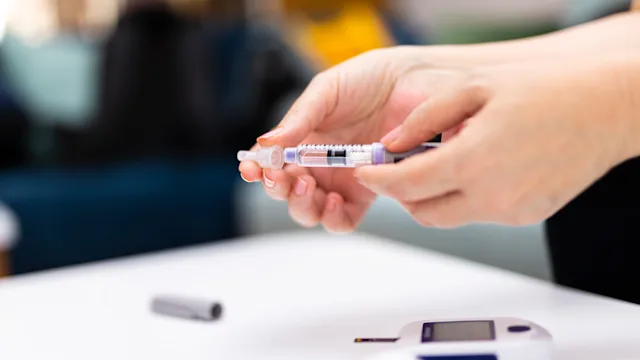
Lantus is available as a vial or prefilled Solostar pen. It’s injected under the skin (subcutaneously) once daily. Its effects last in your body for about 24 hours.
The typical Lantus dosage for Type 1 diabetes is one-third to one-half of your total daily insulin requirement. For Type 2 diabetes, the usual starting dose is weight-based (0.1 to 0.2 units per kg body weight) or up to 10 units injected under the skin once daily. From there, the dosage is adjusted based on your blood sugar levels.
There are ways to save on Lantus. GoodRx can help you access Lantus at an exclusive cash price of $35 per month. Manufacturer savings cards and patient assistance programs are also available.
Save on related medications
Lantus (insulin glargine) is a type of insulin used to lower blood glucose (sugar) levels in people with diabetes. You may hear it called a long-acting or basal insulin. If you’re prescribed Lantus, you may have the option to use a vial (Lantus) or prefilled pen (Lantus Solostar).
In this guide, we’ll review typical Lantus dosages. Keep in mind that how much insulin you inject every day is individualized to your specific needs. And it may change over time based on how your blood sugar levels respond to treatment.
If you have questions about your Lantus dosage, speak with your prescriber or pharmacist.
What’s the typical Lantus dosage?
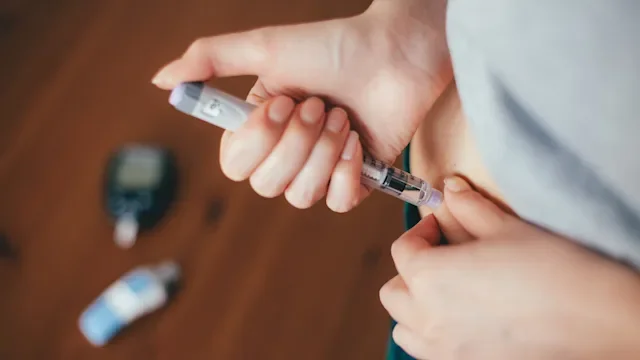
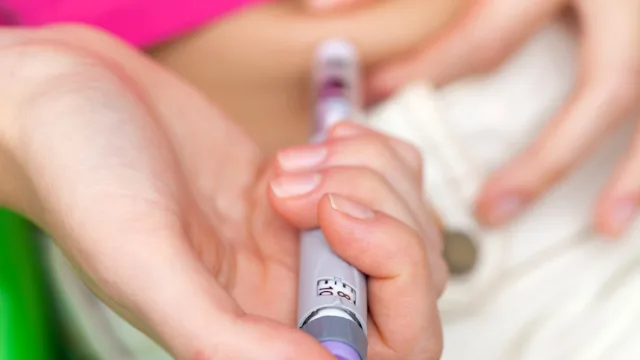
Lantus is a once-daily injection given under the skin (subcutaneously) on your stomach, upper arm, or upper thigh. Its effects last for about 24 hours. You can inject your dose at any time of day. But it’s best to keep the time of day for your dose consistent, so pick a time that works best for you.
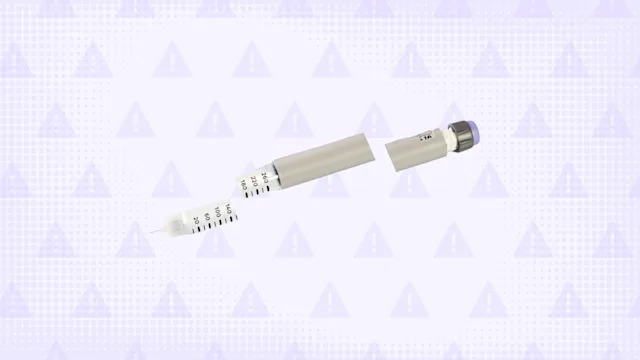
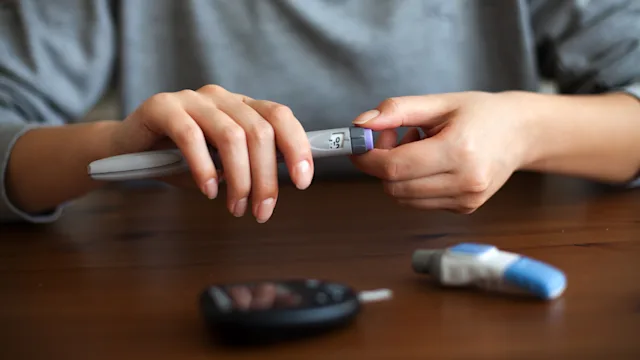
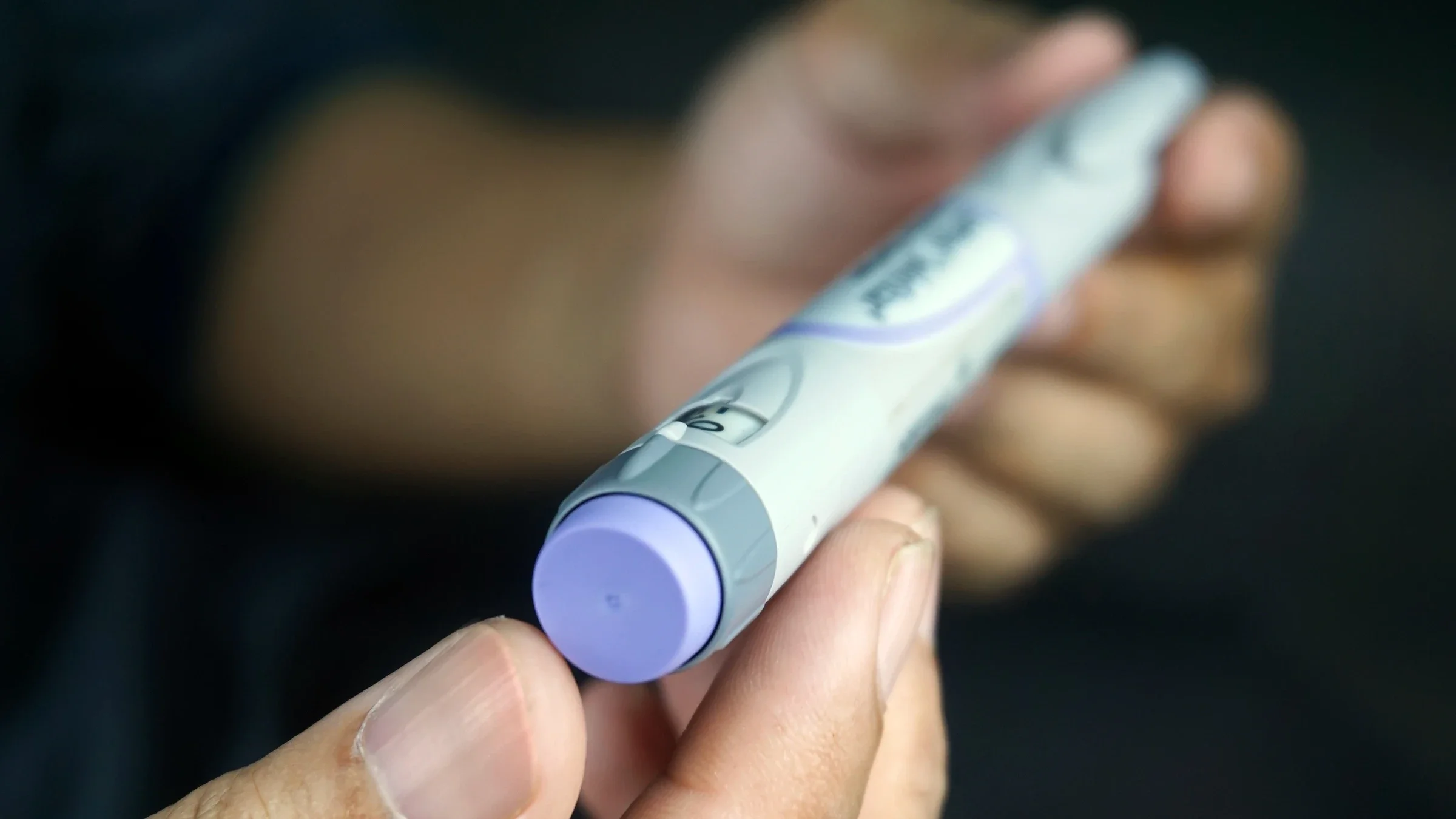
Lantus is available as a vial and prefilled insulin pen. Your healthcare team may discuss the differences between both options with you. An insulin pen can be a convenient option, but there may be reasons why a vial is a better fit.
Your Lantus dosage is individualized to you. Your prescriber will consider many factors, including your blood sugar levels, treatment goals, and type of diabetes. You may be prescribed Lantus on its own, in combination with faster-acting insulins, or with other non-insulin diabetes medications.
Type 1 diabetes
The recommended Lantus starting dosage for Type 1 diabetes is based on your total daily insulin requirements. In general, about one-third to one-half is given as Lantus once daily. The remainder is typically injected as short-acting insulin before meals.
Your prescriber will then adjust your insulin dosage based on your blood sugar levels and treatment goals. They may also make adjustments if there are changes to your diet, physical activity, or other health conditions.
Type 2 diabetes
For Type 2 diabetes, the usual Lantus starting dosage may be based on your body weight. This is typically 0.1 to 0.2 units per kg of body weight. The starting dose can also be a set dose of up to 10 units daily. And just like above, your prescriber may adjust your dose as needed. They’ll consider your blood sugar levels, goals, and changes to your lifestyle or health conditions.
Are there any dosage adjustments when you’re switching insulins?
There may be a time when your prescriber switches you from a different type of long-acting insulin to Lantus. If so, the manufacturer will have recommendations on how to transition from one to the other, depending on insulin type.
Switching from Toujeo (insulin glargine) to Lantus. Toujeo is the same type of insulin as Lantus, but each mL contains three times as much insulin. If you’re switching to Lantus, it’s recommended to start your Lantus dosage at 80% of your Toujeo dosage.
Switching from once-daily NPH insulin (Humulin N; Novolin N) to Lantus. It’s recommended to start your Lantus dosage at the same dose as NPH insulin.
Switching from twice-daily NPH insulin to Lantus. It’s recommended to start your Lantus dosage at 80% of your total NPH daily dosage.
However, your prescriber may determine a different Lantus dosage is appropriate for you.
What happens if you miss a dose of Lantus?
Before starting Lantus, it’s important to discuss with your healthcare team the steps you should take in case you miss a dose. For example, they may say it’s OK to take your missed dose if it’s still the same day.
If you’re finding yourself missing Lantus doses frequently, there are tools that can help. Setting an alarm or using a medication reminder app are a few options.
Keep in mind: It’s important to avoid doubling up on insulin to make up for missed doses. Doing so can result in your blood sugar dropping too low.
What should you do if you inject too much Lantus?
Injecting too much Lantus can increase your risk of low blood sugar (hypoglycemia) — when your blood sugar is under 70 mg/dL. When starting Lantus, it’s best to discuss how to identify and treat hypoglycemia with your healthcare team.
Mild hypoglycemia (55 to 69 mg/dL) can often be treated by following the “15-15 rule.” This means consuming 15 gm of fast-acting carbohydrates (like one-half cup of fruit juice) and checking your blood sugar after 15 minutes. If you’re experiencing hypoglycemia frequently, your prescriber may need to adjust your insulin dosage.
Severe hypoglycemia (less than 55 mg/dL) is a medical emergency that requires immediate attention. You may need someone to call 911 or administer glucagon or a glucagon-like product to bring your blood sugar back up.
How to save on Lantus
There are ways to save on Lantus, which is available as a reference (brand-name) biologic. GoodRx can help you navigate between GoodRx coupons, copay savings cards, and patient assistance programs to save money on your prescription.
Save with GoodRx: Anyone with a valid prescription, regardless of insurance status, can use GoodRx to purchase a 30-day supply of Lantus at an exclusive cash price of $35.
Save with a copay savings card: If you have commercial insurance, you may be eligible to pay as little as $35 per month for Lantus using a savings card from the manufacturer.
Save with patient assistance programs: If you’re uninsured or underinsured, you may be eligible for Lantus’ patient assistance program, which offers the medication free of charge.
Save with a biosimilar: Depending on your location, your pharmacist may be able to switch you to a Lantus biosimilar. Insulin glargine-yfgn (previously sold as Semglee) and Rezvoglar (insulin glargine-aglr) are two biosimilars that are considered interchangeable with Lantus.
Frequently asked questions
Unopened Lantus pens and vials last until the expiration date printed on the package when stored in the refrigerator. If kept at room temperature, they last up to 28 days.
Once opened, Lantus pens should be kept at room temperature. Opened Lantus vials can be stored in the refrigerator or at room temperature. After 28 days, any opened pens or vials should be thrown away.
A standard box of Lantus SoloStar pens contains five prefilled insulin pens. Each pen typically holds 3 mL of insulin (300 units). The exact amount you use per month depends on your prescribed daily dose.
Unopened Lantus pens and vials last until the expiration date printed on the package when stored in the refrigerator. If kept at room temperature, they last up to 28 days.
Once opened, Lantus pens should be kept at room temperature. Opened Lantus vials can be stored in the refrigerator or at room temperature. After 28 days, any opened pens or vials should be thrown away.
A standard box of Lantus SoloStar pens contains five prefilled insulin pens. Each pen typically holds 3 mL of insulin (300 units). The exact amount you use per month depends on your prescribed daily dose.
The bottom line
Lantus (insulin glargine) is a long-acting insulin that’s usually injected once daily under the skin on your stomach, thigh, or upper arm. It’s available as a vial or prefilled insulin pen. If you’re just getting started on Lantus, your dosage depends on the type of diabetes you have, whether you’re switching from another insulin, and other factors.
If you have Type 1 diabetes, the recommended starting Lantus dosage is one-third to one-half of your daily insulin requirement. If you have Type 2 diabetes, the starting Lantus dosage is based on your body weight (0.1 to 0.2 units per kg body weight), or as a set dose of up to 10 units daily. Your dosage may be adjusted based on your response.
Discuss any questions you have about Lantus or your dosage with your prescriber or pharmacist.

Why trust our experts?



References
American Diabetes Association. (n.d.). Hypoglycemia (low blood glucose).
American Diabetes Association Professional Practice Committee for Diabetes. (2025). 9. Pharmacologic approaches to glycemic treatment: Standards of Care in Diabetes—2026. Diabetes Care.
Sanofi-Aventis U.S. LLC. (2025). Lantus- insulin glargine injection, solution [package insert]. DailyMed.
Sanofi-Aventis U.S. LLC. (2025). Lantus Solostar- insulin glargine injection, solution [package insert]. DailyMed.