Key takeaways:
Lantus (insulin glargine) is a long-acting insulin used to lower blood sugar (glucose) in people with Type 1 and Type 2 diabetes. Lantus is injected once daily and helps manage blood glucose levels for 24 hours.
Without insurance, 5 Lantus SoloStar pens costs an average of $245.90. One Lantus vial costs an average of $191.73.
Whether you have insurance or not, a GoodRx coupon can help you save up to 94% off a 30-day supply of Lantus. You can pay as little as $35 per fill for your medication if you qualify.
Save on related medications
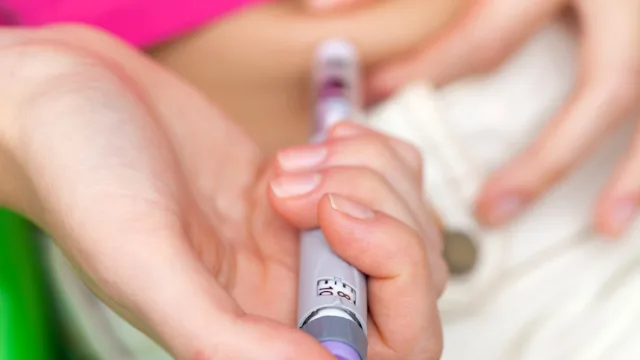
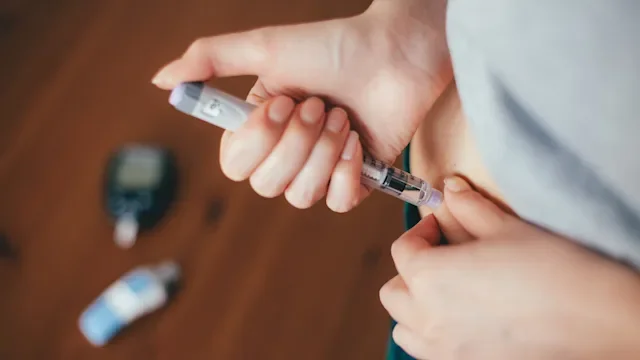
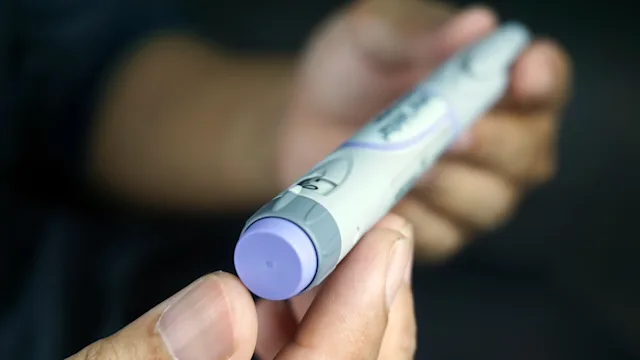
If you’re living with Type 1 or Type 2 diabetes, you may be prescribed Lantus (insulin glargine) to help lower your blood glucose (sugar). Lantus is a long-acting insulin that’s injected once daily and works for about 24 hours. It comes in two forms: vials to use with a syringe or as prefilled pens (Lantus SoloStar).
Managing diabetes often involves ongoing medication costs, which can add up over time. The cost of Lantus depends on several factors, including your location, preferred pharmacy, prescribed dose, and insurance coverage.
How much does Lantus cost?
Without insurance, 5 Lantus SoloStar pens costs an average of $245.90. One Lantus vial costs an average of $191.73. Each SoloStar pen contains 300 units of insulin, and each vial contains 1,000 units of insulin.
There’s also an unbranded version of Lantus, sold as insulin glargine. Lantus also has three biosimilars: unbranded Semglee (insulin glargine-yfgn), Rezvoglar (insulin glargine-aglr), Langlara (insulin glargine-aldy). These insulins are highly similar to Lantus and may be available at a lower cost.
Which factors affect the cost of Lantus?
Several factors can affect how much you’ll pay for Lantus, including:
Pharmacy: Some pharmacies charge more than others for prescription medications. It’s worth shopping around to save money. You can also use GoodRx to compare prices and find the best deal near you.
Location: Prices for prescription medications, including Lantus, can change between states and cities. Even neighboring towns can have different costs.
Health insurance coverage: Whether your insurance covers Lantus, as well as your plan’s required out-of-pocket expenses — deductibles, copays, and coinsurance — can affect what you pay.
Dosage: Your prescriber may determine your Lantus dosage based on the type of diabetes you have and other factors, including your body weight. Your dosage can also change over time. The number of Lantus vials or pens you need for your specific dosage every month can affect your overall cost.
Discounts: Whether you use prescription savings coupons, like those available through GoodRx or the programs offered by Lantus’ manufacturer, can affect your cost.
Does insurance cover Lantus?
Most insurance plans, including Medicare Part D, cover some of the cost of Lantus if your healthcare team prescribes it. You can check your plan’s formulary to see if Lantus is included. The formulary shows which medications your insurer has agreed to pay for. If Lantus appears on this list, your insurance company may pay for it.
Some insurers require a prior authorization for Lantus. This involves your prescriber confirming your diagnosis and the need for Lantus as treatment. But you may still have out-of-pocket expenses.
Does employer-sponsored health insurance cover Lantus?
Most employer-sponsored insurance plans cover Lantus. But the exact coverage and out-of-pocket costs for Lantus depend on your insurer and plan.
According to the American Diabetes Association, about half of all states cap monthly copays for insulin, potentially limiting what you’ll pay out of pocket for Lantus. Additionally, with the Sanofi Insulins Copay Savings Program, Lantus costs no more than $35 for a 30-day supply for commercially insured people.
Does Medicare cover Lantus?
Insulin may be covered under Medicare Part B or Medicare Part D, depending on how it is administered. Medicare Part B covers insulin used with a reusable external insulin pump, while Medicare Part D generally covers injectable insulin and insulin used with disposable pumps.
Check your plan’s details to see if your Medicare Part D plan pays for Lantus.
Thanks to recent changes in the law, if you have Medicare Part D, your monthly cost for insulin is capped at $35, and you won’t have to pay a deductible. This rule applies to everyone on Medicare Part D, including those who get Extra Help.
Medicare Advantage plans also generally provide prescription medication coverage that would cover Lantus.
Does Medicaid cover Lantus?
Medicaid provides free or low-cost prescription medications for those enrolled. But each state decides which medications are included. This means Medicaid coverage for Lantus depends on where you live. Some states cover it fully, while others may have restrictions or not cover it at all.
The best way to find out if Lantus is covered through your Medicaid program is to contact your local Medicaid agency directly. It can provide details on which diabetes medications and supplies are included.
How can you get your insurance to cover Lantus?
Here are steps you can take to gain an exception if your insurance plan doesn’t typically cover Lantus:
Contact your health insurance company. Call your insurer to find out what steps to take to request a formulary exception.
Obtain an exception request. Your prescriber may have to submit an exception request or a letter of medical necessity to your insurance company. In the letter, your prescriber will explain why Lantus is medically necessary for your situation.
Submit an appeal. If your exception request is denied, you can work with your prescriber to appeal the decision. Follow the appeals process set by your insurance company. You may need to provide additional medical records supporting why Lantus is needed for your care. The appeals process can take time, especially if your plan denies your appeal and you need to file for an external review.
Ask about biosimilars. Some insurance plans may prefer alternatives, such as biosimilars insulins, which may be covered instead of Lantus.
Ways to save on Lantus
Looking for ways to save money on Lantus? Here are five options:
1. Download a free GoodRx coupon
GoodRx has partnered with Sanofi, the company that makes Lantus, to offer an exclusive discount to people who pay out of pocket without using insurance. Using the GoodRx discount, you can get a 30-day supply of Lantus for $35 at over 70,000 pharmacies nationwide.
Follow these steps to download a free GoodRx coupon:
Visit www.goodrx.com, or download the GoodRx app.
Enter “Lantus” in the search bar.
Click on “Find the lowest prices.”
Choose to receive your coupon via text or email, or print it out.
Show the coupon at your pharmacy when you fill your Lantus prescription.
2. Look into manufacturer savings programs
Sanofi offers discount programs for people who are uninsured and those with commercial insurance.
These manufacturer savings cards cannot be used if you have prescription coverage or receive reimbursement through government programs such as Medicare, Medicaid, Veterans Affairs, Department of Defense, Tricare, or state pharmaceutical programs.
The table below shows an overview of the available manufacturer savings programs:
Program name | Offer | Who qualifies | Restrictions |
|---|---|---|---|
$35 for a 30-day supply of Lantus | People who are uninsured or paying cash | To qualify for this discount, you must fill all your Sanofi insulin prescriptions together each month. | |
$35 for a 30-day supply of Lantus | People with commercial insurance | You can fill your prescription once every 30 days at the discounted rate, up to 10 packs per fill. People enrolled in an Affordable Care Act marketplace insurance plan may qualify for this savings card. |
These savings cards lower the cost of Lantus significantly. This means you could pay less for brand-name Lantus than for some biosimilars. Check to see if you’re eligible for any of these programs.
3. Enroll in patient assistance programs
You may be able to get Lantus for free through Sanofi’s Patient Assistance Connection program if you meet certain requirements. To qualify, you must:
Live in the U.S. or a U.S. territory
Be under the care of a healthcare professional who can prescribe medications in the U.S.
Have a household income less than or not more than 400% of the Federal Poverty Level
Have no insurance or insurance that does not cover Lantus
If it appears you qualify for Medicaid, you will need to show paperwork proving that you applied and were denied. Even if you’re enrolled in Medicare Part D, you may be eligible based on income.
To apply, download an application based on your state. Have it filled out and signed by your prescriber, and ask them to submit your completed application by mail or fax.
If approved:
You and your prescriber will receive a letter notifying you of your enrollment. If you’re on Medicare Part D, your plan sponsor will also be notified.
You’ll be enrolled for assistance for up to 12 months or until the end of the calendar year if you’re on Medicare Part D.
Your medication will be shipped to your prescriber’s office.
If you don’t qualify for the Patient Assistance Connection program, you’ll receive a letter notifying you of the reason for denial.
4. Compare pharmacy prices
Costs for Lantus can differ between pharmacies, even in the same town or city. Shop around and compare to see which pharmacy charges less in your location. GoodRx allows you to check pharmacy prices for Lantus in your area so you can find the lowest cost.
5. Look into biosimilars
Lantus is a biologic medication that contains the active ingredient insulin glargine. There’s no generic version of Lantus, but there are biosimilars that may cost less if you don’t qualify for a savings program.
If your insurance does not cover Lantus, ask your prescriber about a Lantus alternative, such as a biosimilar like unbranded Semglee, Rezvoglar, or Langlara. An unbranded version of Lantus is also available, which is the same insulin but without the Lantus brand name.
Frequently asked questions
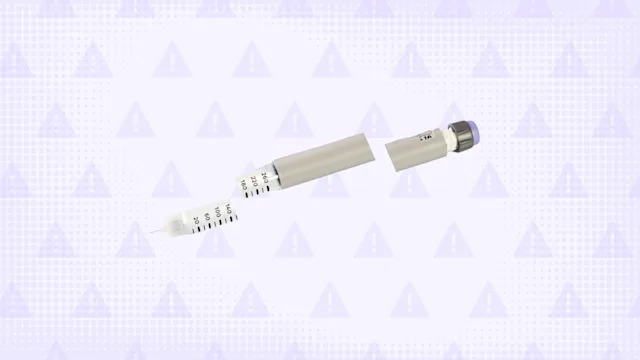
Each Lantus SoloStar pen contains 300 units of insulin glargine. You can dial doses in 1-unit increments, up to a maximum of 80 units per injection. The number of days one pen lasts depends on your prescribed daily dose.
No, you can’t buy Lantus over the counter. Lantus is a prescription-only insulin in the U.S. You’ll need a prescription from a licensed healthcare professional to get it.
Each Lantus SoloStar pen contains 300 units of insulin glargine. You can dial doses in 1-unit increments, up to a maximum of 80 units per injection. The number of days one pen lasts depends on your prescribed daily dose.
No, you can’t buy Lantus over the counter. Lantus is a prescription-only insulin in the U.S. You’ll need a prescription from a licensed healthcare professional to get it.
The bottom line
Without insurance, 5 Lantus SoloStar pens costs an average of $245.90. One Lantus vial costs an average of $191.73. But most people can get a 30-day supply of Lantus for only $35. Lantus’ manufacturer provides special offers for insured and uninsured people to access this significant discount.
You can also pay this discounted rate by using a GoodRx coupon. If you qualify, a patient assistance program is available that provides Lantus at no cost.

Why trust our experts?



References
American Diabetes Association. (n.d.). Leading the fight for insulin affordability.
Lantus. (n.d.). Welcome to Lantus savings and support. Sanofi.
Medicare.gov. (n.d.). Insulin. Centers for Medicare & Medicaid Services.
Sanofi. (2026). How you can save.
Sanofi-Aventis. (2025). Lantus- insulin glargine injection, solution [package insert]. DailyMed.
Sanofi Patient Connection. (n.d.). Connecting eligible patients to medication at no cost.
Sanofi Patient Connection. (n.d.). Financial criteria for patient assistance.