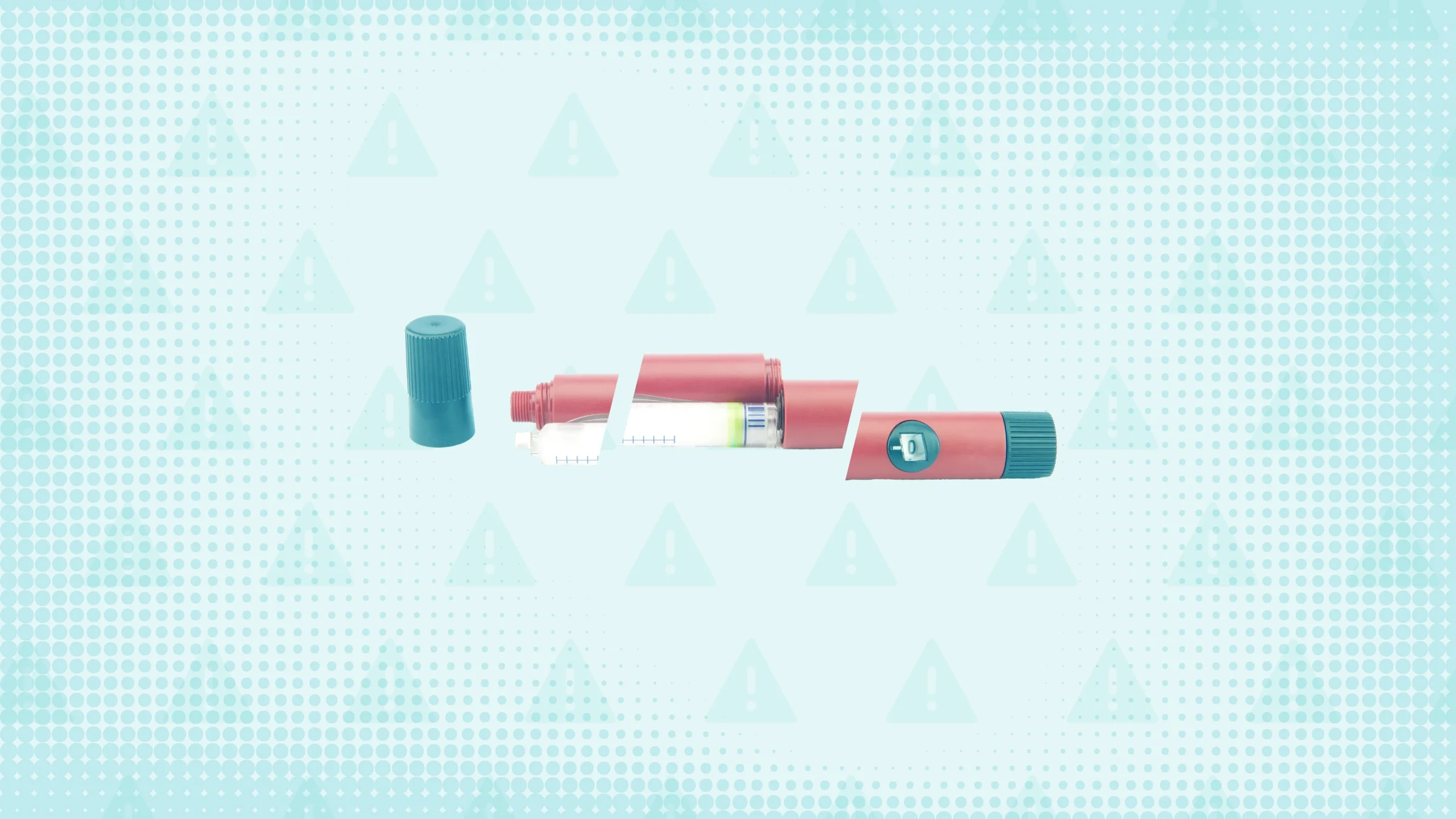
Key takeaways:
Kesimpta (ofatumumab) is a self-administered injectable medication. It’s used to treat relapsing forms of multiple sclerosis (MS).
Common Kesimpta side effects include upper respiratory tract infections, headache, and injection site reactions. Back pain and urinary tract infections (UTIs) are also possible.
Rare Kesimpta side effects include serious infections, liver problems, and anti-drug antibodies. Talk to your neurologist if you feel sick or have any Kesimpta side effects that worsen or don’t improve.
Save on related medications
Kesimpta (ofatumumab) is an injectable biologic medication that treats relapsing forms of multiple sclerosis (MS). Unlike some other injectables for MS, which are administered in a medical office or clinic, you can inject Kesimpta yourself in the comfort of your own home.
Kesimpta has many potential benefits, but it also has a number of side effects to keep in mind. Knowing what to expect can help you get the most from your medication.
Kesimpta side effects at a glance
Kesimpta is a generally well-tolerated medication. But it may take some getting used to. Most Kesimpta side effects improve over time as your body adjusts to it.
Below are lists of common and rare Kesimpta side effects to be aware of. Keep in mind that these aren’t complete lists. So it’s best to let your healthcare team know about any side effects that occur during treatment, even if they aren’t listed below.
Common Kesimpta side effects include:
Upper respiratory tract infections
Headache
Injection reactions (both local and throughout the body)
Back pain
Urinary tract infections (UTIs)
Low immunoglobulin (antibody) levels
Rare but serious Kesimpta side effects and reactions include:
Serious infections, such as pneumonia
Liver problems
Anti-drug antibodies
Severe injection-related reactions
Let’s explore nine notable Kesimpta side effects and what you can do to manage them.
1. Respiratory infections
Upper respiratory tract infections (URTIs) — such as the common cold — are the most common Kesimpta side effect. URTIs may cause symptoms such as a sore throat, runny nose, or headache. They’re typically mild and should resolve on their own.
Over-the-counter (OTC) cold medication can help you manage your symptoms in the meantime. Other remedies and supplements, such as zinc or vitamin C, may also help you kick cold symptoms faster.
Contact your neurologist if you have cold symptoms that persist or don’t get better. They can determine if you need additional treatment, such as an antibiotic.
2. Injection reactions
Injection reactions are another common side effect of Kesimpta. It’s possible to experience reactions at the injection site (local) and body-wide (systemic).
Local reactions
Local injection site reactions are generally more common than systemic ones. Irritation, pain, and swelling where you injected Kesimpta are all possible signs and symptoms of a local reaction.
While these reactions usually go away on their own, they can be uncomfortable. But a few simple measures can help, such as:
Applying a warm compress to soothe irritated areas of skin
Wrapping an ice pack in a towel and applying it to your injection site to calm irritation, warmth, and swelling
Trying an OTC pain reliever, such as Advil (ibuprofen), to help with pain and swelling
After you inject your first few doses of Kesimpta, you’re less likely to experience these local reactions. Rotating your injection site with each dose can also help prevent more severe reactions.
Body-wide reactions
Unlike local reactions, which happen near the injection site, systemic injection reactions can affect your entire body. In initial studies, these body-wide reactions were most commonly seen within 24 hours of the first Kesimpta injection. That’s why it’s recommended to receive your first injection in the presence of a healthcare professional. But they can also happen at any time during treatment. So it’s helpful to know what to watch for.
Possible symptoms of a body-wide injection reaction include:
Fever
Headache
Muscle aches
Chills
Fatigue
The majority of these symptoms tend to be mild to moderate in severity. Reactions are less likely after the first dose. But reach out to your neurologist without delay if you’re experiencing an injection reaction that’s bothering you or won’t go away.
3. Headache
Headaches are another possible Kesimpta side effect. Other triggers, such as dehydration and lack of sleep, can also cause headaches. So be sure to stay hydrated and get enough rest to help prevent them.
If you’re looking for a short-term fix for your headache, an OTC pain reliever, such as Tylenol (acetaminophen) or Advil, can help. But managing MS-related pain can be tricky, so contact your neurologist for pain-relief recommendations that are best for you.
4. Back pain
Some people experience back pain during treatment with Kesimpta. Experts aren’t sure exactly why this happens. But if you develop back pain, try these management tips:
Perform stretches to strengthen your lower back muscles.
Apply heat or ice packs.
Exercise regularly.
Adjust your sleeping position.
Consider physical therapy.
Take an OTC pain reliever, if appropriate.
If you have back pain that becomes a problem, let your neurologist know. There are several ways to treat chronic back pain. But it’s also important to know when to go to the ER. Seek emergency medical attention if your back pain becomes severe. You should also go to the ER if you notice sudden weakness or numbness in one or both of your legs.
5. Laboratory changes
Kesimpta works by intentionally making parts of your immune system not work as well. Doing so helps reduce MS flares. But because your immune system is less active than normal, it's common to see changes in your lab work. Specifically, you may see a decrease in your immunoglobulin (antibody) levels. Low immunoglobulin levels increase your risk for infections.
Your neurologist will likely order blood tests to check your immunoglobulin levels before you start Kesimpta and routinely during treatment. If your levels get too low, your healthcare team might consider giving you immunoglobulin infusions for extra support against infection.
6. Urinary tract infections
Kesimpta increases the risk of UTIs. If you have a UTI, symptoms may include:
Pain or burning while urinating
Pain in your pelvic area
Urgent and frequent urination
If you develop symptoms of a UTI, it’s a good idea to seek treatment as soon as possible. Antibiotics are the only medications that can cure a UTI. If left untreated, the infection could travel up to the bladder or kidneys and cause a more serious problem.
Symptoms of an infection in the bladder or kidneys can include nausea or vomiting, back or side pain, and fevers and chills. If you have any of these symptoms, seek medical care as soon as possible.
7. Serious infections
Kesimpta lowers your body’s ability to fight infections. In some cases, serious infections, such as pneumonia or progressive multifocal leukoencephalopathy (PML), can develop during treatment.
PML is a viral brain infection that is serious and potentially life-threatening. Your risk of PML increases when your immune system is less active than normal. People receiving Kesimpta for MS have not reported experiencing PML. In certain cases of cancer treatment, where Kesimpta was prescribed at higher doses, PML did occur.
Contact your neurologist right away if you feel especially under the weather. In particular, be on the lookout for these potential PML symptoms:
Weakness that spreads or gets worse over days to weeks
Vision changes
Increased clumsiness
Changes in thinking or memory
Unusual personality changes
Kesimpta can also reactivate the hepatitis B virus if it’s lingering in your body. Your healthcare team will likely screen you for hepatitis B before you start receiving Kesimpta, as well as on a recurring basis during treatment.
8. Liver problems
In rare cases, people receiving Kesimpta and similar medications used to treat MS reported serious liver injury. Before you start Kesimpta, you’ll likely get blood tests to check your liver function.
Tell your prescriber right away if you notice any signs or symptoms of liver problems, such as:
New or worsening fatigue
Loss of appetite
Nausea or vomiting
Pain on the upper right side of your abdomen
Jaundice (yellowing of your skin or eyes)
If you develop liver problems while receiving Kesimpta, you’ll likely need to stop treatment and try a different MS medication.
9. Anti-drug antibodies
Biologic medications, including Kesimpta, are made from living systems. Because of this, your immune system may sometimes recognize the medication as a foreign substance and try to fight it. When this happens, your body can make anti-drug antibodies. These antibodies can sometimes make a medication not work as well over time.
In studies of Kesimpta, anti-drug antibodies were rare. But if you feel like Kesimpta isn’t working as well as it used to, or if your MS symptoms are worsening, let your neurologist know. They can test for anti-drug antibodies and adjust your treatment if necessary.
Frequently asked questions
It’s best to store Kesimpta pens and prefilled syringes in the refrigerator in their original container (36°F to 46°F) when you’re not using them. Before injecting, take the pen or syringe out of the refrigerator and let it sit at room temperature for about 15 to 30 minutes before injecting it. You can keep Kesimpta at room temperature for up to 7 days. If you don’t use it during this time, you can return it to the fridge for up to 7 more days before it needs to be tossed.
You can inject Kesimpta under the skin of your abdomen or thigh. A caregiver can also inject Kesimpta in your upper outer arm. Be sure to wash your hands and wipe the injection site with alcohol before you inject Kesimpta. The prefilled syringe should be injected at a 45-degree angle. The Sensoready pen is injected at a 90-degree angle. Discard the used device in a sharps container. Your prescriber should teach you how to inject Kesimpta before you do it on your own. But let them know if you have any questions about how to inject Kesimpta properly.
In two large clinical studies, Kesimpta lowered the number of MS relapses and slowed disease progression compared with Aubagio (teriflunomide). Aubagio is an oral medication commonly used to treat relapsing forms of MS.
It’s best to store Kesimpta pens and prefilled syringes in the refrigerator in their original container (36°F to 46°F) when you’re not using them. Before injecting, take the pen or syringe out of the refrigerator and let it sit at room temperature for about 15 to 30 minutes before injecting it. You can keep Kesimpta at room temperature for up to 7 days. If you don’t use it during this time, you can return it to the fridge for up to 7 more days before it needs to be tossed.
You can inject Kesimpta under the skin of your abdomen or thigh. A caregiver can also inject Kesimpta in your upper outer arm. Be sure to wash your hands and wipe the injection site with alcohol before you inject Kesimpta. The prefilled syringe should be injected at a 45-degree angle. The Sensoready pen is injected at a 90-degree angle. Discard the used device in a sharps container. Your prescriber should teach you how to inject Kesimpta before you do it on your own. But let them know if you have any questions about how to inject Kesimpta properly.
In two large clinical studies, Kesimpta lowered the number of MS relapses and slowed disease progression compared with Aubagio (teriflunomide). Aubagio is an oral medication commonly used to treat relapsing forms of MS.
The bottom line
The most common Kesimpta (ofatumumab) side effects include upper respiratory tract infections, headaches, and injection site reactions. Urinary tract infections, lab changes, and back pain are also possible. Rare Kesimpta side effects include serious infections, liver problems, and anti-drug antibodies. Talk to your neurologist without delay if you experience severe side effects or symptoms of a serious infection.

Why trust our experts?




References
Buelt, A., et al. (2023). Management of low back pain: Guidelines from the VA/DoD. American Family Physician.
Cohen, J., et al. (2023). Five-year safety of ofatumumab in people living with relapsing multiple sclerosis. Neurology.
MedlinePlus. (2024). Antibody.
National Multiple Sclerosis Society. (n.d.). Types of multiple sclerosis.
Novartis Pharmaceuticals. (2020). FDA approves Novartis Kesimpta (ofatumumab), the first and only self-administered, targeted B-cell therapy for patients with relapsing multiple sclerosis.
Novartis Pharmaceuticals. (2026). Kesimpta-ofatumumab injection, solution [package insert].
Sorensen, P. S. (2022). Antidrug antibodies against biological treatments for multiple sclerosis. CNS Drugs.
Saji, A. M., et al. (2023). Progressive multifocal leukoencephalopathy. StatPearls.
U.S. Food and Drug Administration. (2026). Drug safety-related labeling changes: Kesimpta.