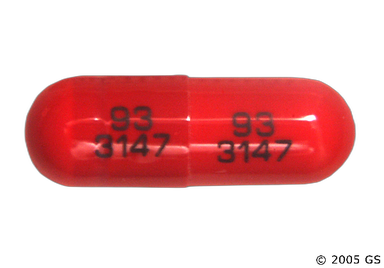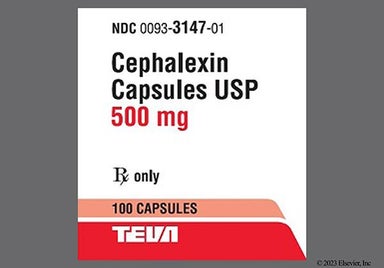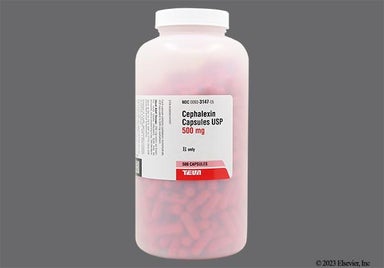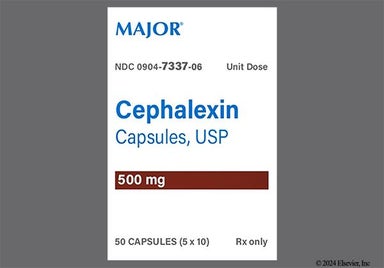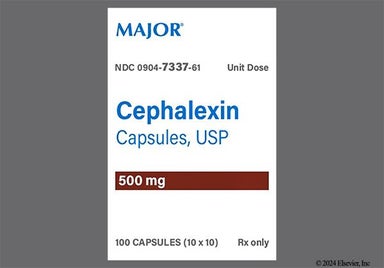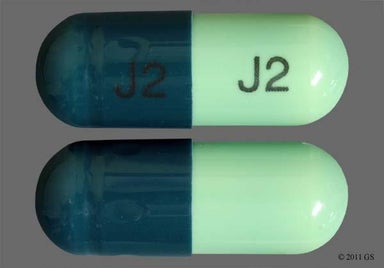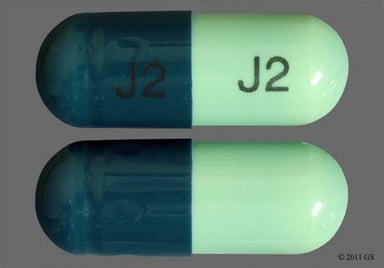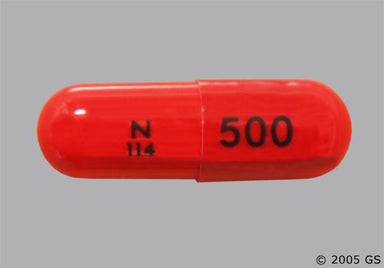


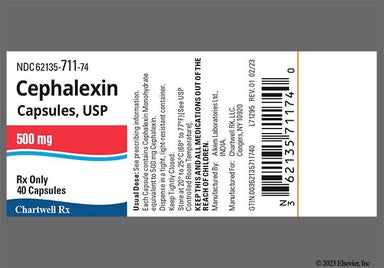
Cephalexin Coupon - Cephalexin 500mg capsule

cephalexin

Generic Keflex
Used for Bacterial Infection, Ear Infection, Lower Respiratory Infection, Skin Infection, Upper Respiratory Infection, Urinary Tract Infection

Cephalexin is a common antibiotic that's used to treat many different bacterial infections including urinary tract infections (UTIs), ear infections, and sinus infections, to name a few. Cephalexin is a cephalosporin antibiotic that kills bacteria to fight the infection. It's safe to use in people over the age of 1, and it's typically taken by mouth 2 to 4 times per day. This medication is available as a lower-cost generic capsule, tablet, and suspension; the brand name Keflex is no longer available. Side effects can include nausea, vomiting, and diarrhea.

Reviewed by:Last reviewed on February 19, 2024
basics-icon

What is Cephalexin?

What is Cephalexin used for?

How Cephalexin works

Cephalexin is a cephalosporin antibiotic. It kills bacteria by preventing the bacteria from making a covering around themselves for protection.

When does Cephalexin start working?Time passed since treatment started:
HOURS
DAYS
Full effect
WEEKS
MONTHS

Drug facts

Common BrandsKeflex(brand name no longer available)
Drug ClassCephalosporin antibiotic
Controlled Substance ClassificationNot a controlled medication
Generic StatusLower-cost generic available
AvailabilityPrescription only
side-effects-icon

Side effects of Cephalexin

The following side effects may get better over time as your body gets used to the medication. Let your healthcare provider know immediately if you continue to experience these symptoms or if they worsen over time.

Common Side Effects

  • Diarrhea
  • Nausea
  • Vomiting
  • Indigestion
  • Stomach pain

Less Common Side Effects

  • Dizziness
  • Fatigue
  • Headache
  • Confusion
  • Joint pain
  • Yeast infection

Cephalexin serious side effects

Contact your healthcare provider immediately if you experience any of the following.

  • Allergic reactions: hives; rash; blisters; swelling of the lips, tongue, or face; difficulty breathing
  • Infectious (C. difficile-related) diarrhea: foul-smelling diarrhea, fever, nausea, frequent bowel movements (up to 15 times per day)
When do Cephalexin possible side effects begin and end?
Time passed since treatment started:
M
H
D
W
M
Diarrhea
Nausea or vomiting
Indigestion
Stomach pain

Source: DailyMed

The following Cephalexin side effects have also been reported

Side effects that you should report to your care team as soon as possible:

Side effects that usually do not require medical attention (report to your care team if they continue or are bothersome):

prices-container

Get your GoodRx coupon

Avg retail price
$17.98(Save 52.78%)
GoodRx discount
$8.49
See prices
pros-and-cons-icon

Pros and cons of Cephalexin

Pros

  • Treats several common types of bacterial infections
  • Can use for adults and children over the age of 1
  • Available as a liquid for people who have trouble swallowing pills
  • Available as a lower-cost generic

Cons

  • Usually need to take a few times per day
  • Might not be able to take if you're allergic to penicillins or other cephalosporin antibiotics
  • Not recommended for the cold or flu (these are viral illnesses, not bacterial infections)
pharmacist-tips-icon

Pharmacist tips for Cephalexin

pharmacist
  • Take cephalexin exactly as prescribed. Make sure to finish your treatment course, even if you're feeling better. Stopping the medication earlier than prescribed can make your infection come back and become harder to treat.
  • You can take cephalexin with or without food. Taking the medication with food can help if it's upsetting your stomach.
  • If you're taking the cephalexin tablet or capsule, don't crush or chew it. This could damage the medication. Ask your prescriber to switch you to the cephalexin oral suspension (liquid) if you're having trouble swallowing pills.
  • Cephalexin can cause diarrhea, but it should go away when you stop taking it. Contact your healthcare team right away if you start to have watery or bloody diarrhea, fever, fatigue, or stomach cramps anytime during treatment or after stopping cephalexin. These might be signs of a type of infectious diarrhea, which needs to be treated right away.
  • Get medical attention as soon as possible if you have a rash, itchy skin, difficulty breathing, or swelling in your face or mouth. These could be signs of a severe allergic reaction.
  • Cephalexin is generally considered safe to take while pregnant. Based on available information in humans, this antibiotic doesn't appear to cause harm to unborn babies during pregnancy. Let your primary care provider or the urgent care team know that you're pregnant and discuss the risks and benefits of taking cephalexin.
  • Cephalexin is considered a safe antibiotic to take while breastfeeding. Low levels of the medication can be found in breast milk, but it's not expected to harm your baby. Tell the prescriber that you're nursing and discuss the risks and benefits of using cephalexin.

For the cephalexin oral suspension (liquid)

  • Shake the cephalexin oral suspension bottle well before measuring out the dose.
  • Make sure to only use a medication dose cup or syringe from the pharmacy to measure out your cephalexin dose. Don't use household spoons because they aren't accurate and might cause you to take the wrong dose. Ask the pharmacy for extras.
  • Store the cephalexin suspension in the refrigerator for up to 14 days. After 14 days, throw away the bottle, even if there's still some medication left.
educational-icon

How to save using GoodRx

Compare Prices
1. Compare PricesSpecify your dosage and quantity to find out exactly how much you can save.
Select your free coupon
2. Select your free couponYou can use the displayed coupon, or compare prices at other pharmacies near you.
Show coupon to your pharmacist
3. Show coupon to your pharmacistPresent your printed or electronic coupon when you pick up your prescription.
Get free couponLearn more
faq-icon

Common questions about Cephalexin

Cephalexin is an antibiotic used to treat a number of bacterial infections. It belongs to a class of antibiotics called cephalosporins. It’s often taken for urinary tract infections, ear infections, certain respiratory infections, and more. Learn more

Cephalexin is often taken for urinary tract infections, ear infections, certain respiratory infections, and more. And it can be taken by both adults and children. As with any medication, cephalexin has some side effects to be aware of while you’re taking it.Learn more

The most common cephalexin side effects are diarrhea, nausea, and stomach pain. Headache, fatigue, and vaginal yeast infections can also happen. Serious cephalexin side effects are rare, but possible. They include infectious diarrhea, seizures, and an increased risk of bleeding. Severe allergic reactions can also happen. Learn more

Most cephalexin side effects are mild and should go away once your prescription is finished. This may include symptoms such as diarrhea, nausea, stomach pain, dizziness, fatigue, and headache. But there are some serious side effects to be aware of. Rare but serious risks include Costridioides difficile diarrhea, allergic reactions, liver problems, kidney problems, low blood cell counts, confusion, agitation, an increased risk of bleeding, and seizures. Side effects like these warrant medical attention; you shouldn't wait for them to go away on their own.Learn more

It's best to avoid alcohol while taking cephalexin. Some healthcare professionals may also want you to avoid a medication called probenecid while you're taking this antibiotic. It's also a good idea to separate your cephalexin doses from zinc-containing supplements and live oral typhoid (Vivotif) and cholera (Vaxchora) vaccines.Learn more
warnings-icon

Risks and warnings for Cephalexin

Cephalexin can cause some serious health issues. This risk may be even higher for certain groups. If this worries you, talk to your doctor or pharmacist about other options.

Allergic reactions

  • Risk factors: Allergy to penicillin or other cephalosporin antibiotics

Allergic reactions to cephalexin are possible, including rash, hives, or more seriously, life-threatening reactions like facial swelling and anaphylaxis (closing of the throat). Let your healthcare team know if you have an allergy to antibiotics, especially penicillin or other cephalosporin antibiotics. Get medical attention immediately if you notice rash, hives, red skin, swelling of the lips or tongue, or difficulty breathing after you take cephalexin.

Diarrhea from Clostridioides difficile infection

Antibiotics, including cephalexin, raise your risk of getting infected with a bacteria called Clostridioides difficile (C. diff). Antibiotics change the amount of normal bacteria in your stomach and intestines. This can cause C. diff to overgrow in your gut and lead to an infection. And C. diff infection can cause diarrhea that can sometimes be life-threatening.

It's important to recognize the difference between diarrhea as a side effect of cephalexin and this type of infectious diarrhea. C. diff-related diarrhea can cause rapid heart rate, foul-smelling diarrhea, fever, nausea, and frequent bowel movements (even up to 15 times per day) and is an emergency. Get medical attention right away if you experience any of these symptoms so you can get tested for C. diff infection and get appropriate treatment.

Development of drug-resistant bacteria

Take cephalexin exactly as prescribed. Using cephalexin for any shorter or longer periods of time or taking the antibiotic for other illnesses can raise your risk for developing infections caused by drug-resistant bacteria. This raises your risk for severe and life-threatening infections that might be difficult to treat.

Seizures

  • Risk factors: Kidney problems | Taking high doses of cephalexin

Cephalexin might raise your risk of seizures, especially when the antibiotic is used at doses that are too high. You also might be at risk for seizures if you have kidney problems and the dose of cephalexin wasn't appropriately lowered to adjust for the fact that your kidneys can't help get rid of the medication from your body as well. Discuss with your primary care provider or the urgent care team if you've had a seizure before or if you have kidney problems to make sure cephalexin is safe for you.

Higher risk of bleeding

  • Risk factors: Kidney problems | Liver problems | Poor nutrition | Taking blood-thinning medications

Cephalexin might raise your risk of bleeding. You're at a higher risk if you have kidney problems, liver problems, or poor nutrition or if you're taking an anticoagulant (blood thinner). Discuss your risk for bleeding with your primary care provider or the urgent care team, and watch out for signs of too much bleeding (e.g., unexplained bruising, blood in your urine or stool). If you're taking a blood-thinning medication, the prescriber might recommend that you follow up with the specialist who's monitoring your blood-thinning medication for blood testing or dose adjustments.

dosage-icon

Cephalexin dosage

The average cost for 28 capsules of 500mg of Cephalexin is $10.68 with a free GoodRx coupon. This is 64.38% off the average retail price of $29.98.
bottle of oral suspensionBottle of oral suspension
DosageQuantityPrice as low asPrice per unit
200ml of 125mg/5ml1 bottle$20.91$20.91
100ml of 125mg/5ml1 bottle$11.08$11.08
200ml of 250mg/5ml1 bottle$18.98$18.98
100ml of 250mg/5ml1 bottle$12.97$12.97
capsuleCapsule
DosageQuantityPrice as low asPrice per unit
250mg30 capsules$8.49$0.28
500mg28 capsules$10.68$0.38
750mg14 capsules$39.10$2.79
tabletTablet
DosageQuantityPrice as low asPrice per unit
250mg28 tablets$29.12$1.04
500mg14 tablets$28.98$2.07

Typical dosage for Cephalexin

Cephalexin is available as capsules, tablets, and liquid suspensions.

  • Adults and children 15 years of age or older: The typical dose is 250 mg by mouth every 6 hours. An alternative dose is 500 mg by mouth every 12 hours. You'll typically need to take cephalexin for 7 to 14 days. For more severe infections, you might need a higher dose (up to 4 grams total per day).

  • Children age 1 to up to 15 years: The dose is based on your child's body weight. The typical total daily dose is 25 mg/kg to 50 mg/kg of body weight by mouth. This total dose is split up into smaller doses throughout the day, as directed by the prescriber. Your child will typically need to take cephalexin for 7 to 14 days. For more severe infections, such as an ear infection, your child might need a higher dose of up to 100 mg/kg per day.

Your dose might differ if you have kidney problems.

cost-icon

How much does Cephalexin cost?

To access savings, use a GoodRx coupon and pay just a fraction of the retail price.
contraindications-icon

Cephalexin contraindications

Contraindications are specific health conditions or situations in which a person should not take a medication due to safety concerns. If you have any of the following conditions or if any of the following apply to you, let your healthcare provider know because Cephalexin will not be safe for you to take.

alternatives-icon

What are alternatives to Cephalexin?

There are a number of medications that your doctor can prescribe in place of Cephalexin. Compare a few possible alternatives below.
Cephalexin
Used for:
$8.49Lowest GoodRx priceView prices
Used for:
  • Urinary tract infections (bladder infections)
  • Skin infections
  • Throat infections (strep throat)
  • Tonsil infections (tonsillitis)
$13.75Lowest GoodRx priceView prices
Used for:

Cefuroxime tablets:

Cefuroxime injection:

$13.69Lowest GoodRx priceView prices
latest-news-icon

News about Cephalexin

Impetigo is a skin rash that requires more than over-the-counter creams. Get to know impetigo treatments and what you can do to get rid of this skin infection.
Impetigo Treatment: How to Banish This Contagious Skin Infection for Good
Impetigo is a skin rash that requires more than over-the-counter creams. Get to know impetigo treatments and what you can do to get rid of this skin infection.
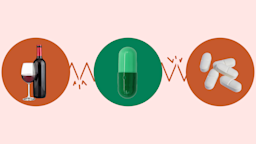
Learn common interactions to know about when taking cephalexin, including medication, food, and alcohol interactions.
6 Cephalexin Interactions You Should Know About
Learn common interactions to know about when taking cephalexin, including medication, food, and alcohol interactions.
GoodRx unpacks potential causes of weird taste in mouth such as medicine, GERD, poor oral hygiene, and more.
Weird Taste in Your Mouth? One of These Medications or Health Conditions Could Be the Cause
GoodRx unpacks potential causes of weird taste in mouth such as medicine, GERD, poor oral hygiene, and more.
If your child has a urinary tract infection (UTI), they might feel stomach pain or fever. Here’s to know about spotting and treating UTIs in kids.
Urinary Tract Infections in Kids: Symptoms, Causes, and Treatment
If your child has a urinary tract infection (UTI), they might feel stomach pain or fever. Here’s to know about spotting and treating UTIs in kids.
A urinary tract infection (UTI) can become serious quickly, so antibiotic treatment is crucial. Explore common antibiotics for UTI treatment and side effects.
UTI Medications: What Are the Best Antibiotics for a Urinary Tract Infection?
A urinary tract infection (UTI) can become serious quickly, so antibiotic treatment is crucial. Explore common antibiotics for UTI treatment and side effects.
Cephalexin (Keflex) may cause nausea, diarrhea, and headache in some people. Learn more about other common cephalexin side effects and ways to manage them.
11 Cephalexin (Keflex) Side Effects You Should Know About
Cephalexin (Keflex) may cause nausea, diarrhea, and headache in some people. Learn more about other common cephalexin side effects and ways to manage them.
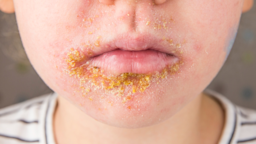
Impetigo is a contagious skin infection that often affects children. See pictures of what impetigo looks like and learn how it can be treated here.
What Is Impetigo? Symptoms, Treatment, and Pictures
Impetigo is a contagious skin infection that often affects children. See pictures of what impetigo looks like and learn how it can be treated here.
UTI symptoms usually include pain or burning when you urinate. But other conditions can also feel like a UTI. Learn the common signs of UTIs.
Urinary Tract Infection (UTI) Symptoms: What Does a UTI Feel Like?
UTI symptoms usually include pain or burning when you urinate. But other conditions can also feel like a UTI. Learn the common signs of UTIs.
Cephalexin costs vary based on the pharmacy, dosage, and quantity. Learn about how much cephalexin costs without insurance and ways to save in this guide.
How Much is Cephalexin Without Insurance?
Cephalexin costs vary based on the pharmacy, dosage, and quantity. Learn about how much cephalexin costs without insurance and ways to save in this guide.
Urinary tract infections (UTIs) are especially common during pregnancy, but they must be treated promptly. Learn about the symptoms and which antibiotics are safe to take.
What Happens If You Get a UTI While Pregnant? Risks and Safe Antibiotic Treatments
Urinary tract infections (UTIs) are especially common during pregnancy, but they must be treated promptly. Learn about the symptoms and which antibiotics are safe to take.
images-icon

Cephalexin images

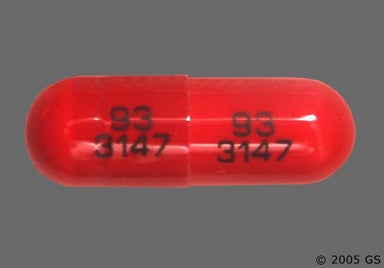
Orange 93 3147 93 3147 And Teva 3147 - Cephalexin 500mg Capsule
This medicine is Orange Capsule Imprinted With "93 3147 93 3147" And "Teva 3147".Orange 93 3147 93 3147 And Teva 3147 - Cephalexin 500mg Capsule
Orange 93 3147 93 3147 And Teva 3147 - Cephalexin 500mg Capsule
This medicine is Orange Capsule Imprinted With "93 3147 93 3147" And "Teva 3147".Orange 93 3147 93 3147 And Teva 3147 - Cephalexin 500mg Capsule
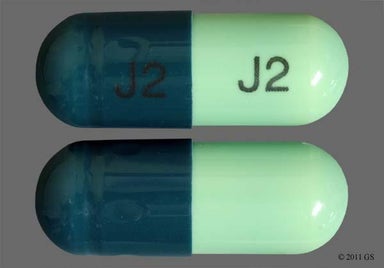
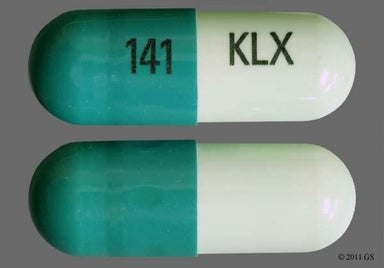
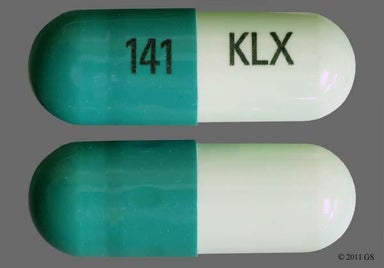
Green 141 Klx - Cephalexin 500mg Capsule
This medicine is Green Capsule Imprinted With "141 Klx".Green 141 Klx - Cephalexin 500mg Capsule
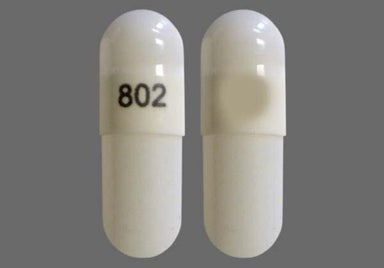
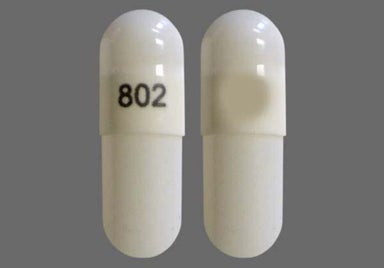
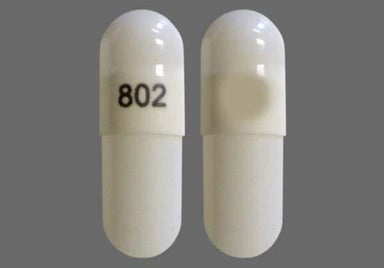
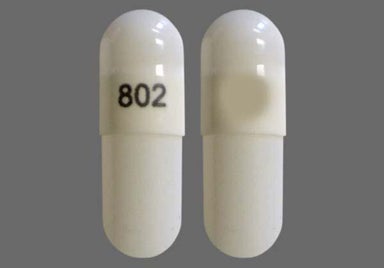
White 802 - Cephalexin 500mg Capsule
This medicine is White Capsule Imprinted With "802".White 802 - Cephalexin 500mg Capsule
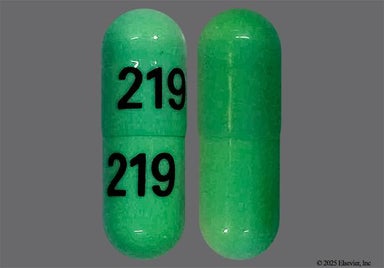
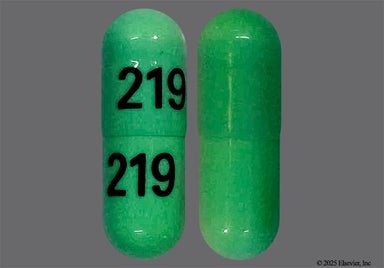
Green 219 219 - Cephalexin 500mg Capsule
This medicine is Green Capsule Imprinted With "219 219".Green 219 219 - Cephalexin 500mg Capsule
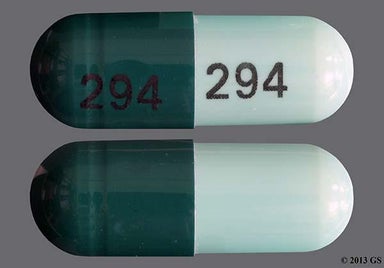
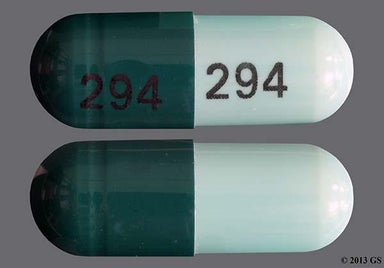
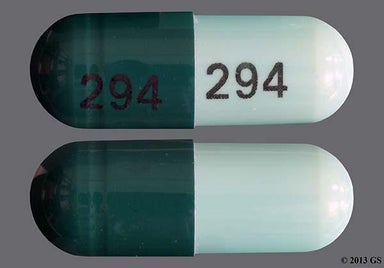
Green 294 294 - Cephalexin 500mg Capsule
This medicine is Green Capsule Imprinted With "294 294".Green 294 294 - Cephalexin 500mg Capsule
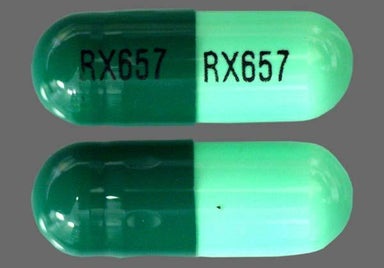
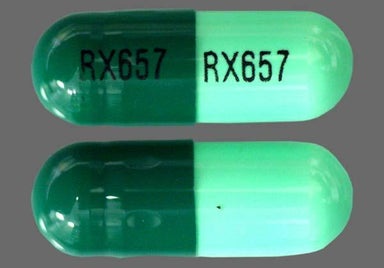
Green Rx657 Rx657 - Cephalexin 500mg Capsule
This medicine is Green Capsule Imprinted With "Rx657 Rx657".Green Rx657 Rx657 - Cephalexin 500mg Capsule
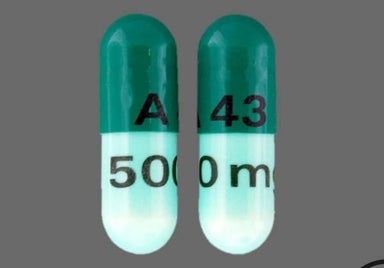
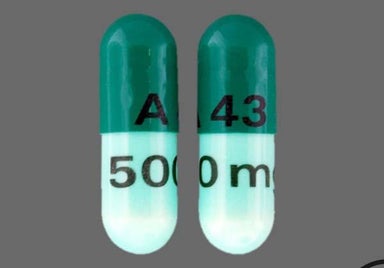
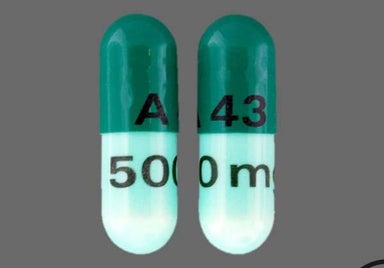
Green A 43 500 Mg - Cephalexin 500mg Capsule
This medicine is Green Capsule Imprinted With "A 43 500 Mg".Green A 43 500 Mg - Cephalexin 500mg Capsule
Green 219 219 - Cephalexin 500mg Capsule
This medicine is Green Capsule Imprinted With "219 219".Green 219 219 - Cephalexin 500mg Capsule
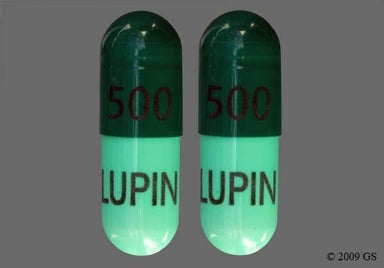
Green 500 Lupin 500 Lupin - Cephalexin 500mg Capsule
This medicine is Green Capsule Imprinted With "500 Lupin 500 Lupin".Green 500 Lupin 500 Lupin - Cephalexin 500mg Capsule

Get savings updates for Cephalexin

Receive price alerts, news, and other messages from GoodRx about Cephalexin and other healthcare topics and relevant savings offers.

By providing your email, you consent to receive marketing communications from GoodRx, which may include content and/or data related to men's health, women's health, reproductive care, or sexual health. You agree to the GoodRx Terms of Use and acknowledge the Privacy Policy. You can unsubscribe at any time.
References

Best studies we found

American Health Packaging. (2023). Cephalexin capsule [package insert]. DailyMed.
Centers for Disease Control and Prevention. (2018). Spoons are for soup, milliliters are for medicine.

Centers for Disease Control and Prevention. (2022). Pharyngitis (strep throat).

GoodRx Health has strict sourcing policies and relies on primary sources such as medical organizations, governmental agencies, academic institutions, and peer-reviewed scientific journals. Learn more about how we ensure our content is accurate, thorough, and unbiased by reading our editorial guidelines.

Was this page helpful?