



Does Alcohol Raise Your Blood Pressure? What You Need to Know
Regular alcohol use is often linked to various health issues, including high blood pressure (hypertension). Discover how alcohol affects your blood pressure.
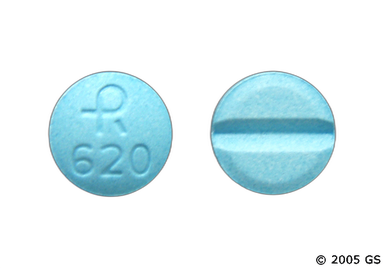
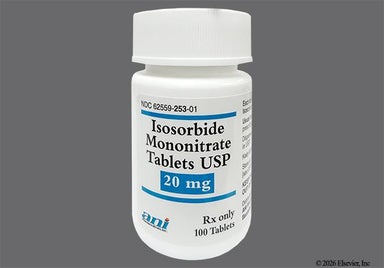
Isosorbide mononitrate works well for adults who have a specific type of chest pain (called angina). This medication belongs to a drug class called nitrate vasodilators that helps relax your blood vessels. The immediate-release version (IR) is taken twice a day, usually 7 hours apart; whereas the extended-release version (ER) is taken once daily in the morning. Although isosorbide mononitrate doesn't have many side effects, you might have a headache or feel dizzy after you take the medication.

Isosorbide mononitrate is a nitrate vasodilator. It helps relax your blood vessels. This makes it easier for your heart to pump, relieving heart-related chest pain.
| Common Brands | Monoket |
|---|---|
| Drug Class | Nitrate vasodilator |
| Controlled Substance Classification | Not a controlled medication |
| Generic Status | Lower-cost generic available |
| Availability | Prescription only |

The following side effects may get better over time as your body gets used to the medication. Let your healthcare provider know immediately if you continue to experience these symptoms or if they worsen over time.
Contact your healthcare provider immediately if you experience any of the following.
Along with its needed effects, a medicine may cause some unwanted effects. Although not all of these side effects may occur, if they do occur they may need medical attention.
Check with your doctor immediately if any of the following side effects occur:
Less common
Abnormal heart sound
absence of or decrease in body movement
arm, back, or jaw pain
black, tarry stools
bladder pain
bleeding after defecation
bleeding gums
blood in the urine or stools
blurred vision
body aches or pain
burning while urinating
burning, crawling, itching, numbness, prickling, "pins and needles", or tingling feelings
chest pain or discomfort
chest tightness or heaviness
chills
cold sweats
colds
confusion
convulsions
cough or hoarseness
decreased urine
difficult or labored breathing
difficult, burning, or painful urination
dilated neck veins
dizziness
dizziness, faintness, or lightheadedness when getting up suddenly from a lying or sitting position
ear congestion
extra heartbeats
fainting
fast, slow, irregular, pounding, or racing heartbeat or pulse
fever or chills
flu-like symptoms
frequent urge to urinate
general feeling of discomfort or illness
headache
headache, severe and throbbing
heart murmur
increased need to urinate
increased sweating
increased thirst
increased volume of pale, dilute urine
irregular breathing
itching, pain, redness, or swelling on the leg
joint pain, stiffness, or swelling
lightheadedness
loss of appetite
loss of voice
lower back, side, or stomach pain
muscle aches and pains
muscle cramps
nausea or vomiting
nervousness
numbness or tingling in the hands, feet, or lips
pain or discomfort in the arms, jaw, back, or neck
pain, tension, and weakness upon walking that subsides during periods of rest
partial or slight paralysis
passing urine more often
pinpoint red or purple spots on the skin
pounding in the ears
shakiness in the legs, arms, hands, or feet
shivering
sore on the leg
sudden decrease in the amount of urine
sweating
swelling
swelling of the face, fingers, feet, or lower legs
tightness in the chest
trembling or shaking of the hands or feet
trouble sleeping
troubled breathing
uncomfortable swelling around the anus
unusual bleeding or bruising
unusual tiredness or weakness
vomiting of blood or material that looks like coffee grounds
weakness
Rare
Bluish-colored lips, fingernails, or palms
dark urine
pale skin
rapid heart rate
Get emergency help immediately if any of the following symptoms of overdose occur:
Symptoms of overdose
Blurred or loss of vision
bulging soft spot on the head of an infant
change in consciousness
change in the ability to see colors, especially blue or yellow
cold, clammy skin
disturbed color perception
double vision
feeling of constant movement of self or surroundings
halos around lights
headache, severe and throbbing
loss of consciousness
night blindness
overbright appearance of lights
paralysis
sensation of spinning
tunnel vision
Some side effects may occur that usually do not need medical attention. These side effects may go away during treatment as your body adjusts to the medicine. Also, your health care professional may be able to tell you about ways to prevent or reduce some of these side effects. Check with your health care professional if any of the following side effects continue or are bothersome or if you have any questions about them:
Less common
Acid or sour stomach
back pain
belching
blemishes on the skin
bloated
breast pain
burning feeling in the chest or stomach
burning, dry, or itching eyes
change in color vision
changes in vision
cold sweats
congestion
continuing ringing or buzzing or other unexplained noise in the ears
cough producing mucus
decreased interest in sexual intercourse
difficulty seeing at night
difficulty with moving
discharge, excessive tearing
double vision
drooping upper eyelids
dull ache or feeling of pressure or heaviness in the legs
excess air or gas in the stomach or intestines
feeling of constant movement of self or surroundings
feeling of warmth
feeling unusually cold
frequent urge to defecate
frozen shoulder
full feeling
hearing loss
hyperventilation
inability to have or keep an erection
increased appetite
increased sensitivity of the eyes to sunlight
increased sputum
indigestion
irritability
itching skin near damaged veins
lack or loss of strength
loss in sexual ability, desire, drive, or performance
muscle or bone pain
muscle stiffness or weakness
nightmares
noisy breathing
pain or tenderness around the eyes and cheekbones
passing gas
poor concentration
rash
redness of the face, neck, arms, and occasionally, upper chest
redness, pain, swelling of the eye, eyelid, or inner lining of the eyelid
redness, swelling, or soreness of the tongue
restlessness
seeing double
sensation of spinning
sleepiness or unusual drowsiness
small clicking, bubbling, or rattling sounds in the lung when listening with a stethoscope
small lumps under the skin
sore mouth or tongue
stiff neck
stomach bloating, burning, cramping, or pain
stomach discomfort or upset
straining while passing stool
sudden sweating
swollen feet and ankles
tender, swollen glands in the neck
tenderness in the stomach area
terrifying dreams causing sleep disturbances
tooth disorder
trouble swallowing
uncontrolled twisting movements of the neck
voice changes
white patches in the mouth, tongue, or throat
Other side effects not listed may also occur in some patients. If you notice any other effects, check with your healthcare professional.
Call your doctor for medical advice about side effects. You may report side effects to the FDA at 1-800-FDA-1088.




Isosorbide mononitrate can cause some serious health issues. This risk may be even higher for certain groups. If this worries you, talk to your doctor or pharmacist about other options.
Your blood pressure can drop while you're taking isosorbide mononitrate, particularly when you change positions (going from sitting to standing). You might feel dizzy or fall when changing positions so be sure stand up slowly and hold onto something stable. Note that your blood pressure can drop to dangerous levels if you take erectile dysfunction medications or other blood-pressure-lowering medications or drink alcohol with isosorbide mononitrate. Contact your provider right away if you feel like you're going to pass out or if you experience irregular heartbeat, changes in vision, more sweating, or cold and clammy skin. Talk to your provider if you still feel dizzy or have a fast heart rate as you continue to take isosorbide mononitrate.
Your body can get used to isosorbide mononitrate, meaning that the same amount of medication might no longer work as well as it used to. This is called tolerance. Raising the dose of the medication doesn't always help fix tolerance.
To prevent tolerance to isosorbide mononitrate, it's important to follow the dosing schedule that you and your provider came up with every day. This makes sure that there's enough time in between your doses for most of isosorbide mononitrate to clear from your system so that the medication can work again when you take your next dose. Discuss with your provider about a dosing schedule that works best for you. Also tell your provider if you notice that your chest pain starts to get worse.


Although certain medicines should not be used together at all, in other cases two different medicines may be used together even if an interaction might occur. In these cases, your doctor may want to change the dose, or other precautions may be necessary. When you are taking this medicine, it is especially important that your healthcare professional know if you are taking any of the medicines listed below. The following interactions have been selected on the basis of their potential significance and are not necessarily all-inclusive.
Using this medicine with any of the following medicines is not recommended. Your doctor may decide not to treat you with this medication or change some of the other medicines you take.


Contraindications are specific health conditions or situations in which a person should not take a medication due to safety concerns. If you have any of the following conditions or if any of the following apply to you, let your healthcare provider know because Isosorbide mononitrate will not be safe for you to take.


Prescription savings
Stop paying too much for your prescriptions. Compare prices, get pharmacy coupons, and save up to 80%. Find expert answers to your health questions so you can make the best decisions for yourself and your family.
Health conditions
Medications & treatment
Access & affordability
Medication discounts

Isosorbide Mononitrate isn't typically taken at night. The immediate-release tablets are taken as 2 doses each day, about 7 hours apart, and at the same times every day. It's recommended to take your first dose in the morning when you wake up and then the second dose 7 hours later (for example, 8 AM, then 2 PM). For the extended-release tablets, it's recommended that you take the medication in the morning after you wake up. These dosing schedules make sure that you have a "nitrate-free" gap between each day (which goes through the night). This helps lower your risk of developing tolerance to the medication (when it doesn't work as well for you anymore). Ask your provider or pharmacist to help plan out when you should take your doses.
Work with your provider to lower your Isosorbide Mononitrate dose gradually over time so that you can stop taking the medication safely. It's possible that stopping Isosorbide Mononitrate suddenly can cause worsening chest pain. This chest pain can feel more intense or painful than it was before you began taking Isosorbide Mononitrate.
Isosorbide Mononitrate doesn't stay in your system for very long. Most of the medication leaves your body in about 1 to 1.5 days, depending on whether you're taking the immediate-release or the extended-release form. These time frames are estimated based on the half-lives of immediate-release and extended-release forms of Isosorbide Mononitrate. Keep in mind that how long the medication stays in your system also depends on things like your age and your liver health.
It's possible for Isosorbide Mononitrate can cause low blood pressure, though it's usually not a problem for most people. But your blood pressure can drop to dangerous levels if you drink alcohol or take other medications that can also lower your blood pressure (e.g., medications for erectile dysfunction) with Isosorbide Mononitrate. Severely low blood pressure can lead to fainting, dizziness, lightheadedness, confusion, blurred vision, and heart palpitations. Get medical help if you experience very low blood pressure.
Avoid taking Isosorbide Mononitrate with medications that help with erectile dysfunction (ED) like sildenafil (Viagra) or tadalafil (Cialis). Taking these types of medications with Isosorbide Mononitrate can cause your blood pressure to become dangerously low and raise your risk of fainting. Let your provider know if you're using any medications for ED before you start taking Isosorbide Mononitrate.
Both immediate-release and extended-release versions of Isosorbide Mononitrate contain the same active ingredient. They're both taken every day to help prevent angina. The IR tablets last about 6 to 10 hours and need to be taken using a specific dosing schedule (2 doses a day, about 7 hours apart). On the other hand, studies show that the ER tablets last for at least 12 hours, and you only need to take it once a day. Speak with your provider about which version of Isosorbide Mononitrate best fits your needs.
Isosorbide Mononitrate and isosorbide dinitrate (Isordil) are both nitrate vasodilators that work to help with angina by widening your blood vessels. Both Isosorbide Mononitrate and isosorbide dinitrate (Isordil) are available as immediate-release tablets, but they differ in terms of how long their effects last. Immediate-release Isosorbide Mononitrate tablets last about 6 to 10 hours, allowing for twice-daily dosing. On the other hand, immediate-release isosorbide dinitrate (Isordil) tablets last about 4 to 6 hours, so it's taken two or three times a day. And unlike Isosorbide Mononitrate, isosorbide dinitrate (Isordil) doesn't have a once-daily, extended-release option. Talk with your provider about whether Isosorbide Mononitrate or isosorbide dinitrate (Isordil) is best for you.
While both Isosorbide Mononitrate and nitroglycerin (Nitrostat) are both nitrate vasodilators that work by widening your blood vessels to help with angina, they aren't the same medication. Isosorbide Mononitrate is a medication that's taken every day to help with chest pain in the long-run. On the other hand, nitroglycerin (Nitrostat) is used as needed to relieve chest pain (which commonly happens during a heart attack) since it works very quickly.
