hydrocodone / chlorpheniramine ER
Hydrocodone/chlorpheniramine is a combination medication containing an opioid and an antihistamine. It's a prescription cough syrup for adults to temporarily relieve cough and other respiratory symptoms related to allergies or the common cold, like runny nose and sneezing. Hydrocodone/chlorpheniramine is commonly known by its brand name Tussionex, but it's currently only available as a lower-cost generic. Hydrocodone/chlorpheniramine is only available as a liquid suspension that's taken by mouth every 12 hours as needed. Common side effects include sleepiness, lightheadedness, and trouble thinking clearly.


What is Hydrocodone/chlorpheniramine?
What is Hydrocodone/chlorpheniramine used for?
- Short-term relief of symptoms from allergies or the common cold (e.g., cough, runny nose, and sneezing) in people ages 18 years and older
How Hydrocodone/chlorpheniramine works
Hydrocodone/chlorpheniramine is a combination of two medications that work together.
- Hydrocodone is an opioid. It eases cough by attaching to opioid receptors in the brain that control the urge to cough.
- Chlorpheniramine is an antihistamine. It blocks a natural substance in your body called histamine that causes allergy and common cold symptoms. By blocking histamine, chlorpheniramine helps relieve symptoms like runny nose, itchy nose, and sneezing.
Drug facts
| Common Brands | TussiCaps, Tussionex Pennkinetic ER, Vituz |
|---|---|
| Drug Class | Opioid / Antihistamine |
| Controlled Substance Classification | Schedule II |
| Generic Status | Lower-cost generic available |
| Availability | Prescription only |
More on Hydrocodone/chlorpheniramine essentials


Risks and warnings for Hydrocodone/chlorpheniramine
Hydrocodone/chlorpheniramine can cause some serious health issues. This risk may be even higher for certain groups. If this worries you, talk to your doctor or pharmacist about other options.
Potential for addiction and misuse
- Risk factors: History of alcohol or substance use disorder | Mental health condition (like depression)
 Hydrocodone/chlorpheniramine contains an opioid medication (hydrocodone), which carries a risk of addiction or misuse, even at recommended doses. In serious cases, addiction and misuse of an opioid medication can lead to overdose and death.
 Hydrocodone/chlorpheniramine is typically prescribed only when cough relief outweigh these serious risks. If absolutely necessary, your healthcare professional (HCP) will prescribe the lowest amount of medication for the shortest period of time needed to treat your symptoms. Contact your HCP to discuss other options if you've taken hydrocodone/chlorpheniramine for 5 days and your cough hasn't gotten better.
Dangerously slow breathing (respiratory depression)
- Risk factors: Older adults | Children younger than 18 years old | Taking medications that can cause slow breathing | Head injury | Drinking alcohol | Having medical conditions that affect breathing | Taking higher doses of hydrocodone/chlorpheniramine than prescribed
Hydrocodone/chlorpheniramine can cause dangerously slow breathing, which can be life-threatening. This can happen at any time, but you're at higher risk 1 to 3 days right after you start hydrocodone/chlorpheniramine. Drinking alcohol and taking other medications, like benzodiazepines, can also raise your risk for this dangerous side effect.
You're recommended to ask your prescriber about getting naloxone (Narcan), a medication that can reverse slowed breathing from opioids. You should have naloxone (Narcan) before you start hydrocodone/chlorpheniramine so that you can use it in case of an accidental overdose. Call 911 to get medical help right away if you or your loved one notices you have trouble breathing or have bluish-colored lips.
Difficulty concentrating and extreme sleepiness
- Risk factors: Taking higher doses of hydrocodone/chlorpheniramine | Age 65 years or older | Drinking alcohol | Taking other medications that can cause sleepiness
Hydrocodone/chlorpheniramine can cause extreme sleepiness and lower your ability to think, react, and focus. Your risk for these side effects is higher if you're taking other medications that can make you sleepy, such as benzodiazepines, muscle relaxants, and sleep medications.
Make sure you know how hydrocodone/chlorpheniramine affects you before driving a car or doing activities that require your concentration. Talk to your HCP right away if you feel too sleepy from the medication.
Risk for overdose
- Risk factors: History of opioid use disorder | Previous opioid overdose | Taking high doses of hydrocodone/chlorpheniramine | Taking more opioids or antihistamines than prescribed | Alcohol use
Take hydrocodone/chlorpheniramine exactly as prescribed. Taking too much medication or taking it more often than prescribed can lead to an overdose. Be sure to keep the opioid medication out of reach from children, pets, or visitors to prevent accidental exposure or overdose.
Symptoms of an opioid overdose include not responding to sound or touch, extremely slow breathing, extreme sleepiness, slow heartbeat, and cold or clammy skin. Be sure you and your loved ones know how to recognize an overdose. Your prescriber will probably write a prescription for naloxone (Narcan), a medication that can treat an opioid overdose. Carry naloxone with you at all times; use it and call 911 right away if an overdose happens.
Additionally, antihistamines are commonly found in over-the-counter products, including those used on the skin. Very rarely, taking too much antihistamine can lead to side effects such as seizures or hallucinations (seeing things that aren't real), overdose, or even death. To prevent an accidental overdose, read package labels. Ask your pharmacist if you're not sure whether a product has an antihistamine.
Drug interactions
Hydrocodone/chlorpheniramine interacts with a lot of common medications. So it's important to tell your prescriber and pharmacist about the medications you're taking and planning to take with hydrocodone/chlorpheniramine. Your care team can check that your medications are safe to take together. Also talk to your care team first before making any changes to your medications because sudden dose adjustments can also lead to harm.
Some interactions can raise the level of hydrocodone in your body. This can raise your risk for serious side effects, including potentially life-threatening slowed breathing. Examples of medications that can lead to this type of interaction with hydrocodone/chlorpheniramine include erythromycin, ketoconazole, and ritonavir (Norvir).
Other drug interactions can lower the levels of hydrocodone in your body. This can cause the opioid to work less well for you and possibly lead to withdrawal symptoms. These interactions include taking hydrocodone/chlorpheniramine with rifampin (Rifadin) or carbamazepine (Tegretol).
Harm to newborn babies
Hydrocodone/chlorpheniramine can be transferred to your unborn baby if you take this medication during pregnancy. Long-term opioid use during pregnancy can cause your unborn baby to become dependent on the medication.
Once your baby is born, they can experience withdrawal symptoms, such as high-pitched crying, poor feeding and sucking behavior, trembling, irritability, abnormal sleep patterns, and seizures. This condition is called neonatal opioid withdrawal syndrome and can be life-threatening if not recognized and treated in time. Let your healthcare team know if you've used hydrocodone/chlorpheniramine during pregnancy or if you notice these symptoms in your baby.
Low blood pressure
Hydrocodone/chlorpheniramine can cause extremely low blood pressure. Your blood pressure might drop when you stand from a sitting or lying down position. This can lead to dizziness and fainting. To avoid falling, get up slowly if you've been sitting or lying down. Talk to your HCP if any dizziness or lightheadedness doesn't go away.
Low adrenal hormone levels
- Risk factors: Taking hydrocodone/chlorpheniramine for longer than 1 month
Some people taking opioid medications like hydrocodone/chlorpheniramine have had low adrenal hormone levels. This might be more likely to happen after taking opioids for longer than 1 month. Symptoms include tiredness, dizziness, weakness, not feeling hungry, nausea, and vomiting. Tell your HCP if you have these symptoms. If your adrenal hormone levels are too low, you might need to stop hydrocodone/chlorpheniramine and be treated with corticosteroids.
Seizures
- Risk factors: History of seizure conditions
Opioids such as hydrocodone can raise the risk of having seizures more often in people who've had one before. Hydrocodone/chlorpheniramine can also raise your risk of seizures in certain situations. Get medical help right away if you have a seizure while you're taking this medication.

Side effects of Hydrocodone/chlorpheniramine
The following side effects may get better over time as your body gets used to the medication. Let your healthcare provider know immediately if you continue to experience these symptoms or if they worsen over time.
Common Side Effects
- Sleepiness
- Trouble thinking clearly or focusing
- Low energy
- Lightheadedness
- Dizziness
- Headache
- Nausea
- Vomiting
- Constipation
- Dry mouth
Less Common Side Effects
- Fatigue
- Muscle spasm
- Stomach pain
- Blurry vision
- Confusion
- Itching
- Rash
Hydrocodone/chlorpheniramine serious side effects
Contact your healthcare provider immediately if you experience any of the following.
- Dangerously slow breathing: trouble breathing; bluish-colored lips, fingers, or toes
- Accidentally taking too much (overdose): not responding to sound or touch, slow breathing, extreme sleepiness, cold or clammy skin, slow or irregular heartbeat, confusion, seizure
- Opioid withdrawal (if suddenly stopped after long-term use): anxiety, suicidal thoughts, restlessness, runny nose, yawning, sweating, chills, wide pupils, irritability
- Excessive sleepiness or dizziness
More on Hydrocodone/chlorpheniramine side effects

The following Hydrocodone/chlorpheniramine side effects have also been reported
Side effects that you should report to your care team as soon as possible:
- Allergic reactions—skin rash, itching, hives, swelling of the face, lips, tongue, or throat
- CNS depression—slow or shallow breathing, shortness of breath, feeling faint, dizziness, confusion, trouble staying awake
- Low adrenal gland function—nausea, vomiting, loss of appetite, unusual weakness or fatigue, dizziness
- Low blood pressure—dizziness, feeling faint or lightheaded, blurry vision
- Pain or trouble swallowing, heartburn, chest pain
- Sudden eye pain or change in vision such as blurry vision, seeing halos around lights, vision loss
- Trouble passing urine
Side effects that usually do not require medical attention (report these to your care team if they continue or are bothersome):
- Confusion
- Constipation
- Dizziness
- Drowsiness
- Dry mouth
- Headache
- Nausea

Pros and cons of Hydrocodone/chlorpheniramine
Pros
- An option for people who don't want to take tablets
- Fruit-flavored
- Available as a lower-cost generic
- More convenient to take a combination product that has two medications in it
Cons
- Only meant for short-term relief
- Has a lot of potential risks and side effects
- Not safe for children
- Not the best choice while pregnant or breastfeeding

Pharmacist tips for Hydrocodone/chlorpheniramine

- Take hydrocodone/chlorpheniramine exactly as prescribed. Talk to a healthcare professional (HCP) for other options if your cough doesn't get better after taking hydrocodone/chlorpheniramine for 5 days. This medication should be taken for a short period of time only because it can be habit-forming and it carries other serious risks.
- Store the hydrocodone/chlorpheniramine liquid suspension at room temperature. Shake the bottle well before you measure out your dose. Make sure to use the plastic dosing spoon, medication dosing cup, or oral syringe that the pharmacy provides you to measure out your dose. Don't use household teaspoons; using them might cause you to take the wrong amount of medication.
- Don't mix hydrocodone/chlorpheniramine with other liquids, including water. Otherwise, it might change how the medication works. The hydrocodone/chlorpheniramine liquid is fruit-flavored, but contact your pharmacist if how the medication tastes is a problem. They might be able to improve the flavor for you.
- You can take hydrocodone/chlorpheniramine with or without food. Taking the medication with food might help if it's upsetting your stomach.
- Hydrocodone/chlorpheniramine causes dizziness, sleepiness, and trouble focusing or concentrating. Avoid activities that require you to be alert (like driving) until you know how the medication affects you.
- Avoid alcohol because it can worsen side effects like sleepiness and dizziness. Both alcohol and hydrocodone/chlorpheniramine can also make you have trouble thinking clearly and reacting quickly.
- It's common to have constipation as a side effect while you're taking hydrocodone/chlorpheniramine. Drink enough water each day and add more foods with fiber to your diet. Speak to your care team if these lifestyle changes aren't enough to help with this side effect.
- Tell your prescriber and pharmacist about all the medications you're taking to make sure hydrocodone/chlorpheniramine is safe to take with them. Several medications can interact with both hydrocodone and chlorpheniramine, and these interactions can be harmful.
- Talk with your prescriber if you've been regularly taking hydrocodone/chlorpheniramine for a long period of time and you want to stop. Your prescriber might lower your dose slowly over time before you can stop completely. This helps prevent withdrawal symptoms, such as anxiety, sweating, chills, and irritability, which can happen after lowering your dose or stopping the medication too suddenly.
- Store hydrocodone/chlorpheniramine out of reach from children, pets, or visitors. Contact a pharmacist about how to get rid of it safely if you don't need to take the medication anymore. This lowers the risk of accidental overdose and helps prevent medication misuse.

Hydrocodone/chlorpheniramine dosage
 Ml of oral suspension
| Dosage | Quantity | Price as low as | Price per unit |
|---|---|---|---|
| 10mg/8mg/5ml | 70 ml | $26.12 | $0.37 |

How much does Hydrocodone/chlorpheniramine cost?
$26.12

Hydrocodone/chlorpheniramine contraindications
Contraindications are specific health conditions or situations in which a person should not take a medication due to safety concerns. If you have any of the following conditions or if any of the following apply to you, let your healthcare provider know because Hydrocodone/chlorpheniramine will not be safe for you to take.
- Children younger than 6 years of age
- Severe asthma or other medical conditions that cause severely slow breathing
- Medical conditions that cause blockage of the stomach passageway
- Allergy to chlorpheniramine
- Allergy to hydrocodone

What are alternatives to Hydrocodone/chlorpheniramine?

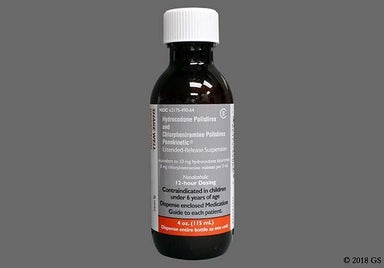
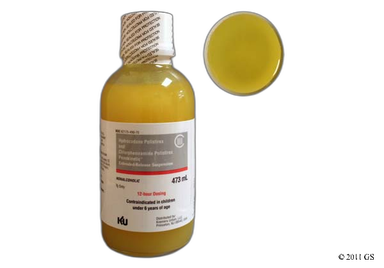
Hydrocodone/chlorpheniramine images